

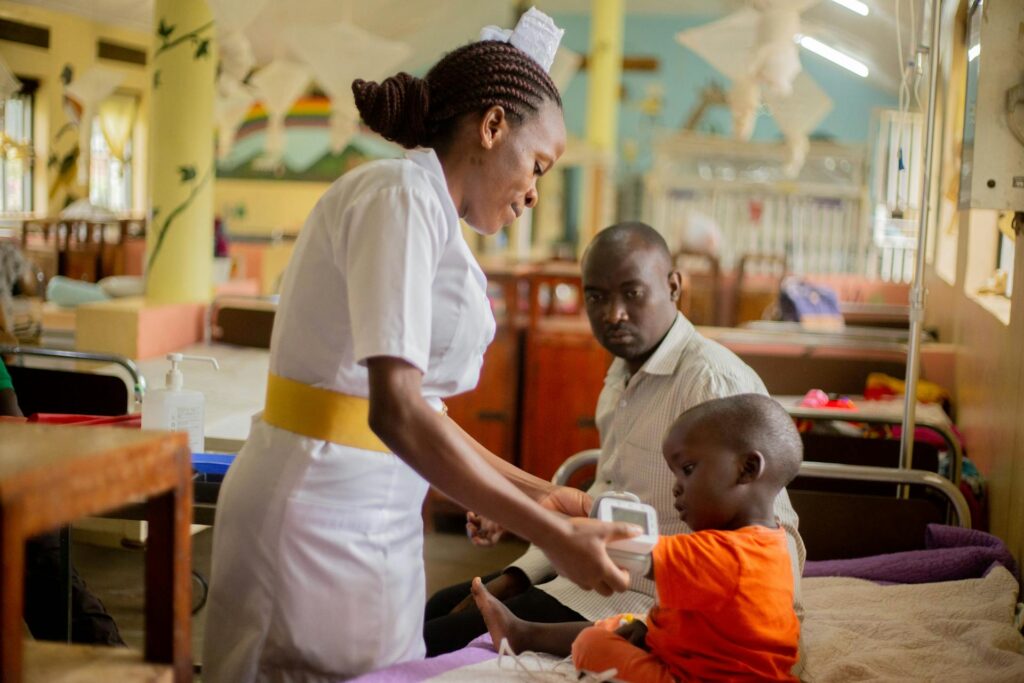
Community health does not improve by chance. It grows through steady, focused care from professionals who understand people beyond symptoms. As a nurse, you stand at the front line of this effort. You see patients in real situations, not just in charts. You notice patterns, gaps, and risks early. This gives you a strong position to shape better outcomes for entire communities. Your role is not limited to treatment. You guide, educate, and advocate. When you act with purpose, you help prevent illness, reduce costs, and build trust.
This article walks you through practical ways you can strengthen community health and make a lasting difference.
Build Strong Patient Relationships
You improve community health when you build trust with the people you care for. This starts with how you communicate. When you listen without interrupting, patients feel heard and respected. They are more likely to share important details about their health, habits, and concerns. This helps you make better decisions and provide more accurate care. You should also pay attention to cultural values and personal beliefs. These factors shape how people view treatment and prevention. When you respect these differences, you create a safe space for open discussion. Patients who trust you are more likely to return for care, follow advice, and take preventive steps. This consistency improves outcomes not just for individuals, but for the wider community.
Advance Your Role by Becoming a Family Nurse Practitioner (FNP)
When you take the step to become a Family nurse practitioner, you expand your ability to serve your community in a deeper way. This role allows you to assess, diagnose, and treat patients with more independence.
Family nurse practitioner roles and responsibilities go beyond basic care tasks. Instead, you take on responsibilities that directly shape patient outcomes. As an FNP, you conduct physical exams, review medical histories, and identify health issues early. You also manage chronic conditions such as diabetes or hypertension, which are common in many communities. Prescribing medications and creating treatment plans are part of your daily work. You also focus on preventive care by guiding patients on lifestyle changes and routine screenings. Another key part of your role involves coordinating care with specialists when patients need advanced support. This ensures continuity and avoids gaps in treatment.
By stepping into this position, you help reduce the burden on healthcare systems and improve access to care, especially in underserved areas.
Promote Preventive Care Practices
Preventive care is one of the most effective ways to improve health outcomes. You play a central role in helping patients understand its value. Many people delay care until symptoms appear, but you can change this mindset. By encouraging regular check-ups and screenings, you help detect issues before they become serious.
You also guide patients on vaccinations, which protect both individuals and the wider population. When you discuss risk factors such as smoking, poor diet, or lack of exercise, you give patients the tools to make better choices. These conversations do not need to be long or complex. Simple and clear advice often works best.
Preventive care also lowers healthcare costs and reduces pressure on hospitals. Your efforts in this area can create long-term benefits that extend far beyond individual patients.
Educate Communities on Health Awareness
Education is a powerful tool in improving community health. You can take your knowledge beyond clinical settings and share it with larger groups. This may involve organizing small health sessions or speaking at local events. When you explain health topics in simple terms, people feel more confident in managing their own well-being. You should focus on practical information that people can apply in daily life. This includes topics like hygiene, nutrition, and recognizing early signs of illness. You can also use local channels to share reliable information and correct common misconceptions. Many communities rely on word-of-mouth, so accurate knowledge spreads quickly when shared effectively.
When people understand their health better, they make smarter decisions. This reduces preventable conditions and improves overall quality of life.
Advocate for Better Healthcare Access
You see firsthand how difficult it can be for some people to access care. Long distances, high costs, and lack of awareness often stop patients from seeking help. This is where your role as an advocate becomes important. You can guide patients toward services that fit their needs and budgets. This may include community clinics, support programs, or public health services. You also help patients understand how to navigate the healthcare system, which can often feel confusing. When you speak up about these barriers, you also support broader improvements. Your feedback can influence policies and decisions that affect entire communities.
By helping people access care at the right time, you reduce delays in treatment and improve outcomes.
Collaborate with Community Organizations
You do not have to work alone to improve community health. When you connect with local organizations, your reach grows stronger. Schools, non-profits, and community groups often have direct access to people who need support. By working together, you can share knowledge and resources more effectively. For example, you may take part in health campaigns or awareness programs. These efforts help spread important information to larger groups. Collaboration also allows you to understand community needs more clearly. Each organization brings a different perspective, which helps you approach problems in a practical way. When you build these connections, you create a support network that benefits both patients and healthcare providers.
Address Social Determinants of Health
Health is not shaped by medical care alone. Factors such as income, housing, education, and access to food play a major role. You often notice these challenges during patient interactions. When someone struggles with basic needs, it becomes harder for them to focus on their health. You can help by identifying these issues early and guiding patients toward support services. This may include food assistance programs, housing support, or educational resources. You also help patients understand how these factors affect their health. By addressing these root causes, you reduce the risk of ongoing health problems.
Real change in community health does not come from one action or one moment. It builds through steady effort, clear intent, and a willingness to stay involved. As a nurse, you hold a position that allows you to influence both individuals and systems. When you choose to step beyond routine tasks and engage with the bigger picture, your impact grows. You help people feel supported, informed, and capable of taking control of their health. At the same time, you contribute to a system that becomes more responsive and inclusive. The work may not always show quick results, but it creates lasting progress. When you stay committed to this path, you help shape a healthier future for the communities you serve.