

Detoxification programs deliver a structured path for individuals seeking to overcome substance dependence, targeting both the physical and emotional challenges involved in recovery. These programs provide a well-rounded foundation for wellness, offering benefits that extend far beyond the initial withdrawal stage. For those seeking local solutions, Detox in Michigan provides access to comprehensive services that support and guide individuals through the entire detoxification process.
Engaging in a reputable detox program means more than simply cleansing the body. It creates a supportive environment where healing is prioritized and lasting lifestyle changes can begin. The right program helps address core issues while setting participants on a sustainable path forward. Ultimately, the advantages of detoxification are multifaceted. Not only does it promote better physical health, but it also paves the way for improved mental clarity and emotional resilience, factors essential for both short-term recovery and long-term growth.
Physical Health Improvements
Detoxification supports the body’s natural systems as they work to expel toxins. The liver, kidneys, and digestive organs receive a break from processing harmful substances, allowing them to heal and improve efficiency. Well-managed detoxification can restore balance to metabolic processes, increase energy, and reduce symptoms such as headaches and digestive discomfort. Participants often report improved appetite, clearer skin, and a stronger sense of physical well-being within days of entering a detox program.
Enhanced Mental Clarity
The effects of substance use can cloud thoughts and impair cognitive function, making daily life and decision-making more difficult. As detoxification progresses, many individuals notice a rapid improvement in their ability to focus, reason, and remember. Removing substances from the system reduces mental “fog,” setting the stage for better learning, enhanced productivity, and improved mood. Increased awareness and sharper thinking support an individual’s engagement in therapy and self-reflection, which are critical for lasting recovery.
Emotional Stability
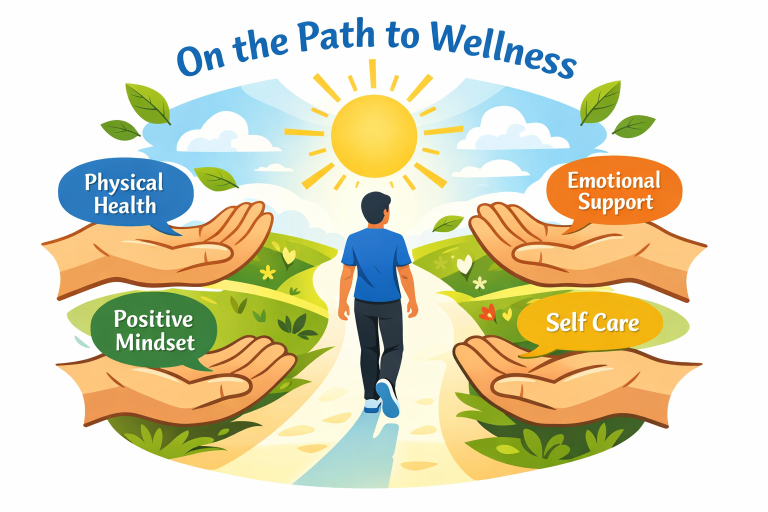
In addition to its physical advantages, detox programs also provide robust emotional support through counseling, group sessions, and access to mental health professionals. Addressing emotional pain, trauma, or anxiety that often fuels addiction is a key component of successful detoxification. Participating in therapy fosters resilience, helping individuals navigate the highs and lows of withdrawal while building confidence in their coping skills. Emotional stability increases the ability to sustain motivation during challenging periods and minimizes the risk of relapse.
Reduced Cravings and Triggers
The intense cravings that often drive substance abuse are linked to neurochemical imbalances. Medical detoxification is designed to stabilize these brain chemicals, providing the initial head start needed to resist relapse. Professional staff in detox programs help individuals understand their personal triggers and develop strategies for managing them. This education, paired with medication-assisted treatment when appropriate, gives participants additional tools for creating environments in which cravings are diminished and manageable.
Improved Sleep Patterns
Substance use can disrupt natural sleep cycles, contributing to insomnia or unrefreshing sleep. As toxic substances leave the body, the circadian rhythm is gradually restored, and individuals begin to experience deeper, more restful sleep. Proper sleep is essential for physical repair, mood stability, and concentration, making it one of the most profound impacts of detox. Restoring sleep patterns is a crucial step in rebuilding overall health following substance abuse.
Strengthened Immune System
Long-term substance use impairs immunity, making it difficult to fight infections and increasing vulnerability to illness. Detoxification allows the immune system to recover its strength as the body focuses on healing rather than processing toxins. Removing alcohol, drugs, and associated stressors can improve the production and function of immune cells, helping individuals remain healthier as they continue through recovery. Enhanced immune health often leads to faster recovery times from common colds and other routine illnesses.
Preparation for Long-Term Recovery
Detox is just the beginning of the recovery journey. Addressing the immediate physical dependencies creates the mental space and stability required for deeper therapeutic work. Entering ongoing care, such as sober living or outpatient therapy, is much easier when the body is no longer in acute withdrawal, and the mind is better prepared to focus. Building this foundation boosts success in later phases of the recovery process and supports lifelong sobriety.
Supportive Community Environment
Peer support is one of the most significant benefits of a structured detox program. Engaging with others on a similar journey fosters a unique sense of camaraderie and accountability. Group discussions and shared experiences help participants feel understood and reduce the isolation that often comes with addiction. Drawing inspiration and learning from others reinforces motivation and keeps people engaged on the path to wellness. Community-centric detox environments often translate into stronger aftercare networks, offering ongoing support even after the program ends.
Detoxification programs serve as a cornerstone for recovering individuals, creating an environment for physical restoration, emotional healing, and lasting support. With the right structure and resources, individuals gain the strength needed not only to start recovery but to sustain it long into the future.
Conclusion
Detoxification programs play a vital role in helping individuals begin the journey toward recovery by addressing both the physical and emotional effects of substance dependence. By supporting the body’s natural healing processes, detox improves physical health, restores energy, strengthens the immune system, and helps regulate sleep patterns. At the same time, it promotes mental clarity and emotional stability, which are essential for making informed decisions and maintaining focus during recovery. Beyond the immediate benefits, detox also reduces cravings, helps individuals identify triggers, and prepares them for long-term treatment and rehabilitation. The structured environment and supportive community further encourage accountability, motivation, and a sense of connection, which are often critical in the early recovery stages. Ultimately, detoxification serves as a strong foundation for lasting sobriety, empowering individuals to rebuild their lives with improved health, resilience, and hope for the future.