

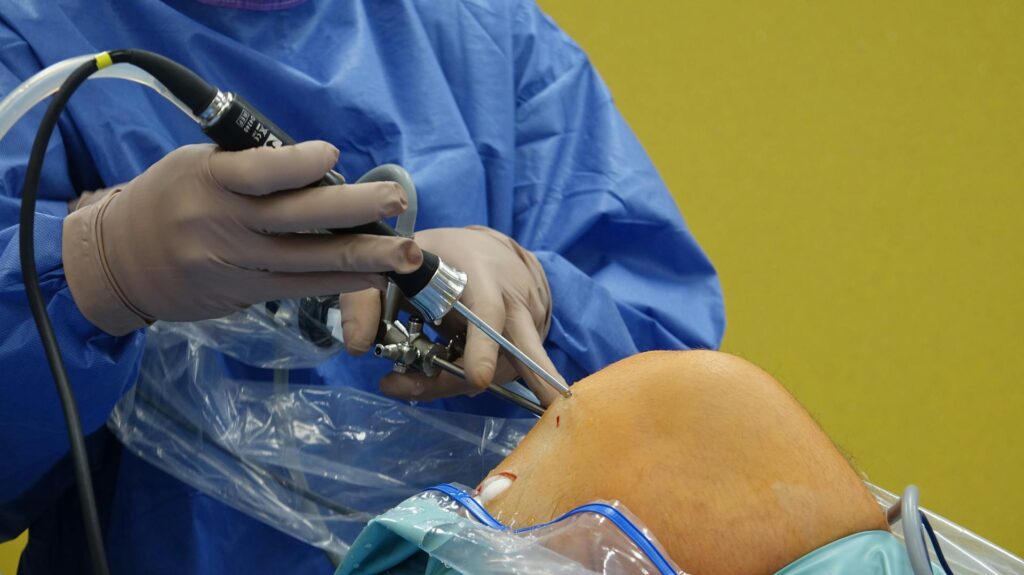
Everyone knows how limiting knee pain can be. Simple tasks like walking up stairs or standing from a chair suddenly feel like small challenges. For many people, minimally invasive knee surgery offers relief and a path back to mobility, but what truly matters after the procedure is how the recovery unfolds.
Getting through recovery takes patience. Some days feel like progress, while others test one’s endurance. The key lies in understanding what to expect from week to week and following a structured yet flexible healing plan.
While there are many reasons these surgeries are performed, a common one is a cartilage tear, often managed as part of a broader meniscus tear treatment. Understanding the recovery process helps patients prepare both physically and mentally for the journey ahead.
Early Stages of Recovery
The first stage begins almost immediately after surgery. Patients often feel a mix of relief and uncertainty during the first few days. The body responds to the procedure with swelling, mild discomfort, and stiffness, but these are normal signs that healing has already started. Rest and careful movement are crucial during this time.
Managing the First Week
Most surgeons recommend limited movement for the first several days. Elevating the leg and applying cold compresses help reduce swelling. Some patients may use crutches or a knee brace for support. It can be tempting to test the knee too soon, but the joint needs rest to recover from the internal repairs.
In this early stage, physical therapy usually begins gently. Simple exercises, such as bending and straightening the knee, help restore circulation and prevent stiffness. This period sets the foundation for a steady recovery.
Regaining Motion and Confidence
By the second or third week, patients often start feeling small yet noticeable improvements. The knee begins to bend more easily, and walking short distances becomes much more manageable. Physical therapists focus on restoring range of motion, rebuilding muscle strength, and improving balance.
There is also a mental side to this phase. Many experience frustration at the slow pace of progress, but small daily victories, like walking a few extra steps or standing for longer periods, build confidence. Listening to the body, recognizing limits, and maintaining consistency can make a big difference.
Building Strength Gradually
As weeks move forward, exercises grow more active. Strengthening muscles around the knee, particularly the quadriceps and hamstrings, helps relieve strain on the joint. Stationary biking or gentle swimming may be introduced, thanks to their low impact on the recovering knee.
Each patient’s journey is unique. Some regain comfort faster, while others require more time, depending on factors like age, overall health, and how severe the original injury was. The main goal is progress without pain, which means focusing on steady improvement instead of speed.
Mid to Late Recovery Phase
When the surgery site has healed and strength returns, the focus shifts toward long term maintenance. Physically, the knee feels stronger and more stable, but internal healing continues quietly beneath the surface. Most patients by now perform everyday tasks more comfortably but must continue following medical advice for full recovery.
Returning to Everyday Movement
Around the six to ten week mark, many people return to basic activities such as driving, light gym workouts, or climbing stairs. Still, this does not mean the knee has returned to its original condition. The tissues inside the joint are still strengthening and adapting again to regular movement.
Exercises now emphasize proper posture, flexibility, and gradual building of endurance. It is not uncommon for physical therapists to adjust workout routines to match the person’s progress. The goal is to move confidently without overloading the healing joint.
Preventing Reinjury and Long Term Care
One of the most important lessons during this stage is self care. Patients learn how to protect their knees during daily activities, especially those that involve twisting or bearing heavy weight. Developing stronger leg muscles acts as a natural safeguard for the knee joint.
A healthy recovery involves more than physical exercise. Maintaining a balanced diet rich in protein, vitamins, and minerals helps speed up tissue repair. Regular sleep supports the body’s healing cycle. Even lifestyle changes, like avoiding sitting too long or using supportive footwear, contribute to better long term outcomes.
The Final Phase: Returning to Normal Life
Reaching the final recovery phase often takes patience and discipline. Around three to six months after minimally invasive knee surgery, most patients regain stability and movement close to what they had prior to the injury. That said, recovery does not end once the pain disappears. Continuous care is vital to prevent future issues.
At this stage, the emphasis is on rebuilding confidence in physical performance. Sports or high impact activities may slowly resume, but only under professional guidance. Returning too quickly can cause setbacks or reinjury. Listening to the body’s cues and keeping realistic expectations help ensure long term success.
Every recovery story is different, and minor setbacks can happen. Some days the knee might feel strong, while others it might feel tight or sore. Consistency in rehabilitation and a commitment to medical advice are what truly bring lasting results.
A Gentle Reminder on Healing
Knee recovery is never a linear process. It is normal for healing to take time and for progress to come in small steps. Each stage, rest, motion, strength, and confidence, builds toward lasting joint health. Patients who stay patient, follow medical guidance, and honor their body’s pace often enjoy better outcomes in the long run.
Healing after minimally invasive knee surgery may seem slow at first, but every careful step forward matters. With the right care, patience, and mindset, full mobility and comfort are very much within reach.