Digital burnout is a modern reality, fueled by constant notifications, late-night screen exposure, multitasking, social media overload, and blurred work-life boundaries. Each of these habits chips away at focus, sleep, and emotional resilience, creating a cycle of stress and mental fatigue. The good news is that by recognizing these triggers and taking intentional steps, such as setting boundaries, scheduling device-free time, practicing mindfulness, and prioritizing restorative habits, we can regain control over our digital lives. Why Shift browser is an excellent tool for creators: once considered merely a window to the internet, the modern web browser now serves as an essential workspace that powers the daily routines of professionals and creators alike. Advances in browser technology make it easier for users to organize, create, and collaborate directly in the browser. Shift reviews highlight workflows and integrations that streamline tasks and reduce digital overwhelm. Browser-based workspaces meet the need for multitasking and transparency in teams. Companies are adopting AI tools, collaborative interfaces, and browser distraction-free environments. These browsers enhance individual productivity and group creativity by adapting to user interactions. The shift to browser-first workspaces reflects changes in workplace culture, remote collaboration, and cloud resource management, with a focus on efficiency, security, and data management. Evolving browsers are blurring the line between work and web experiences, with AI and collaboration tech transforming browsers into the internet’s operating system.
AI Integration: A New Era of Browsing
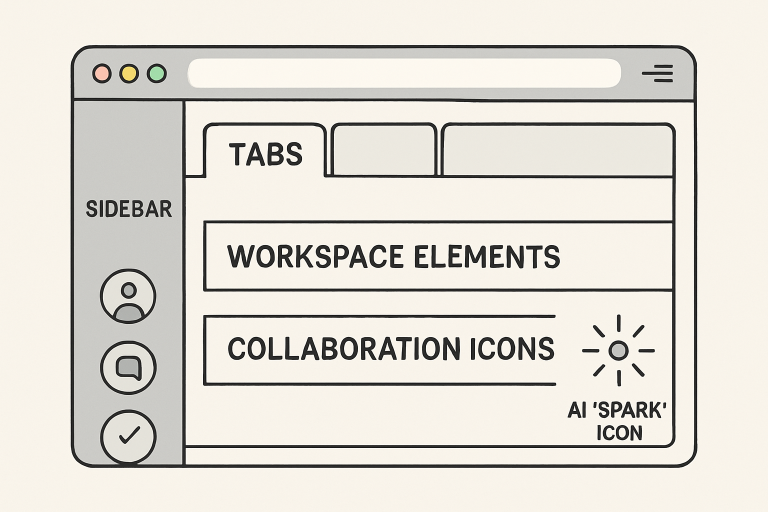
Artificial intelligence is redefining the way we browse. From organizing tabs by context to summarizing articles and prefilling forms, AI-driven browsers anticipate user needs and streamline repetitive tasks. Google Chrome is leading the way by rolling out machine-learning features that optimize tab management and help users better understand the information at their fingertips. These AI integrations enable smoother workflows and reduce cognitive overload, freeing users to focus on the tasks that matter most.
Collaborative Browsing: Enhancing Teamwork
With distributed teams and hybrid work environments now the norm, browsers are supporting new forms of collaboration. Microsoft’s Edge Workspaces allows colleagues to share sets of tabs and resources so everyone has access to the latest updates and reference materials. Through shared browser sessions, teams experience fewer delays and smoother project management. The need for such tools is further emphasized by the continued growth in real-time collaborative platforms.
Security Measures: Safeguarding Your Digital Environment
As browsers become more deeply woven into the fabric of work, security becomes a top priority. IT departments want to ensure that work and personal browsing remain separate to safeguard sensitive data. Chrome Enterprise is pushing the boundaries with advanced security controls and profile management options that help maintain organizational compliance while protecting user data. These new features are critical in an era of remote work and bring-your-own-device policies where digital boundaries are often blurred.
Distraction-Free Interfaces: Boosting Focus and Productivity
Digital distractions remain one of the biggest challenges to workplace productivity. In response, minimalist browsers like Zen Browser offer environments with visual clarity, robust tab management, and workspace isolation. With the rise in remote work and multitasking, having a workspace that minimizes clutter and interruptions directly translates to improved focus, reduced stress, and increased output. By prioritizing intention over impulse, these browsers empower users to reclaim control over their digital environments.
AI-Powered Workspaces: The Next Frontier
The next step in browser evolution is embodied in projects experimenting with intelligent browsers that adapt to user behavior and intent. These experimental browsers go beyond static organization by anticipating user goals, offering dynamic recommendations, and automating complex workflows across web applications. Ultimately, the browser becomes not just a gateway but an active assistant, seamlessly piecing together information and resources across the entire web.
Conclusion
Today’s web browsers are evolving into intelligent, collaborative workspaces that cut across traditional productivity barriers. Whether it is AI-driven automation, advanced security controls, or distraction-free environments, modern browsers reflect the demands of an increasingly digital and remote-first world. Embracing these innovations not only boosts efficiency but also shapes how we navigate and thrive in the digital age.