

DIY projects can be incredibly rewarding. Whether you’re fixing something around the house, building furniture, or tackling renovation tasks, developing your DIY skills can save money and give you a strong sense of accomplishment. While experience plays a big role, there are also practical strategies that can help you improve faster and complete projects with greater confidence and precision.
Start with the Basics
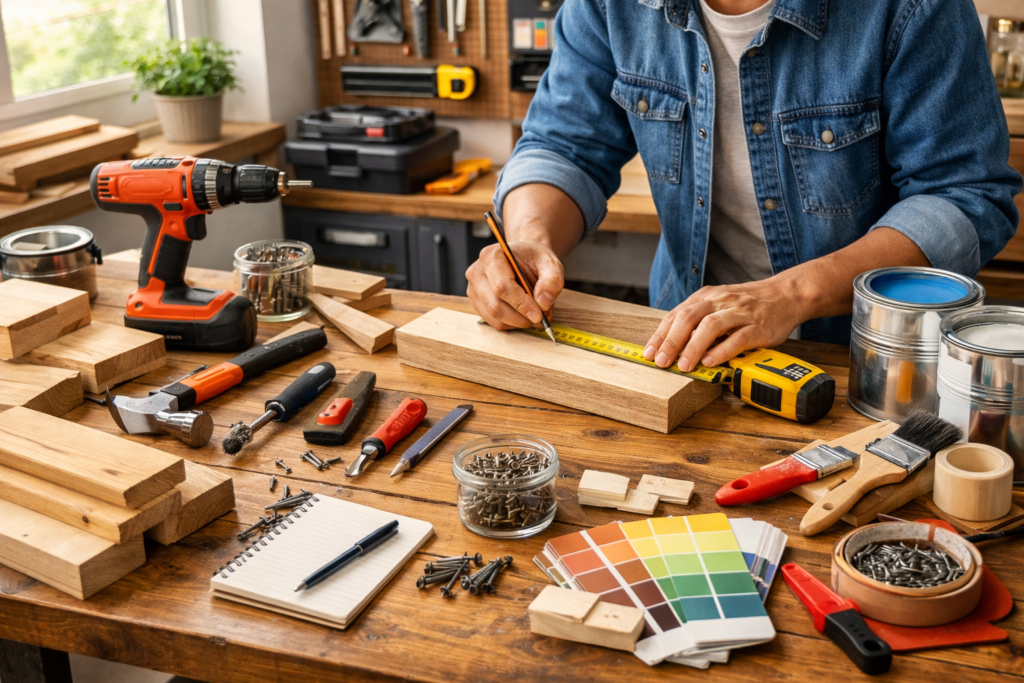
Many DIY enthusiasts jump straight into complex projects, but mastering the basics first is one of the smartest ways to build skill. Understanding how to measure accurately, drill straight holes, cut materials safely, and fasten components correctly will make a huge difference in your results.
Begin with smaller projects such as simple shelving, minor repairs, or basic woodworking. These allow you to practice techniques without feeling overwhelmed. As you gain confidence, you can gradually move on to more advanced builds.
Invest in Quality Tools
The quality of your tools has a direct impact on the quality of your work. While cheaper tools may seem appealing initially, they often wear out faster and may not provide the precision needed for good results.
Investing in durable, reliable tools helps you work more efficiently and safely. High-quality tools also tend to last much longer, making them a better long-term investment. Many DIY enthusiasts choose to upgrade their equipment through specialist suppliers such as Tradefix Direct, where you can find professional-grade tools and equipment suitable for both beginners and experienced DIYers.
Learn from Experienced DIYers
One of the fastest ways to improve your DIY skills is to learn from people who already have experience. Watching tutorials, reading guides, and following step-by-step instructions can expose you to techniques you might not discover on your own.
DIY communities, forums, and instructional videos are excellent resources. They can provide tips on troubleshooting problems, selecting materials, and improving your workflow.
Focus on Safety
Safety should always be a priority when working on DIY projects. Proper protective equipment and safe working habits help prevent accidents and injuries.
Key safety practices include:
- Wearing protective goggles when cutting or drilling
- Using gloves when handling rough materials
- Ensuring tools are properly maintained
- Working in a well-lit and organized space
Being careful and methodical not only protects you but also improves the quality of your work.
Practice Patience
DIY work requires patience. Rushing through tasks often leads to mistakes, uneven cuts, or poorly aligned pieces that can affect the final result of your project. Taking the time to measure carefully, mark materials accurately, and cut with precision can make a noticeable difference in the quality of your work. The familiar advice to “measure twice and cut once” is especially important in DIY, as it helps reduce errors and prevent wasted materials.
Keep Expanding Your Skills
Once you feel comfortable with basic DIY tasks, challenge yourself with new techniques. Try working with different materials, such as metal or tile, or with advanced woodworking joints. Each new skill expands your capabilities and opens the door to more ambitious projects.
Conclusion
Becoming better at DIY takes time, practice, and the right approach. By starting with the basics, planning carefully, investing in quality tools from suppliers, and continuously learning new techniques, anyone can develop the skills needed to tackle a wide range of home projects successfully. Soon, DIY can evolve from a simple hobby into a valuable and highly rewarding skill set.