
Your home is more than a financial asset. It is the environment where your family sleeps, recovers from illness, grows through childhood, and builds lasting memories. Among all the structural elements that make a home safe and functional, the roof stands out as one of the most consequential. A healthy roof regulates indoor temperature, prevents moisture intrusion, and shields every room below it from the elements. Understanding how proactive roof maintenance contributes to a healthier, more comfortable home is something every homeowner deserves to know.
The Connection Between Roof Condition and Indoor Air Quality
Most homeowners think of roofing as a purely structural concern, but the condition of your roof has a direct and measurable impact on the air your family breathes indoors. When a roof develops even minor vulnerabilities, moisture can begin to infiltrate the attic and insulation layers. Over time, this moisture creates ideal conditions for mold and mildew growth. These biological contaminants release spores into the air that circulate throughout the home via the HVAC system, potentially triggering respiratory issues, allergic reactions, and chronic sinus problems.
According to the EPA, indoor air quality is one of the top environmental health concerns for American households, and moisture-related biological growth is among the leading contributors to poor indoor air. Addressing the root cause of that moisture, which frequently originates at the roof level, is one of the most effective steps a homeowner can take to improve the air quality inside their living spaces. Staying ahead of deterioration through timely roof repairs is not just a matter of property maintenance. It is a matter of family health.
Energy Efficiency Starts at the Top
A roof in good condition plays a central role in how efficiently your home manages heat and cold. Roofing materials, underlayment, and attic insulation work together as a thermal system. When any part of that system is compromised, whether through cracked shingles, failing flashing, or deteriorated underlayment, conditioned air escapes and outdoor temperatures seep in. The result is an HVAC system that works harder to maintain comfortable temperatures, leading to higher utility bills and increased mechanical wear.
The benefits of a thermally sound roof compound over time. Homeowners who invest in regular inspections and prompt repairs tend to see lower energy costs year over year. In climates with extreme seasonal temperature swings, this difference can be especially pronounced. Proper ventilation in the attic space, which is closely tied to overall roof integrity, also prevents heat buildup in summer and ice dam formation in winter. Both of these conditions, when left unaddressed, accelerate the aging of roofing materials and increase the likelihood of more extensive damage.
Protecting Structural Integrity Throughout the Home
Water is among the most destructive forces a residential structure can face. When a roof fails to keep moisture out, the damage rarely stays confined to the attic. Water travels along rafters, seeps into wall cavities, saturates insulation, and eventually reaches ceilings, drywall, and flooring. What begins as a small leak can quietly compromise the structural integrity of load-bearing elements over months or years before any visible signs appear inside the living space.
Wood rot is particularly insidious in this regard. Once moisture has penetrated framing members repeatedly, the wood loses its structural strength. This can affect not only the roof deck itself but also the walls and ceilings it connects to. By the time a homeowner notices discoloration on an interior ceiling or feels soft spots in a floor near an exterior wall, the damage has often progressed well beyond a simple fix. Routine inspections and early intervention consistently reduce the scope and cost of repairs, preserving the structural soundness of the entire home.
The Psychological Value of a Home You Trust
There is a dimension of home maintenance that rarely gets discussed in practical terms: the peace of mind that comes from knowing your home is sound. Homeowners who live with a compromised roof often carry a low-grade anxiety about what the next rainstorm might bring. That concern is not irrational. Water intrusion events can be disruptive, expensive, and emotionally draining, especially when they damage personal belongings, displace family members, or require extensive remediation work.
Conversely, a home with a well-maintained roof is a home where the occupants can feel genuinely secure. Children sleep better. Adults focus more readily on work and relationships. The home becomes what it is meant to be: a stable, restorative environment. This psychological dimension of home maintenance is real and worth taking seriously. Investing in the health of your roof is, in a meaningful sense, investing in your own quality of life.
Seasonal Awareness and Proactive Maintenance Habits
Developing a seasonal rhythm around roof maintenance is one of the most practical things a homeowner can do. In the spring, it is worth inspecting for damage caused by winter ice, wind, and freeze-thaw cycles. Summer is an ideal time to address any issues before the fall storm season arrives. Autumn inspections should focus on clearing debris from valleys and gutters, checking flashing around chimneys and skylights, and identifying any shingles that have lifted or lost granule coverage. Before winter sets in, ensuring that attic ventilation is functioning properly can prevent ice dam formation and the moisture problems that accompany it.
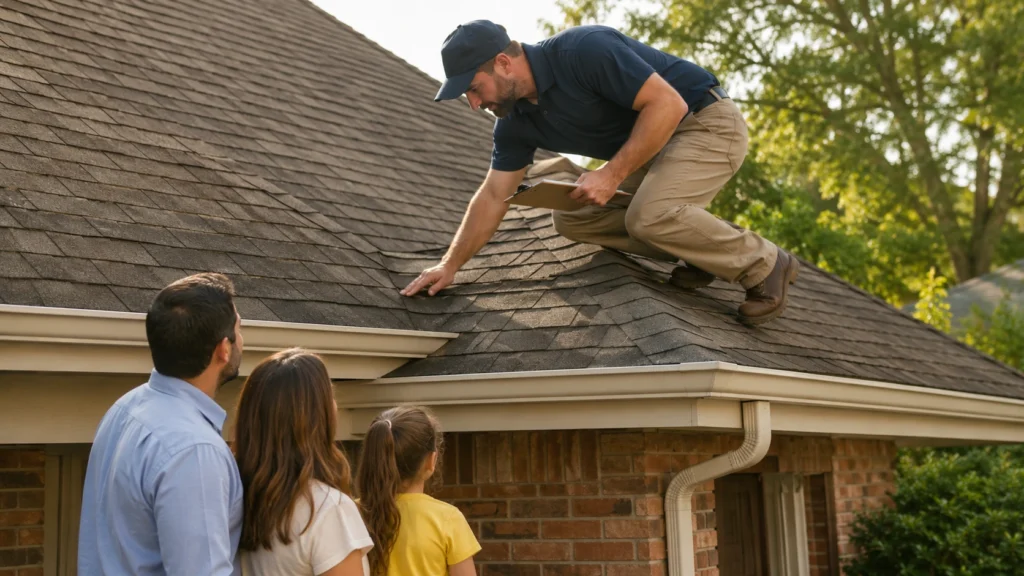
Beyond seasonal checks, homeowners should pay attention to warning signs between formal inspections. Missing or curling shingles, granules accumulating in gutters, water stains on interior ceilings, and visible daylight in the attic are all indicators that professional attention is warranted. Acting quickly when these signs appear is far less costly than waiting until a minor issue becomes a major structural problem.
A well-maintained roof is one of the most reliable investments a homeowner can make in the long-term health, comfort, and value of their property. It protects indoor air quality, supports energy efficiency, preserves structural integrity, and contributes to the overall sense of security that makes a house a true home. The habits and decisions made today about roof care will shape the condition of your home for decades to come. Treat your roof with the attention it deserves, and it will continue to do its most important job: keeping everything and everyone beneath it safe.