
Key Takeaways
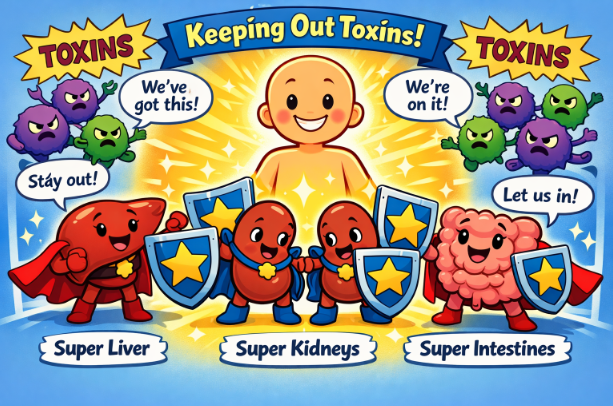
- Detoxification is a natural, continuous process carried out by organs like the liver, kidneys, and intestines.
- The body is highly efficient at eliminating toxins without the need for extreme detox diets or cleanses.
- Supporting detoxification involves healthy habits such as proper hydration, balanced nutrition, and regular exercise.
- The liver plays a central role in breaking down and removing harmful substances from the body.
- Gut health and a balanced microbiome are essential for effective toxin elimination and overall wellness.
- Lifestyle choices, including diet, sleep, and stress management, significantly impact detox efficiency.
- Medically supervised options, such as medical detox in Atlantic City, New Jersey, may be necessary in specific cases involving substance use or toxin exposure.
Understanding Detoxification
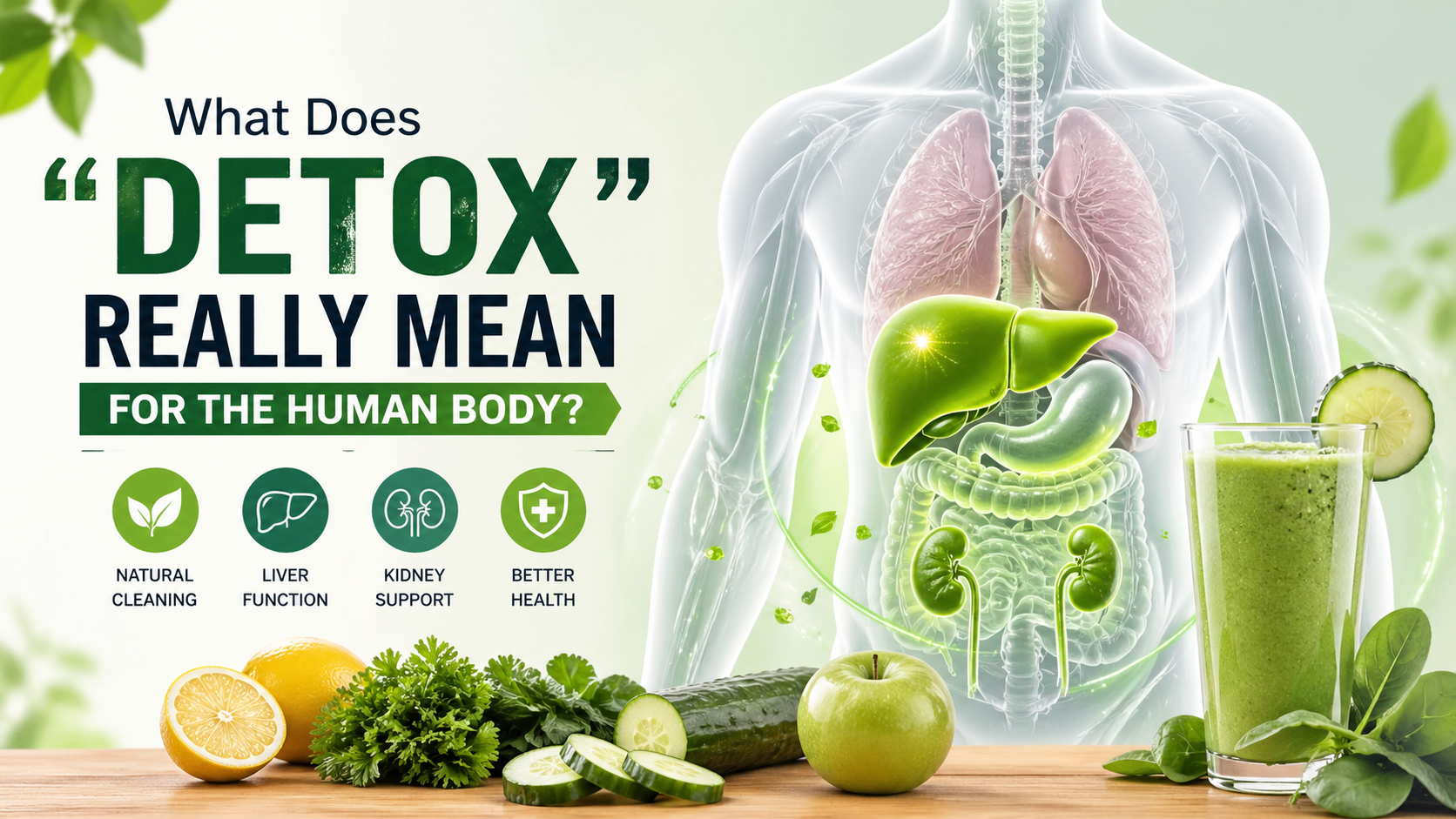
Detoxification, often referred to as “detox,” is a natural, ongoing process in which the body removes or neutralizes toxins through organs such as the liver, kidneys, and intestines. This well-orchestrated system works around the clock to balance internal health and eliminate substances that could be potentially harmful. With the rise in interest surrounding wellness and clean living, people are increasingly curious about how detoxification actually works, and whether practices like medical detox in Atlantic City, New Jersey can complement the body’s natural efforts.
The fascination with detox often leads to misconceptions about what the process entails and whether outside interventions are required. It is important to understand that the body has evolved to be remarkably efficient at filtering out toxins through a variety of biological mechanisms.
The Role of the Liver in Detoxification
The liver is arguably the superstar organ in the detoxification process. It serves as the body’s main chemical processing plant, transforming potentially harmful compounds, such as alcohol, prescription drugs, and environmental pollutants, into less harmful substances that can be eliminated. Specialized liver enzymes break down toxins so they can be excreted through bile, stool, or urine.
A healthy liver is essential for optimal detoxification. Poor nutrition, excessive drinking, and certain medications can reduce the liver’s efficiency. Consuming foods rich in antioxidants, such as berries and leafy greens, and staying hydrated are practical steps to promote liver health. According to the Mayo Clinic, adopting liver-friendly habits contributes to better metabolism and toxin removal over the long term.
Common Misconceptions About Detox Diets
In popular culture, detox diets and cleanses are often portrayed as essential tools for removing harmful substances from the body. Many of these programs involve restrictive eating, juice fasting, or the use of supplements. However, multiple studies have shown that extreme detox regimens are unnecessary for most people and may even be harmful. The body already has sophisticated detoxification mechanisms and does not rely on short-term diets or cleanses for toxin elimination.
The Centers for Disease Control and Prevention explains that the most effective way to support natural detoxification is to eat a nutrient-rich diet high in whole foods, such as vegetables, fruits, and whole grains. Regular physical activity, adequate fiber intake, and sufficient water consumption all play important roles in helping the organs function at their best. Harsh restrictions or unproven supplements, on the other hand, can disrupt the body’s balance and create new health issues.
Supporting Natural Detoxification
There are several lifestyle choices that can optimize your body’s inbuilt detox systems. Staying hydrated helps the kidneys flush waste from the bloodstream and maintain proper fluid balance. Consuming enough dietary fiber from sources such as oats, beans, and whole grains promotes regular bowel movements, which are critical for the excretion of waste products.
Regular exercise not only aids circulation but also allows the lymphatic system to work more effectively in removing cellular debris and unwanted materials. Additionally, minimizing exposure to harmful substances, such as pesticides and industrial chemicals, by choosing organic produce when possible, further alleviates the detoxification burden on your body’s organs.
The Impact of Lifestyle Choices
Every day behaviors profoundly affect the body’s ability to detoxify. Smoking, heavy alcohol use, and frequent consumption of highly processed foods introduce extra toxins and can strain the detoxification organs. In contrast, prioritizing sleep, stress management, and mindful consumption helps these organs operate more efficiently and supports long-term health.
Small, consistent changes—such as replacing sugary drinks with water, eating more plant-based meals, and reducing environmental exposure—can collectively make a big difference in reducing the body’s toxic load and supporting overall wellness.
Detoxification and Gut Health
The connection between gut health and detoxification is growing ever clearer. A balanced gut microbiome helps break down and remove toxins, preventing their reabsorption into the bloodstream. Dietary choices that include probiotics (such as yogurt, kefir, and fermented vegetables) and prebiotics (including garlic, onions, and bananas) foster a healthy environment for beneficial gut bacteria to thrive.
Research from Harvard Health Publishing underscores that maintaining a diverse and balanced microbiome is crucial not just for digestion, but also for immune function and toxin regulation. These microbial communities serve as a frontline defense against harmful substances and help modulate the overall detoxification process.
When to Seek Professional Guidance
While most people can support their body’s natural detoxification with healthy habits, there are situations when professional intervention is necessary. If you’re considering an intensive detox regimen or are worried about exposure to environmental toxins, consult with a healthcare provider. They can assess your unique risks and health status, recommend lab tests, and develop a plan that addresses your individual needs safely and effectively.
For individuals facing substance reliance or symptoms of toxin overload, seeking medically supervised detox services provides a critical layer of safety and support. Professionals can monitor progress, manage withdrawal symptoms, and guide the journey toward better health with expert oversight.
Final Thoughts
Detoxification is an ongoing biological process that the human body manages remarkably well. By adopting healthful lifestyle habits and understanding the science behind detoxification, you can reinforce your body’s natural defenses against harmful substances and maintain optimal vitality.