

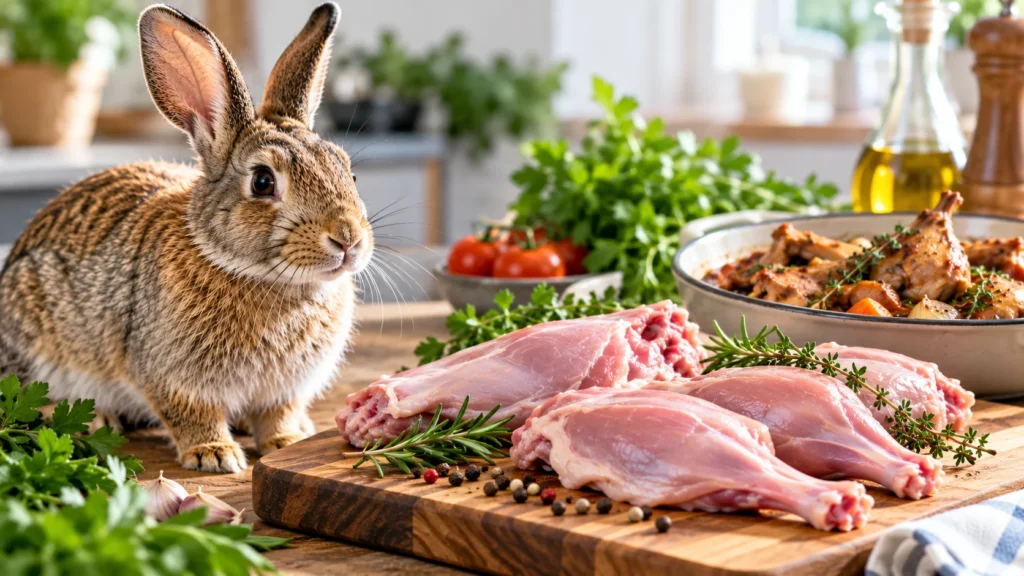
If you have ever wondered what rabbit meat is called, the simplest answer is rabbit meat. Unlike beef, pork, or venison, rabbit meat does not have one universally used special English name. In different countries and cuisines, however, rabbit meat may be described using local names such as lapin in French, coniglio in Italian, and conejo in Spanish.
Rabbit meat is a lean animal protein that has been eaten in many parts of the world for centuries. It is commonly prepared in stews, braises, roasted dishes, casseroles, and other traditional recipes. Its mild flavor and relatively lean texture make it a versatile ingredient.
In this guide, we explain what rabbit meat is called, the culinary names used in different countries, how rabbit meat differs from hare, its nutritional characteristics, common cooking methods, and answers to frequently asked questions.
What Is Rabbit Meat Called?
The meat from a rabbit is generally called rabbit meat or simply rabbit. There is no standard English culinary term equivalent to words such as beef or pork.
In different languages and culinary traditions, rabbit meat has its own names. For example, French cuisine commonly uses the word lapin, Italian uses coniglio, and Spanish uses conejo.
It is important not to confuse rabbit with hare. Rabbits and hares are different animals, although they belong to the same family and their meat can be prepared in similar ways. Therefore, “hare” is not simply another universal name for rabbit meat.
Is Rabbit Meat Called Hare?
No. Rabbit meat and hare meat are not the same thing. Rabbit and hare are different animals with differences in size, habitat, physical characteristics, and culinary use.
Hare meat is generally associated with wild game and can have a stronger, more pronounced flavor. Rabbit meat may come from domestic or wild rabbits and is often described as relatively mild in flavor.
Although the two meats can appear in similar recipes, it is more accurate to call meat from a rabbit rabbit meat and meat from a hare hare meat.
Culinary Names for Rabbit Meat Around the World
Rabbit meat has a long history in European and Mediterranean cooking. The name used for rabbit varies according to the language and culinary tradition.
Rabbit Meat in France
In French, rabbit is commonly called lapin. Rabbit is used in traditional French dishes and may be prepared with mustard, herbs, vegetables, wine, or other flavorful ingredients.
One well-known preparation is lapin à la moutarde, which combines rabbit with mustard-based flavors. Rabbit may also be cooked slowly in stews and braised preparations.
Rabbit Meat in Italy
In Italian, rabbit is called coniglio. It appears in several regional dishes, including preparations made with herbs, olives, tomatoes, garlic, and other Mediterranean ingredients.
Rabbit can also be incorporated into pasta sauces and slow-cooked dishes, where the meat develops a rich flavor while remaining relatively delicate.
Rabbit Meat in Spain
In Spanish, rabbit is known as conejo. It is used in a variety of traditional recipes and can be cooked with garlic, herbs, vegetables, and other regional ingredients.
Rabbit is also associated with several traditional Spanish rice and stew preparations, particularly in regions where rabbit has historically been part of local cuisine.
Rabbit Meat in the United States
In the United States, the meat is generally referred to as rabbit or rabbit meat. Terms such as domestic rabbit or cottontail may be used to describe the animal or particular type of rabbit, but these terms should not be treated as universal names for rabbit meat.
Rabbit Meat in Different Cuisines
Rabbit meat can be prepared in many different ways. Its relatively mild flavor allows it to work well with herbs, spices, vegetables, sauces, and slow-cooking techniques.
French Cuisine
French cooking often uses rabbit in slow-cooked dishes and sauces. Preparations such as rabbit with mustard highlight the meat’s mild flavor while adding richness through herbs, mustard, vegetables, and other ingredients.
Italian Cuisine
Italian recipes use rabbit in regional dishes such as coniglio alla cacciatora. Rabbit may be combined with tomatoes, olives, rosemary, garlic, or other ingredients depending on the region.
Spanish Cuisine
Spanish cuisine includes rabbit in stews, rice dishes, and other traditional preparations. Garlic, herbs, peppers, tomatoes, and olive oil are among the ingredients that can complement rabbit meat.
Asian Cuisine
Rabbit is also eaten in some Asian cuisines, although its popularity and preparation methods vary considerably by country and region. Depending on the culinary tradition, rabbit may be braised, stewed, roasted, stir-fried, or incorporated into spicy dishes.
What Does Rabbit Meat Taste Like?
Rabbit meat is generally described as having a mild, slightly sweet flavor. Many people compare its taste and texture to poultry, although the exact flavor depends on factors such as the rabbit’s age, diet, whether it is wild or domestic, and how it is cooked.
Because rabbit meat is relatively lean, cooking it carefully is important. Slow cooking, braising, stewing, and using flavorful sauces can help produce a tender and enjoyable dish.
Nutritional Value of Rabbit Meat
Rabbit meat is generally considered a lean source of animal protein. Its nutritional composition can vary depending on the cut, preparation method, and whether the meat comes from a domestic or wild rabbit.
Rabbit meat can provide nutrients such as protein, vitamin B12, iron, zinc, and niacin. Because nutrition varies between products and serving sizes, it is best to check the nutritional information for the specific rabbit meat being purchased when exact amounts are important.
How rabbit meat is prepared also affects the nutritional profile of a meal. For example, adding large amounts of oil, butter, cream, or high-sodium sauces can substantially change the overall nutritional content.
Rabbit Meat vs. Other Meats
Rabbit meat is often chosen as an alternative protein source because it is relatively lean and has a mild flavor. Compared with fattier cuts of meat, rabbit can provide a different nutritional and culinary profile.
Compared with chicken, rabbit can have a slightly different texture and flavor while still working well in many poultry-style recipes. Compared with beef and pork, rabbit is generally much less fatty when naturally prepared.
Rabbit is also versatile in the kitchen. It can be roasted, braised, stewed, grilled, or incorporated into sauces and casseroles. Because it is lean, however, overcooking can cause the meat to become dry or tough.
How Is Rabbit Meat Usually Cooked?
Rabbit meat can be prepared using several cooking methods. The best method depends on the cut and whether the meat is young, mature, domestic, or wild.
- Braising: Slow cooking rabbit in liquid can help produce tender meat.
- Stewing: Rabbit works well in hearty stews with vegetables and herbs.
- Roasting: Roasting can work well when the meat is prepared carefully to avoid drying it out.
- Grilling: Smaller or suitable cuts can be grilled with marinades or sauces.
- Slow cooking: Low-and-slow cooking can help tenderize tougher cuts.
Regardless of the cooking method, rabbit meat should be handled and cooked safely. Follow appropriate food-safety practices, including preventing cross-contamination and cooking meat to a safe internal temperature.
Rabbit Meat in the Commercial Food Industry
Commercial rabbit meat may be sold as whole carcasses or as individual cuts, depending on the supplier and market. In some markets, younger rabbits are classified using terms related to their intended culinary use, such as fryer or roaster categories.
Rabbit meat is less widely available than chicken, beef, or pork in many countries. Consumers may find it through specialty butchers, farmers, local producers, food markets, or selected online retailers, depending on local regulations and availability.
Availability and price can vary significantly by location because rabbit farming and consumption are more common in some regions than others.
Ethical and Environmental Considerations
Rabbit meat can also raise ethical, animal-welfare, and environmental questions. Views differ depending on personal values, farming practices, local regulations, and the conditions in which animals are raised.
- Animal welfare: Consumers may consider how rabbits are housed, handled, transported, and slaughtered.
- Farming practices: Production systems vary, so the welfare and environmental characteristics of rabbit farming cannot be assumed to be identical everywhere.
- Environmental impact: Factors such as feed, water use, housing, manure management, transportation, and production methods can influence the environmental footprint.
- Food safety: Like other animal products, rabbit meat needs appropriate handling, storage, and cooking to reduce foodborne illness risks.
For consumers concerned about these issues, learning about the source of the meat and the producer’s farming and processing practices can provide more useful information than relying on general assumptions about all rabbit meat.
Frequently Asked Questions About Rabbit Meat
What do you call the meat of a rabbit?
The meat of a rabbit is commonly called rabbit meat or simply rabbit. There is no universally accepted special English meat name comparable to beef or pork.
What is the proper name for rabbit meat?
The standard English term is rabbit meat. In other languages, the culinary name varies, such as lapin in French, coniglio in Italian, and conejo in Spanish.
Is rabbit meat called hare?
No. Rabbit and hare are different animals. Meat from a rabbit is called rabbit meat, while meat from a hare is called hare meat.
Is rabbit meat the same as chicken?
No. Rabbit and chicken are different meats, although rabbit is sometimes compared with poultry because of its relatively mild flavor and lean texture. Rabbit can also be prepared using many cooking methods commonly used for poultry.
What does rabbit meat taste like?
Rabbit meat generally has a mild, slightly sweet flavor and a relatively lean texture. The exact taste can vary depending on the rabbit, cut, and cooking method.
Is rabbit meat healthy?
Rabbit meat can be part of a balanced diet and is generally a lean source of protein. It can also provide nutrients such as vitamin B12, iron, zinc, and niacin. Its overall nutritional value depends on the serving size and preparation method.
How is rabbit meat usually cooked?
Rabbit can be braised, stewed, roasted, grilled, or slow-cooked. Because rabbit is relatively lean, gentle cooking methods can help prevent the meat from becoming dry.
Why is rabbit meat not as common as chicken or beef?
Rabbit consumption varies considerably by country and culture. In some regions it is a traditional food, while in others it is less common. Availability, consumer preferences, farming practices, and local food traditions all influence how widely rabbit meat is sold and consumed.
Final Thoughts on What Rabbit Meat Is Called
So, what is rabbit meat called? In English, the most accurate and commonly understood term is simply rabbit meat or rabbit. Other languages and culinary traditions use their own names, including lapin, coniglio, and conejo.
It is also important to remember that rabbit and hare are different animals, so “hare” should not be used as a general name for rabbit meat. Rabbit is a versatile protein that appears in many traditional cuisines and can be prepared in a variety of ways.
If you are interested in trying rabbit meat, consider learning about its source, choosing an appropriate cooking method, and following safe food-handling practices. This can help you make a more informed choice about this less-common but historically important meat.