Hedgehogs are adorable and fascinating creatures that are popular pets among many animal lovers. As omnivores, they have a varied diet that includes insects, fruits, and vegetables. One question that often comes up among hedgehog owners is whether or not their pets can safely eat watermelon.

The short answer is yes, hedgehogs can eat watermelon. In fact, watermelon is a healthy and nutritious treat that can provide a variety of benefits for your pet. However, there are some important things to keep in mind when feeding watermelon to your hedgehog, including how much to give them and how to prepare it.
When it comes to feeding watermelon to your hedgehog, moderation is key. While watermelon is a healthy treat, it should not make up a significant portion of your pet’s diet. Additionally, you should always remove the seeds and rind before giving your hedgehog any watermelon to prevent choking hazards. With these precautions in mind, you can safely give your hedgehog a tasty and nutritious snack that they are sure to love.
Understanding Hedgehogs’ Dietary Needs

As responsible pet owners, it is important to understand the dietary needs of hedgehogs to ensure that they are receiving proper nutrition. Hedgehogs are omnivores, which means that they eat both plants and animals. In the wild, they eat insects, worms, snails, and other small creatures, as well as fruits, vegetables, and berries.
When it comes to feeding hedgehogs, it is important to provide a balanced diet that includes both protein and fiber. A diet that is too high in protein can lead to health problems such as obesity and liver disease, while a diet that is too high in fiber can lead to digestive issues.
Some common foods that can be included in a hedgehog’s diet include:
- Insects (mealworms, crickets, and waxworms)
- Cooked chicken or turkey
- Hard-boiled eggs
- Fruits (such as apples, bananas, and berries)
- Vegetables (such as carrots, peas, and spinach)
It is important to note that while hedgehogs can eat fruits, they should be given in moderation due to their high sugar content. Watermelon is a fruit that hedgehogs can eat, but it should be given in small amounts as a treat rather than a regular part of their diet.
In addition to providing a balanced diet, it is important to ensure that hedgehogs have access to clean, fresh water at all times. Water can be provided in a bowl or a water bottle, but it should be changed regularly to prevent bacteria growth.
By understanding the dietary needs of hedgehogs and providing them with a balanced diet, we can help to ensure that they live happy and healthy lives.
Watermelon: Nutritional Content
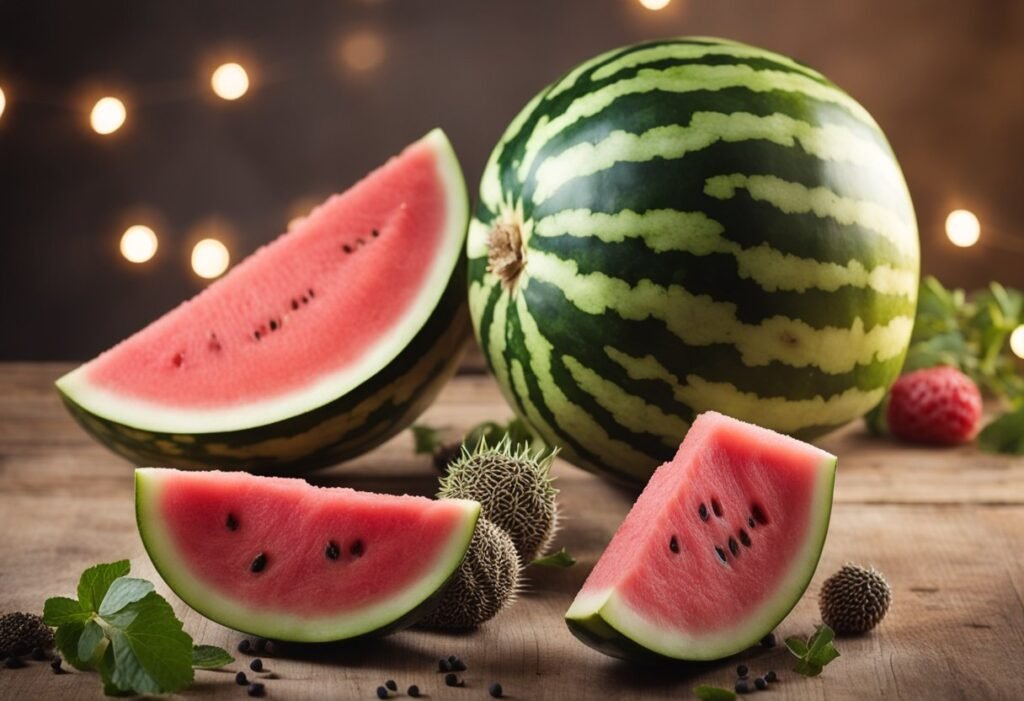
Watermelon is a refreshing and juicy fruit that is enjoyed by many. It is low in calories and high in nutrients, making it a great addition to any diet. Here are some of the nutritional benefits of watermelon:
- Vitamins and Minerals: Watermelon is rich in vitamins A and C, both of which are important for maintaining healthy skin, hair, and eyes. It also contains potassium, which helps regulate blood pressure and supports the function of muscles and nerves.
- Hydration: Watermelon is over 90% water, making it an excellent way to stay hydrated. This can be especially important during hot summer months or after exercise.
- Antioxidants: Watermelon contains antioxidants such as lycopene, which may help protect against certain types of cancer and heart disease.
- Low in Calories: Watermelon is a low-calorie fruit, making it an excellent choice for those who are watching their weight.
Overall, watermelon is a nutritious and delicious fruit that can be enjoyed in many different ways. Whether you eat it on its own or use it as a base for a refreshing summer drink, watermelon is a great addition to any diet.
Can Hedgehogs Eat Watermelon?

Watermelon is a delicious and refreshing fruit that many of us enjoy during the summer months. But can hedgehogs eat watermelon? The short answer is yes, hedgehogs can eat watermelon in moderation.
Watermelon is a great source of hydration for hedgehogs, as it is mostly made up of water. It also contains essential vitamins such as vitamin C and vitamin A, as well as minerals like potassium.
However, it’s important to note that hedgehogs should only be given watermelon as an occasional treat and not as a regular part of their diet. Too much watermelon can cause digestive issues and diarrhea in hedgehogs.
When feeding watermelon to your hedgehog, it’s important to remove the seeds and rind. The seeds can be a choking hazard and the rind is tough and difficult to digest. Cut the watermelon into small pieces and offer it to your hedgehog as a treat.
In summary, hedgehogs can eat watermelon in moderation as a treat. Make sure to remove the seeds and rind and only offer it occasionally to prevent digestive issues.
Health Benefits of Watermelon for Hedgehogs

Watermelon is a refreshing and tasty fruit that can be a healthy addition to a hedgehog’s diet. Here are some of the health benefits of watermelon for hedgehogs:
- Hydration: Watermelon is mostly made up of water, which makes it a great way to help keep your hedgehog hydrated. This is especially important during hot summer months when hedgehogs can easily become dehydrated.
- Vitamins and Minerals: Watermelon is a good source of vitamins A and C, as well as potassium and magnesium. These vitamins and minerals are essential for a hedgehog’s overall health and can help boost their immune system.
- Antioxidants: Watermelon contains antioxidants such as lycopene and beta-carotene. These antioxidants can help protect your hedgehog’s cells from damage caused by free radicals.
- Digestive Health: Watermelon contains fiber, which can help promote healthy digestion in hedgehogs. This can help prevent digestive issues such as constipation.
It’s important to note that while watermelon can be a healthy addition to a hedgehog’s diet, it should be given in moderation. Too much watermelon can cause digestive upset and diarrhea. Additionally, hedgehogs should not be given the seeds or rind of the watermelon as they can be difficult to digest and may cause choking.
Potential Risks of Feeding Watermelon to Hedgehogs

As with any food, there are potential risks associated with feeding watermelon to hedgehogs. While watermelon is generally safe for hedgehogs to eat in moderation, there are a few things to keep in mind.
Firstly, watermelon is high in sugar, which can lead to weight gain and other health issues if consumed in excess. Hedgehogs are prone to obesity, so it’s important to monitor their intake of sugary foods like watermelon.
Secondly, watermelon contains a lot of water, which can cause diarrhea if consumed in large quantities. This can lead to dehydration and other health problems, so it’s important to offer watermelon in moderation and monitor your hedgehog’s bowel movements.
Lastly, the seeds and rind of the watermelon can be difficult for hedgehogs to digest and may cause gastrointestinal upset. It’s best to remove the seeds and rind before offering watermelon to your hedgehog.
Overall, watermelon can be a tasty and nutritious treat for hedgehogs when offered in moderation and without seeds or rind. As with any new food, it’s important to introduce watermelon slowly and monitor your hedgehog’s reaction. If you notice any signs of digestive upset or other health issues, discontinue feeding watermelon and consult with your veterinarian.
How to Safely Feed Watermelon to Hedgehogs
We all love to treat our pets to some fruits and vegetables every once in a while, and hedgehogs are no exception. Watermelon is a tasty and nutritious fruit that can be a great addition to your hedgehog’s diet. However, it’s important to know how to safely feed watermelon to your hedgehog to avoid any potential health risks.
First, make sure to only feed your hedgehog fresh watermelon. Avoid giving them any canned or preserved watermelon, as these may contain added sugars or preservatives that can be harmful to your pet.
When preparing the watermelon, remove the rind and seeds, as these can be difficult for hedgehogs to digest and may cause intestinal blockages. Cut the flesh into small, bite-sized pieces that your hedgehog can easily eat.
It’s also important to remember that watermelon should only be given to your hedgehog in moderation. While it’s a healthy treat, too much can cause digestive issues or lead to obesity. A good rule of thumb is to only give your hedgehog a small piece of watermelon once or twice a week.
In summary, watermelon can be a tasty and nutritious treat for your hedgehog, as long as it’s prepared and given in moderation. Remember to only give your hedgehog fresh watermelon, remove the rind and seeds, and limit their intake to prevent any potential health risks.
Alternatives to Watermelon in a Hedgehog’s Diet
While watermelon can be a tasty treat for your hedgehog, it should not make up a significant portion of their diet. Here are some alternative foods that you can include in your hedgehog’s diet:
Fruits
Fruits are a great source of vitamins and minerals for your hedgehog. Some safe options include:
- Apples (without seeds)
- Bananas
- Blueberries
- Mangoes
- Papayas
- Pears (without seeds)
- Raspberries
- Strawberries
Make sure to remove any seeds or pits from the fruit before giving it to your hedgehog.
Vegetables
Vegetables are also an important part of your hedgehog’s diet. Here are some safe options:
- Carrots
- Cucumbers
- Green beans
- Peas
- Squash
- Sweet potatoes
- Zucchini
Make sure to wash the vegetables thoroughly before giving them to your hedgehog.
Protein
Protein is essential for your hedgehog’s health. Here are some safe options:
- Cooked chicken (no bones)
- Cooked eggs
- Mealworms
- Crickets
- Boiled shrimp
Make sure to only give your hedgehog cooked protein and avoid any seasoning or sauces.
Remember to always introduce new foods to your hedgehog’s diet gradually and in small amounts to avoid any digestive issues.
Conclusion
In conclusion, hedgehogs can eat watermelon in moderation. Watermelon is a safe and healthy fruit for hedgehogs to consume, as it contains high levels of vitamins and minerals that are beneficial to their health. However, it should be noted that excessive consumption of watermelon can lead to digestive issues and diarrhea in hedgehogs.
When feeding watermelon to hedgehogs, it is important to remove the seeds and rind, as they can be difficult for hedgehogs to digest and may cause choking hazards. It is also recommended to cut the watermelon into small, bite-sized pieces to make it easier for hedgehogs to eat.
Overall, while watermelon can be a tasty treat for hedgehogs, it should not be a staple in their diet. A balanced diet consisting of high-quality hedgehog food and occasional treats like watermelon can help keep hedgehogs healthy and happy.
Frequently Asked Questions
What fruits and vegetables are safe for hedgehogs to eat?
Hedgehogs are omnivores and can eat a variety of fruits and vegetables. Some safe options include blueberries, strawberries, raspberries, carrots, sweet potato, and green beans. It’s important to note that fruits and vegetables should not make up the majority of a hedgehog’s diet, as they require a high-protein, low-fat diet.
Are grapes safe for hedgehogs to eat?
Grapes are not recommended for hedgehogs, as they can cause kidney failure in some cases. It’s best to avoid feeding grapes to your hedgehog.
Can hedgehogs safely eat Cantaloupe?
Cantaloupe is safe for hedgehogs to eat in moderation. It’s a good source of vitamin C and fiber, but should not make up the majority of their diet.
Is pineapple safe for hedgehogs to eat?
Pineapple is safe for hedgehogs to eat in small amounts. It’s important to remove the tough outer skin and core before feeding it to your hedgehog.
Can hedgehogs eat bananas?
Bananas are safe for hedgehogs to eat in moderation. They are a good source of potassium and fiber, but should not make up the majority of their diet.
Are apples safe for hedgehogs to eat?
Apples are safe for hedgehogs to eat in small amounts. It’s important to remove the seeds and core before feeding them to your hedgehog. Apples are a good source of vitamin C and fiber.