Hamsters are adorable and popular pets that require a balanced diet to maintain their health. As omnivores, they can eat a variety of foods, including fruits and vegetables. Tomatoes are a common household vegetable that many people enjoy, but can hamsters eat tomatoes as well?
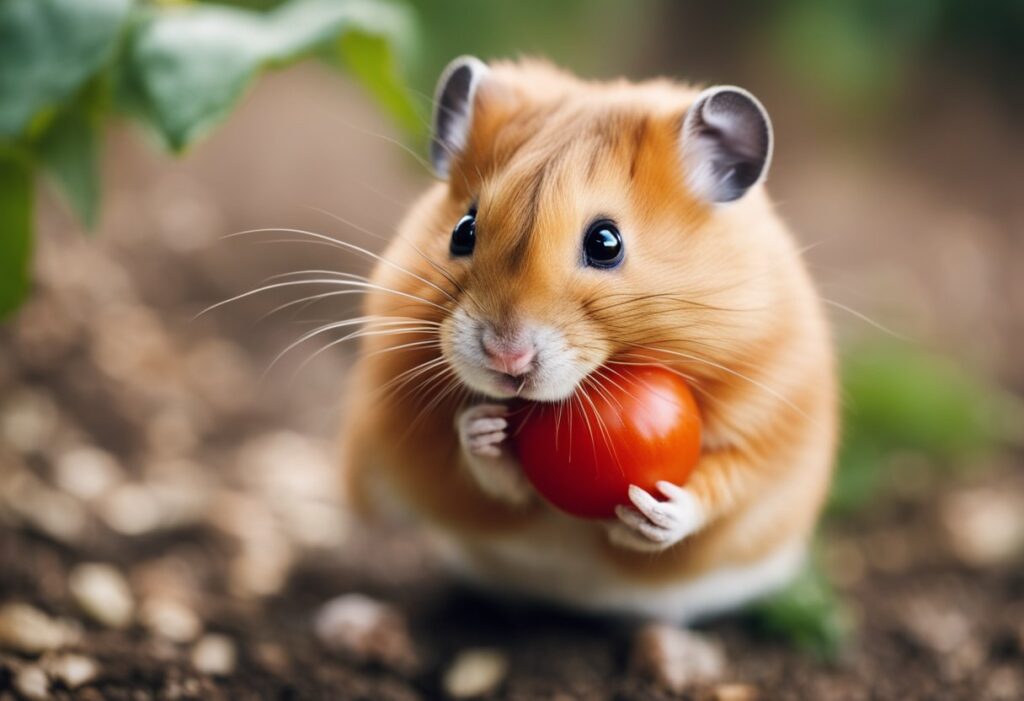
The short answer is yes, hamsters can eat tomatoes. Tomatoes are a rich source of vitamins A and C, potassium, and fiber, which are all essential for a hamster’s overall health. However, it is important to note that tomatoes should be given to hamsters in moderation and as part of a balanced diet. Overfeeding tomatoes or any other food can lead to health problems such as obesity and digestive issues.
Before feeding tomatoes to a hamster, it is important to properly prepare them. The skin and seeds of the tomato should be removed, as they can be difficult for hamsters to digest. Additionally, tomatoes should be washed thoroughly to remove any pesticides or chemicals that may be present. By following these guidelines, hamsters can safely enjoy the benefits of tomatoes as part of their diet.
Can Hamsters Eat Tomatoes
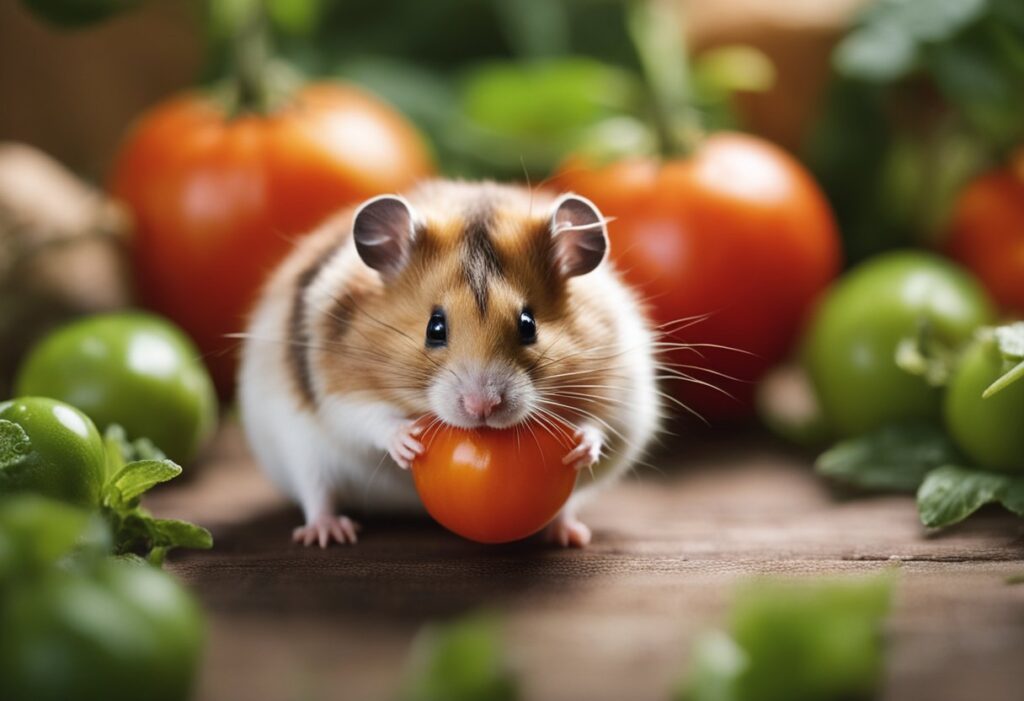
Tomatoes are a common fruit that many people enjoy eating. However, when it comes to feeding tomatoes to hamsters, there are some things to consider.
Firstly, it is important to note that tomatoes contain a high amount of water and sugar. While hamsters can tolerate small amounts of sugar, too much can lead to health problems such as obesity and diabetes. Therefore, it is recommended to only give small pieces of tomato as an occasional treat.
Additionally, the tomato plant itself contains a toxic substance called solanine, which can be harmful to hamsters if ingested in large amounts. However, the solanine concentration in tomato fruit is very low and is not likely to cause harm to hamsters when fed in moderation.
It is also important to ensure that the tomato is fresh and free of any pesticides or chemicals. Organic tomatoes are a good option for feeding to hamsters as they are grown without the use of harmful chemicals.
In summary, hamsters can eat tomatoes in moderation as an occasional treat. It is important to give only small pieces and ensure that the tomato is fresh and free of any harmful chemicals.
Nutritional Benefits of Tomatoes for Hamsters
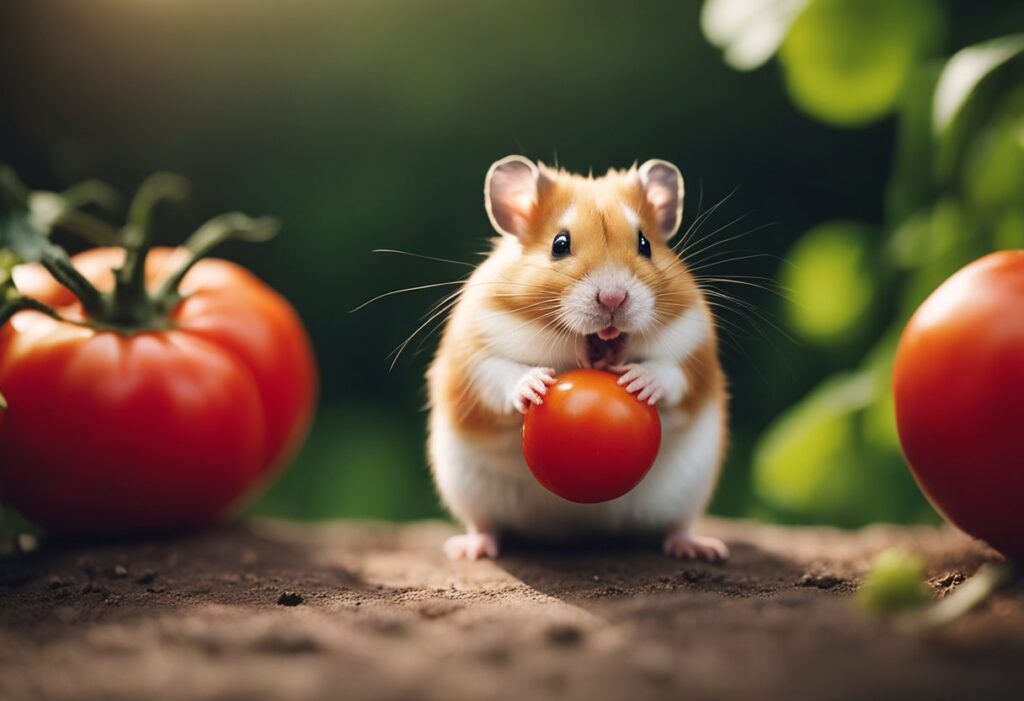
Tomatoes are a great source of vitamins and minerals for hamsters. They are low in calories and contain high levels of essential nutrients that can help support a hamster’s overall health.
One of the key nutrients found in tomatoes is vitamin C. This vitamin is essential for the health of a hamster’s immune system and can help prevent illnesses and diseases. Tomatoes also contain vitamin A, which is important for maintaining healthy skin and eyes.
In addition to vitamins, tomatoes also contain minerals such as potassium and calcium. These minerals are important for maintaining healthy bones and muscles in hamsters. Potassium is also important for regulating fluid balance in the body, which can help prevent dehydration.
It is important to note that while tomatoes can provide nutritional benefits to hamsters, they should only be given in moderation. Too much tomato can lead to digestive issues and diarrhea in hamsters. It is recommended to give hamsters small amounts of tomato as a treat, rather than as a regular part of their diet.
Overall, tomatoes can be a healthy addition to a hamster’s diet when given in moderation. They provide essential vitamins and minerals that can help support a hamster’s overall health and well-being.
Potential Risks of Feeding Tomatoes to Hamsters
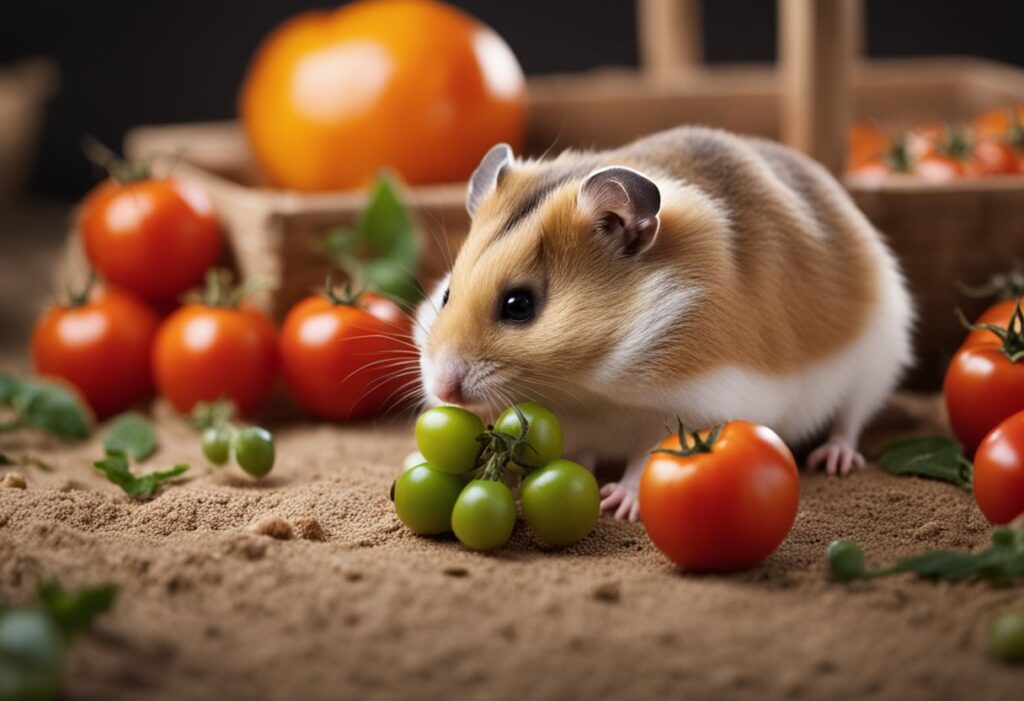
While tomatoes are a safe and healthy food for humans, they may not be suitable for hamsters. Here are some potential risks to consider before feeding your hamster tomatoes:
- Acidity: Tomatoes are highly acidic, which can cause digestive problems in hamsters. The acidity can irritate their stomach lining, leading to diarrhea, vomiting, and other digestive issues.
- Lycopene: Tomatoes contain lycopene, a compound that gives them their red color. While lycopene is beneficial for humans, it can be toxic to hamsters in large amounts. Overconsumption of lycopene can cause oxidative stress, leading to cell damage and other health problems.
- Solanine: Tomatoes belong to the nightshade family, which contains solanine, a toxic compound. While the solanine levels in tomatoes are low, they can still be harmful to hamsters, especially if they consume large amounts.
Overall, while tomatoes may be a tasty treat for hamsters, they should be given in moderation and only as an occasional treat. It’s important to monitor your hamster’s reaction to tomatoes and stop feeding them if you notice any signs of digestive distress or other health problems.
How to Safely Introduce Tomatoes to a Hamster’s Diet
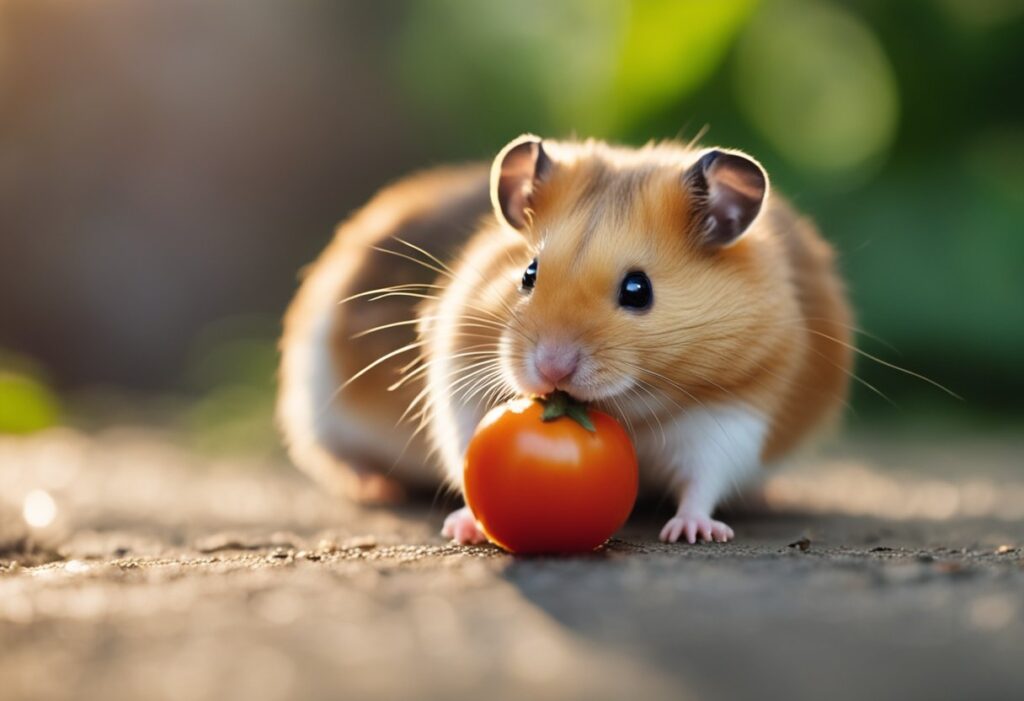
Hamsters can eat tomatoes, but it is important to introduce them to the diet slowly and safely. Here are some tips on how to do it:
- Start with small amounts: Hamsters have sensitive digestive systems, and sudden changes in their diet can cause stomach upset. Begin by offering a small piece of tomato, about the size of a pea, and observe the hamster’s reaction.
- Monitor for any adverse reactions: After the hamster eats the tomato, watch for any signs of discomfort or illness. If the hamster seems fine, gradually increase the amount of tomato offered over several days.
- Remove any uneaten tomato: Hamsters are known to hoard food in their cages, which can lead to spoilage and potential health problems. Check the cage regularly and remove any uneaten tomato to prevent this.
- Use fresh, ripe tomatoes: Only offer fresh, ripe tomatoes to hamsters. Unripe or spoiled tomatoes can cause digestive issues and should be avoided.
- Consider the hamster’s overall diet: Tomatoes should only be offered as a treat and should not make up a significant portion of a hamster’s diet. Ensure that the hamster is receiving a balanced diet that includes a variety of fruits, vegetables, and high-quality hamster food.
By following these guidelines, hamster owners can safely introduce tomatoes into their pet’s diet and provide them with a healthy and varied diet.
Appropriate Serving Sizes and Frequency
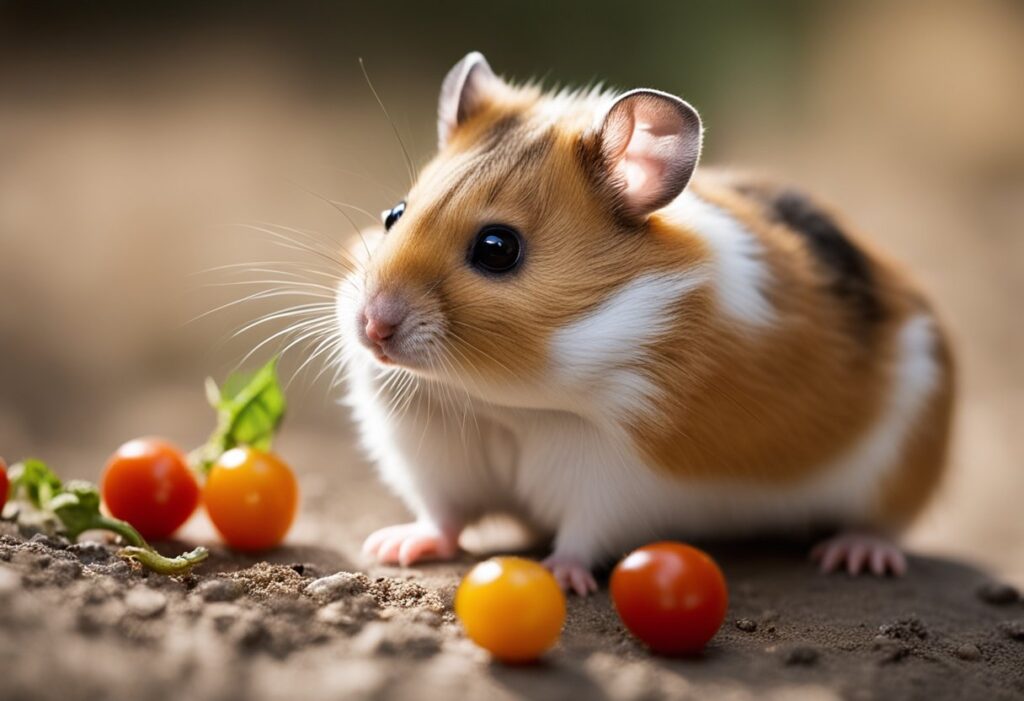
When it comes to feeding tomatoes to hamsters, it is important to keep in mind the appropriate serving sizes and frequency. While tomatoes can be a healthy addition to a hamster’s diet, overfeeding can lead to digestive issues and other health problems.
A good rule of thumb is to offer a small piece of tomato as a treat once or twice a week. One cherry tomato or a slice of a larger tomato is enough for a single serving. It is important to note that tomatoes should not be the main component of a hamster’s diet, but rather an occasional treat.
It is also important to ensure that the tomato is ripe and fresh. Overripe or spoiled tomatoes can cause gastrointestinal issues and should be avoided. It is recommended to wash the tomato thoroughly before offering it to the hamster to remove any potential pesticides or dirt.
In addition to serving size and frequency, it is important to monitor the hamster’s reaction to tomatoes. If the hamster experiences any digestive issues or other health problems after consuming tomatoes, it is best to avoid offering them in the future.
Overall, while tomatoes can be a healthy addition to a hamster’s diet in moderation, it is important to keep in mind the appropriate serving sizes, frequency, and the hamster’s individual reaction to the food.
Types of Tomatoes and Their Suitability
Tomatoes come in different varieties, and some are more suitable for hamsters than others. Here are some of the types of tomatoes and their suitability for hamsters:
Cherry Tomatoes
Cherry tomatoes are small and sweet, making them a favorite for many hamsters. They are also easy to find in grocery stores and are often used as a treat for hamsters. However, it is important to note that cherry tomatoes should be given in moderation as they contain high amounts of sugar.
Roma Tomatoes
Roma tomatoes are larger than cherry tomatoes and have a firmer texture. They are less sweet than cherry tomatoes and are a good source of vitamin C. Hamsters can eat Roma tomatoes, but they should be given in small amounts as they contain more acidity than other tomato varieties.
Beefsteak Tomatoes
Beefsteak tomatoes are the largest type of tomato and have a meaty texture. They are not as sweet as cherry tomatoes and are a good source of vitamins A and C. Hamsters can eat beefsteak tomatoes, but they should be given in moderation as they are more acidic than other tomato varieties.
Green Tomatoes
Green tomatoes are unripe tomatoes and are not suitable for hamsters. They contain solanine, which is toxic to hamsters and can cause digestive problems.
In summary, hamsters can eat some varieties of tomatoes, but they should be given in moderation and in small amounts. It is important to avoid giving hamsters green tomatoes as they are toxic.
Alternatives to Tomatoes for Hamsters
While tomatoes are safe for hamsters to eat in moderation, some hamsters may not enjoy the taste or texture of tomatoes. Fortunately, there are plenty of other fruits and vegetables that hamsters can eat as a healthy snack.
One alternative to tomatoes that hamsters may enjoy is cucumber. Cucumbers are low in calories and high in water content, which can help keep your hamster hydrated. They also contain vitamins C and K, which can boost your hamster’s immune system and promote healthy bone growth.
Another option is bell peppers. Bell peppers come in a variety of colors and are a good source of vitamin C, which can help prevent scurvy in hamsters. They also contain vitamin A, which can promote healthy eyesight and skin.
If your hamster is looking for something sweet, you can try feeding them small amounts of fresh fruit, such as strawberries or blueberries. These fruits are high in antioxidants and can help protect your hamster’s cells from damage.
It’s important to remember that any new food should be introduced slowly and in small quantities to prevent digestive upset. Always consult with a veterinarian before making any significant changes to your hamster’s diet.
Frequently Asked Questions
Are tomatoes a safe food choice for hamsters?
Yes, tomatoes are generally safe for hamsters to eat. However, it is important to note that tomatoes should only be given to hamsters in moderation as they are high in acidity and can cause digestive issues if consumed in large quantities.
Can feeding tomato seeds to hamsters cause health issues?
Yes, tomato seeds can cause health issues for hamsters if consumed in large quantities. Tomato seeds contain a natural toxin called solanine which can be harmful to hamsters if ingested in large amounts. It is recommended to remove all seeds before giving tomatoes to hamsters.
What are the risks of giving tomato sauce to hamsters?
Tomato sauce is not recommended for hamsters as it often contains added sugars, salt, and other additives that can be harmful to their health. Additionally, the high acidity of tomato sauce can cause digestive issues for hamsters.
Which vegetables are harmful to hamsters?
Some vegetables that are harmful to hamsters include onions, garlic, potatoes, and rhubarb. These vegetables contain compounds that can be toxic to hamsters and should be avoided.
What human foods are considered safe for hamsters to consume?
Some human foods that are considered safe for hamsters to consume include small amounts of cooked chicken, boiled eggs, plain cooked pasta, and small amounts of fruits and vegetables such as apples, carrots, and cucumbers.
Are there any fruits that hamsters should avoid?
Some fruits that should be avoided or given in moderation to hamsters include citrus fruits, grapes, and dried fruits. These fruits can be high in sugar and acidity, which can cause digestive issues for hamsters if consumed in large quantities.