Leopard geckos are fascinating creatures that make great pets for reptile enthusiasts. As with any pet, it’s important to ensure that they are getting the proper nutrition to maintain their health and wellbeing. One question that often arises is whether leopard geckos can eat moss as part of their diet.
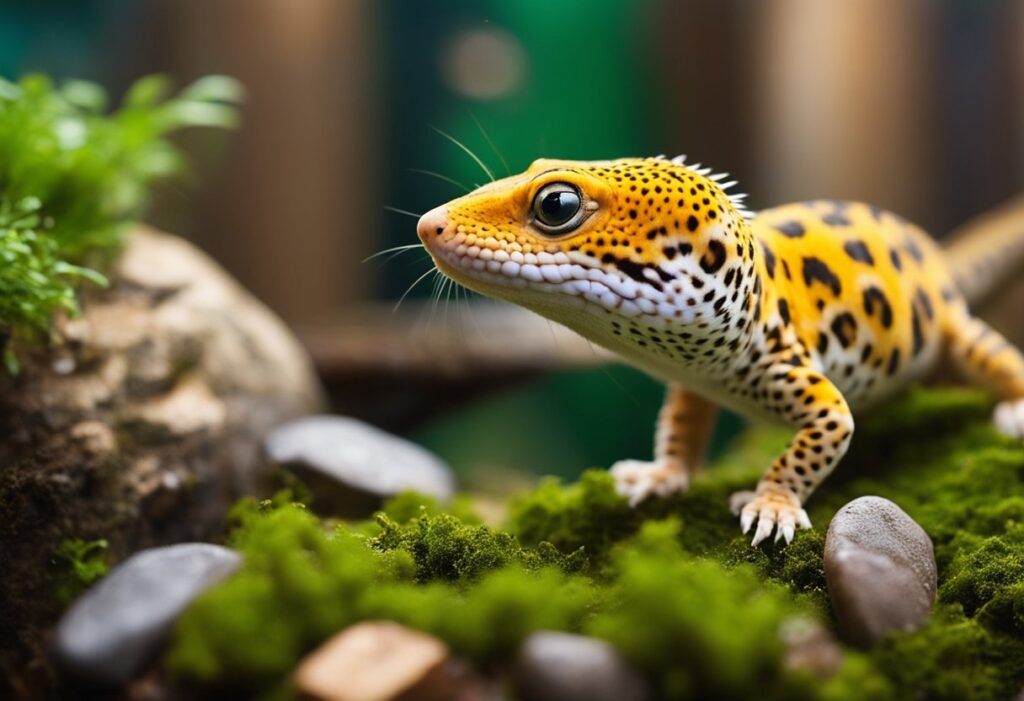
Moss is a common substrate used in leopard gecko enclosures, but can it also be used as a food source? The short answer is no, leopard geckos should not be fed moss. While some species of geckos may eat small amounts of moss in the wild, leopard geckos are not one of them. In fact, feeding your leopard gecko moss can lead to digestive issues and even blockages in their intestines.
Can Leopard Geckos Eat Moss
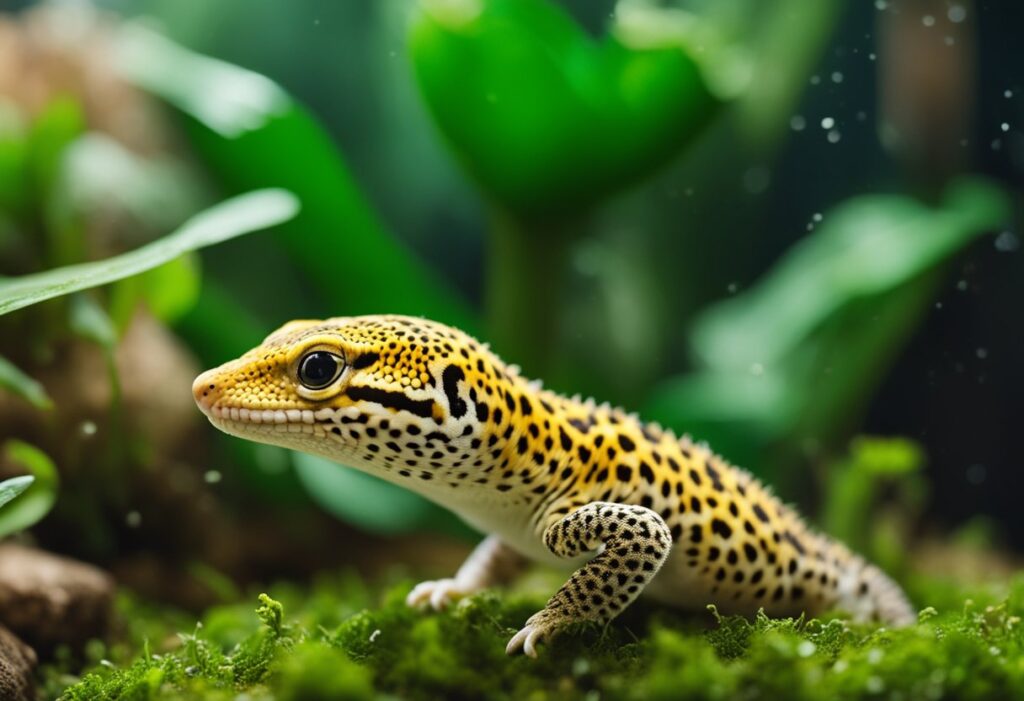
Leopard geckos are insectivorous reptiles that require a balanced diet to maintain good health. While they primarily feed on insects, some owners may wonder if they can also eat moss.
Moss is a type of plant that grows in damp environments and is often used in reptile habitats for its aesthetic appeal and ability to retain moisture. However, it is not a suitable food source for leopard geckos.
Leopard geckos require a diet that is high in protein and low in fat. Moss, on the other hand, is low in protein and high in fiber. It does not provide the necessary nutrients that leopard geckos need to thrive.
In addition, moss can be difficult to digest and may cause digestive problems such as impaction if ingested in large quantities. This can lead to serious health issues and even death in some cases.
Therefore, it is not recommended to feed moss to leopard geckos. Instead, they should be provided with a diet of appropriately sized insects such as crickets, mealworms, and dubia roaches, along with a calcium supplement to ensure proper bone health.
Overall, while moss may seem like a harmless addition to a leopard gecko’s habitat, it should not be considered as a food source. Providing a balanced diet and proper husbandry practices is essential for the health and well-being of these beloved pets.
Leopard Gecko Dietary Basics

Natural Diet
Leopard geckos are insectivores, which means they eat insects in the wild. Their natural diet consists of crickets, mealworms, waxworms, and other small insects. They also consume small lizards, spiders, and scorpions.
Captive Diet Needs
In captivity, leopard geckos need a balanced diet that provides them with essential nutrients. Their diet should consist of a variety of insects, such as crickets, mealworms, and dubia roaches. It is important to dust their food with calcium and vitamin D3 supplements to prevent metabolic bone disease.
Leopard geckos should not be fed fruits, vegetables, or plants. These foods do not provide the necessary nutrients required for their overall health and can cause digestive problems.
Moss is not a suitable food for leopard geckos. It does not provide any nutritional value and can cause impaction if ingested. It is important to provide a clean and dry substrate, such as paper towels or reptile carpet, for them to walk on and to prevent any accidental ingestion of foreign objects.
Overall, providing a balanced and appropriate diet for leopard geckos is crucial for their health and well-being.
Understanding Moss
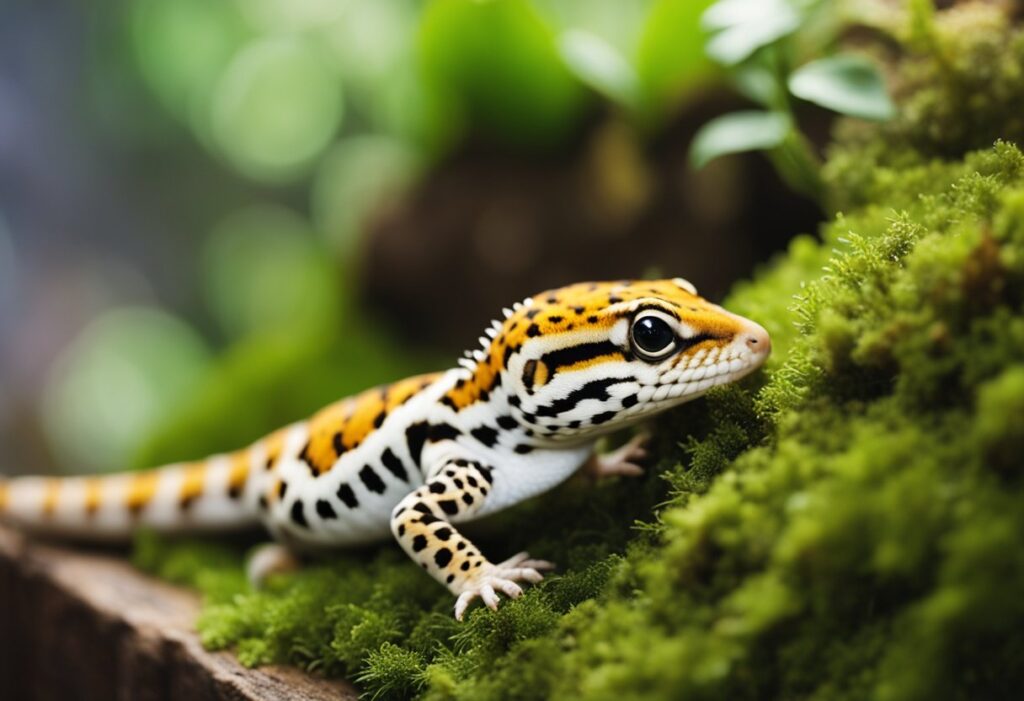
Moss is a type of plant that grows in damp and shady areas. It is a non-vascular plant, meaning it does not have roots, stems, or leaves like other plants. Instead, it has small, leaf-like structures called “gametophytes” that absorb water and nutrients from the environment.
Types of Moss
There are many different types of moss, each with its own unique characteristics. Some common types of moss include:
- Sphagnum Moss: This type of moss is commonly found in bogs and wetlands. It is known for its ability to absorb and retain large amounts of water.
- Sheet Moss: This type of moss has a flat, sheet-like appearance and is often used in landscaping and gardening.
- Cushion Moss: This type of moss grows in tight, compact clusters and is often found in rocky areas.
Nutritional Content
While moss may be a natural food source for some animals, it is not recommended as a dietary staple for leopard geckos. Moss does not provide a significant amount of nutritional value and may even be harmful if ingested in large quantities.
Leopard geckos are insectivores and require a diet that is high in protein. Feeding them a variety of insects such as crickets, mealworms, and waxworms is recommended to ensure they receive the necessary nutrients for optimal health.
In summary, while moss may be a natural part of some leopard geckos’ environments, it should not be relied upon as a primary food source. A balanced diet consisting of a variety of insects is essential for the health and well-being of these reptiles.
The Risks of Moss in a Gecko’s Diet
Moss is a common substrate used in leopard gecko enclosures. While it may seem like a harmless addition to their environment, there are risks associated with allowing geckos to ingest moss as part of their diet.
One of the main concerns with feeding moss to leopard geckos is the risk of impaction. Moss is not easily digestible and can cause blockages in the digestive tract, leading to serious health issues. If a gecko ingests too much moss, it can cause a buildup of indigestible material in their gut, leading to lethargy, loss of appetite, and even death.
In addition to the risk of impaction, moss can also harbor harmful bacteria and parasites. If not properly cleaned and maintained, moss can become a breeding ground for harmful microorganisms that can cause infections and other health problems in geckos.
It is important to note that not all types of moss are created equal. Some varieties, such as sphagnum moss, are more likely to cause impaction and harbor harmful bacteria than others. If you choose to use moss as a substrate in your gecko’s enclosure, it is important to research the specific type of moss you are using and take steps to minimize the risks associated with its use.
Overall, while moss may seem like a natural and harmless addition to a leopard gecko’s diet, there are significant risks associated with allowing them to ingest it. It is important to carefully consider the potential risks and take steps to minimize them to ensure the health and well-being of your gecko.
Safe Foods for Leopard Geckos
Leopard geckos are known for their unique dietary requirements. They are insectivores and require a diet that is high in protein and low in fat. In addition to insects and worms, leopard geckos also require supplements and vitamins to maintain their health.
Insects and Worms
Insects and worms are the primary food source for leopard geckos. They should be fed a variety of insects including crickets, mealworms, waxworms, and superworms. It is important to dust the insects with calcium and vitamin D3 supplements before feeding them to the gecko. This will help prevent metabolic bone disease, which is a common health issue in leopard geckos.
Leopard geckos should be fed live insects that are appropriately sized for their age and size. Insects that are too large can cause impaction, which is a blockage in the digestive tract. It is also important to remove any uneaten insects from the enclosure to prevent them from harming the gecko.
Supplements and Vitamins
Leopard geckos require supplements and vitamins to maintain their health. Calcium and vitamin D3 are essential for healthy bone growth and development. It is important to dust the insects with calcium and vitamin D3 supplements before feeding them to the gecko.
In addition to calcium and vitamin D3, leopard geckos also require a multivitamin supplement. This will help ensure that they are receiving all of the necessary vitamins and minerals in their diet. The supplement should be added to the gecko’s food once a week.
In conclusion, leopard geckos require a diet that is high in protein and low in fat. Insects and worms are the primary food source for leopard geckos, and they should be dusted with calcium and vitamin D3 supplements before feeding. Leopard geckos also require a multivitamin supplement to maintain their health. By providing a balanced diet and supplements, leopard geckos can live long and healthy lives.
Creating a Safe and Healthy Terrarium
Substrate Choices
Choosing the right substrate for your leopard gecko’s terrarium is crucial for their health and well-being. One popular option is moss, but it’s important to note that not all types of moss are safe for leopard geckos to eat. Sphagnum moss, for example, is not recommended as it can cause impaction if ingested.
Instead, opt for a substrate that is safe for your leopard gecko to walk on and doesn’t pose a risk of ingestion. Some safe options include reptile carpet, paper towels, and tile. These substrates are easy to clean and won’t cause any harm if accidentally ingested.
Terrarium Plants
Including live plants in your leopard gecko’s terrarium can provide a natural and stimulating environment. However, it’s important to choose plants that are safe for your pet to be around. Avoid plants that are toxic or have thorns that could injure your gecko.
Some safe plant options include spider plants, snake plants, and hibiscus. These plants not only add to the aesthetics of the terrarium but also provide a hiding place and climbing opportunities for your leopard gecko.
Overall, creating a safe and healthy terrarium for your leopard gecko requires careful consideration of the substrate and plants used. By choosing safe options, you can ensure your pet’s well-being and provide them with a comfortable home.
Leopard Gecko Feeding Practices
Leopard geckos are insectivores and require a diet that is high in protein. Their diet should consist of live insects such as crickets, mealworms, and waxworms. While leopard geckos may occasionally consume small amounts of vegetation, their primary source of nutrition should come from insects.
It is important to note that leopard geckos should not be fed moss or any other type of substrate. Ingesting substrate can lead to impaction, a potentially life-threatening condition where the digestive tract becomes blocked.
When feeding leopard geckos, it is recommended to offer appropriately sized prey items. The size of the prey should be no larger than the space between the gecko’s eyes. Offering prey that is too large can lead to choking or other digestive issues.
Leopard geckos should be fed once a day, or every other day for adults. Juvenile geckos may require more frequent feedings to support their growth. It is important to monitor their weight and adjust their feeding schedule accordingly.
In summary, leopard geckos should not be fed moss or any other type of substrate. Their diet should consist of live insects, appropriately sized for their age and size, and offered once a day or every other day. Monitoring their weight and adjusting their feeding schedule accordingly will help ensure their health and well-being.
Recognizing and Addressing Dietary Issues
Leopard geckos are generally easy to feed and care for, but they can develop dietary issues if their diet is not properly balanced. It is important to recognize and address these issues to ensure the health and well-being of your pet.
One common dietary issue is the overconsumption of moss. While moss can be used as a substrate in a leopard gecko’s enclosure, it should not be consumed as a food source. Eating too much moss can lead to impaction, which is a potentially life-threatening condition where the digestive tract becomes blocked.
To prevent this issue, it is important to provide a balanced diet that includes a variety of feeder insects, such as crickets, mealworms, and dubia roaches. These insects should be gut-loaded with nutritious foods and dusted with calcium and vitamin supplements before being fed to your leopard gecko.
In addition to providing a balanced diet, it is important to monitor your leopard gecko’s behavior and bowel movements. If you notice any signs of impaction, such as lethargy, loss of appetite, or difficulty passing stool, it is important to seek veterinary care immediately.
By recognizing and addressing dietary issues, you can ensure that your leopard gecko remains healthy and happy for years to come.
Frequently Asked Questions
What are the potential risks of leopard geckos ingesting moss?
Leopard geckos are not known to eat moss in their natural habitat. If ingested, moss can cause impaction, which is a blockage in the digestive tract. This can lead to serious health problems or even death. It is important to ensure that leopard geckos do not have access to moss in their terrarium.
Can leopard geckos safely interact with moss in their terrarium?
No, leopard geckos should not be allowed to interact with moss in their terrarium. Moss can be a potential hazard to their health if ingested. It is recommended to use safe substrates for leopard geckos, such as reptile carpet, paper towels, or tiles.
What should I do if my leopard gecko has consumed moss?
If your leopard gecko has ingested moss, it is important to monitor their behavior and health closely. Signs of impaction include lack of appetite, lethargy, and constipation. If you notice any of these symptoms, contact a veterinarian immediately.
Which substrates are safe for leopard geckos?
Safe substrates for leopard geckos include reptile carpet, paper towels, tiles, or non-adhesive shelf liner. Avoid using sand, gravel, or other loose substrates that can be ingested and cause impaction.
What are the common dietary hazards for leopard geckos?
Leopard geckos should be fed a diet of live insects, such as crickets, mealworms, and dubia roaches. Avoid feeding them insects that are too large or too hard to digest. It is also important to provide a calcium supplement to prevent metabolic bone disease.
How can I prevent my leopard gecko from eating inappropriate items like moss?
To prevent leopard geckos from eating inappropriate items like moss, it is important to provide a clean and safe environment. Remove any potential hazards from their terrarium, including loose substrate, small objects, and live plants. Regularly monitor their behavior and health to ensure they are not showing signs of illness or distress.