
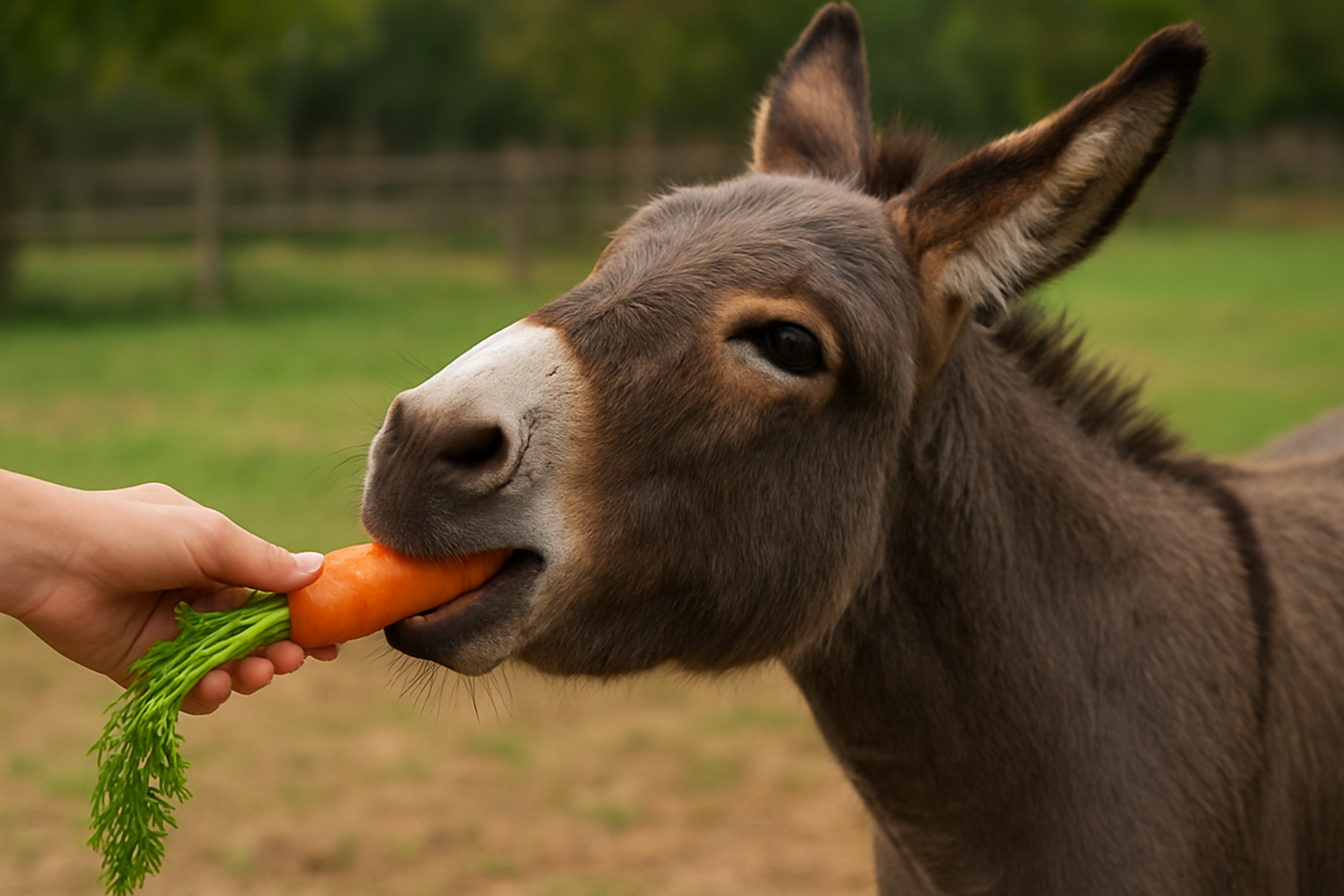
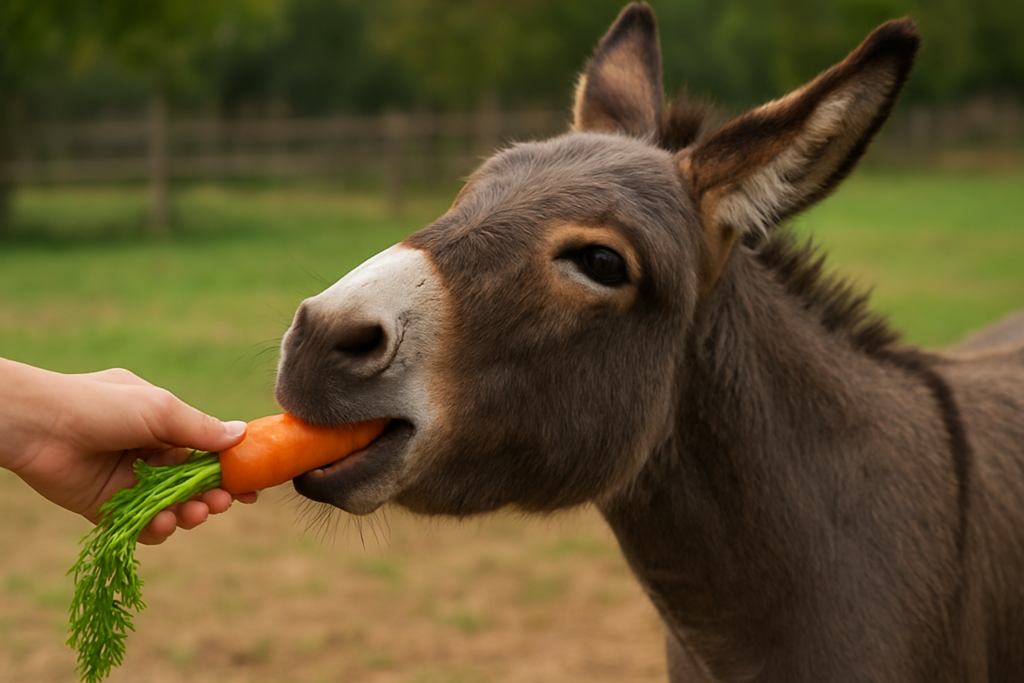
Donkeys and carrots seem like a perfect match, often pictured in storybooks and farm visits. But many donkey owners find themselves asking: can donkeys eat carrots? This simple question leads to a surprising amount of debate among caretakers.
Some swear by carrots as a healthy, vitamin-rich snack, while others worry about sugar content and choking risks. This brings us to the core concern: can donkeys eat carrots safely, and what are the best practices?
The answer is yes, but with important caveats. This article explores both the nutritional benefits and the potential pitfalls. We’ll cover everything from how carrots fit into a donkey’s natural diet to the precise way to serve them. By the end, you’ll know exactly how to use this popular treat responsibly.
Key Takeaways
- Donkeys can safely eat carrots as an occasional treat, not a staple food.
- Benefits include vitamin A for eye health and fiber for digestion, but the high sugar content is a major drawback.
- Carrots must be prepared properly—washed, peeled, and cut—to prevent choking.
- Always feed in moderation alongside a balanced diet of hay or grass, which should make up the majority of their food.
- Consulting with an equine vet or nutritionist is advised, especially for donkeys with metabolic conditions like obesity or laminitis.
The Donkey Diet Debate: More Than Just Hay
Donkeys are renowned for their hardy and efficient digestion, evolved to thrive on sparse, fibrous vegetation. To understand where carrots fit, we must first look at what constitutes a natural and healthy diet for them.
What Constitutes a Natural Donkey Diet
In the wild, donkeys are browsers and grazers, consuming a variety of coarse grasses, shrubs, bark, and plants. Their digestive systems are designed for high-fiber, low-sugar, and low-starch intake. The modern domestic donkey’s diet should mirror this, consisting primarily of:
- Free-choice, low-quality hay or pasture (meadow hay is ideal; rich legume hay like alfalfa is often too rich).
- Specialized donkey mineral licks to supplement nutrients lacking in forage.
- Fresh, clean water available at all times.
Treats like carrots, apples, or commercial snacks should make up less than 5-10% of their total daily caloric intake.
Why Carrots Became the Go-To Treat
The association between donkeys (and horses) and carrots is largely cultural, popularized by films and literature. Practically, carrots are:
- Readily available and store well.
- Sweet and palatable, making them a high-value reward for training.
- Perceived as healthy due to their “vegetable” status, leading many to overestimate their nutritional appropriateness.
Can Donkeys Eat Carrots Safely? Breaking Down the Facts
So, can donkeys eat carrots without issue? Generally, yes, but “safe” depends entirely on quantity, frequency, and the individual donkey’s health.
Donkeys have a different metabolism than horses; they are “easy keepers” prone to obesity and related disorders. Their pancreas is exceptionally efficient at releasing insulin in response to sugar. Feeding too many sugary treats like carrots can disrupt this system over time.
The Ancestral Argument: Desert Adaptations
Donkeys originated in arid, nutrient-scarce regions of Africa. Their systems are masters at extracting every bit of nutrition from poor-quality forage. They did not evolve eating root vegetables. This means:
- Low sugar tolerance: Their metabolism isn’t designed for sudden sugar spikes.
- Efficient weight gain: They store excess calories easily, making portion control critical.
Introducing sweet, non-fibrous foods is a significant departure from their evolutionary diet.
Potential Benefits of Carrots for Donkeys
When fed correctly, carrots can offer some positive nutritional contributions:
| Benefit | Description | Evidence Level |
|---|---|---|
| Vitamin A | Carrots are rich in beta-carotene, which converts to Vitamin A, essential for good vision, immune function, and skin health. | Scientifically Supported |
| Dietary Fiber | Provides some additional fiber, which can aid in healthy gut motility. | Scientifically Supported |
| Enrichment & Training | The crunch and sweetness provide mental stimulation and are excellent as a hand-fed reward for positive reinforcement. | Anecdotal/Practical |
| Hydration | Carrots have a high water content (approx. 88%), which can contribute to overall fluid intake. | Scientifically Supported |
These benefits are only realized when carrots are a small part of a meticulously managed diet.
Health Risks of Overfeeding Carrots
The risks far outweigh the benefits when carrots are fed indiscriminately.
- High Sugar Content: This is the primary concern. A single large carrot contains about 3-4 grams of sugar. For a donkey prone to Equine Metabolic Syndrome (EMS) or laminitis (a painful and dangerous hoof condition), this sugar can trigger a harmful inflammatory response.
- Choking Hazard: Donkeys may swallow large pieces whole. Whole carrots or large chunks can become lodged in the esophagus, a life-threatening emergency.
- Digestive Upset: A sudden influx of sugary food can disrupt the delicate microbial balance in the hindgut, potentially leading to colic or diarrhea.
- Weight Gain and Obesity: Excess calories from treats contribute directly to obesity, a gateway to numerous health problems in donkeys.
- Nutrient Imbalance: Filling up on carrots can decrease appetite for their essential, fibrous hay, leading to long-term nutritional deficiencies.
How to Safely Introduce Carrots to Your Donkey’s Diet
If you decide to feed carrots, follow these strict safety protocols:
Proper Preparation is Key
- Wash and Peel: Thoroughly wash to remove dirt and pesticides. Peeling removes surface contaminants and any tough skin.
- Cut Correctly: Always cut carrots into long, thin strips (like French fries) or small cubes. Never feed a whole carrot. This minimizes choking risk and slows down eating.
- Feed by Hand: Hand-feeding treats allows you to control the pace and strengthen your bond. Scatter feeding strips on the ground can also encourage natural foraging behavior.
Portion Sizes and Frequency
- Moderation is Everything: For an average-sized donkey, 1-2 small carrot sticks or a handful of cubes per day is ample. This should be considered a “special occasion” treat, not a daily entitlement.
- Integrate into Diet: Offer the carrot pieces after your donkey has consumed its main hay meal, not before, to ensure they eat their primary nutrition first.
Monitoring Your Donkey’s Response
- Watch their weight closely. If you notice any gain, cut out treats immediately.
- Observe droppings. Loose stools can indicate the treat portion is too large.
- Be extra vigilant if your donkey has a history of laminitis or EMS—many veterinarians recommend avoiding carrots entirely in these cases.
What Equine Nutritionists and Vets Say
Most equine veterinarians and nutritionists agree on a cautious approach:
- The Donkey Sanctuary, a world-leading authority, states that carrots are acceptable in “very small quantities” but emphasizes that donkeys “do not require treats” and their diet should be almost entirely forage-based.
- Professional bodies like the British Equine Veterinary Association (BEVA) highlight the direct link between high-sugar treats and laminitis, advising extreme caution.
- The consensus is clear: The safest approach is to avoid treats altogether. A donkey’s nutritional and behavioral needs are fully met by good-quality hay, companionship, and enrichment (like track systems or puzzle feeders that distribute hay).
Healthier Alternatives to Carrots
If you want to provide variety or rewards, consider these lower-sugar, higher-fiber options:
- Chopped Hay-Based Pellets: Soak a handful of their normal fiber pellets to make a mash.
- Apple Branches or Willow: Safe for browsing and chewing, providing excellent dental wear and enrichment.
- Small Amounts of Herbs: Mint or basil leaves can be a fragrant, low-sugar treat.
- Soaked Hay Cubes: A familiar taste with no added sugar.
Remember, the very best “treat” for a donkey is often simply more time spent grazing on appropriate pasture or enjoying a good scratch.
Conclusion: Making the Right Choice for Your Donkey
The question, “can donkeys eat carrots?” has a nuanced answer. While not toxic, carrots are a sugary food that poses measurable risks to a species exquisitely sensitive to dietary sugar.
The responsible choice prioritizes the donkey’s long-term health over the short-term pleasure of giving a treat. If you do choose to feed carrots, it must be done with surgical precision: prepared safely, fed minimally, and monitored constantly.
Always consult with an equine veterinarian or a qualified nutritionist to tailor a diet plan specific to your donkey’s age, weight, and health status. Ultimately, a donkey thrives on simplicity—ample fibrous forage, clean water, and thoughtful care. By saying “no” to that extra carrot, you might just be saying “yes” to many more healthy years together.