Leopard geckos are popular pets due to their unique appearance and easy-to-care-for nature. As with any pet, it is important for owners to understand what their geckos can and cannot eat. One question that often arises is whether leopard geckos can eat rolly pollys, also known as pill bugs or sow bugs.
Rolly pollys are small crustaceans that are commonly found in gardens and other outdoor areas. They are often used as a food source for other pets, such as reptiles and amphibians. However, when it comes to feeding rolly pollys to leopard geckos, there is some debate among experts. While some believe that rolly pollys can be a nutritious addition to a gecko’s diet, others caution against feeding them due to potential risks.
Can Leopard Geckos Eat Rolly Pollys

Leopard geckos are insectivores, and they require a diet that is high in protein and low in fat. While they primarily feed on insects such as crickets and mealworms, they may also eat other small invertebrates such as rolly pollys.
Rolly pollys, also known as pill bugs or woodlice, are not toxic to leopard geckos and can be consumed in moderation. However, they should not make up a significant portion of their diet as they do not provide all of the necessary nutrients that leopard geckos require.
It is important to note that rolly pollys can also carry parasites, so it is recommended to only feed them to leopard geckos that are healthy and have a strong immune system. Additionally, rolly pollys should be sourced from a clean and pesticide-free environment to avoid any potential harm to the gecko.
In conclusion, while rolly pollys can be eaten by leopard geckos, they should only be fed in moderation and as part of a balanced diet that includes a variety of insects. As with any new food item, it is important to introduce them slowly and monitor the gecko for any adverse reactions.
Dietary Habits of Leopard Geckos
Leopard geckos are insectivores, which means they primarily eat insects. In the wild, they feed on a variety of insects, including crickets, mealworms, and waxworms. However, when kept as pets, they can also be fed other insects like roaches and silkworms.
It is important to note that leopard geckos should not be fed any insects that are too large for them to swallow. This includes larger beetles, grasshoppers, and even some larger species of roaches. These insects can cause impaction, which is a blockage in the digestive tract that can be fatal.
In addition to insects, leopard geckos can also be fed small amounts of vegetables and fruits. However, these should not make up a significant portion of their diet. A small amount of leafy greens or fruit can be offered as a treat, but it should not be a regular part of their diet.
It is also important to note that leopard geckos should not be fed rolly pollys, also known as pill bugs or sow bugs. While they may seem like a harmless snack, these insects can actually be harmful to leopard geckos. Rolly pollys have a hard exoskeleton that is difficult for leopard geckos to digest, and they also contain high levels of calcium, which can lead to health problems if consumed in large amounts.
Overall, leopard geckos have specific dietary needs that must be met in order to keep them healthy. Providing them with a varied diet of appropriate insects and occasional treats is key to ensuring their well-being.
Understanding Rolly Pollies
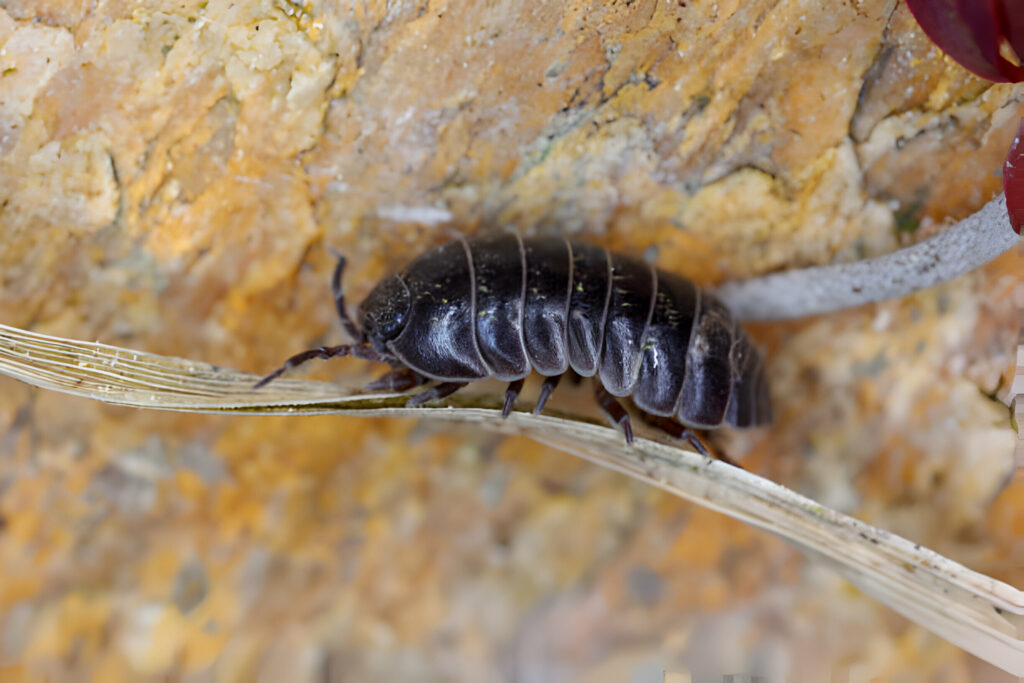
Rolly pollies, also known as pill bugs or woodlice, are small crustaceans that are commonly found in gardens and other outdoor environments. They are often used as a food source for various reptiles, including leopard geckos.
Rolly pollies are not insects, but rather belong to the crustacean family. They have a hard exoskeleton and a segmented body that allows them to curl up into a ball when threatened. This defensive mechanism is what gives them their common nickname of “rolly polly”.
In terms of nutritional value, rolly pollies are a good source of protein and calcium for leopard geckos. They also contain other important nutrients such as phosphorus and fiber. However, it is important to note that they should not be the sole source of nutrition for leopard geckos and should be fed in moderation.
When feeding rolly pollies to leopard geckos, it is important to ensure that they are properly cleaned and gut-loaded. This means that they should be fed a nutritious diet for at least 24 hours before being fed to the gecko. It is also recommended to dust them with a calcium supplement before feeding to ensure that the gecko is getting the necessary nutrients.
Overall, rolly pollies can be a healthy and nutritious addition to a leopard gecko’s diet when fed in moderation and prepared correctly.
Nutritional Value of Rolly Pollies for Leopard Geckos
Rolly pollies, also known as pill bugs or woodlice, are a common food source for many reptiles, including leopard geckos. These small crustaceans are high in protein and other essential nutrients that are important for the health of your pet.
Leopard geckos are insectivores and require a diet that is high in protein. Rolly pollies are a good source of protein, containing around 20-30% protein by weight. They also contain other important nutrients such as calcium, phosphorus, and iron. These nutrients are important for maintaining healthy bones, muscles, and other bodily functions.
In addition to their nutritional value, rolly pollies are also easy to find and relatively inexpensive. They can be purchased at most pet stores or collected from the wild. However, it is important to ensure that any rolly pollies you feed to your leopard gecko are free of pesticides or other harmful chemicals.
It is important to note that rolly pollies should not be the sole source of nutrition for your leopard gecko. They should be fed as part of a varied diet that includes other insects such as crickets, mealworms, and waxworms. Variety is important to ensure that your leopard gecko is receiving all of the nutrients it needs to stay healthy.
Overall, rolly pollies can be a nutritious and convenient addition to your leopard gecko’s diet. Just be sure to feed them in moderation and as part of a balanced diet.
Risks of Feeding Rolly Pollies to Leopard Geckos
While rolly pollies, also known as pill bugs or woodlice, may seem like a harmless and nutritious addition to a leopard gecko’s diet, there are some potential risks to consider.
Firstly, rolly pollies have a hard exoskeleton that can be difficult for leopard geckos to digest. If the exoskeleton is not broken down properly, it can cause impaction, a potentially life-threatening condition where the digestive tract becomes blocked.
Additionally, rolly pollies can carry parasites or bacteria that may be harmful to leopard geckos. It’s important to ensure that any insects fed to leopard geckos are from a reputable source and are free from any harmful pathogens.
Finally, while rolly pollies may be a natural part of a leopard gecko’s diet in the wild, captive-bred leopard geckos may not have the same gut flora necessary to properly digest them. It’s important to introduce new foods slowly and monitor the gecko’s behavior and health for any signs of digestive issues.
In summary, while rolly pollies may seem like a convenient and nutritious food source for leopard geckos, there are some potential risks to consider. It’s important to ensure that any insects fed to leopard geckos are from a reputable source, free from pathogens, and introduced slowly to prevent digestive issues.
Safe Feeding Practices for Leopard Geckos
Leopard geckos are insectivores and require a diet that is high in protein. While they can eat a variety of insects, it’s important to ensure that the insects are safe for your gecko to consume. Here are some safe feeding practices to keep in mind:
- Choose the Right Size Insects: Feeder insects should be no larger than the width of your gecko’s head. This will prevent choking and other digestive problems.
- Variety is Key: Don’t feed your gecko the same insect every day. Offering a variety of insects will ensure that your gecko gets a balanced diet.
- Gut-Load Insects: Gut-loading is the practice of feeding insects a nutritious diet before feeding them to your gecko. This ensures that your gecko is getting the most nutrition from its food.
- Avoid Wild-Caught Insects: Insects caught in the wild may contain parasites or pesticides that can be harmful to your gecko. Stick to purchasing insects from a reputable source.
- No Rolly Pollies: While rolly pollies (also known as pill bugs or sow bugs) may seem like a harmless snack, they are not safe for leopard geckos to consume. Rolly pollies have a hard exoskeleton that can cause impaction in your gecko’s digestive system.
By following these safe feeding practices, you can ensure that your leopard gecko stays healthy and happy.
Alternative Food Options for Leopard Geckos
In addition to their regular diet of insects, leopard geckos can also consume a variety of other food items. These alternative options can provide a variety of nutrients and can help keep your gecko healthy and happy.
One alternative food option for leopard geckos is mealworms. These are a great source of protein and can be easily found at most pet stores. Another option is crickets, which are also high in protein and can be purchased live or frozen.
Another food option for leopard geckos is waxworms. These are high in fat and should be fed in moderation. Leopard geckos can also eat silk moth larvae, which are high in calcium and other nutrients.
In addition to insects, leopard geckos can also eat some fruits and vegetables. However, it is important to note that these should only be given as occasional treats and should not make up a significant portion of their diet. Some safe options include mashed bananas, diced apples, and shredded carrots.
Overall, while insects should make up the majority of a leopard gecko’s diet, there are a variety of alternative food options that can provide additional nutrients and variety to their diet.
Frequently Asked Questions
What insects are safe for leopard geckos to consume?
Leopard geckos are insectivores and require a diet that is high in protein. Some safe insects for leopard geckos to consume include crickets, mealworms, and dubia roaches. It is important to ensure that the insects are appropriately sized for the gecko and that they are gut-loaded (fed a nutritious diet) before being offered to the gecko.
Can leopard geckos eat earthworms without any health risks?
Leopard geckos can eat earthworms, but it is important to note that they are not a natural part of their diet. While they are not harmful, earthworms should be fed in moderation as they are high in fat and can cause digestive issues if overfed.
Are pill bugs a nutritious food choice for leopard geckos?
Pill bugs, also known as roly polies, are not a nutritious food choice for leopard geckos. While they are not harmful, they are low in protein and can cause digestive issues if overfed. It is best to stick to insects that are known to be safe and nutritious for leopard geckos.
What are the dietary restrictions for leopard geckos regarding insects?
Leopard geckos should not be fed insects that are too large for them to consume, as this can lead to choking or other health issues. Additionally, insects that are high in fat or have hard exoskeletons should be fed in moderation. It is important to offer a variety of insects to ensure that the gecko receives a balanced diet.
Is it common for leopard geckos to eat isopods in captivity?
While leopard geckos may occasionally consume isopods (also known as sowbugs or woodlice) in the wild, it is not a common part of their diet. In captivity, it is best to stick to insects that are known to be safe and nutritious for leopard geckos.
What variety of foods should be included in a leopard gecko’s diet?
Leopard geckos should be offered a variety of safe and nutritious insects, including crickets, mealworms, and dubia roaches. It is also important to offer occasional treats, such as waxworms or superworms, in moderation. In addition to insects, leopard geckos may also benefit from occasional supplementation with calcium and other vitamins and minerals.