


Arriving in a sprawling, energetic metropolis is always thrilling, but figuring out how to navigate it can quickly become overwhelming. Whether you are visiting a serene island or a bustling capital, knowing how you will move from place to place is essential. Just as proper transportation planning is the secret to a stress-free trip to Paros, having a reliable transit strategy is absolutely vital when tackling one of Asia’s most dynamic urban centres. In Bangkok, the difference between a frustrating holiday and an unforgettable adventure usually comes down to how you choose to get around.
The Reality of Bangkok Gridlock
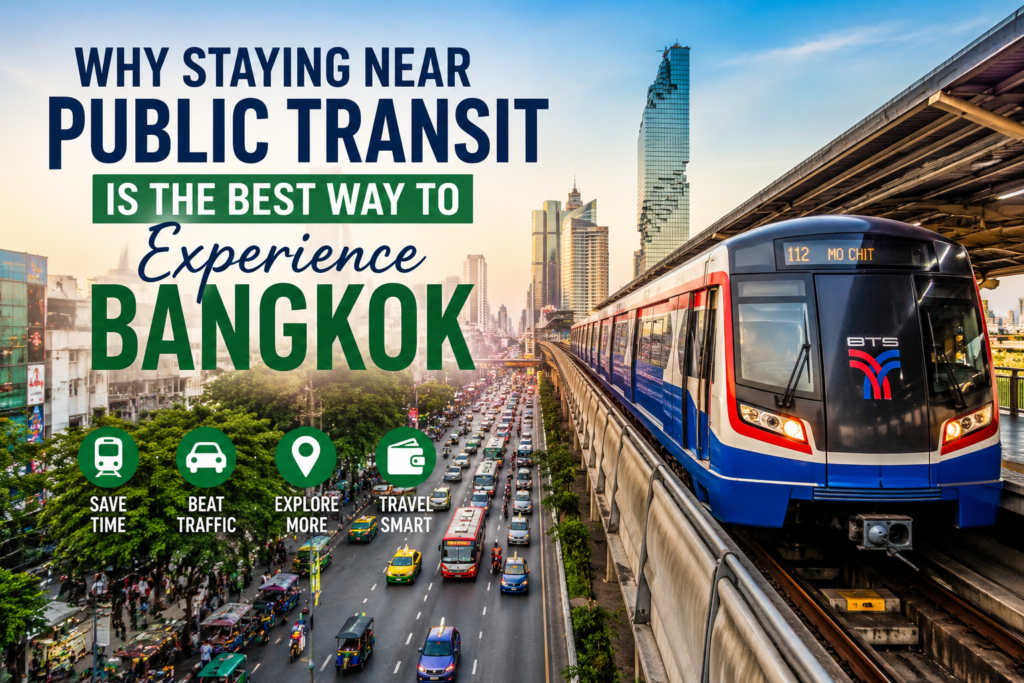
The Thai capital is famous for its incredible street food, magnificent temples, and vibrant nightlife. However, it is equally famous for its severe traffic congestion. Relying on taxis or tuk-tuks during peak hours can trap you in the back of a vehicle for extended periods, eating into valuable holiday time. The city’s notorious traffic jams are well documented. According to the TomTom Traffic Index for Bangkok, the city consistently ranks among the most congested in the world, a reality that costs daily commuters over a hundred hours a year in delays.
As a tourist with a limited itinerary, losing hours to gridlock is a luxury you cannot afford. Every minute spent staring at the bumper of another car is a minute taken away from exploring the Grand Palace, browsing the stalls of the Chatuchak Weekend Market, or enjoying a traditional Thai massage. The most effective workaround is to abandon the roads altogether and take to the skies and underground. The mass transit networks completely circumvent the traffic, offering a reliable alternative for visitors who want to maximise their sightseeing time.
Strategic Accommodation is Key
The secret to unlocking Bangkok’s full potential lies in where you choose to drop your bags. The city is incredibly vast, and neighbourhoods that look close on a map might be separated by major highways or complex road networks. For visitors who want to be in the heart of the action with maximum connectivity, researching options for Sukhumvit hotels near BTS is a highly practical strategy. Sukhumvit Road is a central artery of the city, and having immediate access to a Skytrain station means you can effortlessly explore various districts without ever worrying about hailing a cab. Staying near a mass transit station changes the entire dynamic of your visit, allowing you to step out of your lobby and reach major cultural landmarks, shopping districts, and dining hubs within minutes.
Top Reasons to Prioritise the Skytrain and MRT
If you are still debating whether to rely on public transit or private transfers during your stay, consider the practical advantages of the local rail systems. The BTS Skytrain and MRT underground networks are clean, efficient, and exceptionally user-friendly.
- Unmatched Speed: Trains bypass the chaotic street-level traffic entirely, turning a stressful hour-long taxi ride into a smooth ten-minute journey.
- Climate Control: Bangkok is hot and humid year-round. The heavily air-conditioned stations and train carriages offer a welcome respite from the intense midday heat.
- Predictable Travel Times: When you have dinner reservations or a guided tour booked, you need to know exactly when you will arrive. Trains run on tight schedules, eliminating the guesswork associated with road travel.
- Ease of Use: Signage and ticketing machines are available in English. This removes the language barrier often experienced when trying to communicate specific addresses to local drivers.
Maximising Your Transit Experience
To truly benefit from a transit-centric holiday, a little preparation goes a long way. Upon arrival, consider purchasing a stored-value travel card. The Rabbit Card for the BTS and the MRT Plus card for the underground allow you to tap and go, saving you from queuing for individual tokens at every single station. These cards are easily topped up at any station ticket office or self-service machine. It is worth noting that the BTS and MRT are operated by different companies, meaning you will need separate payment methods or tickets for each network.
Additionally, try to avoid travelling with heavy luggage during the morning and evening rush hours, as carriages become incredibly crowded with local commuters heading to and from work. If you must travel during these peak times, pack light and keep your belongings close to you. By planning your major movements around off-peak times, you will enjoy a much more comfortable journey. You can also utilise river ferries for certain cultural attractions, which seamlessly connect to the Saphan Taksin BTS station, providing yet another way to beat the street traffic. Ultimately, when you pair smart accommodation choices with an understanding of the city’s excellent public transport, Bangkok transforms from an intimidating concrete jungle into an easily navigable and endlessly fascinating destination.