


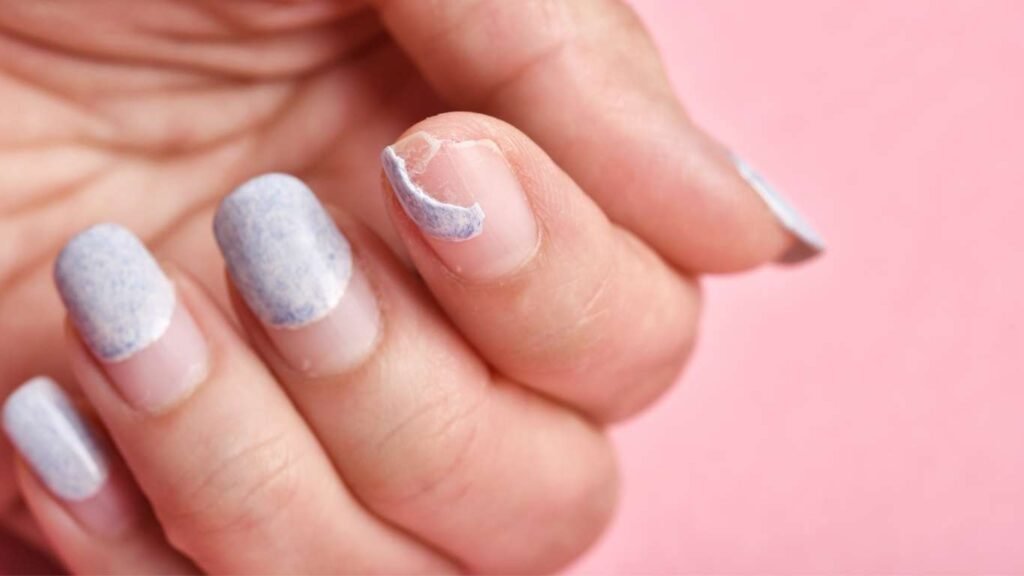
Do great looking nails depend only on the nail salon, or on daily habits too? Why do some manicures stay glossy for weeks while others chip in just a few days?
The simple answer to What Are the Biggest Mistakes People Make Between Nail Appointments is this. Dry nails, rough handling, skipped protection, and peeling polish all weaken both your manicure and the nail underneath.
A nail appointment usually means a professional manicure, often with regular polish, gel, acrylic, or dip powder. What happens in the chair sets the base, but your choices at home decide how long that result lasts.
In the next sections you will see the biggest mistakes people make between nail appointments and how they show up day to day. You will also get simple nail care tips at home that keep polish smoother for longer.
Start by seeing how your everyday habits affect the health of each nail.
Why Your At-Home Habits Directly Affect Nail Health
At home habits directly affect nail health because nails keep facing water, chemicals, heat, and tiny bumps long after you leave the salon. Each exposure dries, softens, or stresses the nail plate and the polish bond. Over days, that steady wear explains many of the biggest mistakes people make between nail appointments, from chips to dullness.
The nail plate is the hard part you see, made mostly of compacted keratin. It does not repair itself like skin. Once it is scratched, peeled, or split, that damage stays until the area grows out.
According to the American Academy of Dermatology, fingernails grow about 3.5 millimeters per month on average American Academy of Dermatology. Damage that happens today can stay visible for months. That slow pace means good or bad choices between visits matter just as much as what happens in the chair.
One quick way to see this is to compare common helpful habits with the ones that quietly harm nails.
| Habits That Protect Nails | Habits That Damage Nails |
| Applying cuticle oil and hand cream daily | Skipping moisture and overusing alcohol sanitizers |
| Wearing gloves for dishwashing and cleaning | Doing wet cleaning tasks with bare hands in hot water |
| Using fingers, keys, or tools to open packages | Using nail tips to peel labels or pry open containers |
Small choices such as grabbing gloves or using a key instead of a nail add up for clients from Fredericton to New York, and they help the work from salons such as Vibrant Salon & Spa last much longer.
“Frequent wetting and drying can cause nails to become brittle and break.”
Mayo Clinic
Simple products make a difference here. Cuticle oil is a lightweight oil that softens the thin skin at the base of the nail and adds flexibility to the nail plate. A plain hand cream seals in moisture after washing and helps protect polish shine.
The Most Damaging Mistakes You Make Between Appointments
Some of the most damaging mistakes you make between appointments are dry nails, picking at polish, using nails as tools, and filing the wrong way. Each mistake chips away at both manicure life and natural nail strength. This part of the guide explains What Are the Biggest Mistakes People Make Between Nail Appointments so you can improve nail maintenance between salon visits.
- Skipping daily moisture and cuticle oil
Dry nails bend and crack more easily, which then leads to peeling polish and breaks. Constant handwashing and sanitizer speed up that dryness, especially in winter or in air conditioned rooms. A few drops of oil around the cuticle zone twice a day keep the nail plate more flexible and less likely to chip. - Peeling off gel or regular polish
Pulling at lifting gel polish, dip, or acrylic strips removes thin layers from the surface of the nail. Gel brands are designed to bond tightly, so gel polish peels off can remove part of the nail plate. Over time nails feel thin and sensitive, and each small chip invites more peeling. Smoothing sharp edges with a fine file and booking gentle removal matter more than they seem. - Using nails as tiny tools
Prying open cans, peeling stickers, or scratching at labels all bend nails in directions they cannot tolerate. That sideways pressure often causes cracks near the stress point, and for gel or acrylic manicures it can even snap the product off completely. Grabbing a pen, key, or actual opener protects the nail while still getting the task done. - Skipping gloves during wet or dirty chores
Dishwashing, bathtub scrubbing, and working with bleach based sprays expose nails to hot water and chemicals. Hot water makes the nail plate swell and then shrink as it dries, which weakens the bond with polish or gel. A simple pair of kitchen gloves cuts this exposure and also protects natural oils and top coat shine. - Filing the wrong way or biting nails
Sawing back and forth with a coarse file creates tiny cracks along the tip of each nail. Filing right after a shower or bath is risky because softened nails tear instead of shaping cleanly, and biting adds even more pressure and bacteria. Using a fine file in one direction only and keeping nails at a practical length is far safer. - Picking at lifted edges instead of booking a fix
Small lifted corners of gel or acrylic are tempting to pick. That habit widens the gap and can let water and debris collect underneath, which irritates the skin around the nail. Calling the salon for a quick repair saves more of the product and protects the natural nail below.
Dermatology guidance from Mayo Clinic notes that alcohol based hand sanitizers typically contain 60 to 95 percent alcohol, a range that dries skin and nails faster than gentle soap and water Mayo Clinic. This is one reason why replacing lost moisture is so helpful between washes.
How to Protect Your Nails and Make Your Manicure Last Longer
You can protect your nails and make each manicure last longer by keeping them hydrated, shielding them during harsh tasks, and removing products gently. A short daily routine plus a few smart habits during chores and desk work answers most questions about nail care between manicures. Together these steps form a simple nail care routine at home that can extend nail appointment time in a realistic way.
Cleveland Clinic explains that a fingernail can take three to six months to grow out fully. That long growth cycle means choices you make this week can show up at the tip for many weeks. The ideas below guide how to make nails last longer between appointments, how to maintain gel nails at home, and how to protect nails from breaking without needing extra salon visits.
- Focus on moisture and protection.
Each night, massage a drop of cuticle oil into every nail, then follow with hand cream. After every handwash, add a tiny bit of cream so skin and nails do not stay tight and dry. Keep rubber or nitrile gloves near sinks and cleaning supplies, and type with the pads of your fingers instead of the nail tips. Ask a professional for the best nail strengthener for your nail type if nails feel weak. These simple habits help how to keep nails healthy, how to keep gel nails from lifting, and how to prevent chipped nails. - Support nails through lifestyle.
Nails are made mostly of keratin, a hard protein, so steady protein intake matters. Dermatologists from Mayo Clinic often mention biotin, zinc, and iron rich foods such as eggs, beans, nuts, and leafy greens as helpful choices. Drinking water through the day and finding small tricks that help you stop biting nails both support smoother growth. The same habits also help how to care for acrylic nails at home so they stay secure until your next fill. - Handle polish and products carefully.
Use a base coat to protect the nail plate, especially under dark colors that can stain. Cap the free edge with top coat by sealing along the tip of the nail, which gives extra protection against chips. For removal, choose acetone wraps for gel or dip and avoid metal tools that scrape the nail surface.
Tip from nail professionals: “Treat your manicure like jewelry, not tools.”
Anonymous salon saying shared in many training courses
These ideas do not require special skills, only regular habits. Consistency is what keeps both natural nails and polish in better shape between visits.
Frequently Asked Questions
How often should you get a manicure to keep nails healthy?
Answer: Most people do well with a manicure every two weeks. That timing controls growth and refreshes polish safely. For gel or acrylic, many clients choose fills every two to three weeks.
How do you stop gel nails from lifting between appointments?
Answer: To stop gel nails lifting, avoid long hot water soaks, wear gloves for cleaning, and use cuticle oil daily. Do not pick at lifted edges, and ask your nail tech to check for any areas that tend to lift so they can adjust prep in that zone.
Is it bad to leave gel polish on too long?
Answer: Yes, leaving gel polish on much past three weeks is not ideal, because overgrown edges can lift and trap moisture. The longer it stays, the more likely you are to pick at it, which can thin the nail.
What is the right way to remove gel polish at home?
Answer: File the shiny top coat until it looks matte, then soak cotton pads in acetone, wrap each finger in foil or reusable clips, and gently push off softened gel with a wooden stick. If any spots stay firm, repeat the soak instead of scraping.
How short should you keep nails between appointments?
Answer: A length that does not catch on clothing and lets you type and do chores comfortably is usually safest. If nails or extensions feel sore or bend during daily tasks, they are likely too long for your routine.
Healthy nails depend on steady choices between visits, not luck, so even small habit changes can strengthen every future manicure. Understanding What Are the Biggest Mistakes People Make Between Nail Appointments makes it easier to avoid them and keep each set looking smoother for longer.