Cats are known for their selective palate and can be quite finicky when it comes to food. As pet owners, we are always on the lookout for new treats and snacks to keep our feline friends happy and healthy. One such snack that has been gaining popularity is bonito flakes. But can cats eat bonito flakes?

Bonito flakes, also known as katsuobushi, are a popular ingredient in Japanese cuisine. They are made from dried, fermented, and smoked skipjack tuna and are often used as a seasoning or garnish. Bonito flakes are high in protein and contain essential vitamins and minerals, making them a nutritious treat for cats. However, before introducing any new food to your cat’s diet, it’s important to consider their dietary needs and any potential risks.
In this article, we will explore the benefits and risks of feeding bonito flakes to cats. We will also provide tips on how to safely incorporate this treat into your cat’s diet. Whether you’re looking for a new snack to spoil your furry friend or just curious about the nutritional value of bonito flakes, read on to learn more.
What Are Bonito Flakes
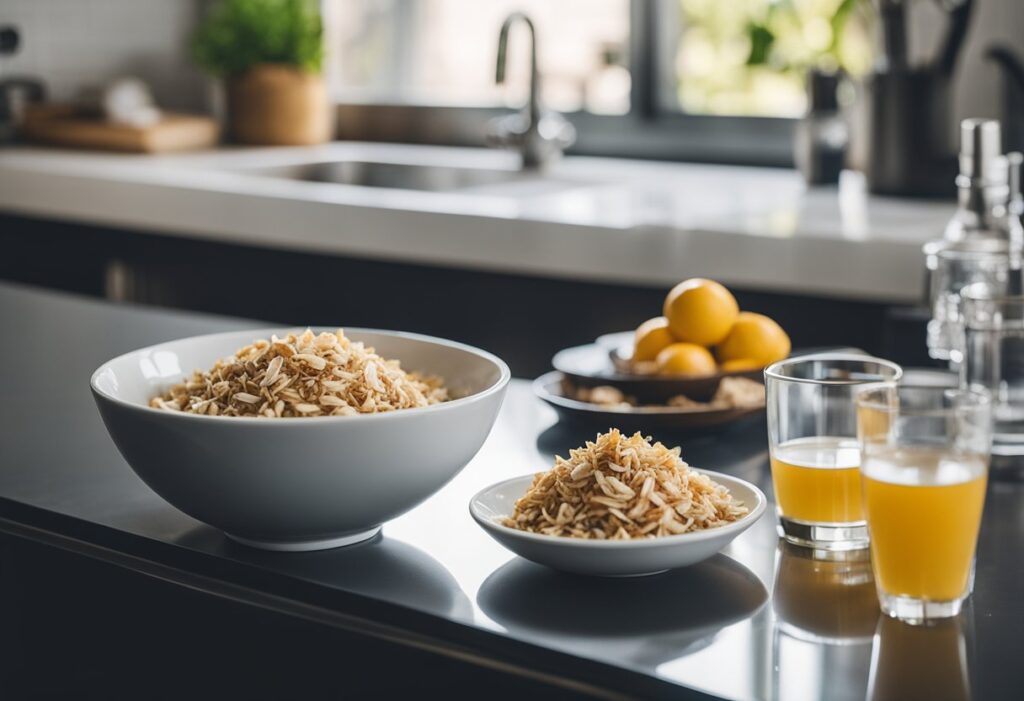
Bonito flakes are a common ingredient in Japanese cuisine and are made from dried, fermented, and smoked skipjack tuna. These thin and light flakes are often used as a topping or seasoning for various dishes, including soups, salads, and rice bowls.
Due to their umami flavor, bonito flakes are a popular ingredient in many Japanese dishes. They are also a good source of protein and contain essential nutrients such as vitamins B12 and D, as well as minerals like calcium and potassium.
Bonito flakes are available in most Asian grocery stores and can be found in both pre-packaged and bulk forms. They are typically sold in small, airtight packages to preserve their freshness and flavor.
It is important to note that bonito flakes should be used in moderation as they are high in sodium. Additionally, those with seafood allergies should avoid consuming bonito flakes as they are made from fish.
Nutritional Value of Bonito Flakes
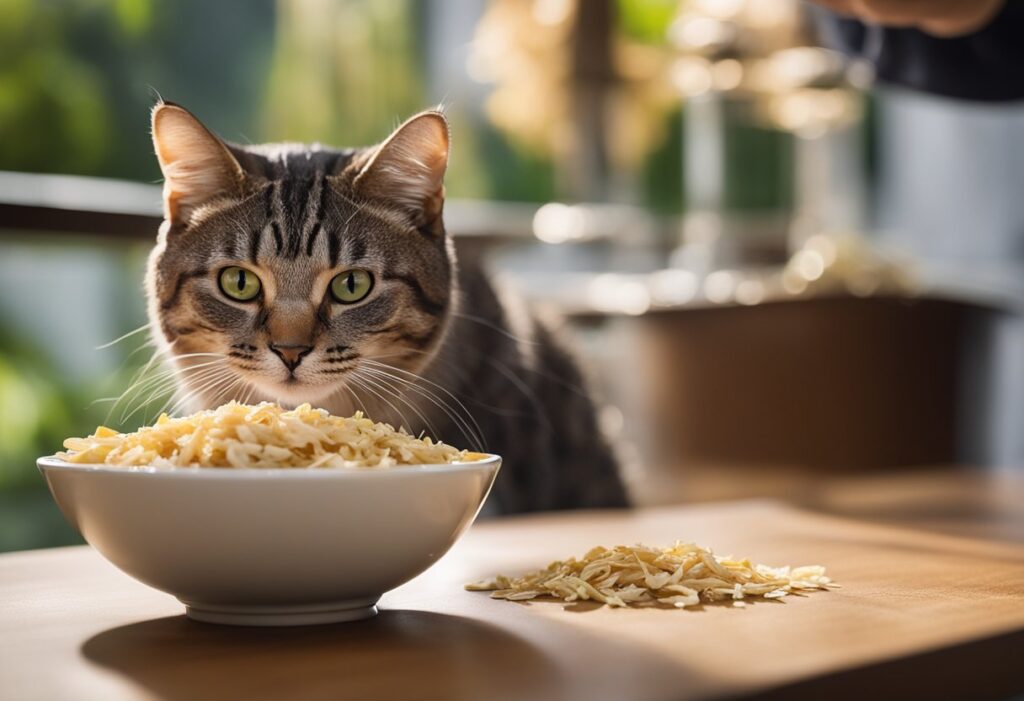
Bonito flakes are a popular treat for cats, but what exactly are they and what do they offer nutritionally? Bonito flakes are made from dried, fermented, and smoked skipjack tuna, which is a type of fish commonly found in the Western Pacific Ocean.
One of the main nutritional benefits of bonito flakes is their high protein content. Protein is an essential nutrient that helps cats build and repair tissues, maintain a healthy immune system, and support overall growth and development. Bonito flakes are also a good source of omega-3 fatty acids, which are important for maintaining healthy skin and coat, as well as supporting heart and brain health.
In addition to protein and omega-3 fatty acids, bonito flakes also contain a variety of vitamins and minerals that are important for feline health. These include vitamin D, which helps cats absorb calcium and maintain strong bones, and potassium, which is important for maintaining healthy muscles and regulating blood pressure.
It is important to note that while bonito flakes can be a nutritious treat for cats, they should not be relied on as a primary source of nutrition. Cats require a balanced diet that includes a variety of protein sources, as well as other essential nutrients such as carbohydrates, fat, and fiber. As with any treat, bonito flakes should be given in moderation to avoid overfeeding and potential health issues.
Can Cats Eat Bonito Flakes
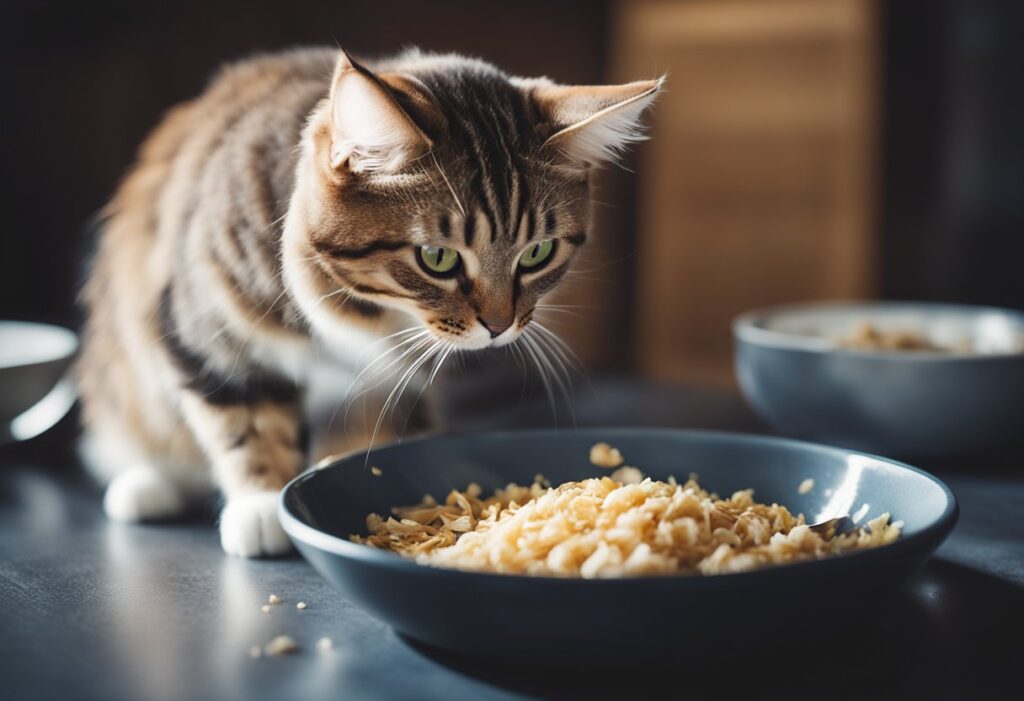
Bonito flakes, also known as katsuobushi, are a popular ingredient in Japanese cuisine. These flakes are made from dried, fermented, and smoked skipjack tuna. They have a strong umami flavor and are often used as a topping for dishes like okonomiyaki and takoyaki.
As cat owners, we often wonder if our feline friends can enjoy the same foods as we do. In this section, we’ll explore whether bonito flakes are safe for cats to eat.
Benefits for Cats
Bonito flakes are a good source of protein and contain essential amino acids that are important for a cat’s overall health. They also contain omega-3 fatty acids, which can help reduce inflammation and improve skin and coat health.
In addition, bonito flakes can be used as a treat or to entice picky eaters to try new foods. Some cats may find the strong flavor of bonito flakes appealing and may be more willing to eat their regular food if a sprinkle of bonito flakes is added.
Potential Risks
While bonito flakes are generally safe for cats to eat, there are some potential risks to keep in mind. One concern is the high sodium content of bonito flakes. Too much sodium can lead to dehydration and other health issues, so it’s important to use bonito flakes in moderation.
Another potential risk is the possibility of contamination with mercury or other toxins. Skipjack tuna, the fish used to make bonito flakes, is known to contain higher levels of mercury than other types of tuna. It’s important to source high-quality bonito flakes from reputable suppliers to minimize the risk of contamination.
In conclusion, bonito flakes can be a healthy and tasty treat for cats when used in moderation. As with any new food, it’s important to introduce bonito flakes gradually and watch for any signs of digestive upset or allergic reactions.
How to Feed Bonito Flakes to Cats
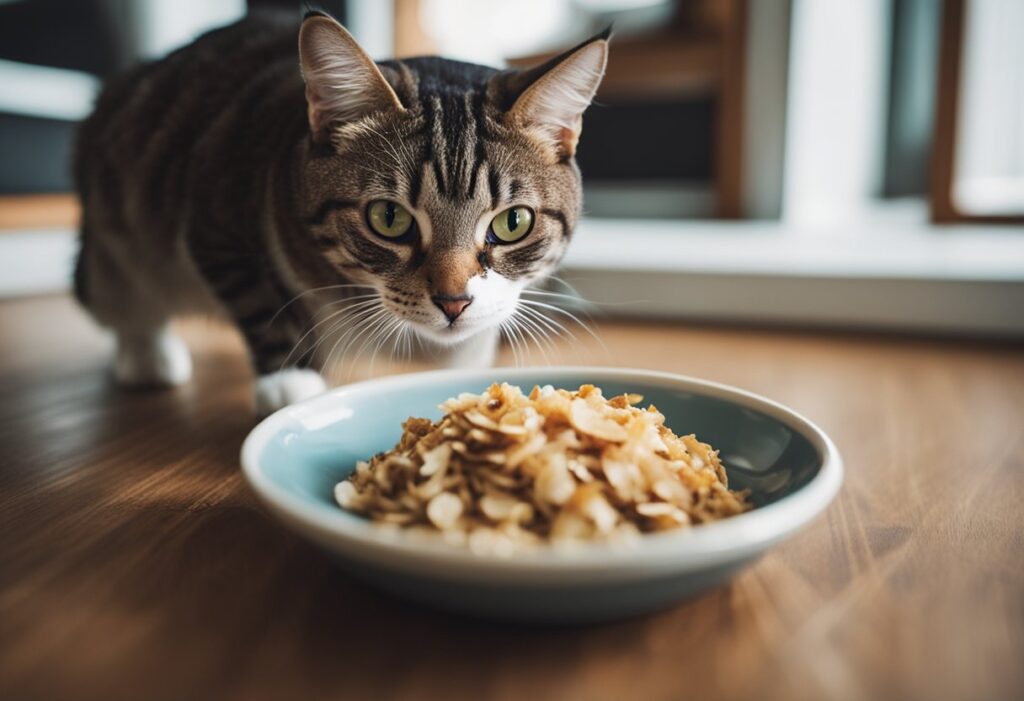
Feeding bonito flakes to cats is a great way to add some variety to their diet and provide them with a tasty treat. Here are some tips on how to feed bonito flakes to your feline friend:
- Start with a small amount: When introducing a new food to your cat, it’s important to start with a small amount to see how they react to it. Give them a small pinch of bonito flakes and see if they like it. If they do, you can gradually increase the amount.
- Use as a treat: Bonito flakes should be used as a treat and not as a replacement for your cat’s regular food. They are high in protein and can be a good source of nutrition, but they should not make up a significant portion of your cat’s diet.
- Sprinkle on top of food: You can sprinkle bonito flakes on top of your cat’s regular food to add some flavor and entice them to eat. This is a great way to introduce them to the flakes and get them used to the taste.
- Avoid overfeeding: As with any treat, it’s important to avoid overfeeding your cat with bonito flakes. Too much can cause digestive issues and lead to weight gain. Stick to a small amount as a treat and monitor your cat’s reaction.
In summary, bonito flakes can be a tasty and nutritious treat for your cat when fed in moderation. Start with a small amount, use as a treat, sprinkle on top of food, and avoid overfeeding. Your cat will love the added flavor and you can feel good about providing them with a healthy snack.
Alternatives to Bonito Flakes for Cats

While bonito flakes are a popular treat for cats, they are not the only option available. Here are some alternatives that can provide similar benefits:
Tuna
Tuna is a great source of protein and omega-3 fatty acids, which are important for a cat’s overall health. It can be given to cats as a treat, but it should not be a regular part of their diet as it can lead to mercury poisoning.
Salmon
Salmon is another great source of protein and omega-3 fatty acids. It can be given to cats in small amounts as a treat, but it should not be a regular part of their diet as it can lead to vitamin B deficiencies.
Chicken
Cooked chicken is a safe and healthy treat for cats. It is a good source of protein and can be given to cats in small amounts as a treat.
Catnip
Catnip is a herb that can be given to cats as a treat. It is not a source of nutrition, but it can provide mental stimulation and entertainment for cats.
Commercial Cat Treats
There are many commercial cat treats available that are specifically formulated for cats. These treats come in a variety of flavors and textures, and they are often fortified with vitamins and minerals.
In conclusion, while bonito flakes are a popular treat for cats, there are many alternatives available that can provide similar benefits. It is important to remember that treats should not make up a large portion of a cat’s diet, and they should be given in moderation.
Frequently Asked Questions
Are fish flakes safe for cats?
Yes, fish flakes can be safe for cats in moderation. However, it is important to note that not all fish flakes are created equal. Some may contain additives or preservatives that can be harmful to cats. It is also important to ensure that the fish flakes are not the primary source of your cat’s diet, as cats require a balanced diet that includes protein, fat, and other nutrients.
What is the phosphorus content of bonito flakes?
Bonito flakes are a popular treat for cats, but they do contain phosphorus. While phosphorus is an essential nutrient for cats, too much of it can be harmful, especially for cats with kidney disease. It is important to monitor your cat’s phosphorus intake and consult with your veterinarian if you have concerns about your cat’s diet.
Are K/d treats safe for cats?
K/d treats are specifically designed for cats with kidney disease and can be a safe and effective way to manage the condition. However, it is important to consult with your veterinarian before introducing any new treats or foods to your cat’s diet, especially if they have a medical condition.
Is Churu safe for cats with kidney disease?
Churu is a popular treat for cats, but it is important to note that some varieties may contain high levels of phosphorus. As with any treat or food, it is important to consult with your veterinarian before giving Churu to a cat with kidney disease.
What are some homemade low protein treats for cats with kidney disease?
There are many homemade treat recipes available for cats with kidney disease that are low in protein and phosphorus. Some options include boiled chicken, tuna, or salmon, or homemade cat treats made with low-protein ingredients such as pumpkin, sweet potato, or green beans. However, it is important to consult with your veterinarian before introducing any new treats or foods to your cat’s diet.
Is it safe for cats to eat Dashi?
Dashi is a Japanese soup stock that is commonly used in cooking. While it is generally safe for cats to consume small amounts of dashi, it is important to note that it can be high in sodium and other additives. As with any food or treat, it is important to consult with your veterinarian before giving dashi to your cat.
For more information visit this E find anything