
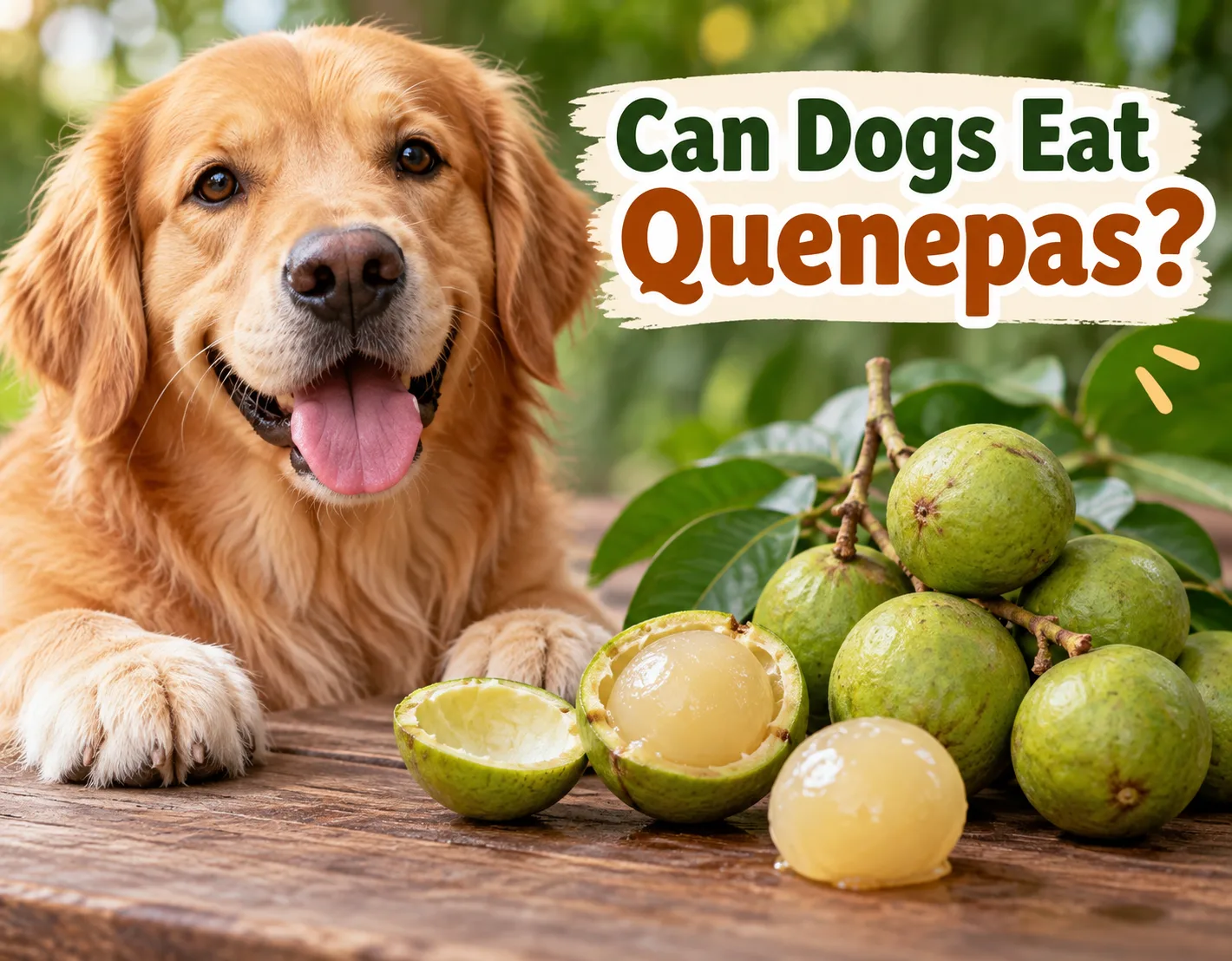
If you’re enjoying a sweet, juicy quenepa and your dog is looking at you with those irresistible eyes, you may wonder, can dogs eat quenepas? Also known as Spanish limes, mamoncillo, or genip, quenepas are tropical fruits with a soft, juicy pulp surrounding a large seed.
The short answer is that dogs can eat a small amount of properly prepared quenepa pulp, but it should only be an occasional treat. The fruit’s large seed and tough outer skin create choking and obstruction concerns, so they should never be given to your dog whole. As with any new food, moderation and careful preparation are important.
In this guide, we’ll explain whether quenepas are safe for dogs, how to prepare them, the potential risks, possible nutritional benefits, and some safer fruit alternatives you can consider.
What Are Quenepas?
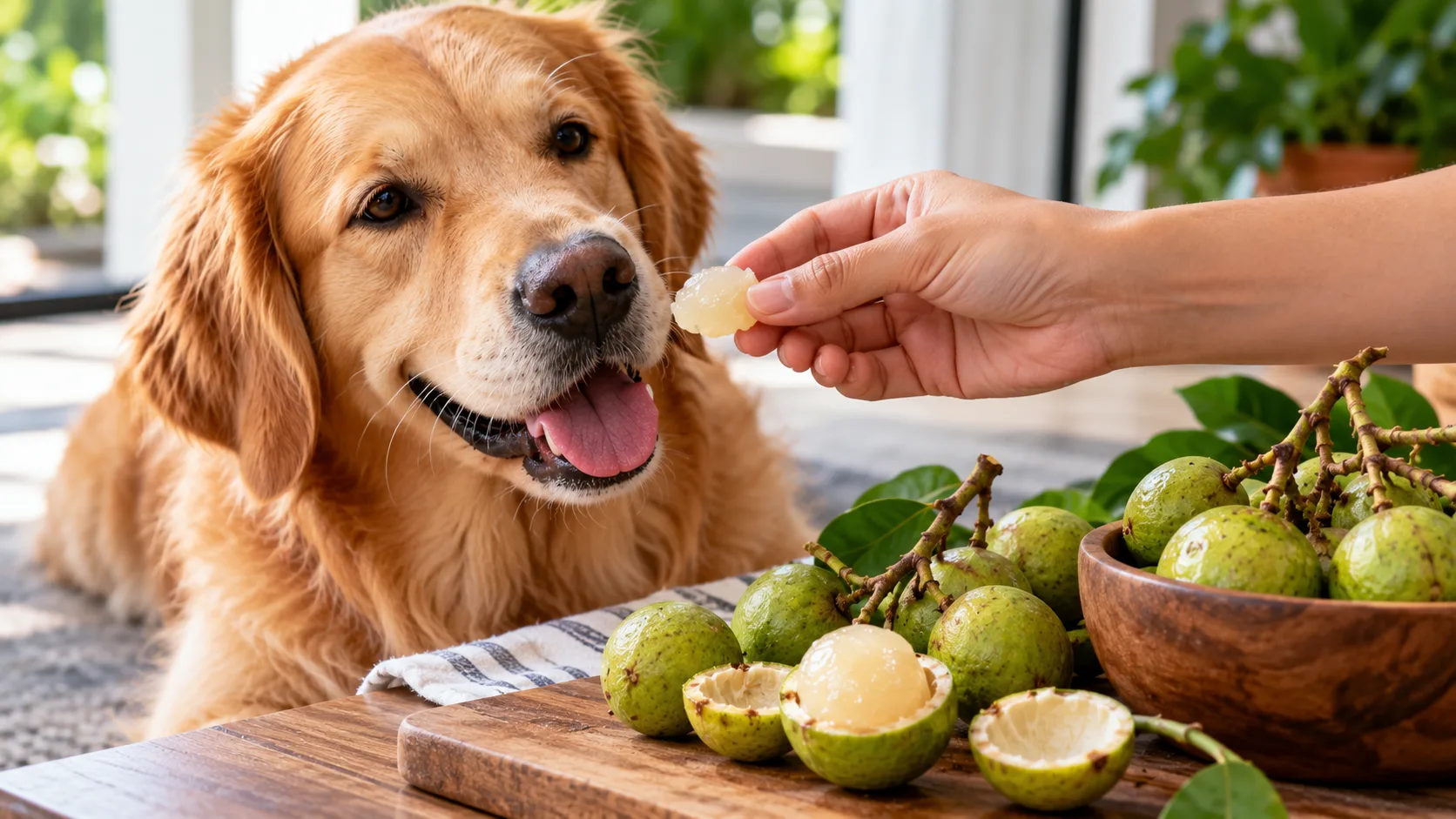
Quenepas are tropical fruits that grow in parts of the Caribbean, Central America, and South America. They are commonly called Spanish lime, mamoncillo, genip, or genipe, depending on the region. The fruit grows in clusters and has a green, relatively firm outer shell.
Inside the shell is a soft, juicy pulp surrounding one large seed. People commonly eat quenepas by opening the outer skin and enjoying the pulp around the seed. The fruit has a sweet and slightly tangy flavor that makes it a popular tropical snack.
According to USDA Forest Service information on quenepa, the edible pulp contains water, carbohydrates, fiber, protein, and several vitamins and minerals, including vitamin C.
However, the fact that quenepas contain nutrients does not mean they are necessary for dogs. Dogs should get most of their nutrition from a complete and balanced diet designed for their life stage.
Can Dogs Eat Quenepas?
Yes, dogs can eat a small amount of quenepa pulp if it is properly prepared. The important part is making sure your dog does not eat the large seed or the tough outer skin.
Quenepas should be viewed as an occasional treat rather than something your dog needs as part of their everyday diet. Fruits and other human foods should complement a balanced dog food rather than replace it. The American Kennel Club similarly recommends that human foods be offered in small quantities and introduced gradually.
- Remove the outer skin: Do not give your dog the whole fruit.
- Remove the seed completely: The large, hard seed can present a choking or gastrointestinal obstruction risk.
- Give only a small amount: Too much fruit can cause digestive upset and adds extra sugar to your dog’s diet.
- Introduce it gradually: A new food can cause stomach upset in some dogs.
- Keep it plain: Avoid quenepa preparations containing added sugar, syrups, seasonings, or other ingredients.
If your dog has a sensitive stomach, diabetes, obesity, food allergies, or another condition affected by diet, speak with your veterinarian before introducing quenepas or other new treats.
How to Prepare Quenepas for Dogs
If you want to let your dog try quenepa, preparation is extremely important. Never simply hand your dog a whole quenepa and allow them to bite through it.
1. Wash the Fruit
Wash the quenepa thoroughly before preparing it. This helps remove dirt and other contaminants from the surface.
2. Remove the Tough Outer Skin
Peel or crack open the outer shell and remove it completely. Your dog should only receive the edible pulp.
3. Remove the Large Seed
This is the most important step. Quenepas contain a large, hard seed. USDA information notes that the seeds are a recognized choking concern.
4. Offer a Small Piece
Once the seed and skin have been removed, offer your dog only a small piece of the pulp. Watch your dog for signs of stomach upset before offering any more.
Potential Risks of Quenepas for Dogs
Although the edible pulp can be offered in small quantities, quenepas aren’t completely risk-free for dogs. Most of the concern comes from the seed, the fruit’s sugar content, and the possibility of digestive upset.
Choking and Obstruction Risk
The large, hard quenepa seed is the biggest concern. A dog that swallows it could potentially choke or develop a gastrointestinal obstruction. This is particularly concerning for small dogs.
For this reason, never allow your dog to chew or swallow a quenepa seed. Remove it before the fruit reaches your dog’s bowl.
Digestive Upset
Eating too much fruit can cause digestive problems in some dogs. Depending on the individual dog, symptoms may include loose stools, diarrhea, vomiting, gas, or general stomach discomfort.
If your dog has never eaten quenepa before, start with a very small amount and see how they respond.
Extra Sugar and Calories
Quenepa pulp contains carbohydrates and naturally occurring sugars. While a small serving is unlikely to be a problem for most healthy dogs, regularly feeding sugary treats can contribute unnecessary calories to the diet.
This is especially important for dogs that are overweight or need a carefully controlled diet.
Possible Food Sensitivity
Any new food can potentially cause an adverse reaction in an individual dog. After introducing quenepa, watch for unusual vomiting, diarrhea, itching, facial swelling, or other concerning symptoms.
If your dog develops significant symptoms, particularly facial swelling or difficulty breathing, contact a veterinarian promptly.
Are Quenepas Healthy for Dogs?
Quenepas contain nutrients that can be part of a varied human diet, including vitamin C and dietary fiber. USDA Forest Service data describes the edible portion as containing water, carbohydrates, fiber, protein, and several micronutrients.
However, it’s important not to overstate the health benefits for dogs. Your dog does not need quenepas to obtain these nutrients, and there is no reason to use the fruit as a nutritional supplement.
Vitamin C
Quenepa pulp contains vitamin C. However, healthy dogs generally do not need fruit specifically to meet their vitamin C requirements because dogs can synthesize vitamin C themselves.
Dietary Fiber
The edible pulp contains dietary fiber, which can contribute to normal digestive function. Still, a dog’s primary diet should provide the appropriate balance of nutrients and fiber for their individual needs.
Water Content
Quenepa pulp contains a substantial amount of water. While this contributes to the fruit’s juicy texture, fresh water should always be your dog’s primary source of hydration.
How Many Quenepas Can Dogs Eat?
There is no universal number of quenepas that is appropriate for every dog. A dog’s size, age, health, activity level, and overall diet all matter.
Instead of thinking about a specific number, treat quenepa as an occasional snack. Start with a small piece of seedless pulp and observe your dog afterward. If your dog experiences digestive upset, stop offering the fruit.
As a general feeding principle, treats and human foods should remain a relatively small part of a dog’s overall diet. If you’re unsure how quenepa fits into your dog’s daily calorie allowance, your veterinarian can provide individualized advice.
What Should You Do If Your Dog Eats a Quenepa Seed?
If your dog accidentally swallows a quenepa seed, don’t panic, but don’t ignore it either. The appropriate response depends on the dog’s size, the size of the seed, how many were swallowed, and whether the dog is showing symptoms.
Contact your veterinarian for advice, particularly if your dog swallowed the seed whole or is a small breed. Watch for signs such as repeated vomiting, abdominal discomfort, loss of appetite, lethargy, difficulty swallowing, coughing, or changes in bowel movements.
Do not induce vomiting unless a veterinarian specifically tells you to do so. Veterinary guidance is important because attempting to make a dog vomit can sometimes create additional risks.
Safer Fruit Alternatives to Quenepas for Dogs
If you’re looking for fruit to share with your dog, there are several options that can be easier to prepare. Fruits should still be given in moderation and prepared appropriately.
1. Blueberries
Blueberries are small, convenient treats that many dogs enjoy. They can be offered fresh and plain in moderation.
2. Apples
Small pieces of apple can be a tasty treat for dogs. Remove the core and seeds before serving and cut the fruit into an appropriate size for your dog.
3. Carrots
Although technically a vegetable, carrots are a popular low-calorie snack for dogs. They can be served raw in appropriately sized pieces or cooked without seasoning.
4. Green Beans
Plain green beans can also be offered to many dogs in moderation. Avoid versions prepared with salt, sauces, butter, onions, or garlic.
5. Strawberries
Fresh strawberries can be an occasional treat for dogs. Wash them, remove the green tops, and cut larger berries into manageable pieces.
The American Kennel Club lists several fruits and vegetables that can be appropriate for dogs when properly prepared, while also emphasizing that certain foods such as grapes and raisins should be avoided.
Foods Dogs Should Never Eat
While you’re checking whether a particular fruit is safe for your dog, it’s also useful to remember that some common human foods can be dangerous. Foods such as grapes, raisins, onions, garlic, chocolate, and products containing xylitol should not be given to dogs.
When introducing any human food, keep the serving plain and avoid ingredients such as excessive salt, sugar, butter, sauces, and seasonings.
Can Dogs Eat Quenepas? Final Answer
Yes, dogs can eat a small amount of quenepa pulp occasionally, provided it is properly prepared. The fruit should be peeled, and the large seed must be completely removed before giving it to your dog.
Quenepas aren’t necessary for a dog’s diet, so there’s no need to make them a regular treat. If your dog enjoys the fruit and tolerates it well, a small amount of plain, seedless pulp can be an occasional snack.
When introducing any new food, start slowly and pay attention to your dog’s response. If your dog has a medical condition, follows a prescription diet, or accidentally swallows a quenepa seed, contact your veterinarian for personalized advice.
Frequently Asked Questions About Dogs and Quenepas
Can dogs eat quenepas safely?
Dogs can generally have a small amount of properly prepared quenepa pulp as an occasional treat. Remove the tough outer skin and large seed first. Never give your dog a whole quenepa because the seed can create a choking or obstruction risk.
Can dogs eat quenepa seeds?
No. Dogs should not be allowed to swallow quenepa seeds. The seed is large and hard, making it a potential choking and gastrointestinal obstruction hazard. Always remove it before offering the pulp.
Can puppies eat quenepas?
It is better to be especially cautious with puppies. Puppies have different nutritional requirements and may be more likely to swallow food without chewing properly. If you want to introduce quenepa to a puppy, ask your veterinarian first and offer only a very small amount of properly prepared pulp if they approve it.
Can dogs eat quenepa skin?
It is best not to give dogs the tough outer skin. Remove the shell and serve only a small amount of the edible pulp after the seed has been removed.
Can quenepas make dogs sick?
They can cause stomach upset if a dog eats too much or doesn’t tolerate the fruit. Vomiting or diarrhea can occur after eating an unfamiliar food. The seed is a separate concern because of its choking and obstruction risk.
Are quenepas toxic to dogs?
Quenepa pulp is not generally considered a typical toxic food for dogs, but that doesn’t mean every part of the fruit is safe to consume. The large seed and tough outer covering should be removed, and the pulp should only be offered in small quantities.
Are quenepas good for dogs?
Quenepas contain nutrients such as vitamin C and dietary fiber, but dogs don’t need quenepas to maintain a healthy diet. A complete and balanced dog food should provide the majority of their nutritional needs. Quenepa can simply be an occasional treat for a dog that tolerates it well.
How should I give quenepas to my dog?
Wash the fruit, remove the outer shell, take out the entire seed, and offer a small piece of plain pulp. Do not add sugar, syrup, salt, spices, or other ingredients.
What should I do if my dog ate a whole quenepa?
If your dog swallowed a whole quenepa, contact your veterinarian for advice. This is particularly important if the seed was swallowed. Seek urgent veterinary attention if your dog is choking, having trouble breathing, repeatedly vomiting, becoming very weak, or showing signs of significant abdominal discomfort.
What fruits are safer alternatives to quenepas for dogs?
Small portions of properly prepared blueberries, strawberries, apples, and other dog-safe fruits can be alternatives. Always remove potentially hazardous seeds, pits, cores, stems, and rinds when appropriate. The American Kennel Club recommends several fruits and vegetables as occasional dog treats.
When should I contact a veterinarian?
Contact your veterinarian if your dog swallows a quenepa seed, eats a large quantity of the fruit, or develops concerning symptoms such as repeated vomiting, severe diarrhea, difficulty breathing, facial swelling, extreme lethargy, or signs of abdominal pain.