
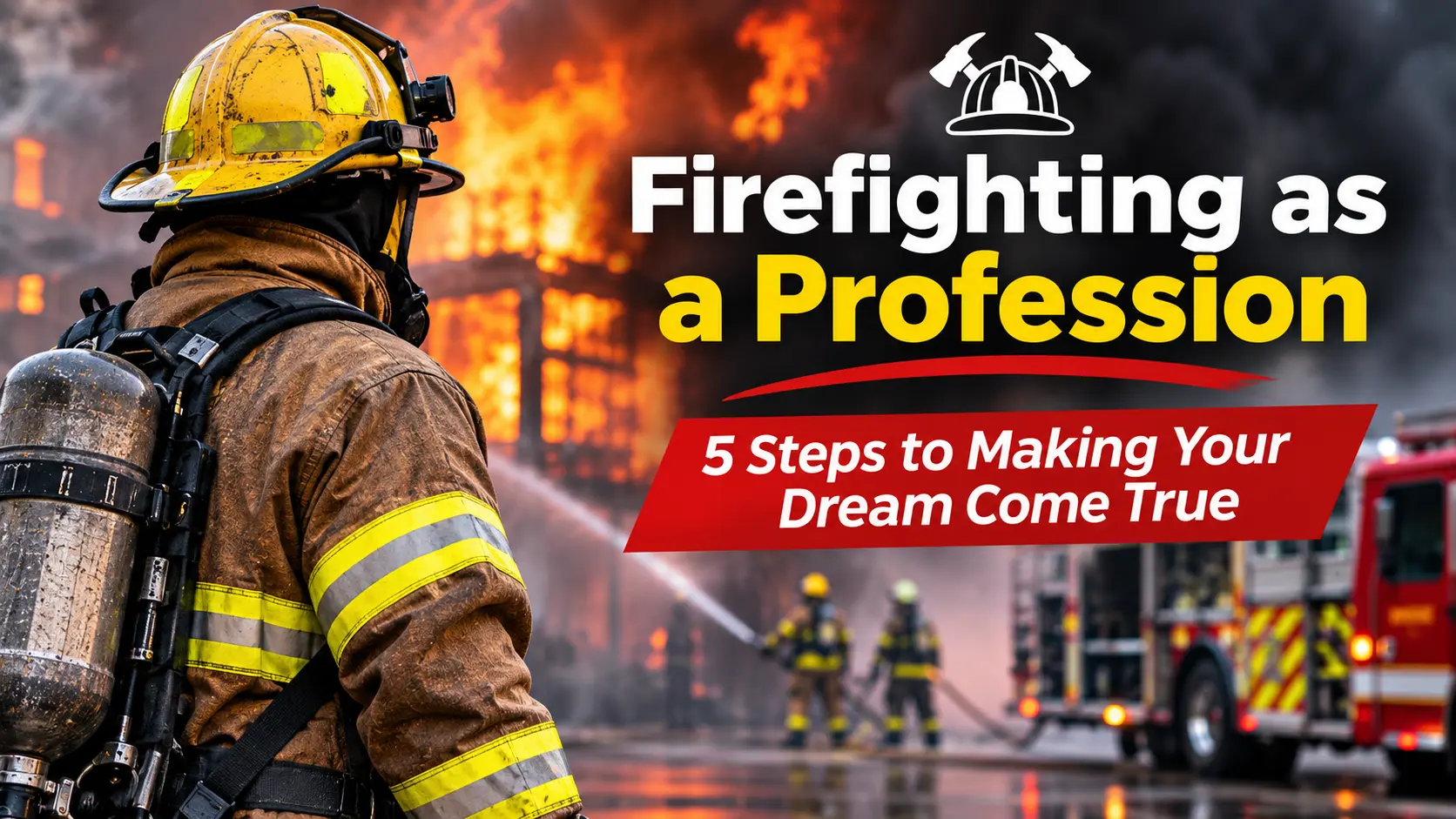
Becoming a firefighter is more than choosing a career. It is a commitment to protecting lives, serving communities, and responding to emergencies when people need help the most. For individuals who want a challenging and meaningful profession, firefighting as a profession offers opportunities to make a genuine difference while developing valuable personal and professional skills.
However, becoming a firefighter requires much more than courage and a desire to help others. It demands physical fitness, emotional resilience, discipline, teamwork, and the ability to make important decisions under pressure.
Before pursuing this career, it is essential to understand what the job involves and how it can affect your everyday life. Although firefighter recruitment requirements vary between countries and departments, the mindset and personal qualities needed to succeed are remarkably similar.
You can start by researching the firefighter requirements and qualifications in your region, including educational qualifications, physical assessments, medical standards, and recruitment procedures.
Here are five important factors to consider before turning your dream of becoming a firefighter into reality.
1. Understand the Emotional Challenges of Being a Firefighter
One of the most important qualities of a successful firefighter is emotional resilience. Firefighters regularly face unpredictable and stressful situations, including house fires, road accidents, natural disasters, and other emergencies.
While saving lives and helping people recover from dangerous situations can be incredibly rewarding, not every emergency has a positive outcome. Firefighters may witness serious injuries, loss of life, property destruction, and traumatic situations that can have a lasting emotional impact.
Learning how to manage these experiences is an essential part of the profession.
Emotional resilience does not mean ignoring your feelings or pretending to be unaffected by difficult experiences. Instead, it means recognizing emotional stress, developing healthy coping strategies, and knowing when to seek professional support.
Successful firefighters often develop these skills through:
- Learning to remain calm during high-pressure situations.
- Communicating effectively with colleagues and emergency victims.
- Building confidence through practical training and experience.
- Seeking support from trusted colleagues, supervisors, and mental health professionals.
- Maintaining healthy routines outside working hours.
You do not need to be emotionally invincible to become a firefighter. What matters is your willingness to learn, adapt, and develop the resilience required to handle challenging situations.
2. Be Prepared for Irregular Working Hours
Firefighting is not a typical nine-to-five profession. Emergencies can happen at any time, which means firefighters must be prepared to work nights, weekends, public holidays, and extended shifts.
Depending on the fire department and local employment arrangements, firefighters may work rotating shifts, overnight schedules, or other duty patterns. Some departments also require additional availability during emergencies or major incidents.
These working arrangements can affect your personal and social life.
For example, you may occasionally miss family celebrations, social gatherings, or important appointments because you are required to remain on duty. Long shifts can also make it challenging to maintain a consistent sleeping schedule.
Before choosing this career, consider whether you are comfortable with these lifestyle changes.
Here are some practical ways to manage the demands of shift work:
- Establish a consistent sleep routine whenever possible.
- Communicate your work schedule with family members.
- Make time for relationships and personal activities.
- Maintain a healthy diet and regular exercise routine.
- Use your days off to recover physically and mentally.
Understanding the working conditions before applying can help you decide whether firefighting is compatible with your long-term lifestyle and personal responsibilities.
3. Develop Excellent Physical Fitness and Strength
Physical fitness is one of the fundamental requirements of a firefighting career. Firefighters must be physically prepared to perform demanding tasks in dangerous environments, often while wearing heavy protective equipment.
Depending on the emergency, their responsibilities may include carrying equipment, climbing stairs, moving heavy objects, assisting injured people, operating hoses, and working in environments with limited visibility.
These activities require a combination of cardiovascular endurance, muscular strength, flexibility, balance, and stamina.
Physical preparation should begin well before applying for a firefighter recruitment program.
Consider incorporating the following activities into your fitness routine:
- Cardiovascular training: Running, cycling, swimming, and other aerobic exercises can help improve endurance.
- Strength training: Exercises such as squats, push-ups, lunges, and controlled weight training help develop functional strength.
- Core exercises: Planks and other core movements can improve stability and balance.
- Flexibility training: Stretching and mobility exercises can support movement and reduce the risk of certain injuries.
- Endurance training: Gradually increasing exercise duration can help prepare you for physically demanding activities.
Firefighter recruitment processes may include physical ability assessments designed to evaluate whether candidates can safely perform essential job duties.
Always check the specific fitness standards established by your local fire department and follow a suitable training program.
4. Understand the Advantages and Disadvantages of the Profession
Every career has advantages and disadvantages, and firefighting is no exception. Although it is often viewed as an exciting and rewarding profession, the reality can be considerably more demanding than what people see in movies or television programs.
Understanding both sides of the job can help you make a more informed career decision.
Advantages of Becoming a Firefighter
Making a difference in people’s lives: Firefighters have the opportunity to protect lives, assist communities, and help people during some of their most difficult moments.
A strong sense of purpose: Knowing that your work contributes to public safety can provide a meaningful sense of professional satisfaction.
Teamwork and lifelong friendships: Working together in challenging situations can create strong professional relationships and a sense of belonging.
Opportunities for professional development: Firefighters may receive specialized training in areas such as rescue operations, hazardous materials response, emergency medical assistance, and incident management.
Career development opportunities: Depending on the department, experienced firefighters may progress into supervisory, training, specialist, or leadership positions.
Disadvantages of Becoming a Firefighter
Exposure to dangerous situations: Firefighters face potential hazards such as extreme heat, smoke, structural collapse, hazardous materials, and other workplace risks.
Emotional stress: Responding to serious accidents, injuries, and fatalities can affect mental and emotional well-being.
Irregular working schedules: Night shifts, weekends, holidays, and extended duty periods can interfere with personal commitments.
Physical demands: The job requires ongoing fitness and can involve strenuous activities and occupational injuries.
Time away from family: Emergency responsibilities and demanding schedules may make it difficult to maintain a predictable family and social routine.
Take time to consider these advantages and disadvantages honestly. A genuine interest in helping people is important, but you should also understand the responsibilities and sacrifices associated with the profession.
5. Understand Your Responsibilities and the Importance of Teamwork
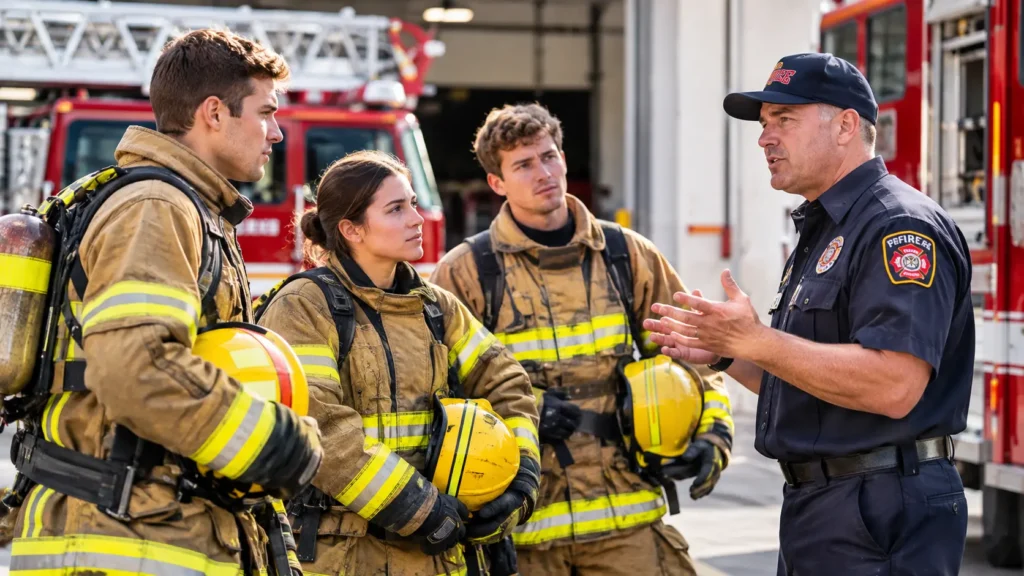
Firefighting is a profession built around teamwork, communication, discipline, and responsibility. Even highly skilled firefighters depend on their colleagues to complete emergency operations safely and effectively.
During an emergency, every team member has a specific responsibility. Following instructions, communicating clearly, and understanding operational procedures can make a significant difference to the safety of everyone involved.
A firefighter must be prepared to:
- Follow instructions from team leaders and incident commanders.
- Communicate important information accurately.
- Work cooperatively with other emergency responders.
- Follow safety procedures and operational protocols.
- Maintain equipment and protective clothing.
- Remain focused and make responsible decisions under pressure.
- Take responsibility for personal performance and team safety.
Professionalism is just as important as physical strength. A firefighter who cannot communicate effectively or cooperate with colleagues may put the entire team at risk.
You should also remember that firefighting is a public service. Your responsibility extends beyond responding to fires. Depending on your department, you may participate in rescue operations, emergency response, community safety education, and other activities that protect the public.
Developing respect for colleagues, following instructions, and continuously improving your skills will help you become a dependable member of a firefighting team.
How to Start Your Journey Towards Becoming a Firefighter
Understanding the realities of the profession is the first step. If you are serious about becoming a firefighter, you should also prepare for the recruitment and training process.
Although the exact procedure varies by country and fire department, the following steps provide a useful starting point.
- Research local recruitment requirements: Check age limits, educational qualifications, medical standards, citizenship or residency requirements, and other eligibility criteria.
- Improve your physical fitness: Develop strength, endurance, and mobility to prepare for physical assessments.
- Prepare for recruitment examinations: Some departments require written tests, interviews, aptitude assessments, or practical evaluations.
- Develop communication and teamwork skills: Learn to work effectively with others and remain composed under pressure.
- Complete the required firefighter training: Successful candidates may need to complete formal training covering fire behavior, equipment operation, rescue procedures, emergency response, and workplace safety.
For additional career preparation advice, explore our guide to developing valuable professional skills and improving your career opportunities.
Remember that meeting the minimum recruitment requirements is only the beginning. Firefighters must continue learning and maintaining their skills throughout their careers.
Final Thoughts: Is Firefighting the Right Career for You?
Choosing firefighting as a profession is a significant decision that requires careful consideration. It offers the opportunity to serve communities, protect lives, develop valuable skills, and build meaningful professional relationships.
However, it also comes with physical demands, emotional challenges, irregular working hours, and considerable responsibility.
Before applying, take time to evaluate your physical abilities, emotional resilience, personal commitments, and willingness to work as part of a disciplined team.
If you genuinely want to help others, are prepared to face challenges, and are committed to continuous learning, firefighting could be a fulfilling long-term career.
Your journey does not begin when you enter a fire station. It begins with preparation, discipline, and the determination to become someone others can depend on.
Frequently Asked Questions About Firefighting as a Profession
1. Is firefighting a good career choice?
Firefighting can be a rewarding career for people who enjoy helping others, working in teams, and handling challenging situations. However, it involves physical demands, potential exposure to danger, emotional stress, and irregular working hours. It is important to understand these responsibilities before choosing the profession.
2. What qualifications do you need to become a firefighter?
Qualifications vary depending on the country and fire department. Common requirements may include a minimum educational qualification, meeting age and medical standards, passing physical fitness assessments, and completing the required firefighter training. Always check the recruitment guidelines of your local department.
3. Do firefighters need to be physically strong?
Yes. Physical fitness is essential because firefighters perform demanding tasks such as carrying equipment, climbing stairs, moving objects, and assisting people during emergencies. Cardiovascular endurance, muscular strength, flexibility, and stamina are all important.
4. Is firefighting emotionally challenging?
Yes. Firefighters may respond to traumatic accidents, serious injuries, fires, and fatalities. These experiences can affect emotional well-being. Developing healthy coping strategies, maintaining supportive relationships, and accessing professional mental health support when necessary are important.
5. What are the biggest challenges of being a firefighter?
Some of the main challenges include exposure to dangerous environments, emotional stress, physically demanding duties, irregular working schedules, and time away from family. Firefighters must also maintain their fitness and professional skills throughout their careers.
6. Do firefighters work night shifts and weekends?
Many firefighters work rotating shifts that include nights, weekends, and public holidays. However, working arrangements differ between fire departments and countries. Candidates should review the specific employment conditions before applying.
7. Can women become professional firefighters?
Yes. Women can pursue professional firefighting careers. Recruitment standards and essential job requirements vary between departments, but qualified candidates can apply according to the applicable recruitment rules and selection criteria.
8. How can I prepare for a firefighting career?
Start by researching local recruitment requirements, improving your physical fitness, developing communication and teamwork skills, and preparing for written and practical assessments. Completing the required professional training is also an essential part of becoming a firefighter.
9. Is firefighting only about putting out fires?
No. Firefighters may also respond to road accidents, rescue operations, hazardous materials incidents, natural disasters, and other emergencies. Many departments also participate in fire prevention education and community safety programs.
10. What personal qualities make a good firefighter?
Important qualities include courage, discipline, emotional resilience, physical fitness, teamwork, communication, adaptability, and the ability to make responsible decisions under pressure. A commitment to public safety and continuous learning is equally important.