
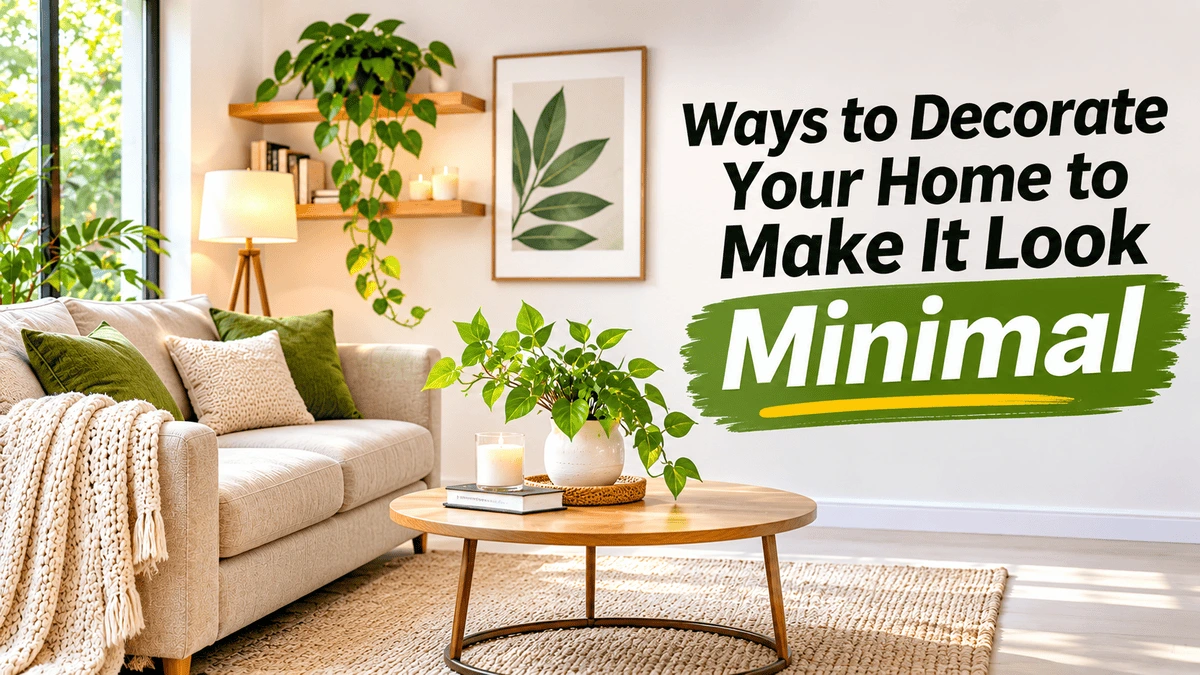
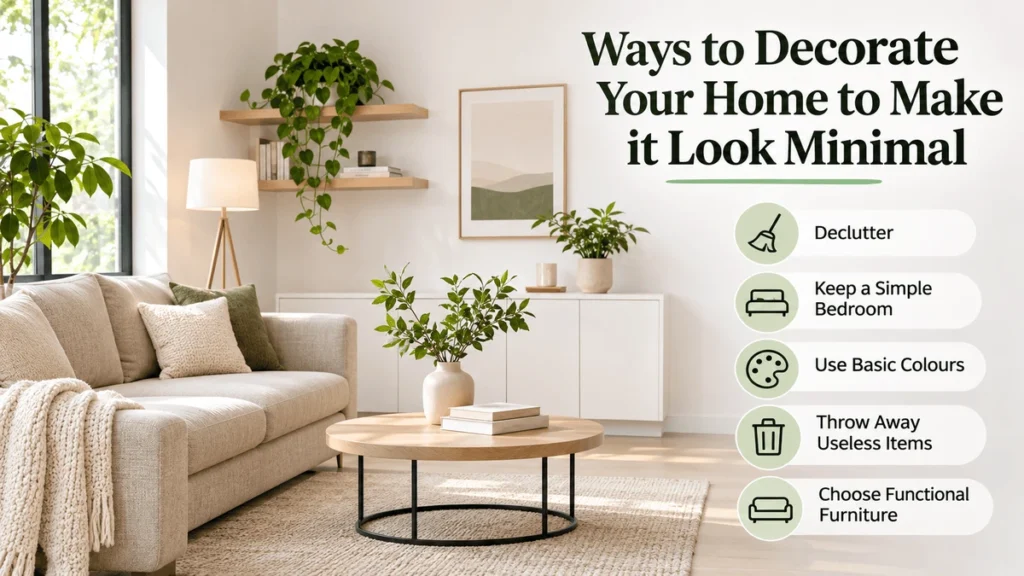
Creating a minimalist home is about more than simply removing unnecessary furniture or keeping fewer decorations. It involves designing a comfortable, functional, and visually balanced living space where every item has a purpose. Whether you live in a small apartment or a spacious family home, minimalist interior design can help make your surroundings feel more organized, peaceful, and inviting.
If you have noticed that your home feels overcrowded or contains too many unnecessary belongings, it may be time to rethink your decorating approach. Perhaps you want to embrace a simpler lifestyle, refresh your interior, or discover affordable ways to decorate your place.
The good news is that you do not need expensive furniture, major renovations, or a professional interior designer to achieve a minimalist appearance. A few thoughtful changes can make a noticeable difference.
In this guide, we explore practical and affordable ways to decorate your home to make it look minimal, including choosing neutral colours, reducing clutter, selecting functional furniture, and creating a more balanced living environment.
1. Declutter Your Living Space
Decluttering is one of the most important steps when creating a minimalist home. Even beautifully designed furniture and attractive decorations can lose their impact when surrounded by unnecessary belongings.
Start by examining each room and identifying items that you no longer use, need, or enjoy. These might include old magazines, unused kitchen equipment, broken accessories, outdated decorations, and clothing that has been sitting in your wardrobe for years.
Instead of attempting to organize your entire home in one day, focus on one area at a time. Begin with a bedroom drawer, kitchen cupboard, bookshelf, or living room storage space.
Consider the following approaches:
- Donate usable belongings: Give unwanted clothing, furniture, and household items to people who can benefit from them.
- Remove broken objects: Dispose of damaged items that cannot reasonably be repaired.
- Organize everyday essentials: Keep frequently used belongings accessible without leaving everything on display.
- Avoid unnecessary purchases: Think carefully before bringing additional decorative items into your home.
According to the principles of minimalist living, everything in your home should have a purpose or provide genuine enjoyment. Professional decluttering advice, such as these expert strategies to declutter your home, can also help you develop a more manageable approach.
The result is a cleaner environment where furniture, architectural details, and carefully selected decorations become more noticeable.
2. Create a Simple and Relaxing Bedroom
Your bedroom should be a comfortable place where you can relax without feeling surrounded by unnecessary distractions. A minimalist bedroom focuses on simplicity, functionality, and a calm atmosphere.
Start with the most important furniture. A comfortable bed, a practical bedside table, and a suitable wardrobe may be all you need for a basic bedroom arrangement.
Avoid filling every available surface with decorative objects. Instead, choose a few meaningful accessories that complement the overall design.
Here are some practical ideas:
- Use simple bedding in white, beige, grey, or other neutral shades.
- Keep bedside tables free from unnecessary objects.
- Choose furniture with built-in storage.
- Remove unused items from drawers and wardrobes.
- Use simple curtains that complement the bedroom colour scheme.
- Limit wall decorations to a few carefully selected pieces.
If you have limited bedroom space, consider multifunctional furniture such as beds with storage compartments or bedside tables with drawers.
You can also explore online resources and expert advice for additional inspiration when creating a minimalist bedroom. The objective is not to make the room look empty but to create a comfortable environment where everything has its place.
3. Choose a Neutral and Consistent Colour Palette
Colour selection has a significant influence on how your home looks and feels. If you want a minimalist interior, choosing a simple and consistent colour palette is an excellent starting point.
Neutral colours are particularly popular in minimalist interior design because they create a clean and balanced appearance.
Consider using:
- White: Creates a bright, open, and refreshing atmosphere.
- Beige: Adds warmth without making the interior look overly colourful.
- Light grey: Provides a modern and understated appearance.
- Cream: Offers a softer alternative to pure white.
- Soft brown: Introduces a natural and comfortable feeling.
You do not have to use exactly the same colour throughout your entire home. Instead, select two or three complementary shades and use them consistently across different rooms.
For example, white walls combined with beige furniture, light wooden flooring, and a few darker decorative accents can create an attractive minimalist interior.
Avoid introducing too many contrasting colours, complicated patterns, or visually overwhelming decorations. A coordinated colour scheme helps different areas of your home feel connected.
4. Remove Decorations You No Longer Need
Decorative accessories can make a home feel more personal, but displaying too many of them can create visual clutter.
Many households accumulate small decorative objects over time. These might include souvenirs, inexpensive ornaments, artificial flowers, old picture frames, and accessories purchased without a specific decorating plan.
Rather than displaying everything you own, select a few items that genuinely complement your interior.
For example, a simple vase, a beautiful wall clock, or one carefully selected piece of artwork can create an attractive focal point.
Try following the one-in, one-out approach. Whenever you purchase a new decorative accessory, consider removing an existing item that serves a similar purpose.
This helps prevent unnecessary accumulation while allowing you to refresh your home’s appearance occasionally.
Remember that minimalist decorating does not mean removing all personality from your home. It means being more selective about the things you choose to display.
5. Choose Functional and Simple Furniture
Furniture is one of the most noticeable elements of any interior design. Large, complicated, or excessive furniture arrangements can make even a spacious room feel crowded.
For a minimalist appearance, choose furniture that combines practical functionality with simple design.
Look for pieces featuring:
- Clean lines and uncomplicated shapes.
- Neutral or natural colours.
- Smooth surfaces and minimal decorative details.
- Practical storage compartments.
- Appropriate proportions for your available space.
For example, a simple sofa, a compact coffee table, and a functional TV unit can create a well-organized living room without requiring numerous additional pieces.
If you have a small home, multifunctional furniture is particularly useful. Storage beds, folding dining tables, nesting tables, and ottomans with hidden storage can help you make better use of limited space.
Before purchasing new furniture, measure your available floor space. Leaving enough room to move comfortably between furniture pieces is essential for maintaining an open and uncluttered appearance.
6. Make Better Use of Natural Light
Natural lighting can significantly improve the appearance of a minimalist home. Bright spaces often feel more open, welcoming, and spacious.
Whenever possible, allow natural daylight to enter your rooms instead of covering windows with heavy curtains or unnecessary decorations.
Here are a few simple ways to improve natural lighting:
- Use lightweight curtains or blinds.
- Keep windows clean and free from obstructions.
- Position mirrors where they can reflect natural light.
- Avoid placing large furniture directly in front of windows.
- Choose lighter wall colours to help rooms feel brighter.
If a particular room receives very little sunlight, use suitable artificial lighting to create a comfortable atmosphere.
Simple ceiling lights, understated pendant lamps, and practical table lamps can complement minimalist interiors without becoming distracting decorative features.
7. Keep Your Walls Simple
Walls provide an excellent opportunity to introduce personality into your home. However, covering every available wall with pictures, shelves, decorations, and accessories can make a room look unnecessarily busy.
Minimalist wall decoration focuses on simplicity and visual balance.
Instead of displaying numerous small pictures, consider choosing one larger artwork or a small collection of coordinated frames.
You can also use:
- Simple framed photographs.
- Minimalist wall clocks.
- Subtle wall-mounted shelves.
- Neutral-coloured artwork.
- Natural textures and understated wall decorations.
Another option is to leave some wall space completely empty. Empty space is an important part of minimalist interior design because it allows individual decorative elements to stand out.
The goal is to create a visually balanced room rather than filling every available surface.
8. Add Natural Elements to Your Interior
A minimalist home does not need to look cold or lifeless. Introducing natural elements can make a simple interior feel warmer and more welcoming.
Indoor plants are one of the easiest ways to achieve this. A small number of carefully positioned plants can introduce natural colour without overwhelming the overall design.
Consider adding:
- Small indoor plants.
- Simple ceramic plant pots.
- Wooden furniture and accessories.
- Natural fibre rugs.
- Woven storage baskets.
- Cotton or linen fabrics.
Choose plants according to the amount of natural light available in each room. Low-maintenance varieties can be particularly suitable if you have limited time for plant care.
Natural materials also help create visual interest without requiring complicated patterns or excessive decorations.
9. Organize Your Storage Areas
A minimalist home is easier to maintain when everything has a designated storage location.
Even if your main living areas look tidy, overflowing cupboards, messy wardrobes, and disorganized kitchen cabinets can make everyday living more difficult.
Invest in practical storage solutions that help keep frequently used belongings organized.
For example, you could use:
- Storage baskets for smaller household items.
- Drawer organizers for kitchen accessories.
- Wardrobe organizers for clothing.
- Hidden storage furniture for living rooms.
- Wall-mounted shelves for selected essentials.
Try to avoid purchasing storage products simply to hide belongings you do not need. Decluttering should come before organizing.
For additional inspiration on making a property more comfortable and functional, explore these smart ways to make new homes in Amarillo more comfortable.
10. Keep Your Kitchen Countertops Clear
The kitchen is one of the easiest places for unnecessary belongings to accumulate. Small appliances, food containers, cooking accessories, and decorative objects can quickly occupy valuable countertop space.
A minimalist kitchen should prioritize functionality and easy maintenance.
Start by removing appliances and accessories that you rarely use. Store everyday cooking equipment in suitable cupboards whenever possible.
You can also:
- Keep only essential appliances on countertops.
- Organize spices in matching containers.
- Store cleaning products away from visible surfaces.
- Use simple kitchen accessories.
- Keep frequently used items within easy reach.
You do not need to replace your entire kitchen to achieve this appearance. Simply organizing existing belongings and removing unnecessary objects can make a noticeable difference.
11. Select Simple Flooring and Rugs
Flooring is another important consideration when creating a minimalist interior.
Natural wood, light-coloured tiles, and simple flooring designs can complement a clean and understated decorating style.
If you want to introduce additional comfort, consider using a neutral-coloured rug with a simple pattern or texture.
Avoid combining too many different rug designs, colours, and flooring materials in the same space.
Choose rugs that are appropriately sized for your furniture arrangement. A well-positioned rug can help define a living area without making the room look crowded.
If you are considering updating your existing floors, you can also explore practical ideas for tiling your home.
12. Avoid Buying Unnecessary Household Items
One of the biggest challenges of maintaining a minimalist home is preventing clutter from returning.
It is easy to purchase inexpensive decorations, kitchen accessories, toys, and household products simply because they look attractive or are available at a discount.
However, frequent unnecessary purchases can gradually make your home feel crowded again.
Before purchasing something new, ask yourself three simple questions:
- Do I genuinely need this item?
- Do I have enough space to store or display it?
- Will it complement my existing home design?
If the answer to these questions is no, consider avoiding the purchase.
You can also establish a regular household decluttering routine. Reviewing your belongings every few months makes it easier to maintain an organized environment.
Final Thoughts
Creating a minimalist home does not require expensive renovations or completely replacing your existing furniture. Small, thoughtful changes can make your living environment look cleaner, brighter, and more comfortable.
Start by removing unnecessary belongings, choosing a consistent colour palette, simplifying your furniture arrangement, and making better use of natural light. You can gradually introduce natural materials, practical storage solutions, and carefully selected decorative accessories.
Most importantly, remember that minimalism is about creating a home that works for your lifestyle. You do not need to follow every interior design trend or remove everything that makes your home personal.
Focus on keeping what is useful, choosing decorations you genuinely appreciate, and maintaining a comfortable balance between functionality and appearance.
Frequently Asked Questions
1. How can I make my home look minimalist on a budget?
Start by decluttering, rearranging existing furniture, using neutral colours, and removing unnecessary decorations. You do not need expensive furniture or renovations to create a minimalist appearance.
2. What colours are best for a minimalist home?
White, beige, cream, light grey, and soft brown are popular choices. These colours create a calm and balanced appearance while making rooms feel brighter and more spacious.
3. Does minimalist interior design mean having fewer furniture pieces?
Not necessarily. Minimalist interior design focuses on choosing functional furniture that suits your space. The aim is to avoid unnecessary pieces while maintaining comfort and practicality.
4. How can I make a small room look minimalist?
Use light colours, multifunctional furniture, simple decorations, and practical storage solutions. Keep walkways clear and avoid overcrowding the room with unnecessary belongings.
5. How do I maintain a minimalist home?
Develop regular cleaning and decluttering habits. Avoid unnecessary purchases, return items to their designated storage locations, and periodically review belongings that you no longer use.
6. Can I decorate a minimalist home with plants?
Yes. Indoor plants are an excellent way to introduce natural colour and texture. Choose a few suitable plants and place them strategically without overcrowding your rooms.