E Find Anything
Monday, February 2, 2026
  • Home
  • Health & Fitness
  • Technology
  • Pets
  • Business
  • Financial Services
  • Home Products & Services
  • Other Categories
    • Cars & Other Vehicles
    • E Money
    • Education
    • Entertainment
    • Foods
    • Games
    • Lifestyle
    • Other
    • People and Society
    • Relationships
    • Spirituality
    • Travel
  • About Us
  • Contact Us
No Result
View All Result
  • Home
  • Health & Fitness
  • Technology
  • Pets
  • Business
  • Financial Services
  • Home Products & Services
  • Other Categories
    • Cars & Other Vehicles
    • E Money
    • Education
    • Entertainment
    • Foods
    • Games
    • Lifestyle
    • Other
    • People and Society
    • Relationships
    • Spirituality
    • Travel
  • About Us
  • Contact Us
No Result
View All Result
E Find Anything
No Result
View All Result
Home Pets

Can Donkeys Eat Carrots? The Sweet Truth About This Classic Treat

Bryan Davis by Bryan Davis
December 15, 2025
in Pets
Reading Time: 8 mins read
0
0
SHARES
5
VIEWS
Share on FacebookShare on Twitter
Can Donkeys Eat Carrots

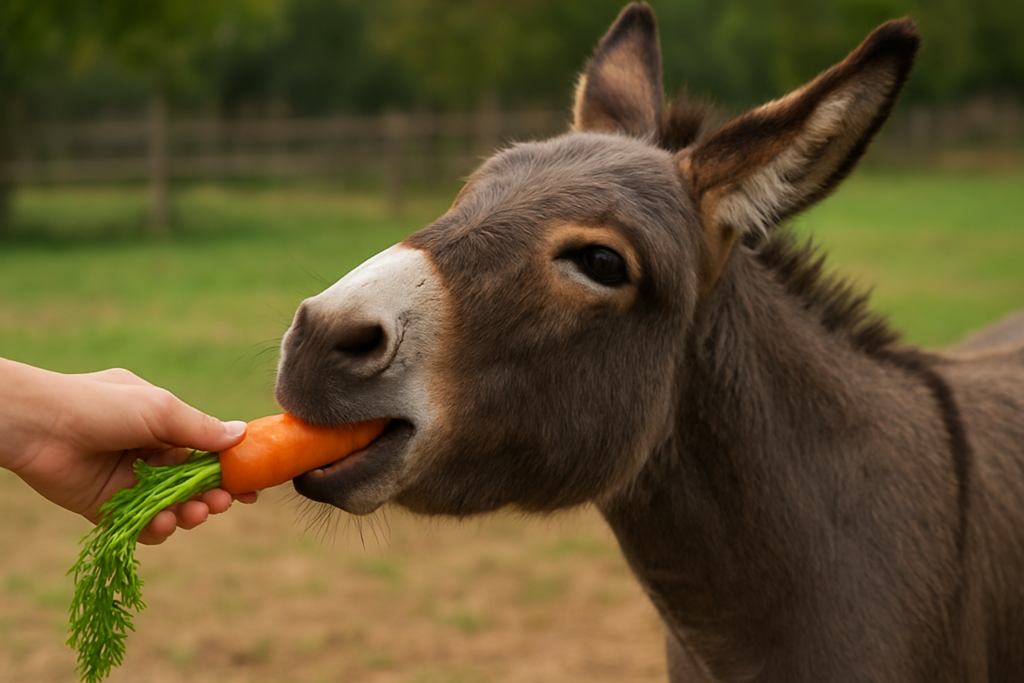
Donkeys and carrots seem like a perfect match, often pictured in storybooks and farm visits. But many donkey owners find themselves asking: can donkeys eat carrots? This simple question leads to a surprising amount of debate among caretakers.

Some swear by carrots as a healthy, vitamin-rich snack, while others worry about sugar content and choking risks. This brings us to the core concern: can donkeys eat carrots safely, and what are the best practices?

Table of Contents

Toggle
    • RELATED POSTS
    • Natural Animal Feed Ingredients: Your Guide to Healthier Livestock & Higher Profits
    • Everything You Need to Know About Finding Lost Pets in 2026: Technology, Statistics and Community Power
  • The Donkey Diet Debate: More Than Just Hay
  • Can Donkeys Eat Carrots Safely? Breaking Down the Facts
  • Potential Benefits of Carrots for Donkeys
  • Health Risks of Overfeeding Carrots
  • How to Safely Introduce Carrots to Your Donkey’s Diet
  • What Equine Nutritionists and Vets Say
  • Healthier Alternatives to Carrots
  • Conclusion: Making the Right Choice for Your Donkey

RELATED POSTS

Natural Animal Feed Ingredients: Your Guide to Healthier Livestock & Higher Profits

Everything You Need to Know About Finding Lost Pets in 2026: Technology, Statistics and Community Power

The answer is yes, but with important caveats. This article explores both the nutritional benefits and the potential pitfalls. We’ll cover everything from how carrots fit into a donkey’s natural diet to the precise way to serve them. By the end, you’ll know exactly how to use this popular treat responsibly.

Key Takeaways

  • Donkeys can safely eat carrots as an occasional treat, not a staple food.
  • Benefits include vitamin A for eye health and fiber for digestion, but the high sugar content is a major drawback.
  • Carrots must be prepared properly—washed, peeled, and cut—to prevent choking.
  • Always feed in moderation alongside a balanced diet of hay or grass, which should make up the majority of their food.
  • Consulting with an equine vet or nutritionist is advised, especially for donkeys with metabolic conditions like obesity or laminitis.

The Donkey Diet Debate: More Than Just Hay

Donkeys are renowned for their hardy and efficient digestion, evolved to thrive on sparse, fibrous vegetation. To understand where carrots fit, we must first look at what constitutes a natural and healthy diet for them.

What Constitutes a Natural Donkey Diet
In the wild, donkeys are browsers and grazers, consuming a variety of coarse grasses, shrubs, bark, and plants. Their digestive systems are designed for high-fiber, low-sugar, and low-starch intake. The modern domestic donkey’s diet should mirror this, consisting primarily of:

  • Free-choice, low-quality hay or pasture (meadow hay is ideal; rich legume hay like alfalfa is often too rich).
  • Specialized donkey mineral licks to supplement nutrients lacking in forage.
  • Fresh, clean water available at all times.
    Treats like carrots, apples, or commercial snacks should make up less than 5-10% of their total daily caloric intake.

Why Carrots Became the Go-To Treat
The association between donkeys (and horses) and carrots is largely cultural, popularized by films and literature. Practically, carrots are:

  • Readily available and store well.
  • Sweet and palatable, making them a high-value reward for training.
  • Perceived as healthy due to their “vegetable” status, leading many to overestimate their nutritional appropriateness.

Can Donkeys Eat Carrots Safely? Breaking Down the Facts

So, can donkeys eat carrots without issue? Generally, yes, but “safe” depends entirely on quantity, frequency, and the individual donkey’s health.

Donkeys have a different metabolism than horses; they are “easy keepers” prone to obesity and related disorders. Their pancreas is exceptionally efficient at releasing insulin in response to sugar. Feeding too many sugary treats like carrots can disrupt this system over time.

The Ancestral Argument: Desert Adaptations
Donkeys originated in arid, nutrient-scarce regions of Africa. Their systems are masters at extracting every bit of nutrition from poor-quality forage. They did not evolve eating root vegetables. This means:

  • Low sugar tolerance: Their metabolism isn’t designed for sudden sugar spikes.
  • Efficient weight gain: They store excess calories easily, making portion control critical.
    Introducing sweet, non-fibrous foods is a significant departure from their evolutionary diet.

Potential Benefits of Carrots for Donkeys

When fed correctly, carrots can offer some positive nutritional contributions:

BenefitDescriptionEvidence Level
Vitamin ACarrots are rich in beta-carotene, which converts to Vitamin A, essential for good vision, immune function, and skin health.Scientifically Supported
Dietary FiberProvides some additional fiber, which can aid in healthy gut motility.Scientifically Supported
Enrichment & TrainingThe crunch and sweetness provide mental stimulation and are excellent as a hand-fed reward for positive reinforcement.Anecdotal/Practical
HydrationCarrots have a high water content (approx. 88%), which can contribute to overall fluid intake.Scientifically Supported

These benefits are only realized when carrots are a small part of a meticulously managed diet.

Health Risks of Overfeeding Carrots

The risks far outweigh the benefits when carrots are fed indiscriminately.

  1. High Sugar Content: This is the primary concern. A single large carrot contains about 3-4 grams of sugar. For a donkey prone to Equine Metabolic Syndrome (EMS) or laminitis (a painful and dangerous hoof condition), this sugar can trigger a harmful inflammatory response.
  2. Choking Hazard: Donkeys may swallow large pieces whole. Whole carrots or large chunks can become lodged in the esophagus, a life-threatening emergency.
  3. Digestive Upset: A sudden influx of sugary food can disrupt the delicate microbial balance in the hindgut, potentially leading to colic or diarrhea.
  4. Weight Gain and Obesity: Excess calories from treats contribute directly to obesity, a gateway to numerous health problems in donkeys.
  5. Nutrient Imbalance: Filling up on carrots can decrease appetite for their essential, fibrous hay, leading to long-term nutritional deficiencies.

How to Safely Introduce Carrots to Your Donkey’s Diet

If you decide to feed carrots, follow these strict safety protocols:

Proper Preparation is Key

  • Wash and Peel: Thoroughly wash to remove dirt and pesticides. Peeling removes surface contaminants and any tough skin.
  • Cut Correctly: Always cut carrots into long, thin strips (like French fries) or small cubes. Never feed a whole carrot. This minimizes choking risk and slows down eating.
  • Feed by Hand: Hand-feeding treats allows you to control the pace and strengthen your bond. Scatter feeding strips on the ground can also encourage natural foraging behavior.

Portion Sizes and Frequency

  • Moderation is Everything: For an average-sized donkey, 1-2 small carrot sticks or a handful of cubes per day is ample. This should be considered a “special occasion” treat, not a daily entitlement.
  • Integrate into Diet: Offer the carrot pieces after your donkey has consumed its main hay meal, not before, to ensure they eat their primary nutrition first.

Monitoring Your Donkey’s Response

  • Watch their weight closely. If you notice any gain, cut out treats immediately.
  • Observe droppings. Loose stools can indicate the treat portion is too large.
  • Be extra vigilant if your donkey has a history of laminitis or EMS—many veterinarians recommend avoiding carrots entirely in these cases.

What Equine Nutritionists and Vets Say

Most equine veterinarians and nutritionists agree on a cautious approach:

  • The Donkey Sanctuary, a world-leading authority, states that carrots are acceptable in “very small quantities” but emphasizes that donkeys “do not require treats” and their diet should be almost entirely forage-based.
  • Professional bodies like the British Equine Veterinary Association (BEVA) highlight the direct link between high-sugar treats and laminitis, advising extreme caution.
  • The consensus is clear: The safest approach is to avoid treats altogether. A donkey’s nutritional and behavioral needs are fully met by good-quality hay, companionship, and enrichment (like track systems or puzzle feeders that distribute hay).

Healthier Alternatives to Carrots

If you want to provide variety or rewards, consider these lower-sugar, higher-fiber options:

  • Chopped Hay-Based Pellets: Soak a handful of their normal fiber pellets to make a mash.
  • Apple Branches or Willow: Safe for browsing and chewing, providing excellent dental wear and enrichment.
  • Small Amounts of Herbs: Mint or basil leaves can be a fragrant, low-sugar treat.
  • Soaked Hay Cubes: A familiar taste with no added sugar.
    Remember, the very best “treat” for a donkey is often simply more time spent grazing on appropriate pasture or enjoying a good scratch.

Conclusion: Making the Right Choice for Your Donkey

The question, “can donkeys eat carrots?” has a nuanced answer. While not toxic, carrots are a sugary food that poses measurable risks to a species exquisitely sensitive to dietary sugar.

The responsible choice prioritizes the donkey’s long-term health over the short-term pleasure of giving a treat. If you do choose to feed carrots, it must be done with surgical precision: prepared safely, fed minimally, and monitored constantly.

Always consult with an equine veterinarian or a qualified nutritionist to tailor a diet plan specific to your donkey’s age, weight, and health status. Ultimately, a donkey thrives on simplicity—ample fibrous forage, clean water, and thoughtful care. By saying “no” to that extra carrot, you might just be saying “yes” to many more healthy years together.

Tags: can donkeys eat carrotscarrots for donkeysdonkey dietdonkey nutritiondonkey treatsdonkeys and carrotsfeeding donkeyssafe foods for donkeys
ShareTweetPin
Previous Post

The Quiet Signs Your Body Is Asking for a Reset

Next Post

What Happens When a Dealership Actually Listens to What You Need

Bryan Davis

Bryan Davis

Bryan Davis is a professional writer and researcher specializing in health, wellness, pets, and technology. With years of experience producing accurate, evidence-based content, he combines thorough research with practical knowledge to provide readers with reliable guidance. Bryan is dedicated to creating trustworthy content that empowers individuals to make informed decisions about their health, lifestyle, and pets.

Related Posts

Natural animal feed ingredients

Natural Animal Feed Ingredients: Your Guide to Healthier Livestock & Higher Profits

by Bryan Davis
January 30, 2026
0

As a livestock producer, you're constantly navigating a complex landscape. You face the relentless pressure of rising feed costs, the...

Finding lost pets

Everything You Need to Know About Finding Lost Pets in 2026: Technology, Statistics and Community Power

by Bryan Davis
January 18, 2026
0

When you realize that you have lost your pet, you immediately panic. Your brain is busy with all the worst-case...

Having a Dog

The Things No One Tells You About Having a Dog

by Bryan Davis
January 9, 2026
0

Bringing a dog into your life is often described as one of the most rewarding decisions you can make. People...

do rats come out during the day

Do Rats Come Out During the Day?

by Bryan Davis
December 23, 2025
0

Rats are often perceived as nocturnal creatures, but their activity isn't strictly limited to nighttime. In fact, various factors can influence their behavior, causing them to be active during daylight hours. do rats come out during the day Understanding rat behavior is crucial in determining whether they come out during the day. Factors such as food availability, environmental conditions, and the presence of predators can all impact their activity patterns. While it's common to associate rats with nighttime, daytime sightings can occur, especially in areas with high rat populations or where their natural habitats are disturbed. Key Takeaways Rats can be active during the day due to various factors. Their behavior is influenced by environmental conditions and food availability. Daytime rat sightings can happen, especially in areas with high rat populations. Understanding rat behavior is key to managing their presence. Rats are not strictly nocturnal, contrary to common perception. Understanding Rat Behavior Patterns Understanding rat behavior patterns is crucial for addressing concerns about rat activity during the day. Rats are highly adaptable creatures whose behavior is influenced by a variety of factors, including their environment and natural instincts. Nocturnal Nature of Rats Rats are generally considered nocturnal animals, meaning they are most active at night. This nocturnal behavior is a result of their evolution to avoid predators and compete more effectively for resources. Nocturnal activity helps rats to thrive in various environments....

Can Donkeys Eat Bananas

Can Donkeys Eat Bananas? Your Guide to Feeding Donkeys

by Bryan Davis
November 29, 2025
0

Feeding donkeys can be a delightful experience, but it's essential to ensure they're getting the right nutrients. If you're wondering whether bananas are a safe treat for your donkey, you're not alone. Many donkey owners are curious about adding variety to their donkey's diet. Understanding donkey nutrition is crucial for their overall health and well-being. Donkeys are known to be hardy animals, but their dietary needs are specific. So, what do donkeys typically eat, and can bananas be part of their diet? This guide will explore the ins and outs of feeding donkeys, including the safety of bananas as a treat. We'll delve into the basics of donkey diet and provide insights into what you can do to keep your donkey happy and healthy. Key Takeaways Understanding the basics of donkey nutrition is vital. Bananas can be a safe treat for donkeys when given in moderation. A balanced diet is crucial for maintaining a donkey's overall health. Donkeys have specific dietary needs that must be met. Consulting with a veterinarian can provide personalized feeding advice. Understanding Donkey Nutrition Basics Understanding the nutritional requirements of donkeys is essential for their care and well-being. Donkeys are often considered hardy animals, but they have specific dietary needs that must be met to ensure their overall health. Natural Diet of Donkeys in the Wild In their natural habitat, donkeys are adapted to eating a variety of plants, including grasses, shrubs, and trees. Their diet is typically high in fiber and low in protein, reflecting their evolution in harsh environments where nutrient-rich food is scarce. Donkeys are browsers, meaning they eat a wide range of vegetation, which helps them survive in areas with limited food resources. The natural diet of donkeys also includes a variety of minerals and vitamins, obtained from the plants they consume. This diverse intake is crucial for maintaining their health, particularly in regions where the soil and plants may be deficient in certain nutrients. Nutritional Requirements for Domestic Donkeys Domestic donkeys have similar nutritional requirements to their wild counterparts, needing a diet rich in fiber and low in protein. High-quality hay is often recommended as the main staple of their diet, supplemented with minerals and vitamins as necessary. It's also important to ensure access to clean, fresh water at all times. Unlike horses, donkeys are more prone to obesity and related health issues if overfed, particularly with high-energy foods. Therefore, their diet should be carefully managed to prevent overfeeding and ensure they maintain a healthy weight. Can Donkeys Eat Bananas? The Simple Answer The question of whether donkeys can eat bananas is a common concern among donkey owners and enthusiasts. To address this, we need to consider the safety of bananas for equines and understand any differences between donkeys and horses when it comes to fruit consumption. Safety of Bananas for Equines...

Next Post
car dealership customer experience

What Happens When a Dealership Actually Listens to What You Need

Alternative career paths in finance

What Are Some Alternative Career Paths in Finance?

Leave a Reply

Your email address will not be published. Required fields are marked *

RECOMMENDED

Martell Holt net worth

Martell Holt Net Worth (2026): Income, Businesses, Salary & Assets

February 2, 2026
why does ozdikenosis kill you explained medical overview

Why Does Ozdikenosis Kill You? Causes, Symptoms & Facts

February 2, 2026

MOST VIEWED

  • What Is VACP Treas 310

    VACP Treas 310 Meaning: VA Payment Code Explained (2026 Guide)

    0 shares
    Share 0 Tweet 0
  • Babata Namak Sinhala – Babata Lassana Namak

    7133 shares
    Share 0 Tweet 0
  • 15 Best Sites to Download Paid Android Apps for Free

    1 shares
    Share 0 Tweet 0
  • Top 5 Trends in Sunglasses for 2026

    0 shares
    Share 0 Tweet 0
  • 42 Dugg Height Life, Career, Net Worth, and More

    0 shares
    Share 0 Tweet 0

Follow Us on Social Media

efindanything-logo

This is a lifestyle blog offering an everything about Health & Fitness,Financial Services,Insurance,Travelling and more.Join us. Dive in. Improve your Life

CATEGORY

  • Art & Design (1)
  • Business (285)
  • Careers (9)
  • Cars & Other Vehicles (128)
  • Construction (5)
  • E Money (26)
  • Education (64)
  • Engineering (1)
  • Entertainment (16)
  • Environment (1)
  • Fashion (48)
  • Financial Services (151)
  • Foods (46)
  • Games (44)
  • Gear & Equipment (2)
  • Health & Fitness (424)
  • History (3)
  • Home Products & Services (360)
  • Insurance (12)
  • Law (149)
  • Lifestyle (32)
  • Other (24)
  • Parenting (2)
  • People and Society (31)
  • Pets (1,224)
  • Political (1)
  • Psychology (2)
  • Real Estate (61)
  • Relationships (47)
  • Safety (15)
  • Spirituality (48)
  • Sports (21)
  • Technology (220)
  • Travel (58)
  • Wishes (1)

RECENT POSTS

  • Martell Holt Net Worth (2026): Income, Businesses, Salary & Assets February 2, 2026
  • Why Does Ozdikenosis Kill You? Causes, Symptoms & Facts February 2, 2026
  • University of Metaphysics vs University of Metaphysical Sciences (2026) February 1, 2026
  • Why Did Hang Ease Go Out of Business? Full Story Behind the Closure February 1, 2026
  • Play Hiezcoinx2.x9 – How to Play, Features, Rewards & Is It Legit? February 1, 2026
  • Home
  • About Us
  • Contact Us
  • Privacy Policy
  • Terms & Conditions
  • Disclaimer
  • Sitemap

© 2018- 2025 E Find Anything

No Result
View All Result
  • Home
  • Health & Fitness
  • Technology
  • Pets
  • Business
  • Financial Services
  • Home Products & Services
  • Other Categories
    • Cars & Other Vehicles
    • E Money
    • Education
    • Entertainment
    • Foods
    • Games
    • Lifestyle
    • Other
    • People and Society
    • Relationships
    • Spirituality
    • Travel
  • About Us
  • Contact Us

© 2018- 2025 E Find Anything

Go to mobile version