Goats are known to be voracious eaters and will eat almost anything that is edible. However, it is important to ensure that their diet is balanced and provides them with all the necessary nutrients they need to stay healthy. One of the common questions among goat owners is whether goats can eat alfalfa pellets.
Alfalfa is a legume that is high in protein and other essential nutrients, making it a popular feed for livestock. Alfalfa pellets are a convenient and easy way to provide goats with this nutritious feed. However, it is important to understand how much alfalfa to feed your goats and whether it is suitable for their specific dietary needs.
In this article, we will explore whether goats can eat alfalfa pellets and provide you with all the information you need to make an informed decision about feeding your goats this type of feed. We will discuss the nutritional benefits of alfalfa, how much alfalfa to feed your goats, and any potential risks or concerns associated with feeding alfalfa pellets to goats.

Understanding Alfalfa Pellets
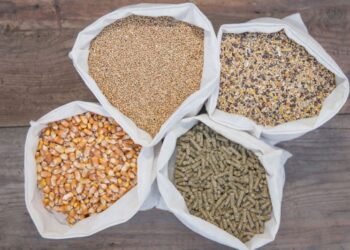
Alfalfa pellets are made from the leaves and stems of the alfalfa plant, which is a legume that is high in protein and fiber. The plant is harvested and then dried and ground into pellets, which are used as a feed for livestock such as horses, cows, and goats.
Alfalfa pellets are a popular choice for goat owners because they are easy to store and transport, and they provide a good source of nutrition for goats. However, it is important to understand the nutritional content of alfalfa pellets and how they should be used in a goat’s diet.
Alfalfa pellets are high in protein, with a typical protein content of around 17-18%. They also contain a variety of vitamins and minerals, including calcium, phosphorus, and potassium. However, they are relatively low in fiber, with a typical fiber content of around 25%.
When feeding alfalfa pellets to goats, it is important to ensure that they are getting enough fiber in their diet. This can be achieved by supplementing their diet with hay or other sources of fiber, or by feeding a mix of alfalfa pellets and other types of feed.
In addition, it is important to monitor the amount of alfalfa pellets that goats are consuming, as overfeeding can lead to health problems such as bloat and diarrhea. A good rule of thumb is to feed goats no more than 1-2 pounds of alfalfa pellets per day, depending on their size and nutritional needs.
Overall, alfalfa pellets can be a valuable addition to a goat’s diet, but it is important to understand their nutritional content and how they should be used in combination with other types of feed to ensure that goats are getting a balanced diet.
Goats and Alfalfa Pellets
When it comes to feeding goats, alfalfa pellets are a popular choice for many goat owners. Alfalfa is a legume that is high in protein and fiber, making it a nutritious choice for goats. In this section, we will discuss the nutritional value and digestibility of alfalfa pellets for goats.
Nutritional Value
Alfalfa pellets are a good source of protein, fiber, and other essential nutrients for goats. According to the National Research Council, alfalfa hay has a crude protein content of 15-18%, which is higher than most grass hay. In addition, alfalfa is a good source of calcium, phosphorus, and other minerals that are important for goat health.
Digestibility
One of the benefits of feeding alfalfa pellets to goats is that they are highly digestible. According to research, alfalfa hay has a digestibility rate of 50-60%, which is higher than most grass hay. This means that goats are able to extract more nutrients from alfalfa than they would from other types of hay.
However, it is important to note that feeding too much alfalfa can lead to health problems in goats. Alfalfa is high in protein and calcium, which can cause urinary calculi (stones) in male goats if they consume too much. It is recommended to feed alfalfa in moderation and balance it with other types of hay to prevent health problems.
In conclusion, alfalfa pellets can be a nutritious and digestible choice for feeding goats. However, it is important to feed them in moderation and balance them with other types of hay to prevent health problems.

Benefits of Alfalfa Pellets for Goats
Alfalfa pellets are a popular feed option for goats, and for good reason. Here are some of the benefits of feeding alfalfa pellets to your goats:
- High in protein: Alfalfa pellets are a great source of protein, which is essential for goats to maintain muscle mass and support growth and development.
- Rich in nutrients: Alfalfa pellets contain a variety of vitamins and minerals that are important for goat health, including calcium, phosphorus, and vitamin A.
- Easy to digest: Alfalfa pellets are highly digestible, which means that goats can absorb more of the nutrients in each serving.
- Convenient and cost-effective: Alfalfa pellets are easy to store and transport, and they are often less expensive than other types of feed.
- Helpful for lactating does: Alfalfa pellets can be especially beneficial for lactating does, as the high protein content can support milk production.
Overall, feeding alfalfa pellets to your goats can be a smart choice for maintaining their health and supporting their growth and development.
Risks and Precautions
When feeding alfalfa pellets to goats, it is important to take certain precautions to avoid potential risks. Here are some things to keep in mind:
Overfeeding Risks
Although alfalfa pellets are a good source of nutrition for goats, overfeeding them can lead to health problems. Goats that consume too much alfalfa can develop digestive issues, such as bloat, diarrhea, and constipation. This is because alfalfa is high in protein and fiber, which can be difficult for goats to digest in large quantities.
To avoid overfeeding, it is recommended to limit the amount of alfalfa pellets given to goats to no more than 15-20% of their daily diet. It’s also important to monitor their intake and adjust accordingly based on their individual needs and health status.
Potential Allergies
Some goats may be allergic to alfalfa or have sensitivities to certain components of the pellets. This can result in symptoms such as skin rashes, respiratory distress, and digestive problems.
To prevent allergic reactions, it’s important to introduce alfalfa pellets gradually and monitor goats for any signs of adverse reactions. It may also be helpful to consult with a veterinarian or animal nutritionist to determine the appropriate amount and frequency of feeding alfalfa pellets to goats.
In summary, while alfalfa pellets can be a beneficial addition to a goat’s diet, it’s important to take precautions to avoid overfeeding and potential allergic reactions. By monitoring their intake and introducing the pellets gradually, goats can safely enjoy the nutritional benefits of alfalfa.
How to Feed Goats Alfalfa Pellets
Feeding goats with alfalfa pellets is a great way to provide them with a nutritious diet. Here are some guidelines to help you feed your goats alfalfa pellets.
Feeding Frequency
When feeding alfalfa pellets to your goats, it is important to consider their age and weight. For adult goats, it is recommended to feed them twice a day, while younger goats should be fed three to four times a day. It is also important to ensure that the pellets are always available to the goats.
Quantity Guidelines
The amount of alfalfa pellets to feed your goats will depend on their age, weight, and activity level. As a general rule, adult goats should be fed around 1 to 2 pounds of alfalfa pellets per day, while younger goats should be fed around 1 pound per day. It is important to monitor the goats’ weight and adjust their feeding accordingly.
When feeding alfalfa pellets, it is important to provide fresh water at all times. It is also recommended to mix the pellets with hay or other types of forage to provide a balanced diet.
In summary, feeding goats with alfalfa pellets can provide them with a nutritious diet. By following these guidelines for feeding frequency and quantity, you can ensure that your goats are getting the proper nutrition they need.

Alternatives to Alfalfa Pellets for Goats
When it comes to feeding goats, alfalfa pellets are a popular choice because they’re high in protein and fiber. However, there are other options that can be used as an alternative or in combination with alfalfa pellets.
Grass Hay
Grass hay is a good option for goats as it’s high in fiber and low in protein. It’s also widely available and easy to find. Some common types of grass hay include Timothy, Bermuda, and Orchard grass.
Legume Hay
Legume hay, such as clover or peanut hay, is another option for goats. It’s high in protein and can be a good supplement to grass hay. However, it’s important to note that legume hay can be more expensive than grass hay.
Grain
Grain can be used as a supplement to hay and pellets. Corn, oats, and barley are common grains that can be fed to goats. It’s important to not overfeed grains as they can cause digestive issues.
Forage
Goats are natural foragers and enjoy browsing on plants such as bushes, trees, and weeds. Providing access to a variety of forage can be beneficial for their health and wellbeing.
Overall, while alfalfa pellets are a popular choice for feeding goats, there are several alternatives that can be used as well. It’s important to consider the nutritional needs of the goats and provide a balanced diet.
Frequently Asked Questions
What is the nutritional value of alfalfa pellets for goats?
Alfalfa pellets are a good source of protein, fiber, and other essential nutrients for goats. They contain high levels of calcium, which is important for bone health, and other minerals such as potassium, phosphorus, and magnesium. Additionally, alfalfa pellets are rich in vitamins A, D, and E, which are important for overall health and immunity.
Are alfalfa pellets safe for goats to eat?
Yes, alfalfa pellets are safe for goats to eat. However, it is important to ensure that the pellets are of good quality and free from mold or other contaminants. Additionally, alfalfa pellets should be fed in moderation and as part of a balanced diet that includes other sources of fiber and nutrients.
How much alfalfa pellets should be fed to goats?
The amount of alfalfa pellets to feed goats varies depending on the age, weight, and activity level of the goat. As a general rule, adult goats can be fed up to 1 pound of alfalfa pellets per day, while younger goats should be fed smaller amounts. It is important to monitor the goat’s weight and adjust the amount of pellets accordingly.
Can alfalfa pellets cause digestive issues in goats?
Feeding too much alfalfa pellets to goats can cause digestive issues such as bloating, diarrhea, and constipation. It is important to introduce alfalfa pellets slowly and gradually increase the amount over time. Additionally, goats should have access to fresh water at all times to help prevent digestive issues.
What are some alternative pellet options for feeding goats?
There are several alternative pellet options for feeding goats, including timothy pellets, grass hay pellets, and beet pulp pellets. These pellets provide similar nutritional value to alfalfa pellets and can be used as part of a balanced diet for goats.
Can male goats safely consume alfalfa pellets?
Yes, male goats can safely consume alfalfa pellets. However, it is important to monitor their overall diet and ensure that they are not overfed or consuming too much protein, which can lead to urinary tract issues.