
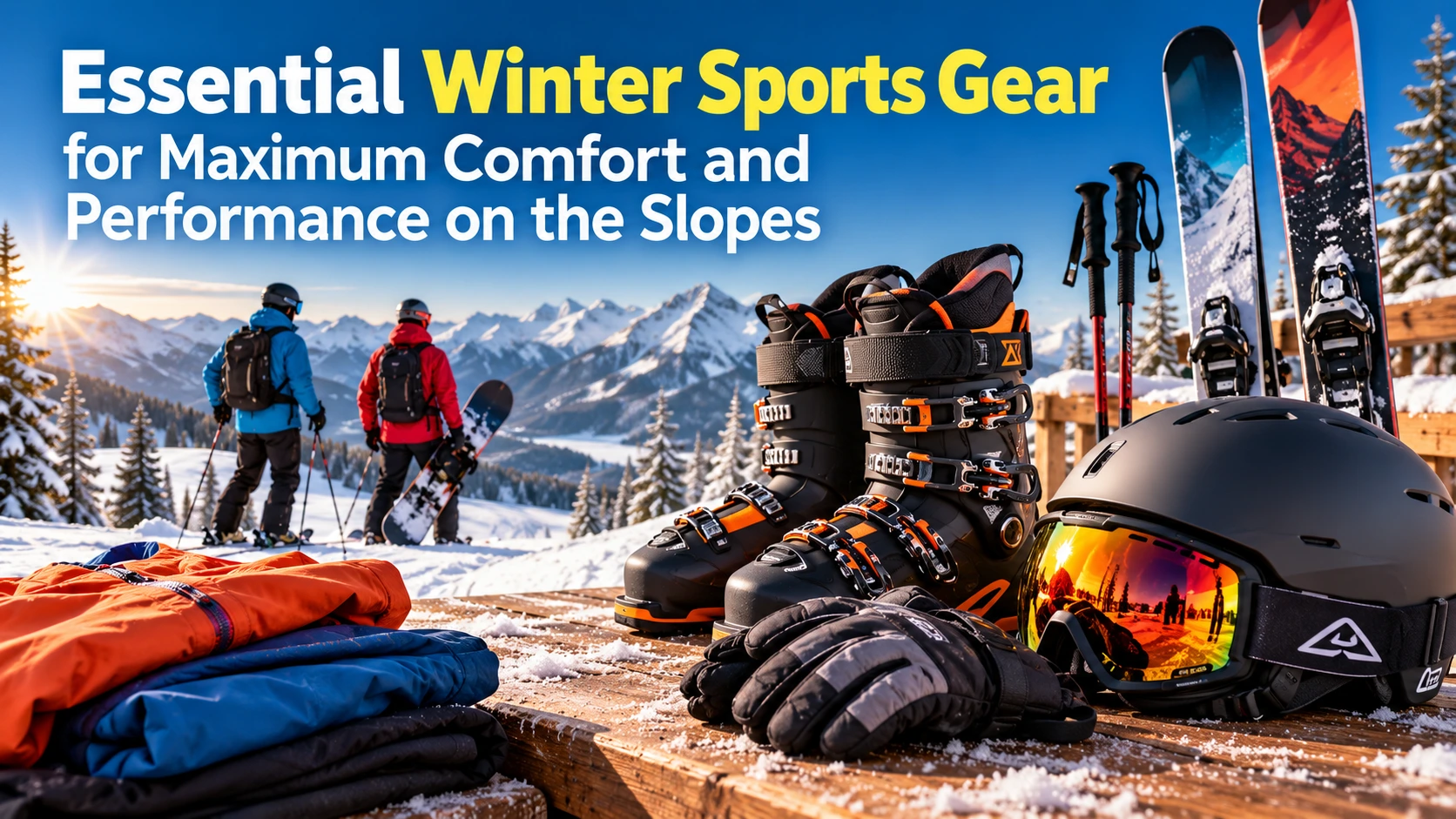
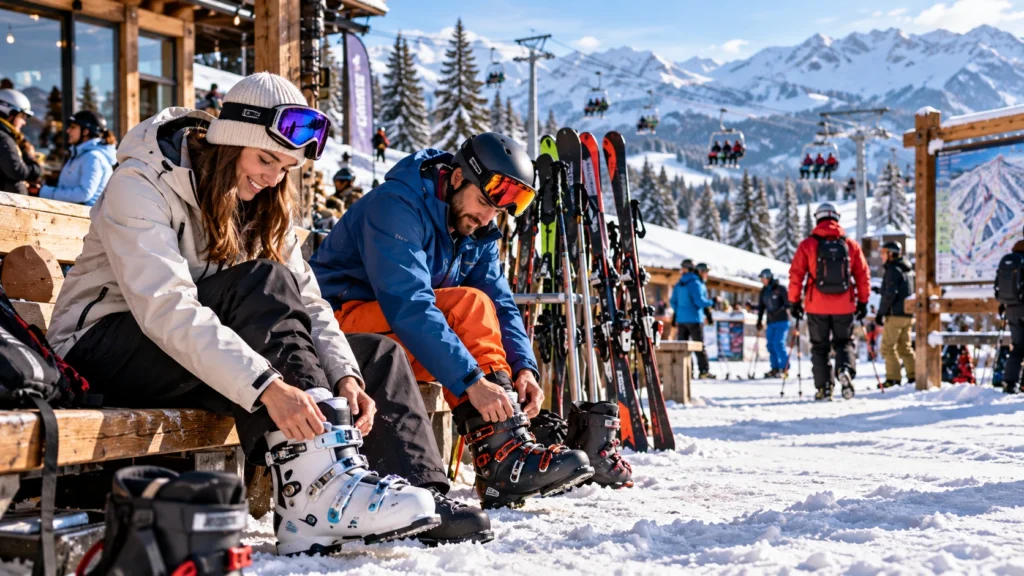
Winter sports are deeply woven into the cultural fabric of North America, particularly across the northern, snow-rich regions. Recent data from the 2024 and 2025 season shows that skier visits across Western Canada reached near-record highs of 9.8 million. Furthermore, approximately 14.2 percent of Canadians over the age of 12 actively participate in skiing and snowboarding. With roughly 2.5 million active enthusiasts averaging 7.5 days on the mountain each year, the demand for specialized, reliable winter apparel is higher than ever. However, hitting the slopes safely and comfortably requires more than just enthusiasm. Equipping yourself with the right gear is the single most important step for maximizing performance and preventing injuries. Understanding the specific demands of local mountain climates helps enthusiasts make informed choices. Whether you are navigating icy hardpack or floating through deep powder, your gear setup needs to adapt to your environment.
The Foundation of Control: Footwear Innovations
When it comes to downhill performance, your feet are the direct connection between your body and your equipment. The global market is dominated by the alpine category, which accounts for over 48 percent of all ski boot sales among winter sports enthusiasts. A major reason for this dominance is the rapid pace of innovation in boot technology. Historically, heavy plastics made boots cumbersome, but premium lightweight carbon fiber is now increasingly replacing these traditional materials. This shift allows skiers to maintain peak agility without sacrificing essential structural support. Boot flex ratings, which measure how stiff the exterior shell is, offer another layer of customization. Beginners generally benefit from a softer flex for easier maneuvering, while aggressive experts prefer a stiffer flex for instant power transmission.
Proper footwear is also a critical safety measure. Experts note that there are over 120,000 skiing-related injuries reported annually in North America. Supportive footwear is just as vital as head protection for preventing ankle and lower-leg trauma. A poor fit can lead to a loss of control, increasing the likelihood of high-speed collisions. For locals and visitors preparing for the season, sourcing high-quality ski boots in Canada is a crucial step in ensuring a safe and comfortable ride. Finding the perfect fit means looking for modern features like heat-moldable liners, which adapt directly to the shape of your foot for superior downhill control. Beyond impact protection, a precise fit prevents painful blisters and ensures adequate blood flow, keeping your toes warm during sub-zero temperatures.
Protecting Your Head: Why Dedicated Alpine Helmets Matter
While footwear dictates your control over the skis or snowboard, a high-quality helmet is your ultimate safeguard against catastrophic injury. Data supported by the Canadian Standards Association indicates that wearing properly certified helmets can reduce the risk of severe head injuries by up to 60 percent. Fortunately, safety awareness is growing across all age groups. Helmet adoption has seen massive growth among older demographics, with usage by those aged 55 to 64 increasing from 39 percent to over 76 percent in recent tracking periods. Many modern helmets now feature rotational impact protection systems, which are designed to absorb and redirect the rotational forces that commonly occur during glancing blows.
It is vital to understand that not all helmets are created equal. Health Canada explicitly distinguishes ski helmets from multi-impact hockey helmets. Alpine variations are uniquely engineered for cold-weather downhill impacts and feature specific ventilation and aerodynamic designs suited for the mountain environment. A proper helmet should also integrate seamlessly with your goggles to prevent a gap that exposes your forehead to freezing winds. Moreover, safety organizations advise that any alpine helmet over five years old should be retired due to the natural degradation of its protective plastics, or immediately replaced after a severe collision.
Key Trends Shaping Modern Winter Gear
As technology and consumer preferences evolve, the equipment available to winter athletes continues to improve. Whether you are a beginner taking advantage of industry accessibility programs or a seasoned veteran tackling backcountry powder, several major trends are defining the current gear landscape:
- Customizable Fit Technologies: Consumer preference is shifting heavily toward adaptable systems. Today’s boots frequently feature heat-moldable liners that eliminate pressure points and improve circulation during freezing weather.
- Sustainable Manufacturing: Sustainability is fundamentally reshaping winter gear production. Major manufacturers are increasingly incorporating recycled plastics into exterior shells and utilizing biodegradable materials for accessories like poles and goggles.
- Advanced Materials: The integration of carbon fiber in high-end equipment provides exceptional stiffness and responsiveness while drastically reducing overall weight, which prevents leg fatigue during long days on the mountain.
- Accessibility Focus: High initial equipment costs can deter roughly 46 percent of potential new backcountry skiers. To combat this, retailers are focusing heavily on expert guidance, ensuring consumers invest in durable, long-term gear rather than making costly trial-and-error purchases.
Investing in the right equipment transforms a frigid, exhausting day into an exhilarating experience. By prioritizing advanced footwear, certified head protection, and modern materials, you can safely enjoy every moment on the slopes this winter season. Ultimately, a thoughtful approach to selecting your gear ensures that your focus remains entirely on the thrill of the descent.