Leopard geckos are one of the most popular pet reptiles in the world, and for good reason. They are easy to care for, have unique personalities, and are fascinating to observe. However, when it comes to feeding these creatures, many owners are left wondering what they can and cannot eat. One food item that has gained popularity in recent years is black soldier fly larvae, but can leopard geckos eat them?
Black soldier fly larvae are a nutritious and protein-rich food source that is becoming increasingly popular among reptile owners. They are easy to breed and are an environmentally friendly alternative to other feeder insects. However, when it comes to feeding leopard geckos, it is important to ensure that their diet is well-balanced and meets their nutritional needs. So, can leopard geckos safely consume black soldier fly larvae as part of their diet?
In this article, we will explore the nutritional value of black soldier fly larvae, their suitability as a food source for leopard geckos, and any potential risks associated with feeding them to these reptiles. By the end of this article, you will have a clear understanding of whether or not black soldier fly larvae are a suitable dietary option for your leopard gecko.
Nutritional Benefits of Black Soldier Fly Larvae for Leopard Geckos
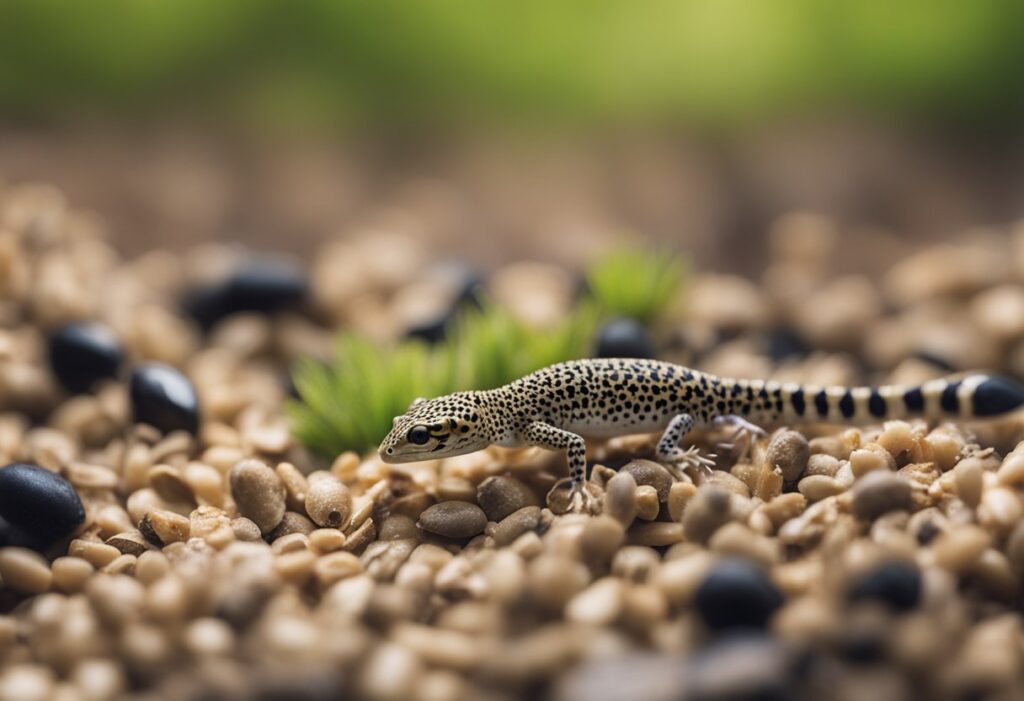
Black soldier fly larvae (BSFL) are a popular choice of food for leopard geckos due to their high nutritional value. They are rich in protein, calcium, and other essential nutrients that are important for the health and wellbeing of these reptiles.
One of the main benefits of feeding BSFL to leopard geckos is that they contain a high percentage of protein. Protein is essential for the growth and development of leopard geckos, as well as for the maintenance of their muscle mass. BSFL also contain a favorable calcium to phosphorus ratio, which is important for bone health.
In addition to protein and calcium, BSFL also contain other important nutrients such as vitamins and minerals. They are a good source of vitamin B12, which is important for the proper functioning of the nervous system. They also contain iron, which is important for the production of hemoglobin in the blood.
Another benefit of feeding BSFL to leopard geckos is that they are easy to digest. This is because they have a soft exoskeleton, which makes them easier to break down and absorb. This can be particularly beneficial for leopard geckos that have digestive issues or are recovering from an illness.
Overall, feeding BSFL to leopard geckos can be a great way to provide them with the essential nutrients they need to thrive. However, it is important to ensure that BSFL are fed as part of a balanced diet that includes a variety of other foods.
Feeding Guidelines for Leopard Geckos
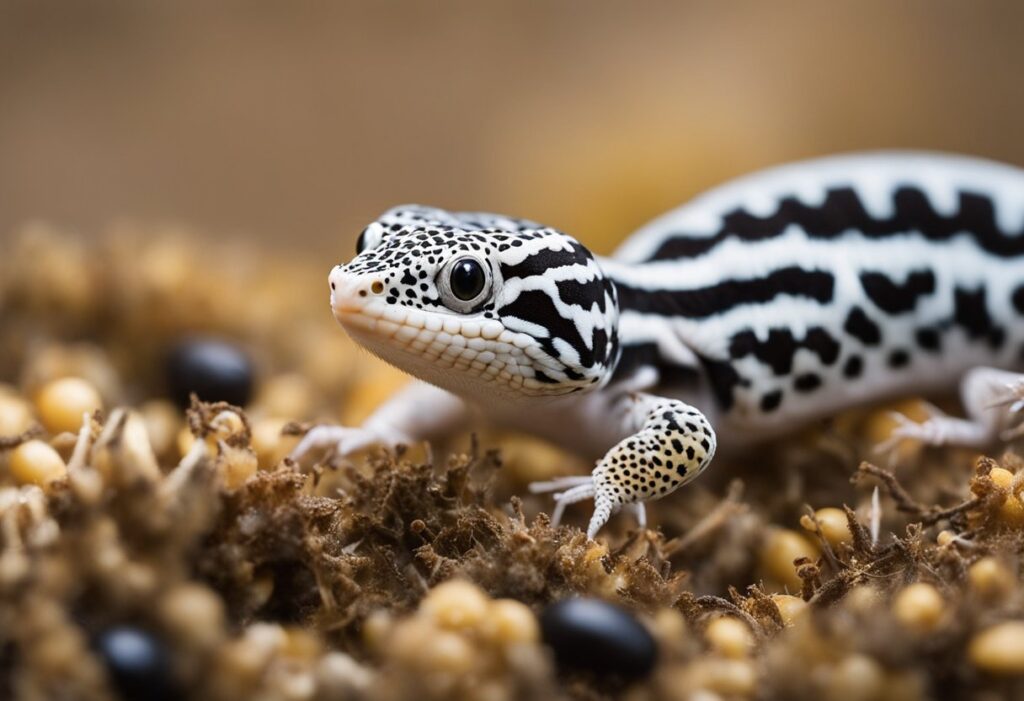
When it comes to feeding leopard geckos, it’s important to provide them with a balanced diet that meets their nutritional needs. Black soldier fly larvae are a popular food choice for leopard geckos, but it’s important to follow some guidelines to ensure they are getting the proper nutrients.
Frequency of Feeding
Leopard geckos should be fed every day or every other day, depending on their age and size. Juvenile leopard geckos require more frequent feedings, while adult leopard geckos can be fed every other day. It’s important not to overfeed your gecko, as this can lead to obesity and other health issues.
Quantity of Larvae to Offer
When offering black soldier fly larvae to your leopard gecko, it’s important to offer the appropriate amount. A good rule of thumb is to offer 2-3 larvae per feeding for juvenile geckos, and 4-5 larvae for adult geckos. It’s important not to offer too many larvae at once, as this can lead to digestive issues.
Preparation of Larvae
Black soldier fly larvae can be purchased live or frozen. If purchasing live larvae, it’s important to gut-load them with a nutritious diet before feeding them to your gecko. Frozen larvae should be thawed before feeding and can be dusted with a calcium supplement to ensure your gecko is getting the proper nutrients.
In conclusion, black soldier fly larvae can be a nutritious and tasty addition to your leopard gecko’s diet. By following these guidelines, you can ensure that your gecko is getting the proper nutrients and staying healthy.
Health Considerations When Feeding Black Soldier Fly Larvae
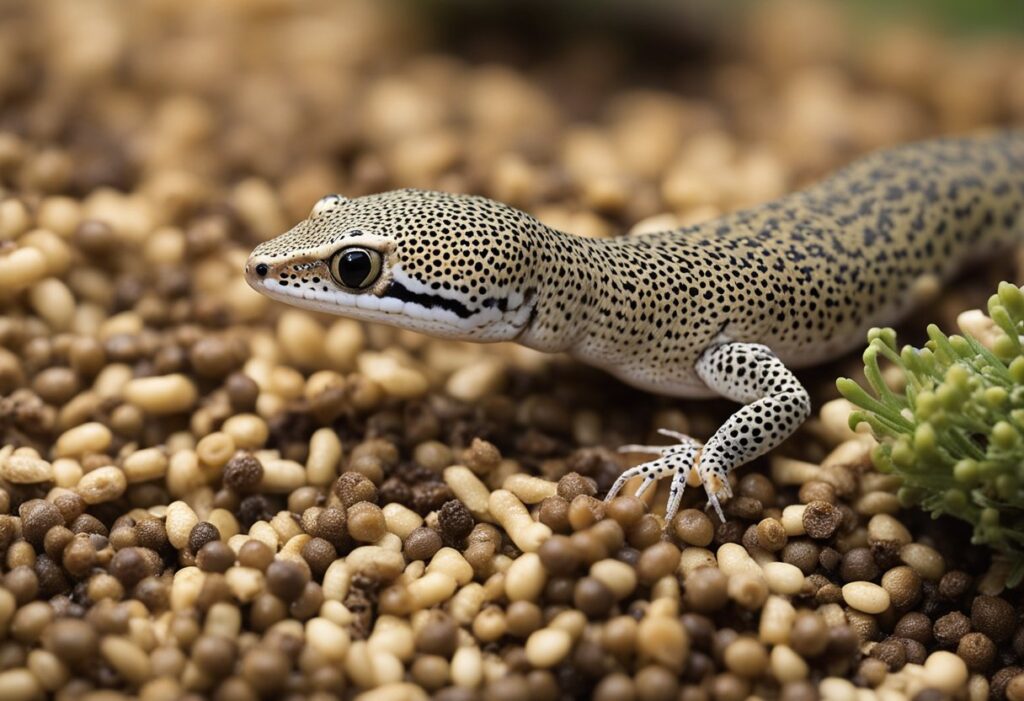
When it comes to feeding leopard geckos, it’s important to ensure that their diet is balanced and meets their nutritional requirements. Black soldier fly larvae (BSFL) are a popular feeder insect option for leopard geckos. However, before adding BSFL to your gecko’s diet, there are some health considerations to keep in mind.
Potential Risks
While BSFL are generally considered safe for leopard geckos, there are some potential risks to be aware of. One potential risk is the possibility of the larvae carrying parasites or harmful bacteria. To minimize this risk, it’s important to source BSFL from a reputable supplier and to properly gut-load and care for them before feeding them to your gecko.
Another potential risk is the size of the BSFL. While they are a good source of protein and fat, larger larvae may be difficult for smaller geckos to digest. It’s important to select appropriately sized BSFL based on the size of your gecko.
Allergic Reactions
Like with any new food, there is a possibility of your gecko having an allergic reaction to BSFL. Signs of an allergic reaction may include swelling, difficulty breathing, or lethargy. If you notice any of these symptoms after feeding BSFL to your gecko, discontinue use and seek veterinary care.
Digestive Health
BSFL are a good source of calcium, which is important for maintaining healthy bones in leopard geckos. However, they also have a high fat content, which can lead to digestive issues if fed in excess. It’s important to feed BSFL in moderation and to ensure that your gecko’s overall diet is balanced.
In summary, while BSFL can be a nutritious addition to your leopard gecko’s diet, it’s important to consider the potential risks and to feed them in moderation. By taking these health considerations into account, you can help ensure that your gecko stays happy and healthy.
Incorporating Black Soldier Fly Larvae into a Balanced Diet
When it comes to feeding leopard geckos, it is important to provide them with a balanced diet that meets all of their nutritional needs. One way to add variety to their diet is by incorporating black soldier fly larvae. These small insects are a nutritious and tasty treat that can provide a range of benefits for your gecko.
Dietary Variety
Leopard geckos are known for being picky eaters, so it is important to offer them a variety of foods to ensure they are getting all of the nutrients they need. Black soldier fly larvae are a great addition to their diet because they are high in protein and low in fat. They are also a good source of calcium, which is important for maintaining healthy bones.
Incorporating black soldier fly larvae into your gecko’s diet can also help prevent boredom and encourage natural foraging behaviors. It is important to remember that while black soldier fly larvae can be a nutritious treat, they should not make up the majority of your gecko’s diet. It is important to offer a variety of foods, including live insects and commercially available gecko food.
Supplemental Nutrients
In addition to providing dietary variety, black soldier fly larvae can also be a good source of supplemental nutrients for your gecko. They are a natural source of chitin, which can help support healthy digestion. Chitin is a complex carbohydrate that is found in the exoskeletons of insects and crustaceans. It is not digested by the gecko, but it can help stimulate the digestive system and promote healthy gut flora.
Black soldier fly larvae are also a good source of other essential nutrients, including vitamins and minerals. They are high in vitamin B12, which is important for nervous system function, and they also contain iron, magnesium, and zinc.
Incorporating black soldier fly larvae into your gecko’s diet can be a great way to add variety and provide supplemental nutrients. However, it is important to remember that they should be offered as part of a balanced diet and not as a replacement for other foods. As always, it is important to consult with a veterinarian or experienced reptile keeper before making any changes to your gecko’s diet.
Purchasing and Storing Black Soldier Fly Larvae
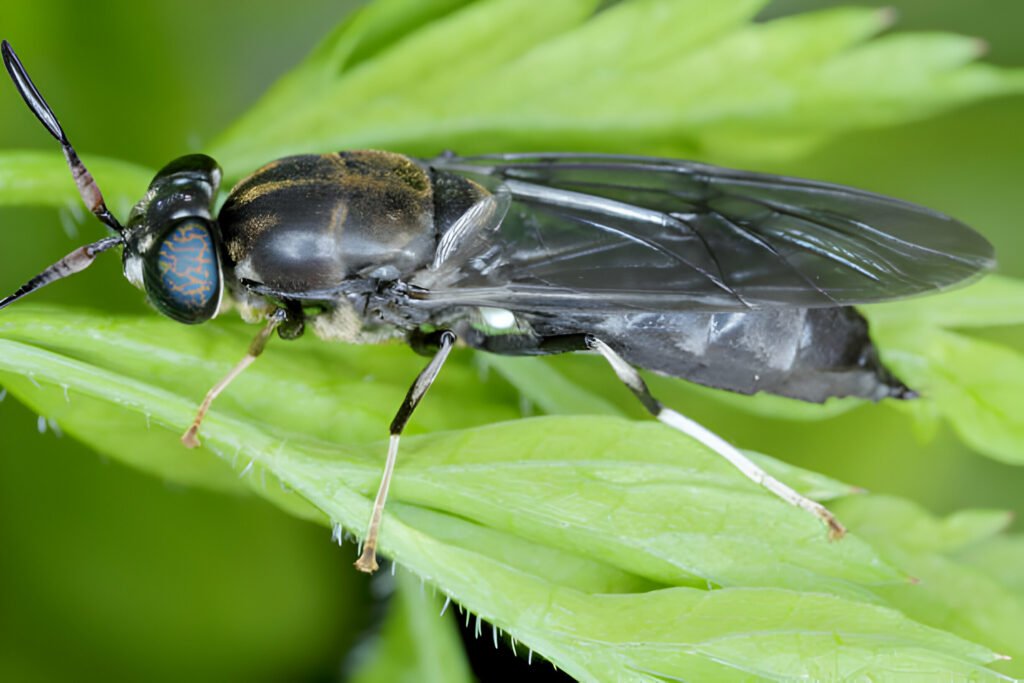
When it comes to feeding our leopard geckos, it’s important to choose the right food. One option that has become increasingly popular is black soldier fly larvae. Not only are they nutritious, but they are also easy to store and feed. In this section, we will discuss some tips on purchasing and storing black soldier fly larvae.
Selecting Quality Larvae
When purchasing black soldier fly larvae, it’s important to choose quality larvae that will provide the necessary nutrients for our leopard geckos. Here are some tips on selecting quality larvae:
- Look for larvae that are plump and firm. Avoid any that are shriveled or appear to be sickly.
- Check the color of the larvae. They should be a creamy white color. If they appear yellow or brown, they may be too old or have been exposed to excessive heat.
- Smell the larvae. They should have a slightly sweet smell. If they have a foul odor, they may be spoiled.
Storage Tips
Proper storage of black soldier fly larvae is crucial to ensure they remain fresh and nutritious for our leopard geckos. Here are some tips on storing black soldier fly larvae:
- Store larvae in a cool, dry place. A temperature between 50-60°F is ideal.
- Keep larvae in a well-ventilated container. This will prevent moisture buildup and mold growth.
- Avoid exposing larvae to direct sunlight or high temperatures. This can cause them to spoil quickly.
- Consider freezing larvae for long-term storage. They can be stored in a freezer for up to six months.
By following these tips, we can ensure that our leopard geckos receive high-quality nutrition from black soldier fly larvae.
Live vs. Dried Black Soldier Fly Larvae
When it comes to feeding leopard geckos, black soldier fly larvae are a nutritious and protein-rich option to consider. However, there are two types of black soldier fly larvae available in the market: live and dried.
Live black soldier fly larvae are a great option for leopard geckos that are picky eaters or have trouble recognizing dried food as food. Since live larvae are still wriggling and moving, they can be more appealing to geckos and stimulate their natural hunting instincts. Live larvae can also be a good option for geckos that need to gain weight or for breeding females that require extra protein.
On the other hand, dried black soldier fly larvae are more convenient and have a longer shelf life compared to live larvae. They are also less messy and easier to store. Dried larvae can be a good option for gecko owners who travel frequently or have a busy schedule. Additionally, dried larvae can be a more cost-effective option in the long run since they can be bought in bulk and stored for a longer period.
It’s important to note that both live and dried black soldier fly larvae are nutritious and safe for leopard geckos to eat. However, it’s important to ensure that the larvae are from a reputable source and are properly gut-loaded and dusted with calcium and other essential vitamins and minerals before feeding them to your gecko.
In summary, both live and dried black soldier fly larvae can be a great addition to your leopard gecko’s diet. The choice between the two ultimately comes down to personal preference and your gecko’s individual needs.
Observing Your Leopard Gecko’s Eating Habits
As responsible pet owners, it’s important to observe our leopard geckos’ eating habits to ensure they are healthy and receiving the proper nutrition. When feeding black soldier fly larvae to your leopard gecko, there are a few things to keep in mind.
First, it’s important to offer the larvae in appropriate sizes for your gecko. Hatchlings and juveniles will require smaller larvae, while adults can handle larger ones. It’s also important to note that leopard geckos may not eat every day, so don’t be alarmed if they skip a meal.
When offering the larvae, observe your gecko’s behavior. A healthy leopard gecko will be active and alert, and will show interest in the food. They may approach the larvae slowly and sniff it before taking a bite. If your gecko is not interested in the larvae, it may be a sign that they are full or not feeling well.
It’s important to monitor your gecko’s weight and body condition regularly. Overfeeding or feeding inappropriate sized prey can lead to obesity, while underfeeding can result in malnutrition. We recommend keeping a feeding log to track your gecko’s eating habits and weight.
In summary, observing your leopard gecko’s eating habits when feeding black soldier fly larvae is crucial for their health and wellbeing. Offer appropriate sized prey, monitor their behavior, and track their weight and body condition regularly.
Frequently Asked Questions

What are the benefits of feeding black soldier fly larvae to leopard geckos?
Black soldier fly larvae are a good source of protein and calcium for leopard geckos. They are also low in fat and can help prevent obesity in geckos. Additionally, black soldier fly larvae are easy to digest, making them a good choice for geckos with digestive issues.
How often should leopard geckos be fed black soldier fly larvae?
Leopard geckos can be fed black soldier fly larvae once or twice a week as part of a varied diet. It is important to not overfeed geckos with black soldier fly larvae, as they should not make up the entirety of their diet.
Are there any risks associated with feeding leopard geckos black soldier fly larvae?
Black soldier fly larvae are generally safe for leopard geckos to consume. However, it is important to ensure that the larvae are properly gut-loaded and free of any harmful bacteria or parasites. It is also recommended to purchase larvae from a reputable source.
What is the nutritional value of black soldier fly larvae for leopard geckos?
Black soldier fly larvae are high in protein and calcium, which are essential for leopard gecko health. They also contain other important nutrients such as iron and vitamin B12.
How should black soldier fly larvae be prepared for leopard gecko consumption?
Black soldier fly larvae can be fed live or dried. If feeding live larvae, it is important to ensure that they are properly gut-loaded and free of any harmful bacteria or parasites. Dried larvae can be rehydrated in water before feeding to geckos.
Can black soldier fly larvae be a staple in a leopard gecko’s diet?
While black soldier fly larvae are a good source of nutrition for leopard geckos, they should not make up the entirety of their diet. It is important to provide a varied diet that includes other insects and occasionally small amounts of fruits and vegetables.