

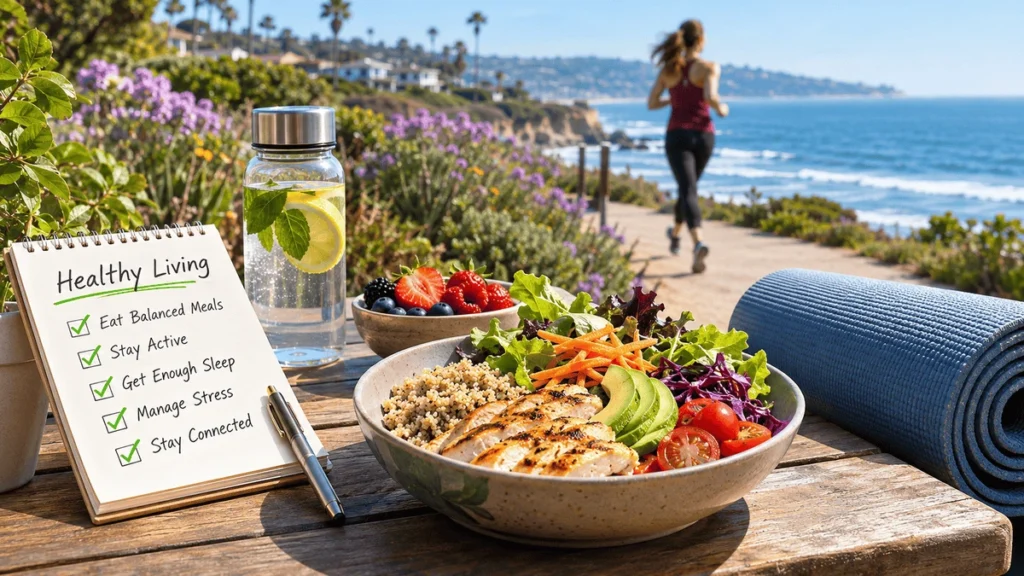
Healthy living is not about following a strict diet, spending hours at the gym, or completely changing your daily routine overnight. It is about making practical choices that support your physical health, mental well-being, and overall quality of life. Whether you live in a busy city, a quiet suburban neighborhood, or a coastal community like Solana Beach, California, developing healthy habits can make everyday life feel more manageable and rewarding.
In Solana Beach, the coastal environment offers plenty of opportunities to enjoy outdoor activities, spend time in nature, and build a healthier routine. However, living well involves more than taking a walk by the ocean. Nutrition, regular physical activity, quality sleep, stress management, preventive healthcare, and meaningful social relationships all contribute to a balanced lifestyle.
The good news is that you do not need to make every change at once. Small improvements, repeated consistently, can become habits that support long-term wellness. Here are some practical ways to make healthy living part of your everyday routine, with ideas that can work for individuals and families across the United States.
1. Build a Balanced Diet with Everyday Foods
Nutrition is one of the foundations of healthy living. The food you eat provides energy, supports normal body functions, and supplies nutrients that help maintain your overall health. You do not need an expensive meal plan or complicated recipes to eat well. A balanced approach using accessible, everyday ingredients is often a more realistic way to build lasting habits.
Try to include a variety of vegetables, fruits, whole grains, protein sources, and healthy fats in your regular meals. Foods such as leafy greens, berries, apples, brown rice, oatmeal, beans, eggs, fish, poultry, nuts, and seeds can all contribute to a nutritious eating pattern. Frozen and canned vegetables can also be convenient choices, particularly when fresh produce is unavailable or expensive. When choosing canned products, look for options with little or no added salt or sugar.
For example, a simple breakfast could include oatmeal topped with berries and nuts. Lunch might consist of a whole-grain sandwich with lean protein and vegetables, while dinner could include grilled salmon, brown rice, and roasted vegetables. These meals do not need to be complicated to provide a useful mix of nutrients.
Meal planning can also make healthier decisions easier during a busy American workweek. Preparing ingredients in advance, keeping nutritious snacks available, and making a grocery list before shopping can reduce the temptation to rely on fast food or heavily processed convenience meals. You can also make healthier choices when eating at restaurants by considering portion sizes, choosing vegetable-based sides, and paying attention to added sugars and sodium.
Hydration is another important part of daily nutrition. Water should be your main drink throughout the day, although individual needs vary depending on activity, weather, and personal health. Keeping a reusable water bottle nearby can make drinking water more convenient.
Rather than labeling foods as completely good or bad, focus on your overall eating pattern. Enjoying your favorite foods occasionally can fit into a balanced lifestyle. Consistency and variety are more useful long-term goals than trying to follow a perfect diet.
2. Stay Active with Exercise You Enjoy
Regular physical activity is an important part of maintaining a healthy lifestyle. It supports cardiovascular health, strengthens muscles and bones, improves physical fitness, and can contribute to better mood and sleep. However, exercise does not have to mean joining an expensive fitness club or following a demanding workout program.
For adults in the United States, the general federal recommendation is at least 150 minutes of moderate-intensity aerobic activity each week, along with muscle-strengthening activities on at least two days. Brisk walking, cycling, swimming, and dancing are examples of moderate-intensity activities. You can divide the recommended weekly activity into shorter sessions that fit your schedule.
For people living in Solana Beach, the surrounding coastal environment provides several enjoyable ways to stay active. Walking along the beach, cycling through suitable local routes, swimming, or exploring nearby outdoor spaces can make physical activity feel less like a chore. Residents who prefer indoor activities can try yoga, strength training, fitness classes, or home exercise routines.
If you spend much of your working day sitting at a desk, look for opportunities to move more frequently. Stand up between tasks, take a short walk during lunch, use the stairs when practical, or stretch after long periods of sitting. These small changes can help reduce sedentary time.
It is also important to choose activities that match your current fitness level. Someone who has not exercised regularly may benefit from starting with a 10-minute walk and gradually increasing the duration. Pushing yourself too hard at the beginning can make exercise uncomfortable and difficult to maintain.
Remember that physical activity should be sustainable. Find something you enjoy, make it part of your weekly schedule, and allow yourself time to improve gradually. If you have a chronic health condition, physical limitations, or concerns about starting a new exercise program, speak with a qualified healthcare professional about suitable activities.
3. Make Quality Sleep a Daily Priority
Sleep is often one of the first things people sacrifice when work, family responsibilities, and everyday commitments become demanding. However, getting enough quality sleep is an essential part of maintaining physical and mental well-being. It gives the body time to recover and supports memory, concentration, emotional regulation, and normal daily functioning.
Most adults need at least seven hours of sleep each night, although individual requirements can vary. Consistently getting too little sleep may affect energy levels, mood, attention, and overall health. Developing a regular sleep schedule can make it easier to get the rest your body needs.
Start by going to bed and waking up at approximately the same time every day, including weekends. Create a relaxing bedtime routine that helps you transition away from work and other responsibilities. Reading a book, taking a warm shower, listening to calming music, or practicing gentle stretching can help you wind down.
Your bedroom environment also matters. Keep the room as dark, quiet, and comfortable as possible. Reduce exposure to bright screens before bedtime and avoid consuming caffeine late in the day if it interferes with your sleep. Alcohol may make some people feel sleepy initially, but it can disrupt sleep quality.
Understanding the relationship between full night’s rest and recovery can help you recognize why sleep deserves a regular place in your wellness routine. Rest is not wasted time. It is an important part of maintaining the energy and focus needed for everyday activities.
If you regularly struggle to fall asleep, wake frequently during the night, or feel excessively tired during the day despite allowing enough time for sleep, consider discussing these symptoms with a healthcare professional. Persistent sleep problems may need further evaluation.
4. Manage Everyday Stress and Protect Your Mental Well-Being
Stress is a normal part of life. Work deadlines, financial responsibilities, family commitments, and unexpected situations can all create pressure. Although it may not be possible to eliminate every source of stress, learning how to respond to it can support a healthier and more balanced lifestyle.
One simple approach is to set aside a few minutes each day for an activity that helps you relax. Deep breathing, meditation, journaling, listening to music, or spending time outdoors can provide a useful break from everyday demands. You do not need to practice for an hour to make relaxation part of your routine. Even a few quiet minutes can give you an opportunity to slow down and refocus.
Spending time in nature can also be a refreshing way to take a break. In Solana Beach, a peaceful walk near the coast or time in a local outdoor space may help people step away from screens and daily distractions. For those who live elsewhere in the United States, a neighborhood park, walking trail, or backyard can offer a similar opportunity.
Setting realistic boundaries is equally important. Avoid filling every hour of your day with responsibilities. Learn to prioritize tasks, take short breaks, and make time for activities that matter to you. If your schedule feels overwhelming, breaking larger tasks into smaller steps can make them easier to manage.
It can also help to talk openly with someone you trust. Friends, family members, counselors, and mental health professionals can provide different forms of support. If stress, anxiety, or low mood begins interfering with everyday life, professional guidance may be helpful.
Learning how to clear mental clutter is not about avoiding difficult situations. It is about developing healthier ways to handle challenges without allowing them to control every part of your day.
5. Support Your Wellness Through Trusted Local Healthcare
Healthy living is not limited to food, exercise, and sleep. Preventive healthcare and appropriate professional guidance are also important parts of maintaining overall well-being. Regular checkups can provide opportunities to discuss health concerns, review relevant screenings, understand personal risk factors, and receive recommendations based on individual needs.
For people living in Solana Beach, California, access to local healthcare services can make it easier to find professional support when health concerns arise. For example, Modena Health – Allergy & Asthma Solana Beach provides a local option for individuals seeking information and care related to allergy and asthma concerns.
Allergies and respiratory conditions can affect everyday comfort, sleep, exercise, and the ability to enjoy outdoor activities. Common triggers may include pollen, dust mites, mold, pet dander, and other environmental substances. Identifying possible triggers and discussing symptoms with a qualified healthcare provider can help individuals understand their options.
Depending on a person’s symptoms and medical history, a healthcare professional may recommend appropriate assessments, allergy testing, asthma evaluation, or an individualized management plan. The right approach depends on the condition and should be discussed with a qualified provider rather than based on general online advice.
Local healthcare providers can also help patients understand when symptoms require further evaluation and how to manage existing conditions as part of their everyday routines. This is particularly useful for people who enjoy outdoor activities but experience seasonal allergies or breathing difficulties.
Preventive care should not be viewed as something reserved for people who are already unwell. Keeping up with recommended health screenings, vaccinations, and routine appointments can help people make informed decisions about their health. The appropriate schedule depends on factors such as age, medical history, family history, and individual risk.
6. Build Strong Social Connections and a Supportive Community
Relationships are an important but sometimes overlooked part of healthy living. Having people you can talk to, spend time with, and rely on can provide emotional support and a stronger sense of belonging. Good social connections can also make it easier to maintain positive habits and stay engaged with everyday life.
Building meaningful relationships does not require a large social circle. Regular conversations with friends, spending time with family, joining a local club, or participating in community activities can all help people feel more connected. Even simple activities, such as sharing a meal or taking a walk with someone, can create valuable opportunities for connection.
Solana Beach residents can explore community events, outdoor activities, fitness groups, and volunteer opportunities as ways to meet people with similar interests. Community participation can also create opportunities to contribute to the local environment and support neighborhood initiatives.
For people who work remotely or spend much of their time at home, making a conscious effort to maintain social contact can be particularly useful. Scheduling a regular phone call, meeting a friend for coffee, or joining an interest-based group can help create more balance between work and personal life.
Healthy relationships are built through mutual respect, communication, and support. Make time to listen to others, share experiences, and maintain connections that contribute positively to your life. A balanced lifestyle is not only about individual habits; it also includes the relationships and communities that support us.
7. Create a Healthy Daily Routine You Can Maintain
Knowing what supports your health is one thing. Turning that knowledge into everyday habits is another. A realistic daily routine can help bring different parts of healthy living together without making your schedule feel overwhelming.
Begin with a few manageable actions. Drink water after waking up, prepare a balanced breakfast, take a short walk, and create a consistent bedtime. Once these habits become familiar, you can gradually introduce other positive changes, such as meal preparation, strength training, or a short mindfulness session.
Here is an example of how a simple wellness routine might look for an adult with a typical weekday schedule:
- Morning: Wake up at a consistent time, drink water, eat a balanced breakfast, and spend a few minutes stretching or walking.
- Midday: Enjoy a nutritious lunch, take a short movement break, and avoid sitting continuously for several hours.
- Afternoon: Stay hydrated, choose a balanced snack if needed, and make time for a brief outdoor walk or other enjoyable activity.
- Evening: Prepare a balanced dinner, spend quality time with family or friends, and reduce unnecessary screen time.
- Before bed: Follow a relaxing bedtime routine and aim for enough sleep to feel rested the following day.
This is only an example, not a strict schedule that everyone needs to follow. Work hours, family responsibilities, health conditions, and personal preferences differ. The most useful routine is one that fits your circumstances and can be maintained over time.
8. Make Healthy Choices Easier at Home and at Work
Your surroundings can influence your daily decisions. If healthy options are difficult to access, maintaining good habits may require more effort. Making a few changes to your home and workplace can help create an environment that supports better choices.
At home, keep fruits, vegetables, and other nutritious foods easy to reach. Prepare some meals ahead of time, organize your kitchen, and keep drinking water accessible. If you work from home, create a comfortable workspace that allows you to stand, stretch, and take movement breaks throughout the day.
For people who commute to work, packing lunch and preparing healthy snacks the night before can reduce dependence on convenience foods. A reusable water bottle and comfortable walking shoes can also make it easier to stay hydrated and active during busy days.
Small environmental changes can also support better sleep and stress management. Keep your bedroom comfortable, create a quiet place to relax, and consider setting limits on unnecessary notifications during personal time. These adjustments may seem minor, but they can make healthy habits easier to repeat.
9. Focus on Progress Instead of Perfection
One of the biggest challenges when developing a healthier lifestyle is expecting immediate results. People sometimes begin with ambitious goals, follow strict routines for a short period, and become discouraged when life gets busy. A more sustainable approach is to focus on gradual progress rather than perfection.
If you miss a workout, enjoy a less nutritious meal, or stay up later than planned, it does not mean your efforts have failed. Return to your usual routine when you can and continue making choices that support your well-being. Long-term habits are built through repeated actions, not a single perfect day.
It may help to choose one or two realistic goals at a time. For example, you could start by walking for 15 minutes after dinner, preparing lunch at home three days a week, or going to bed 30 minutes earlier. Once these actions become part of your routine, consider adding another small goal.
You can also track your progress in a simple notebook or calendar. Recording daily walks, sleep patterns, or meal-planning habits can help you recognize improvements and identify areas that need attention. Avoid comparing your progress with other people because everyone’s circumstances and starting points are different.
Healthy living is a long-term commitment to looking after yourself. Give yourself time to build habits, adjust your routine when necessary, and recognize the small improvements along the way.
Frequently Asked Questions About Healthy Living
What are the most important habits for healthy living?
Some of the most important habits include eating a balanced diet, getting regular physical activity, sleeping enough, managing stress, staying hydrated, maintaining social connections, and attending appropriate preventive healthcare appointments. Starting with a few manageable habits can make long-term changes easier.
How can I start living a healthier lifestyle?
Start by choosing one or two simple changes that fit your current routine. You might begin with a daily walk, drinking more water, preparing balanced meals at home, or following a consistent sleep schedule. Gradually add other habits as you become more comfortable with the changes.
How much exercise do adults need each week?
General US physical activity guidelines recommend at least 150 minutes of moderate-intensity aerobic activity each week for adults, together with muscle-strengthening activities on at least two days. People can divide this activity into shorter sessions throughout the week according to their schedules and abilities.
How many hours of sleep do adults need?
Most adults need at least seven hours of sleep each night. However, sleep requirements can vary depending on age and individual circumstances. Maintaining a regular bedtime, creating a comfortable sleeping environment, and reducing late-night distractions can support better sleep habits.
How can people in Solana Beach maintain a healthy lifestyle?
People in Solana Beach can take advantage of outdoor opportunities such as walking, cycling, swimming, and other enjoyable activities. Combining regular movement with nutritious meals, sufficient sleep, stress management, preventive healthcare, and meaningful social connections can support a balanced lifestyle.
Can small lifestyle changes really make a difference?
Yes. Small, consistent changes can help establish habits that support long-term well-being. Walking regularly, eating more vegetables, improving sleep routines, and taking time to relax are practical examples. The key is choosing changes that are realistic enough to maintain.
Final Thoughts: Make Healthy Living Part of Everyday Life
Living a balanced life does not require a complete lifestyle transformation. It begins with everyday decisions that support your physical health, mental well-being, and personal happiness. From choosing nutritious meals and staying active to getting enough sleep and maintaining meaningful relationships, each positive habit contributes to a healthier routine.
For residents of Solana Beach, the local coastal environment offers enjoyable opportunities to stay active and connect with the community. However, the same principles can be applied wherever you live in the United States. What matters most is finding an approach that works with your schedule, personal needs, and long-term goals.
Start with one simple change today. Take a short walk, prepare a balanced meal, make time to rest, or reconnect with someone important to you. You do not need to do everything at once. With patience and consistency, small everyday choices can help create a healthier, more balanced, and more fulfilling life.