

Leopard geckos are one of the most popular pet reptiles in the world. They are known for their docile nature, ease of care, and unique appearance. As with any pet, it is important to ensure that they are receiving a balanced and nutritious diet. One question that often arises is whether or not leopard geckos can eat soldier worms.
Soldier worms, also known as black soldier fly larvae, are a popular feeder insect for many reptile species. They are high in protein and calcium, making them a nutritious option for many pets. However, it is important to consider the specific dietary needs of leopard geckos before offering them soldier worms as a regular part of their diet.
While leopard geckos can technically eat soldier worms, they should not be the sole source of nutrition. Leopard geckos require a varied diet that includes a mix of insects such as crickets, mealworms, and dubia roaches. Additionally, it is important to ensure that any feeder insects offered to leopard geckos are appropriately sized and gut-loaded to ensure optimal nutrition.
Can Leopard Geckos Eat Soldier Worms
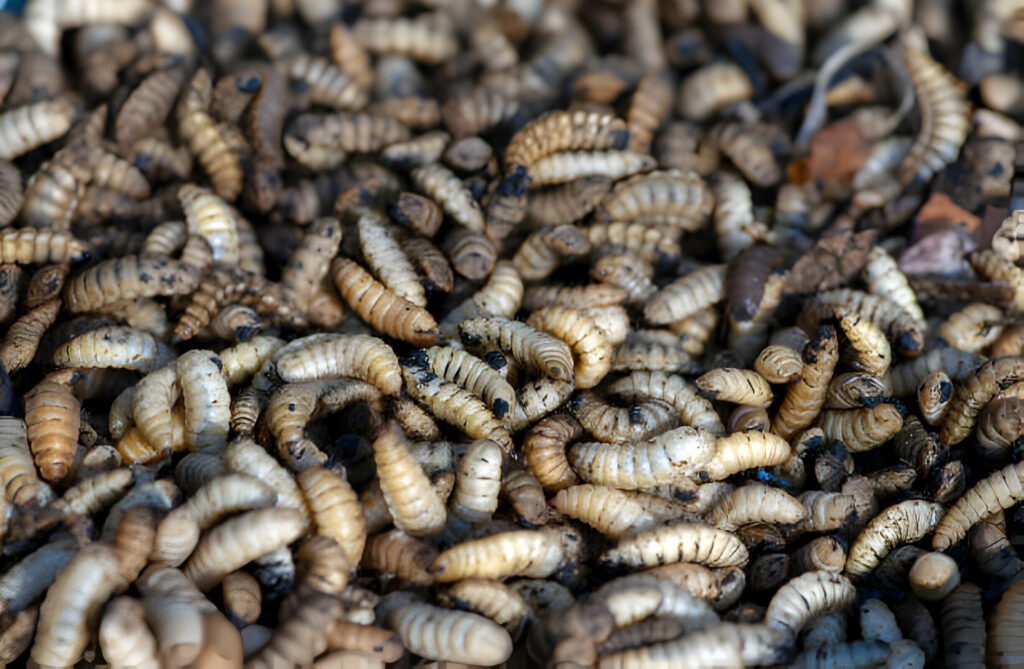
Leopard geckos are known to be voracious eaters and will consume a wide variety of insects as part of their diet. One such insect that is often considered as a potential food source for leopard geckos is the soldier worm.
Soldier worms, also known as black soldier fly larvae, are high in protein and have a soft exoskeleton, making them a suitable food option for leopard geckos. However, it is important to note that soldier worms should not be the sole food source for leopard geckos as they do not provide all the essential nutrients required for their growth and development.
It is recommended to offer soldier worms as part of a varied diet that includes other insects such as crickets, mealworms, and dubia roaches. It is also important to ensure that the soldier worms are gut-loaded with nutritious food before feeding them to the leopard geckos.
Leopard geckos may not immediately recognize soldier worms as food, so it is recommended to introduce them gradually and monitor their feeding response. As with any new food item, it is important to observe the leopard gecko for any signs of illness or discomfort after feeding them soldier worms.
In conclusion, soldier worms can be a suitable addition to the diet of leopard geckos, but they should not be the only food source. A varied diet that includes other insects is essential for the health and well-being of leopard geckos.
Nutritional Benefits of Soldier Worms for Leopard Geckos
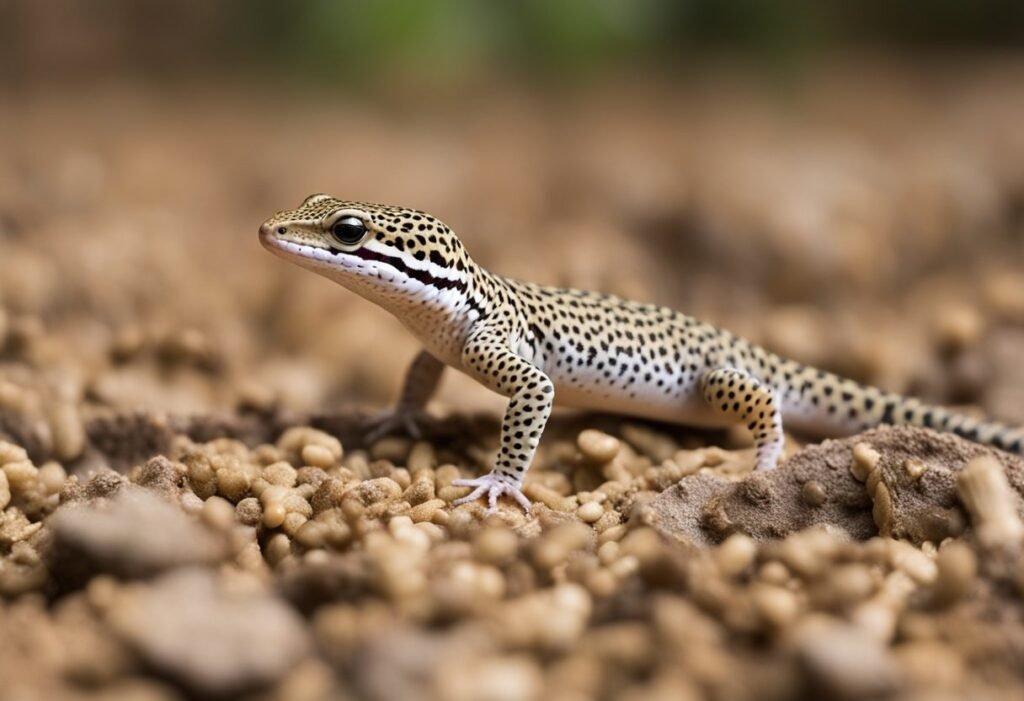
Soldier worms, also known as black soldier fly larvae, are a popular feeder insect for leopard geckos. These worms are high in protein and other essential nutrients that are important for the health and well-being of leopard geckos.
One of the main nutritional benefits of soldier worms for leopard geckos is their high protein content. Protein is essential for growth and development, as well as for maintaining healthy muscles and tissues. Soldier worms have a protein content of around 42%, which is higher than many other feeder insects commonly fed to leopard geckos.
In addition to protein, soldier worms are also a good source of calcium, phosphorus, and other essential minerals. These minerals are important for maintaining healthy bones and teeth, as well as for other bodily functions.
Another benefit of feeding soldier worms to leopard geckos is their low fat content. Unlike some other feeder insects, soldier worms are relatively low in fat, which makes them a good choice for leopard geckos that are prone to obesity.
Overall, soldier worms are a nutritious and healthy feeder insect for leopard geckos. They provide a good balance of protein, minerals, and other essential nutrients, and are a great addition to a varied and balanced diet for these popular pet lizards.
Safety Considerations When Feeding Soldier Worms
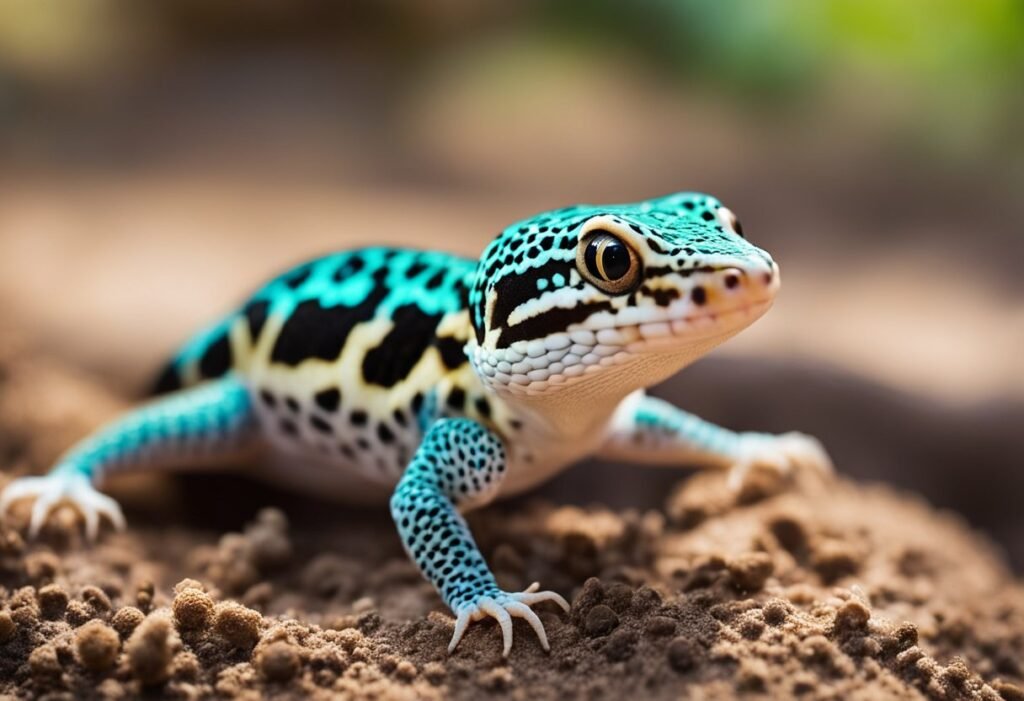
Leopard geckos are known to enjoy a variety of insects as part of their diet, and soldier worms are one of the options available. However, there are some safety considerations to keep in mind when feeding soldier worms to leopard geckos.
Firstly, it is important to ensure that the soldier worms are appropriately sized for the leopard gecko. Feeding large worms to small geckos can lead to choking or digestive issues. It is recommended to offer worms that are no larger than the space between the gecko’s eyes.
Additionally, leopard geckos should not be fed soldier worms exclusively. A varied diet is important to ensure that the gecko receives all of the necessary nutrients. It is recommended to rotate between different insects, such as crickets, mealworms, and waxworms, to provide a balanced diet.
When feeding soldier worms, it is important to ensure that they are gut-loaded and dusted with calcium powder. Gut-loading involves feeding the worms a nutritious diet before offering them to the gecko, which in turn increases the nutritional value of the worm. Dusting the worms with calcium powder helps to prevent calcium deficiencies in the gecko.
In summary, soldier worms can be a safe and nutritious addition to a leopard gecko’s diet as long as they are appropriately sized, not fed exclusively, and are gut-loaded and dusted with calcium powder.
How to Feed Soldier Worms to Leopard Geckos
Soldier worms are a nutritious food source for leopard geckos. They are high in protein and low in fat, making them an ideal addition to a leopard gecko’s diet. Here are some tips on how to feed soldier worms to your leopard gecko.
Preparing Soldier Worms
Before feeding soldier worms to your leopard gecko, it is important to prepare them properly. Soldier worms can be purchased live or frozen. If you are using frozen soldier worms, make sure to thaw them out before feeding them to your leopard gecko.
To prepare live soldier worms, place them in a container with some oatmeal or wheat bran. This will help to clean out their digestive system and make them more nutritious for your leopard gecko. It is also important to remove any dead soldier worms from the container before feeding them to your leopard gecko.
Feeding Frequency and Quantity
Leopard geckos should be fed soldier worms as part of a balanced diet. They can be fed once or twice a week, depending on the age and size of your leopard gecko. Younger leopard geckos should be fed more frequently than adults.
The quantity of soldier worms to feed your leopard gecko will depend on their size and appetite. As a general rule, feed your leopard gecko as many soldier worms as they can eat in 10-15 minutes. Avoid overfeeding your leopard gecko, as this can lead to obesity and other health problems.
In conclusion, soldier worms are a nutritious food source for leopard geckos. By following these tips on how to feed soldier worms to your leopard gecko, you can ensure that they are getting the proper nutrition they need to stay healthy and happy.
Alternatives to Soldier Worms for Leopard Geckos
While soldier worms are a popular food choice for leopard geckos, there are several alternative options that can provide a balanced and nutritious diet.
Crickets
Crickets are a staple food for many reptiles, including leopard geckos. They are readily available, easy to digest, and provide a good source of protein. It is important to gut-load crickets before feeding them to your gecko to ensure they receive a balanced diet.
Dubia Roaches
Dubia roaches are another excellent food choice for leopard geckos. They are high in protein and low in fat, making them a healthy option. They are also easy to digest and have a long shelf life.
Mealworms
Mealworms are a common food choice for leopard geckos, but they should be fed in moderation as they are high in fat. They are easy to find and provide a good source of protein. It is important to gut-load mealworms before feeding them to your gecko to ensure they receive a balanced diet.
Waxworms
Waxworms are a high-fat treat that should only be fed to leopard geckos occasionally. They are a good source of calcium and can be used to supplement a gecko’s diet. However, they should not be fed as a staple food as they can lead to obesity.
Overall, there are several alternative food options available for leopard geckos that can provide a balanced and nutritious diet. It is important to vary your gecko’s diet and ensure they receive a balanced mix of protein, fat, and calcium.
Monitoring Your Leopard Gecko’s Health
Leopard geckos are generally hardy pets, but it’s important to monitor their health regularly to ensure they stay healthy. Here are some things to keep in mind when monitoring your leopard gecko’s health:
1. Observe their behavior
Leopard geckos are active creatures, but they also spend a lot of time sleeping. If your gecko is lethargic and not moving around much, it could be a sign of illness. You should also look for signs of stress, such as hiding for long periods of time or refusing to eat.
2. Check their skin and eyes
A healthy leopard gecko should have clear eyes and smooth, shiny skin. If you notice any bumps, lumps, or discolorations on their skin, it could be a sign of a health problem. You should also check their eyes for any signs of discharge or cloudiness.
3. Monitor their weight
Leopard geckos should maintain a healthy weight, and sudden weight loss can be a sign of illness. You can monitor your gecko’s weight by weighing them regularly and keeping track of any changes.
4. Provide a balanced diet
A balanced diet is essential for your leopard gecko’s health. You should provide a variety of insects, such as crickets and mealworms, as well as occasional treats like soldier worms. Make sure to dust their food with calcium powder to prevent calcium deficiency.
By regularly monitoring your leopard gecko’s health, you can catch any potential health problems early and ensure they receive the proper care they need.
Frequently Asked Questions
What are the best worms to feed leopard geckos?
Leopard geckos are insectivores and require a diet that is high in protein. Mealworms and crickets are the most commonly fed insects to leopard geckos. However, black soldier fly larvae, also known as “soldier worms,” are a great alternative as they are high in protein and calcium. They are also easy to digest for leopard geckos.
How many black soldier fly larvae should I feed my leopard gecko?
The number of black soldier fly larvae you should feed your leopard gecko depends on its size and age. As a general rule of thumb, you should feed your leopard gecko as many black soldier fly larvae as it can eat in 10 to 15 minutes. It is important not to overfeed your leopard gecko as this can lead to obesity.
Are nightcrawlers safe for leopard geckos to eat?
Nightcrawlers, also known as earthworms, are not recommended as a staple food for leopard geckos. While they are high in protein, they are also high in fat and can cause digestive issues for leopard geckos. It is best to stick to insects that are specifically suited for a leopard gecko’s diet.
Can leopard geckos have red worms in their diet?
Red worms, also known as red wigglers, are not recommended as a staple food for leopard geckos. They are high in fat and can cause digestive issues for leopard geckos. It is best to stick to insects that are specifically suited for a leopard gecko’s diet.
What insects are suitable for a leopard gecko’s diet?
Leopard geckos can eat a variety of insects, including mealworms, crickets, dubia roaches, and black soldier fly larvae. It is important to provide a varied diet to ensure that your leopard gecko is getting all the necessary nutrients.
Is it okay for leopard geckos to eat fruit or should they stick to insects?
Leopard geckos are strictly insectivores and should not be fed fruit. Fruit is high in sugar and can cause digestive issues for leopard geckos. It is best to stick to insects that are specifically suited for a leopard gecko’s diet.