

Leopard geckos are a popular pet among reptile enthusiasts due to their docile nature and ease of care. As with any pet, it is important to ensure that their dietary needs are met for optimal health. One common question that arises is whether or not leopard geckos can eat wax worms.
Wax worms are the larvae of the wax moth and are often used as a treat for reptiles due to their high fat content. While leopard geckos can eat wax worms, it is important to do so in moderation. Feeding too many wax worms can lead to obesity and other health issues. Additionally, wax worms should not be the sole source of nutrition for leopard geckos and should be supplemented with a variety of insects and other foods.
Overall, while wax worms can be a tasty treat for leopard geckos, it is important to ensure that they are fed in moderation and as part of a balanced diet. As with any dietary changes, it is important to consult with a veterinarian or experienced reptile owner to ensure the health and well-being of your pet.
Dietary Needs of Leopard Geckos
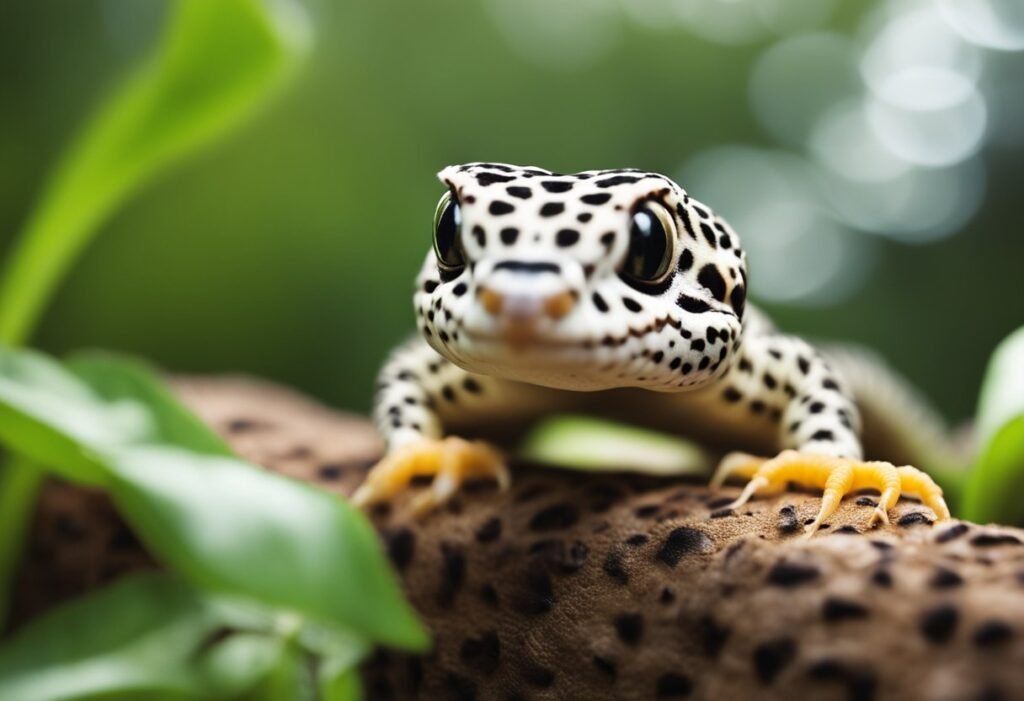
As responsible pet owners, it’s important to understand the dietary needs of our leopard geckos to ensure they live a healthy and happy life. Leopard geckos are insectivores, meaning their diet consists mainly of insects.
The primary insects that should make up the majority of a leopard gecko’s diet include crickets, mealworms, and dubia roaches. These insects provide the necessary nutrients and protein that leopard geckos need to thrive. It’s important to note that the size of the insects fed to leopard geckos should be appropriate for their size and age.
In addition to insects, leopard geckos can also eat other treats such as wax worms, super worms, and silk worms. However, these should be fed in moderation as they are high in fat and can lead to obesity if overfed. Wax worms, in particular, are a popular treat among leopard gecko owners, but they should not make up a significant portion of their diet.
It’s also important to provide a variety of insects to ensure that leopard geckos receive a balanced diet. Insects such as crickets and dubia roaches can be dusted with calcium powder to ensure that leopard geckos receive the necessary amount of calcium for healthy bone growth.
In summary, the dietary needs of leopard geckos consist mainly of insects such as crickets, mealworms, and dubia roaches. Treats such as wax worms can be fed in moderation, but should not make up a significant portion of their diet. Providing a variety of insects and dusting them with calcium powder can help ensure that leopard geckos receive a balanced diet and stay healthy.
Benefits of Wax Worms in a Leopard Gecko’s Diet
Wax worms are a popular treat for leopard geckos and can provide several benefits when included in their diet. Here are some of the benefits of feeding wax worms to your leopard gecko:
- High in fat: Wax worms are high in fat, which is an essential nutrient for leopard geckos. Fat is a great source of energy and helps maintain healthy skin and coat. Including wax worms in your leopard gecko’s diet can help prevent weight loss and promote overall health.
- Easy to digest: Wax worms have a soft exoskeleton and are easy to digest for leopard geckos. They are a great treat for geckos that are recovering from illness or undergoing stress.
- Variety in diet: Leopard geckos can get bored of eating the same food every day. Wax worms can be a great addition to their diet as they provide variety and can help stimulate their appetite.
It is important to note that wax worms should be fed in moderation as they are high in fat and low in other essential nutrients. We recommend feeding wax worms as a treat, rather than a staple in their diet.
Risks of Feeding Wax Worms to Leopard Geckos
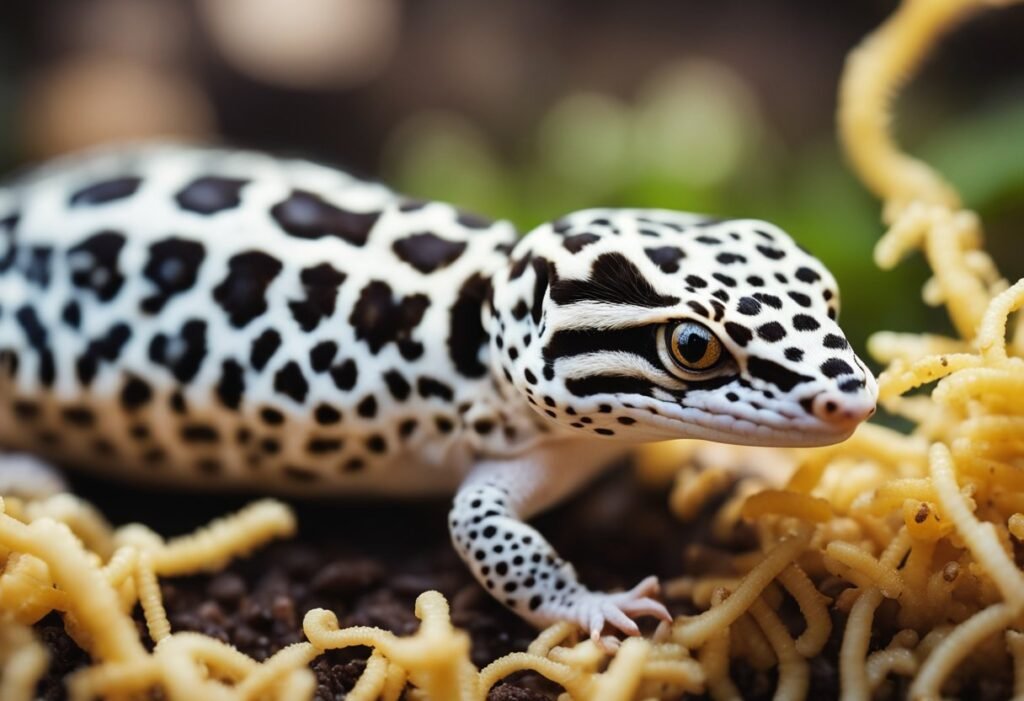
When it comes to feeding leopard geckos, wax worms are a popular choice. However, it is important to be aware of the potential risks associated with feeding them to your gecko.
Firstly, wax worms are high in fat and should not be fed as a regular part of a leopard gecko’s diet. Overfeeding wax worms can lead to obesity, which can cause health problems such as fatty liver disease.
Secondly, wax worms have a soft exoskeleton, which can be difficult for leopard geckos to digest. This can lead to impaction, a condition where the gecko’s digestive tract becomes blocked and can cause serious health problems.
Lastly, wax worms are known to be addictive to leopard geckos due to their high fat content and sweet taste. This can lead to the gecko refusing to eat other, more nutritious foods and becoming malnourished.
In summary, while wax worms can be a tasty treat for leopard geckos, they should be fed in moderation and not as a regular part of their diet. It is important to monitor your gecko’s weight and ensure they are receiving a balanced diet to avoid potential health problems.
How to Feed Wax Worms to Leopard Geckos
When it comes to feeding your leopard gecko, wax worms can be a great addition to their diet. However, it is important to ensure that they are fed in the correct way to avoid any potential health issues. Here are some tips on how to feed wax worms to leopard geckos.
Portion Control
Wax worms are high in fat, so it is important to feed them to your leopard gecko in moderation. We recommend feeding no more than two to three wax worms per feeding, and no more than once or twice a week. Overfeeding wax worms can lead to obesity and other health problems.
Frequency of Feeding
While wax worms can be a tasty treat for your leopard gecko, they should not make up a large part of their diet. We recommend feeding wax worms as a supplement to their regular diet of crickets or mealworms. Leopard geckos should be fed every other day, with a break in feeding once a week to allow for proper digestion.
Preparation of Wax Worms
Before feeding wax worms to your leopard gecko, it is important to prepare them properly. Wax worms should be kept in the refrigerator to slow their growth and prolong their lifespan. Before feeding, allow the worms to reach room temperature. You can also dust them with calcium powder to ensure that your leopard gecko is getting the necessary nutrients.
Overall, feeding wax worms to your leopard gecko can be a great way to add variety to their diet. However, it is important to do so in moderation and to follow the proper guidelines for feeding. By following these tips, you can ensure that your leopard gecko stays healthy and happy.
Nutritional Profile of Wax Worms

Wax worms are the larval stage of the wax moth, and they are commonly used as a food source for reptiles, including leopard geckos. They are high in fat and protein, which makes them a nutritious treat for your pet.
Here is a breakdown of the nutritional profile of wax worms:
- Protein: Wax worms are high in protein, with approximately 20-25% of their dry weight consisting of protein. This makes them a good source of protein for your leopard gecko.
- Fat: Wax worms are also high in fat, with approximately 35-40% of their dry weight consisting of fat. While a high-fat diet can be unhealthy for some animals, leopard geckos are able to handle a diet that is higher in fat than other reptiles.
- Calcium: Wax worms are not a good source of calcium, which is an important mineral for leopard geckos. Therefore, it is important to supplement your leopard gecko’s diet with calcium-rich foods, such as crickets or mealworms.
- Other nutrients: Wax worms are also a good source of other nutrients, such as vitamins and minerals. However, they should only be fed as an occasional treat, rather than as a staple in your leopard gecko’s diet.
In conclusion, while wax worms are a nutritious treat for your leopard gecko, they should be fed in moderation and should not be relied upon as a primary food source. It is important to provide a varied diet that includes a balance of protein, fat, and calcium-rich foods to ensure your leopard gecko stays healthy and happy.
Alternatives to Wax Worms for Leopard Geckos
If you’re looking for alternative feeders for your leopard gecko, there are plenty of options available. Here are a few that we recommend:
Crickets
Crickets are a staple feeder for many reptile keepers, and for good reason. They’re readily available, affordable, and provide a good source of protein for your gecko. However, it’s important to gut-load your crickets before feeding them to your gecko to ensure they’re getting all the necessary nutrients.
Mealworms
Mealworms are another popular feeder for leopard geckos. They’re easy to find and relatively inexpensive. However, they’re not as nutritious as some of the other options on this list, so it’s important to supplement your gecko’s diet with other feeders as well.
Dubia Roaches
Dubia roaches are becoming increasingly popular as a feeder for leopard geckos. They’re high in protein and easy to digest, making them a great choice for geckos of all ages. They’re also low in fat, which can help prevent obesity in your gecko.
Black Soldier Fly Larvae
Black soldier fly larvae, also known as phoenix worms or calci worms, are a great source of calcium for your gecko. They’re high in protein and low in fat, making them a healthy choice for your pet. They’re also easy to digest, so they’re a good option for geckos with digestive issues.
Silkworms
Silkworms are another nutritious feeder for leopard geckos. They’re high in protein and low in fat, and they’re also a good source of calcium. However, they can be a bit more expensive than some of the other options on this list.
Overall, there are plenty of alternatives to wax worms for your leopard gecko. By offering a variety of feeders, you can ensure that your gecko is getting all the necessary nutrients to stay healthy and happy.
Understanding Leopard Geckos’ Feeding Behavior
As a responsible pet owner, it’s important to understand your leopard gecko’s feeding behavior to ensure they receive the proper nutrition they need to thrive. Leopard geckos are insectivores, meaning they primarily eat insects. In the wild, they feed on a variety of insects, including crickets, mealworms, and wax worms.
Leopard geckos have a high metabolism and require frequent feeding. As juveniles, they should be fed every day, while adults can be fed every other day. It’s important to monitor their weight and adjust their feeding schedule accordingly to prevent under or overfeeding.
When feeding leopard geckos, it’s important to provide a variety of insects to ensure they receive a balanced diet. Wax worms can be a tasty treat for leopard geckos, but they should not be their primary food source. Wax worms are high in fat and low in calcium, which can lead to obesity and metabolic bone disease if fed in excess.
In addition to providing a variety of insects, it’s important to dust them with calcium and vitamin supplements to ensure your leopard gecko receives the necessary nutrients. Calcium is especially important for proper bone growth and development.
Overall, understanding your leopard gecko’s feeding behavior and providing a balanced diet is crucial for their health and well-being. By offering a variety of insects and supplementing their diet with calcium and vitamins, you can ensure your leopard gecko receives the proper nutrition they need to thrive.
Monitoring Your Leopard Gecko’s Health

As responsible pet owners, we need to keep a close eye on the health of our leopard geckos. Regular monitoring of their behavior, appetite, and physical appearance can help us catch any potential health issues early on.
Here are some key things to keep in mind when monitoring your leopard gecko’s health:
Appetite
Leopard geckos are known for their hearty appetites, so a sudden decrease in appetite can be a cause for concern. Make sure to monitor their food intake and note any changes in their eating habits. It’s also important to offer a variety of food options to ensure they are getting a balanced diet.
Behavior
Leopard geckos are generally active at night and will spend most of the day sleeping. Keep an eye on their behavior and note any changes in their activity level or behavior. If they seem lethargic or are not moving around as much as usual, it could be a sign of an underlying health issue.
Physical Appearance
Regularly inspect your leopard gecko’s skin, eyes, and mouth for any abnormalities. Look for any signs of shedding issues, such as retained shed or incomplete shedding. Make sure their eyes are clear and free of discharge, and their mouth is clean and free of any sores or lesions.
In conclusion, monitoring your leopard gecko’s health is an important part of being a responsible pet owner. By keeping a close eye on their appetite, behavior, and physical appearance, we can catch any potential health issues early on and ensure our geckos live happy and healthy lives.
Frequently Asked Questions
Are wax worms a suitable food choice for leopard geckos?
Yes, wax worms can be a suitable food choice for leopard geckos. They are high in fat and protein, which are essential for the growth and maintenance of leopard geckos.
How often should leopard geckos be fed wax worms?
Wax worms should not be fed to leopard geckos too often as they are high in fat. They can be fed as a treat once or twice a week, but should not make up the majority of their diet.
What are the nutritional benefits of feeding wax worms to leopard geckos?
Wax worms are high in fat and protein, which are important for the growth and maintenance of leopard geckos. They also contain calcium, which is essential for strong bones.
Can wax worms be a staple in the diet of leopard geckos or should they be a treat?
Wax worms should not be a staple in the diet of leopard geckos as they are high in fat. They should be fed as a treat once or twice a week, and should not make up the majority of their diet.
How should wax worms be prepared before feeding them to leopard geckos?
Wax worms should be gut-loaded before feeding them to leopard geckos. This means feeding them a nutritious diet for 24-48 hours before feeding them to your leopard gecko. They should also be dusted with calcium powder before feeding.
What are the potential risks of feeding wax worms to leopard geckos?
Feeding wax worms to leopard geckos too often can lead to obesity. They can also become addicted to wax worms and refuse to eat other types of food. Additionally, wax worms should not be fed to leopard geckos that are under 6 months old as they are more prone to developing metabolic bone disease.