Tortoises are herbivores and require a specific diet to maintain their health. Owners of tortoises often wonder what foods are safe for their pets to eat. One question that arises frequently is whether or not tortoises can eat mushrooms.
Mushrooms are a type of fungus that come in many varieties. While some mushrooms are safe for humans to eat, others can be poisonous. It’s important to know whether or not mushrooms are safe for tortoises to consume. In this article, we’ll explore the topic of whether or not tortoises can eat mushrooms and provide some insight into the potential risks and benefits of feeding mushrooms to your pet.
Understanding Tortoise Diet
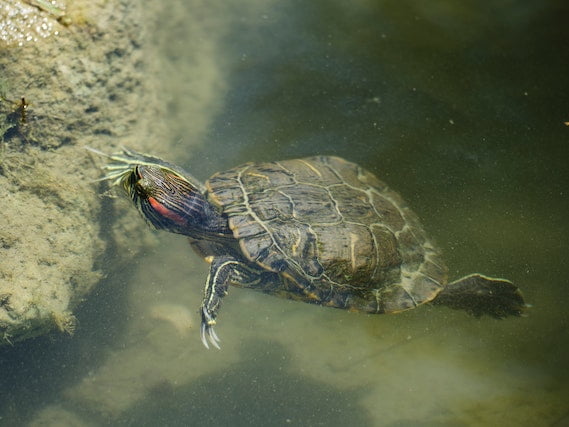
When it comes to feeding tortoises, it is important to understand their natural diet. Tortoises are herbivores, which means that they primarily eat plants. However, not all plants are safe for tortoises to consume. Some plants can be toxic and cause serious health problems.
Therefore, it is essential to provide a balanced and varied diet that meets their nutritional needs. A healthy tortoise diet should consist of the following:
1. Hay and Grass
Hay and grass should make up a significant portion of a tortoise’s diet. These foods are rich in fiber, which helps promote healthy digestion. Timothy hay, orchard grass, and Bermuda grass are all good options for tortoises.
2. Leafy Greens
Leafy greens are an excellent source of vitamins and minerals for tortoises. Some good options include kale, collard greens, dandelion greens, and mustard greens. However, spinach and beet greens should be avoided as they contain high levels of oxalic acid, which can interfere with calcium absorption.
3. Vegetables
In addition to leafy greens, tortoises can also eat a variety of vegetables. Some good options include carrots, squash, sweet potatoes, and bell peppers. However, vegetables that are high in oxalic acid, such as rhubarb and parsley, should be avoided.
4. Fruits
Fruits can be given as treats, but they should not make up a significant portion of a tortoise’s diet. Some good options include apples, strawberries, and blueberries. However, fruits that are high in sugar, such as bananas and grapes, should be avoided.
5. Supplements
Tortoises require calcium and vitamin D3 to maintain healthy bones and shells. Therefore, it is important to provide them with a calcium supplement and a source of UVB light. Without these, tortoises can develop metabolic bone disease, which can be fatal.
Overall, a healthy tortoise diet should consist of a variety of hay, grass, leafy greens, vegetables, and fruits, along with supplements to ensure they are getting all the nutrients they need.
Can Tortoises Eat Mushrooms
Mushrooms are a type of fungus that can be found in many different environments. They come in a variety of shapes, sizes, and colors, and are often used in cooking. However, when it comes to feeding mushrooms to tortoises, there are a few things to consider.
First and foremost, not all mushrooms are safe for tortoises to eat. In fact, some mushrooms can be toxic and even deadly. It is important to know which types of mushrooms are safe for tortoises to eat before offering them as a food source.
One type of mushroom that is safe for tortoises to eat is the button mushroom. This mushroom is commonly found in grocery stores and is often used in cooking. It is a good source of protein and can be a healthy addition to a tortoise’s diet.
Another type of mushroom that is safe for tortoises to eat is the oyster mushroom. This mushroom is also commonly found in grocery stores and is often used in cooking. It is a good source of vitamins and minerals, and can be a healthy addition to a tortoise’s diet.
However, it is important to note that not all mushrooms are safe for tortoises to eat. Some mushrooms can be toxic and even deadly. It is important to do your research and make sure that the mushrooms you are feeding your tortoise are safe.
In conclusion, while some mushrooms are safe for tortoises to eat, it is important to do your research and make sure that the mushrooms you are feeding your tortoise are safe. Always consult with a veterinarian before introducing new foods into your tortoise’s diet.
Effects of Mushrooms on Tortoises
Mushrooms are a type of fungus that can be found in many different environments. While some types of mushrooms are safe for humans and animals to consume, others can be toxic and even deadly. As such, it is important to understand the effects of mushrooms on tortoises.
When it comes to tortoises, the effects of mushrooms can vary depending on the type of mushroom and the amount consumed. Some mushrooms may have no effect on tortoises, while others can cause serious health problems.
One of the most common effects of mushrooms on tortoises is gastrointestinal distress. This can include symptoms such as vomiting, diarrhea, and loss of appetite. In severe cases, mushrooms can cause liver and kidney damage, which can be life-threatening.
It is also important to note that some types of mushrooms contain toxins that can affect the nervous system. This can lead to symptoms such as tremors, seizures, and even death.
Overall, it is best to avoid feeding mushrooms to tortoises. If you suspect that your tortoise has consumed mushrooms, it is important to seek veterinary care immediately.

Safe Mushrooms for Tortoises
Common Edible Mushrooms
As we all know, tortoises are herbivores and require a specific diet to maintain their health. While mushrooms are not a staple in their diet, they can be a nutritious treat if given in moderation. Here are some common edible mushrooms that are safe for tortoises to eat:
| Mushroom Name | Nutritional Value |
|---|---|
| Button Mushrooms | High in protein, fiber, and antioxidants |
| Portobello Mushrooms | Rich in vitamins B and D, as well as minerals like potassium and phosphorus |
| Shiitake Mushrooms | Contains compounds that boost the immune system and lower cholesterol levels |
| Oyster Mushrooms | Low in calories and high in antioxidants |
It’s important to note that while these mushrooms are safe for tortoises to eat, they should be given in small amounts and only as an occasional treat. Too much of any food can upset their digestive system and lead to health problems.
Wild Mushrooms
When it comes to wild mushrooms, it’s best to err on the side of caution and avoid feeding them to your tortoise altogether. While some wild mushrooms may be safe for humans to eat, they can be toxic to tortoises and other animals.
It can be difficult to identify which mushrooms are safe and which are not, so it’s best to stick to commercially grown mushrooms that are specifically labeled for human consumption. If you do come across wild mushrooms and are unsure if they are safe, it’s best to consult with a veterinarian or an expert in mycology before feeding them to your tortoise.
Remember, the health and well-being of your tortoise should always come first. While mushrooms can be a tasty treat, it’s important to feed them in moderation and only choose safe options.
Unsafe Mushrooms for Tortoises
Poisonous Mushrooms
As we all know, mushrooms are a diverse group of fungi that come in many shapes, sizes, and colors. However, not all mushrooms are safe for tortoises to eat. Some mushrooms are poisonous and can cause serious harm or even death to your tortoise.
Here are some of the most common poisonous mushrooms that you should avoid feeding your tortoise:
| Mushroom Name | Toxicity Level |
|---|---|
| Amanita phalloides | Deadly |
| Amanita muscaria | Toxic |
| Galerina marginata | Deadly |
| Conocybe filaris | Toxic |
| Gyromitra esculenta | Deadly |
If you suspect your tortoise has ingested any of these mushrooms, seek veterinary help immediately.
Non-edible Mushrooms
Apart from poisonous mushrooms, there are also non-edible mushrooms that are not toxic but are still unsuitable for tortoises. These mushrooms are either too tough or too difficult for tortoises to digest.
Here are some examples of non-edible mushrooms:
- Morels
- Puffballs
- Truffles
- Chanterelles
While these mushrooms are not toxic, they should not be fed to your tortoise as they can cause digestive problems.
In conclusion, it is essential to be aware of the types of mushrooms that are safe for your tortoise to eat. Avoid feeding your tortoise any mushrooms unless you are confident they are safe. If you are unsure, it is best to consult with a veterinarian who specializes in reptiles.
Alternatives to Mushrooms in Tortoise Diet
When it comes to feeding our tortoises, it’s important to provide them with a balanced diet that meets their nutritional needs. While mushrooms can be a tasty treat for some tortoises, they are not suitable for all species and can even be toxic in some cases.
Fortunately, there are plenty of other foods that we can offer our tortoises as a healthy alternative to mushrooms. Here are a few options to consider:
- Leafy Greens: Tortoises love leafy greens like kale, collard greens, and dandelion greens. These are a great source of fiber, vitamins, and minerals that are essential for a healthy tortoise diet.
- Vegetables: Vegetables like carrots, squash, and sweet potato can also be a great addition to your tortoise’s diet. These are high in nutrients and can help keep your tortoise healthy and happy.
- Fruits: While fruits should be offered in moderation due to their high sugar content, they can be a tasty treat for your tortoise. Some good options include strawberries, blueberries, and apple slices.
- Hay: Hay is an important part of a tortoise’s diet, as it helps keep their digestive system healthy and functioning properly. Timothy hay is a good option for most tortoise species.
It’s important to remember that every tortoise is different, and what works for one may not work for another. Always do your research and consult with a veterinarian before making any major changes to your tortoise’s diet.
Conclusion
In conclusion, while some species of tortoises may be able to eat certain types of mushrooms without any adverse effects, it is generally recommended to avoid feeding mushrooms to tortoises.
Mushrooms can be difficult to identify, and many species are toxic to tortoises and can cause serious health problems or even death. Additionally, even non-toxic mushrooms can be difficult for tortoises to digest and may cause gastrointestinal issues.
It is important to ensure that the diet of your tortoise is well-balanced and includes a variety of safe and healthy foods, such as leafy greens, vegetables, and fruits. If you are unsure about whether a particular food is safe for your tortoise to eat, it is always best to err on the side of caution and consult with a veterinarian or other animal care professional.
By providing your tortoise with a healthy and balanced diet, you can help ensure that they live a long and happy life.

Frequently Asked Questions
What fruits are safe for tortoises to eat?
Tortoises can safely consume a variety of fruits, including apples, strawberries, and bananas. However, it’s important to remember that fruits should only make up a small portion of a tortoise’s diet.
What vegetables should I feed my tortoise?
Tortoises require a diet that is high in fiber and low in protein. Some safe vegetables to feed your tortoise include kale, collard greens, and dandelion greens.
What is a healthy diet for a tortoise?
A healthy diet for a tortoise should consist mainly of dark leafy greens and other vegetables, with a small amount of fruit and occasional protein sources, such as boiled egg or cooked chicken.
Are mushrooms harmful to tortoises?
It is generally recommended to avoid feeding tortoises mushrooms, as some species can be toxic and cause gastrointestinal distress.
What foods should I avoid feeding my tortoise?
In addition to mushrooms, tortoises should not be fed any foods that are high in protein, such as meat or dairy products. They should also avoid foods that are high in oxalic acid, such as rhubarb and spinach.
Can turtles safely consume mushrooms?
While some species of turtles may be able to consume certain types of mushrooms, it is generally recommended to avoid feeding them mushrooms altogether, as some species can be toxic and cause health problems.