

Tortoises are herbivorous creatures that require a diet rich in fiber and nutrients to maintain good health. While they can eat a variety of vegetables and fruits, not all foods are suitable for them. One such food that often raises questions is spinach. Can tortoises eat spinach?
The answer is yes, but in moderation. Spinach is a nutritious leafy green that contains vitamins A, C, and K, as well as iron and calcium. However, it also contains oxalates, which can bind to calcium and prevent its absorption. This can lead to the formation of kidney and bladder stones in tortoises if they consume too much spinach. So, while it’s okay to feed your tortoise spinach occasionally, it should not be a staple in their diet.
As with any food, it’s important to offer a variety of options to ensure your tortoise is getting a balanced diet. In addition to spinach, you can offer other leafy greens such as kale, collard greens, and dandelion greens. Vegetables like carrots, squash, and bell peppers can also be added to their diet. By providing a diverse range of foods, you can help ensure your tortoise stays healthy and happy.
Understanding Tortoises’ Dietary Needs
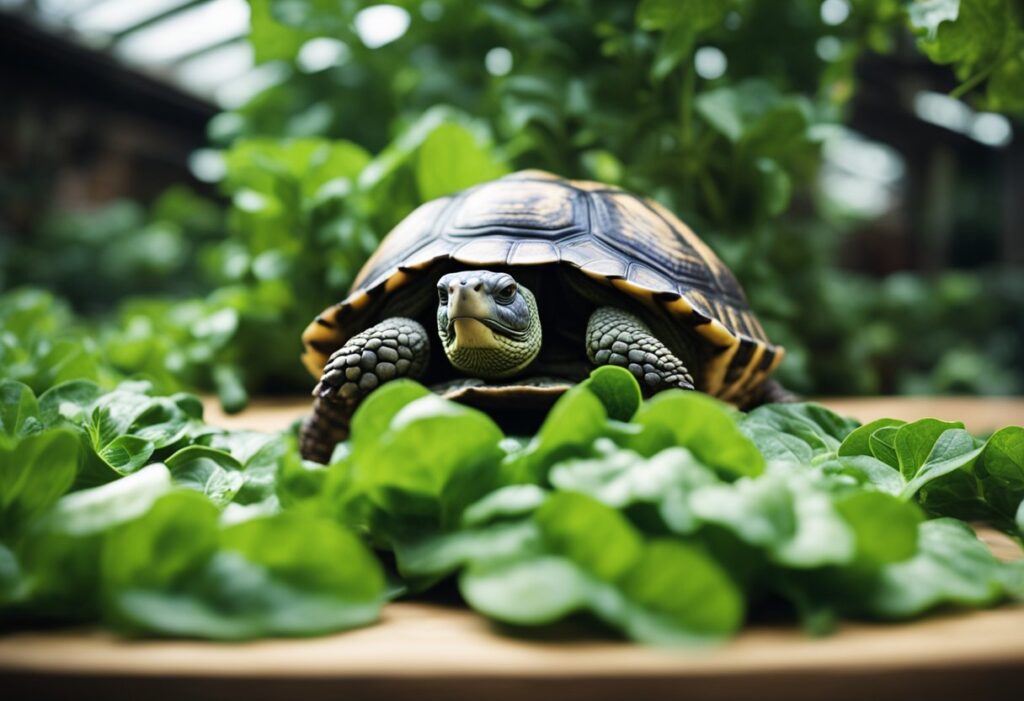
Tortoises are herbivores, which means their diet consists mainly of plants. However, not all plants are suitable for tortoises to eat. It is important to understand their dietary needs to ensure they receive the proper nutrition for their health and well-being.
Tortoises require a high-fiber, low-protein, and low-fat diet. They need a variety of leafy greens, vegetables, and fruits to provide them with the necessary vitamins and minerals. Spinach is a popular leafy green, but it should be fed in moderation due to its high oxalate content. Oxalates can bind with calcium and prevent it from being absorbed, leading to potential health problems.
Other leafy greens that are safe for tortoises to eat include kale, collard greens, mustard greens, and dandelion greens. These greens are high in fiber, calcium, and vitamin A, which are essential for tortoises’ health.
In addition to leafy greens, tortoises can also eat a variety of vegetables and fruits, such as carrots, squash, bell peppers, and strawberries. These foods provide additional vitamins and minerals that tortoises need in their diet.
It is important to note that tortoises have different dietary needs based on their species, age, and size. It is recommended to consult with a veterinarian or a reptile expert to determine the appropriate diet for your tortoise.
Overall, understanding tortoises’ dietary needs is crucial for their health and well-being. Providing them with a balanced and varied diet will ensure they receive the necessary nutrition to thrive.
Can Tortoises Eat Spinach?
Spinach is a popular leafy green vegetable that is often included in salads, smoothies, and other dishes. However, when it comes to feeding spinach to tortoises, there are some important things to consider.
First and foremost, spinach contains high levels of oxalic acid, which can bind with calcium and prevent it from being absorbed by the tortoise’s body. This can lead to metabolic bone disease, a serious condition that can cause deformities, fractures, and even death.
In addition, spinach is also high in nitrates, which can be harmful to tortoises in large amounts. Nitrates can cause the blood to become acidic, which can lead to a range of health problems, including lethargy, loss of appetite, and even death.
While small amounts of spinach may be okay for tortoises as part of a varied diet, it is generally not recommended as a staple food. Instead, tortoises should be fed a diet that is rich in calcium and low in oxalic acid and nitrates, such as dark leafy greens, vegetables, and fruits.
In conclusion, while spinach may seem like a healthy food for tortoises, it should be fed in moderation and as part of a balanced diet. It is important to consult with a veterinarian or reptile expert to ensure that your tortoise is getting the nutrients it needs to stay healthy and thrive.
The Nutritional Value of Spinach for Tortoises
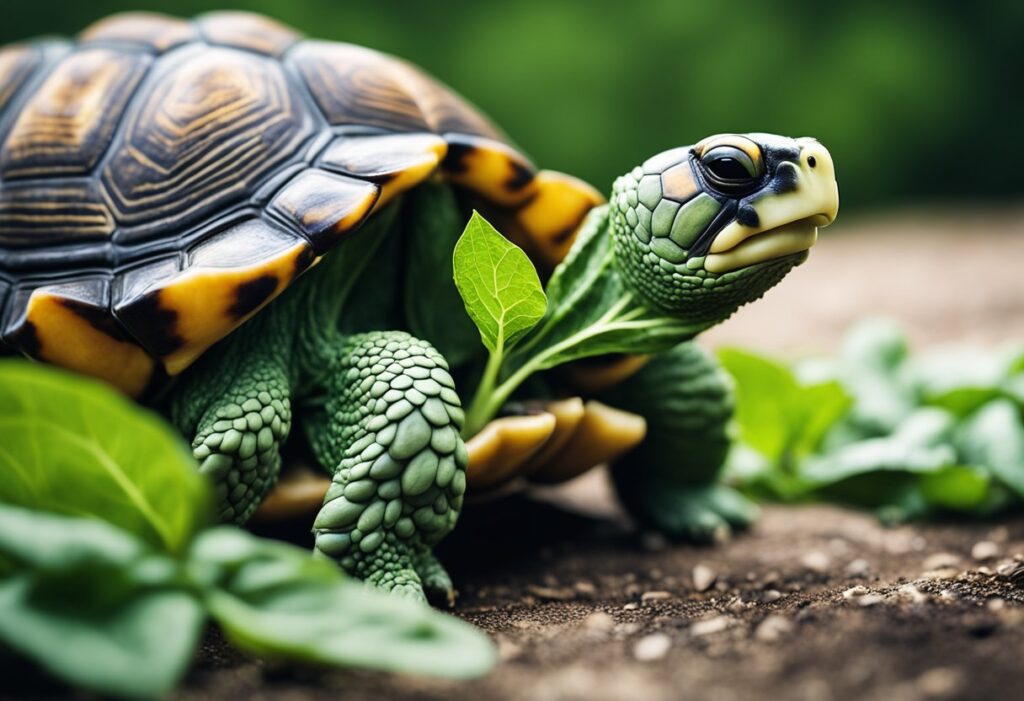
Spinach is a leafy green vegetable that is rich in nutrients. It is a popular choice for humans and animals alike, including tortoises. Here are some of the nutritional benefits that spinach can provide for tortoises:
- Vitamin A: Spinach is a great source of vitamin A, which is essential for tortoises’ eye health and immune system.
- Vitamin K: Spinach is also high in vitamin K, which helps with blood clotting and bone health.
- Iron: Spinach is a good source of iron, which is important for healthy blood and energy levels.
- Calcium: Spinach contains calcium, which is essential for strong bones and shell development in tortoises.
Despite its nutritional benefits, it is important to remember that spinach should not be the sole source of nutrition for tortoises. It should be fed in moderation as part of a balanced diet that includes a variety of vegetables, fruits, and protein sources.
It is also important to note that spinach contains oxalates, which can bind to calcium and prevent its absorption. This can lead to calcium deficiency in tortoises if they are fed too much spinach. Therefore, it is important to limit the amount of spinach that tortoises consume.
In summary, spinach can be a nutritious addition to a tortoise’s diet when fed in moderation as part of a balanced diet. It is important to be aware of its potential drawbacks and to ensure that tortoises receive a variety of other foods to meet their nutritional needs.
Potential Risks of Feeding Spinach to Tortoises
Feeding spinach to tortoises may seem like a healthy option, but there are potential risks to consider. Spinach contains high levels of oxalates, which can bind to calcium and prevent its absorption. This can lead to calcium deficiency, which can cause metabolic bone disease.
In addition, spinach contains goitrogens, which can interfere with thyroid function and lead to goiter formation. Goiter is a condition in which the thyroid gland becomes enlarged and can cause respiratory problems and difficulty swallowing.
Furthermore, spinach contains high levels of nitrates, which can be converted to nitrites in the tortoise’s gut. Nitrites can cause methemoglobinemia, a condition in which the blood is unable to carry oxygen effectively.
It is important to note that while spinach should not be a staple in a tortoise’s diet, small amounts can be fed as a treat. It is recommended to feed a variety of leafy greens, vegetables, and fruits to ensure a balanced diet.
Overall, it is important to be aware of the potential risks associated with feeding spinach to tortoises and to consult with a veterinarian or reptile specialist before making any dietary changes.
Alternatives to Spinach for Tortoises
As we mentioned earlier, spinach should not be fed to tortoises due to its high oxalate content. However, there are several other leafy greens and vegetables that are safe and nutritious for your tortoise.
One great option is kale. Kale is low in oxalates and high in calcium, making it an excellent choice for your tortoise’s diet. Other leafy greens that are safe for tortoises include collard greens, mustard greens, and dandelion greens.
In addition to leafy greens, you can also offer your tortoise a variety of vegetables. Some good options include carrots, squash, bell peppers, and green beans. These vegetables are all low in oxalates and provide your tortoise with important vitamins and minerals.
It’s important to remember that while these foods are safe for tortoises, they should still be offered in moderation. Too much of any one food can upset your tortoise’s digestive system and lead to health problems. It’s best to offer a variety of foods and rotate them regularly to ensure your tortoise is getting a balanced diet.
Overall, while spinach is not a good choice for tortoises, there are plenty of other safe and nutritious options to choose from. By offering a variety of leafy greens and vegetables, you can provide your tortoise with a healthy and balanced diet.
How to Safely Introduce Spinach to a Tortoise’s Diet
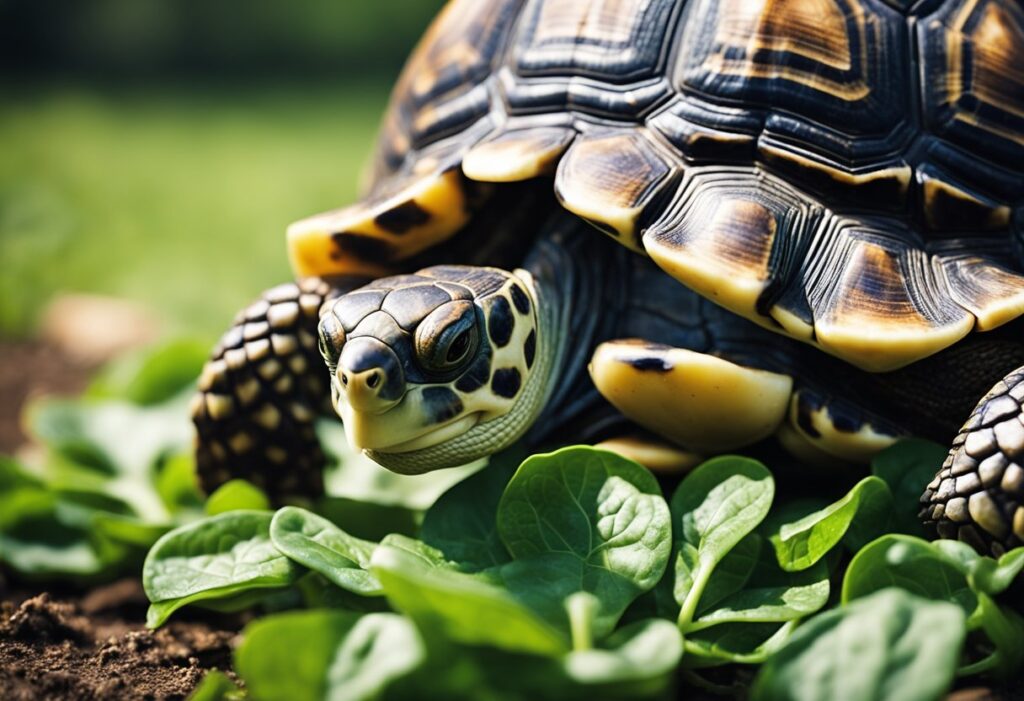
When introducing spinach to a tortoise’s diet, it’s important to do so gradually. Tortoises are herbivores, but they have sensitive digestive systems that can be upset by sudden changes in their diet. Here are some tips on how to safely introduce spinach to your tortoise’s diet:
- Start with small amounts: Begin by offering your tortoise a small amount of spinach, about the size of a quarter. Observe your tortoise’s reaction to the new food and make sure it doesn’t cause any digestive problems.
- Mix spinach with other greens: Tortoises require a variety of greens in their diet. Mix spinach with other greens such as dandelion greens, collard greens, and kale to provide a balanced diet.
- Avoid feeding spinach every day: Spinach contains high levels of oxalates, which can bind to calcium and prevent it from being absorbed by the tortoise’s body. This can lead to calcium deficiency and other health problems. Limit spinach to once or twice a week.
- Wash spinach thoroughly: Spinach can contain harmful bacteria such as E. coli and Salmonella. Rinse the spinach thoroughly before feeding it to your tortoise.
- Monitor your tortoise’s health: Keep an eye on your tortoise’s health when introducing new foods to its diet. If you notice any signs of digestive problems such as diarrhea or lack of appetite, stop feeding spinach and consult a veterinarian.
By following these tips, you can safely introduce spinach to your tortoise’s diet and provide it with a variety of nutritious greens.
Conclusion
In conclusion, while spinach can be a nutritious addition to a tortoise’s diet, it should not be the sole source of their nutrition. Spinach contains high levels of oxalates, which can bind to calcium and prevent its absorption, leading to potential health problems such as metabolic bone disease.
It is important to provide a varied diet for your tortoise, including a mix of leafy greens, vegetables, and fruits. Some good options include dandelion greens, collard greens, kale, carrots, and berries.
Remember to always consult with a veterinarian or a reptile nutritionist to ensure that your tortoise is receiving a balanced and healthy diet. By providing a diverse and nutrient-rich diet, you can help your tortoise live a long and healthy life.
Frequently Asked Questions

What vegetables are safe for tortoises to eat?
Tortoises can eat a variety of vegetables, including dark leafy greens like kale, collard greens, and dandelion greens. Other safe options include carrots, squash, and sweet potatoes. However, it’s important to avoid feeding them vegetables like rhubarb, avocado, and spinach, which can be harmful to their health.
What fruits can tortoises eat?
Tortoises can eat a variety of fruits, including apples, bananas, and berries. However, it’s important to feed them these fruits in moderation, as they are high in sugar. Other safe options include melons, papayas, and figs.
What are some safe foods for tortoises?
In addition to vegetables and fruits, tortoises can also eat hay, grasses, and flowers. Safe flower options include hibiscus, roses, and dandelions. It’s important to make sure that any flowers or grasses you feed your tortoise have not been treated with pesticides or other harmful chemicals.
Is it safe for tortoises to eat watercress?
Yes, watercress is a safe and nutritious option for tortoises. It’s high in calcium and other important nutrients that can help keep your tortoise healthy.
Can tortoises eat red chard?
Yes, red chard is a safe and nutritious option for tortoises. It’s high in vitamins and minerals, including calcium and iron, which are important for maintaining good health.
Can Hermann tortoises eat kale?
Yes, Hermann tortoises can eat kale. In fact, kale is a great source of calcium, which is important for maintaining healthy bones and shells. However, it’s important to feed kale in moderation, as too much can lead to health problems.