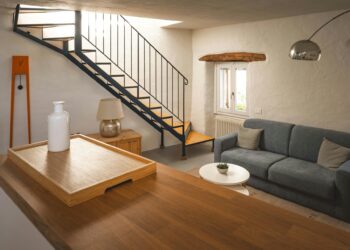
Modern residential architecture frequently champions open spaces, exposed industrial materials, and floor-to-ceiling windows. These elements create breathtaking living environments filled with natural light, but they also present a hidden challenge for homeowners. When you remove dividing walls and embrace hard surfaces, you inadvertently create an acoustic environment where sound bounces endlessly. This dynamic is not just an aesthetic inconvenience. According to the US Environmental Protection Agency, persistent unwanted sound can lead to severe physical and psychological issues. Their official guidelines indicate that environmental noise pollution causes stress-related illnesses, high blood pressure, sleep disruption, and lost productivity. Therefore, achieving acoustic comfort is a profound medical necessity for anyone looking to build a healthy domestic sanctuary.
The Acoustic Challenge of Modern Minimalism
Contemporary homes are designed to look visually clean and feel spatially expansive. Architects often rely on polished concrete floors, large glass panels, and minimal furnishings to achieve this highly desired look. In many cases, incorporating simple home design ideas is the preferred approach for modern living. For instance, utilising open shelving, multi-functional furniture, and maximising natural light through expansive glass doors can dramatically improve the visual flow of a space.
However, these very features act as highly reflective surfaces for sound waves. Without plush carpets, heavy drapery, or traditional segmented rooms to absorb the kinetic energy of sound, everyday noises quickly amplify into disruptive indoor echoes. Footsteps, the hum of kitchen appliances, and casual conversations spill over into every corner of the house. The result is a visually stunning home that feels chaotic and loud to inhabit, creating a stark contrast between how the home looks and how it actually performs. This is exactly why early planning for residential soundproofing is critical, as mitigating echoes requires structural foresight.
Structural Interventions for Peace and Quiet
To solve these acoustic dilemmas without compromising a minimalist aesthetic, architects must integrate noise control directly into the bones of the building. This is where professional acoustic planning becomes an essential phase of the initial design process. Instead of trying to fix echoes later with bulky acoustic foam panels that ruin the interior styling, builders can employ invisible internal strategies during the construction or renovation phase.
One highly effective method is structural decoupling. This involves ensuring that the interior plasterboard does not physically touch the exterior framing studs. By breaking this connection using resilient acoustic clips, sound vibrations cannot easily travel through the wall framework. Additionally, integrating high-density acoustic batts and mass-loaded vinyl into the floor and ceiling cavities adds dense, flexible mass. This internal layering stops airborne noise dead in its tracks while remaining completely hidden behind pristine, smooth walls. Designers often pair this with solid-core doors to prevent sound from travelling between rooms, further isolating quiet zones.
Glazing and Window Strategies
Expansive windows are a hallmark of Australian modern architecture, seamlessly connecting the indoors with the outside world. Yet, standard glass provides very little defence against exterior noise pollution like passing traffic, sirens, or urban construction. To maintain the visual connection to nature while keeping the interior serene, designers utilise several specialised window techniques:
- Acoustic laminated glass: This building material features a clear, dense plastic interlayer sandwiched securely between two panes of glass. The central resin layer effectively dampens sound vibrations before they can enter the living room.
- Secondary glazing: Adding an independent internal window behind the existing primary pane creates a large trapped air gap. This gap acts as a powerful invisible buffer against low-frequency urban rumblings.
- Asymmetrical double glazing: By pairing two glass panes of different thicknesses, the window framework disrupts varying sound frequencies. One pane blocks high-pitched noises, while the thicker pane handles lower tones.
- Acoustically sealed frames: Even the thickest glass is useless if sound can leak through the edges. High-quality weather stripping and dense framing materials ensure an airtight acoustic seal around the entire perimeter.
Balancing Aesthetics and Acoustics
A truly successful modern home must cater to all the senses. While visual design dictates the shape, colour, and light of a living space, acoustic design governs how that space actually feels to inhabit day after day. By embracing hidden structural strategies, homeowners can enjoy the beauty of open-plan living without suffering the exhausting consequences of a noisy environment. The ultimate luxury in contemporary residential architecture is a home that looks stunning and sounds perfectly peaceful.