
Maintaining a sense of independence is crucial, especially for those managing health conditions or transitioning through later stages of life. With the advancement of modern technology, solutions such as personal alarms have emerged as essential safety tools. These compact devices offer immediate access to help and boost confidence, which is invaluable for individuals living alone or with limited mobility. Personal alarms not only provide emergency assistance but also foster a supportive environment where individuals can thrive and feel secure. For many users and their families, the peace of mind these devices offer can make a real difference in daily life by allowing them to pursue their interests without constant worry. The use of personal alarm is on the rise as people seek reliable ways to safeguard their independence. In addition to basic alerting functions, contemporary devices are packed with features that further enhance protection and promote autonomy. This article delves into the various benefits of personal alarms, from enhancing safety to facilitating an active lifestyle. Understanding their impact can help individuals and caregivers choose the best model for their needs and circumstances.
Understanding Personal Alarms
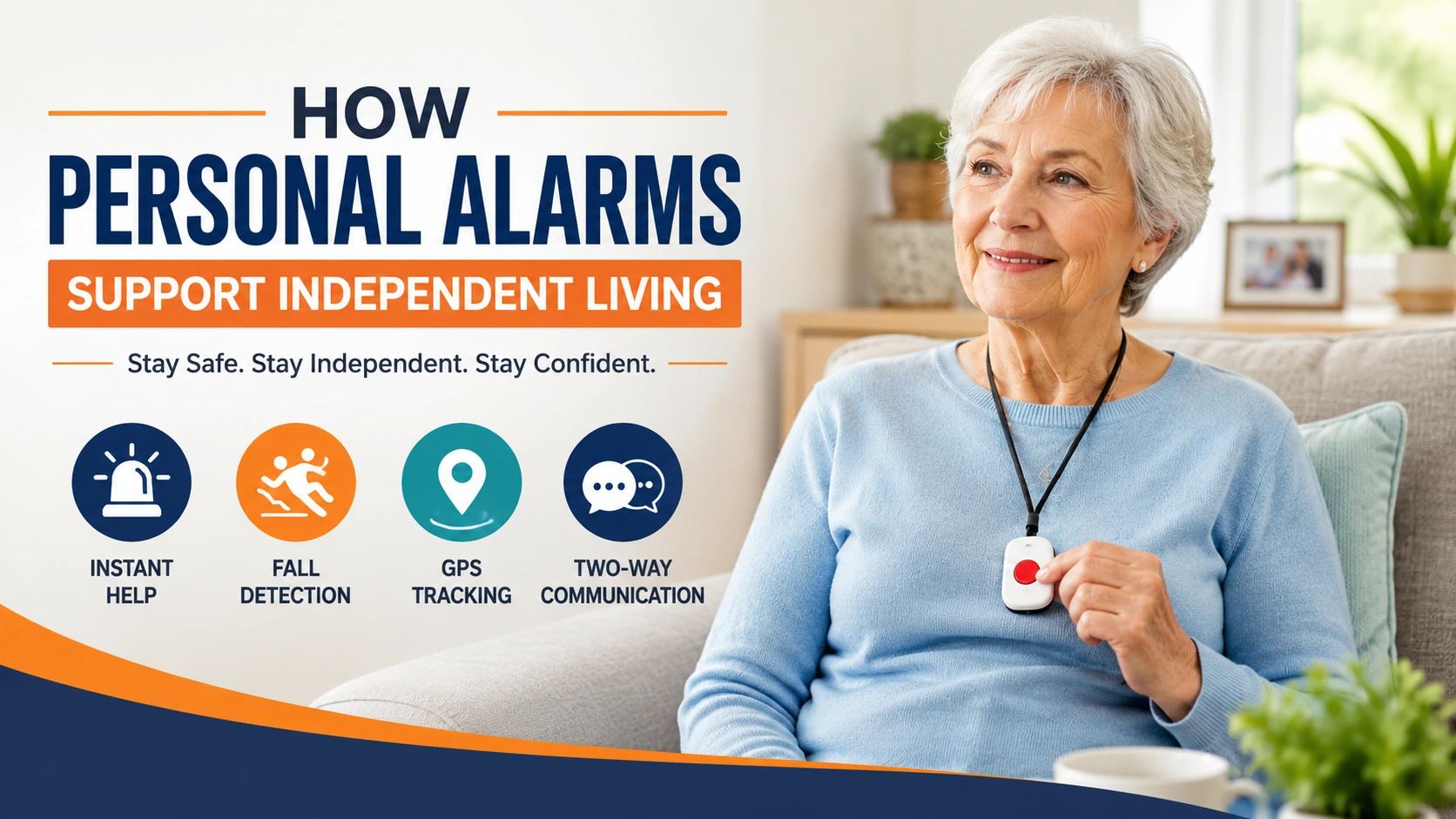
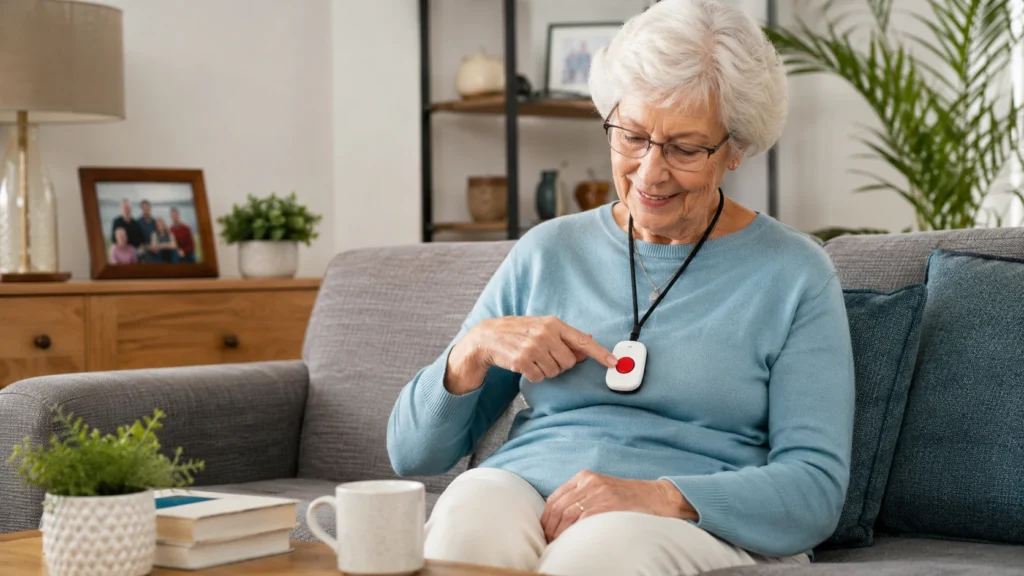
Personal alarms are wearable devices, often in the form of pendants or wristbands, designed to alert responders in emergencies. With the push of a button, users can summon assistance, whether from family, friends, or a professional monitoring service. Many current models offer additional safeguards, such as automatic fall sensors, integrated GPS, and two-way communication capabilities. These features ensure that if a user is unable to call for help themselves, the device can still facilitate a prompt response.
Enhancing Safety and Security
Immediate access to help is the most valued feature of personal alarms. Medical emergencies, falls, or sudden health changes require swift action to avoid complications. A personal alarm ensures that assistance can be reached quickly, reducing the window between an incident and intervention. This aspect is particularly significant for individuals prone to falls or chronic conditions that might leave them incapacitated. According to a CDC report, a timely response after a fall can dramatically improve recovery outcomes, underscoring the real-world importance of rapid emergency alerts.
Promoting Confidence and Independence
The assurance of having help on hand helps individuals feel more in control of their lives. People who use personal alarms are more likely to participate in activities, pursue hobbies, and attend social events independently. For older adults, this sense of autonomy is linked to better mental health and a higher quality of life. With reliable support available, anxiety about living alone or experiencing an accident away from help is significantly reduced, creating opportunities for a more dynamic lifestyle.
Advanced Features for Comprehensive Protection
Personal alarms now incorporate a range of sophisticated functionalities, making them adaptable to diverse needs:
- Fall Detection: Sensors can identify sudden movement or impact and automatically send an alert, even if the user is unable to act.
- GPS Tracking: Built-in location services help caregivers and emergency responders pinpoint the user’s location in critical situations.
- Two-Way Communication: Voice-enabled alarms offer open dialogue between users and monitoring teams, ensuring immediate and accurate responses.
These advanced tools serve to bridge the gap between safety and independence for vulnerable individuals.
Choosing the Right Personal Alarm
Selecting an appropriate personal alarm depends on several individual factors. Active individuals may prioritize portable units with GPS for outdoor activities, while those with chronic health concerns may value features such as automatic fall detection most. Additionally, evaluating the total cost is important; some options involve ongoing subscription or monitoring fees, while others are one-time purchases. Consulting healthcare professionals or occupational therapists can also guide buyers toward a device that syncs best with their needs and routines.
Real-Life Impact
Studies and surveys consistently show the value of personal alarms. For example, a 2021 poll found that nearly 9 in 10 users reported feeling safer and less concerned about living alone after adopting a personal alarm solution. Relatives and caregivers also benefit from reduced anxiety and greater peace of mind, leading to improved family relationships and support systems. In many cases, these devices have also contributed to faster emergency response times, which can be critical in situations such as falls, sudden illness, or home accidents. Beyond physical safety, personal alarms help reduce emotional stress by providing reassurance that help is always accessible at the press of a button. As adoption continues to grow, these systems are increasingly recognized as essential tools for supporting independent living, especially among older adults and individuals with health risks. This growing confidence highlights their long-term value in modern personal safety strategies.
Conclusion
Personal alarms play a pivotal role in helping individuals maintain independence and safety. With rapid emergency assistance, empowering features, and customizability, these devices offer both practical and psychological support. Thoughtful selection ensures users can enjoy vibrant, self-reliant lives, backed by reliable technology and prompt assistance when needed. In addition, modern personal alarms are designed to be lightweight, discreet, and easy to use, making them suitable for a wide range of users, including seniors, individuals with medical conditions, and those living alone. Many systems now include wearable options, GPS tracking, and automatic fall detection, further enhancing their effectiveness in critical situations. As technology continues to evolve, personal alarms are increasingly integrated with mobile apps and smart devices, enabling caregivers and family members to stay informed. Ultimately, these tools provide not only emergency protection but also greater confidence in everyday living.