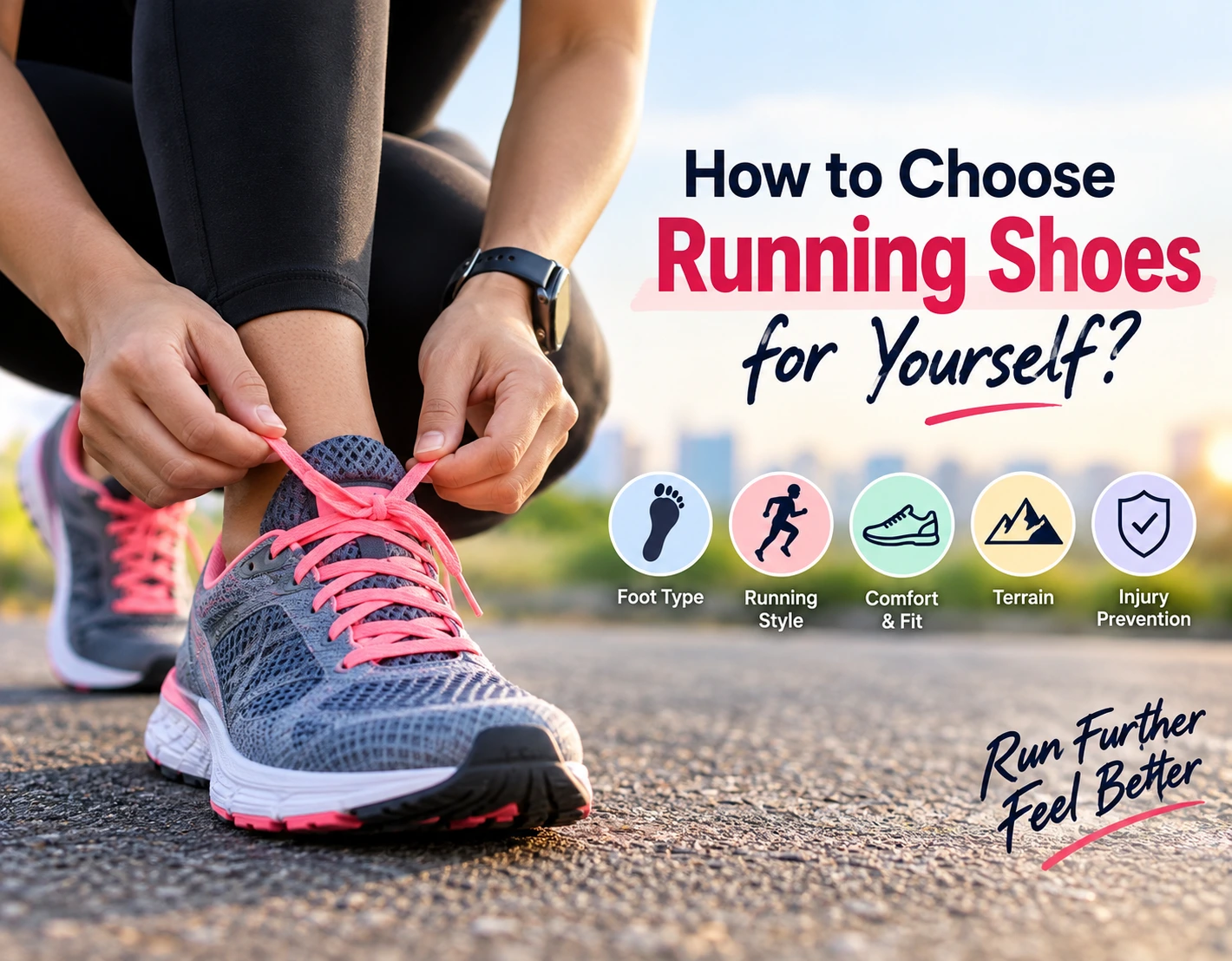
Choosing the right running shoes can make a big difference in how comfortable and enjoyable your runs feel. A good pair should suit your feet, running style, training needs, and the surfaces you usually run on. The wrong shoes, on the other hand, can cause discomfort and make running unnecessarily difficult.
Whether you’re buying your first pair of running shoes or replacing an old favorite, there are several things worth considering before you make a purchase. From your foot shape and running style to cushioning, fit, and the type of terrain you run on, this guide will help you understand what to look for when choosing running shoes.
How Do You Choose the Right Running Shoes?
The best running shoes aren’t necessarily the most expensive ones or the shoes that are currently popular. The right choice depends on your individual needs.
Start by thinking about where and how you run. Someone who runs several times a week on paved roads may need a different shoe from someone who mainly runs on trails. Your foot shape, comfort preferences, running experience, and the distance you typically cover should also influence your decision.
What Are the Best Running Shoes for Women?
Women’s running shoes are designed with the general shape and proportions of women’s feet in mind. Many models tend to have a narrower heel and differences in the fit around the forefoot compared with men’s versions, although the exact design varies between brands and individual shoes.
Comfort and fit should always come first. If a women’s model fits your feet better, it may be a better choice for you than a men’s model, regardless of the label.
When shopping for women’s footwear, you can also explore options such as Adidas women’s shoes to compare different styles and fits.
It’s also worth remembering that different sports require different footwear. For example, pickleball shoes are designed for the movement and court surfaces involved in pickleball, while running shoes are built primarily for forward movement and repeated impact on running surfaces.
Important Factors to Consider When Buying Running Shoes
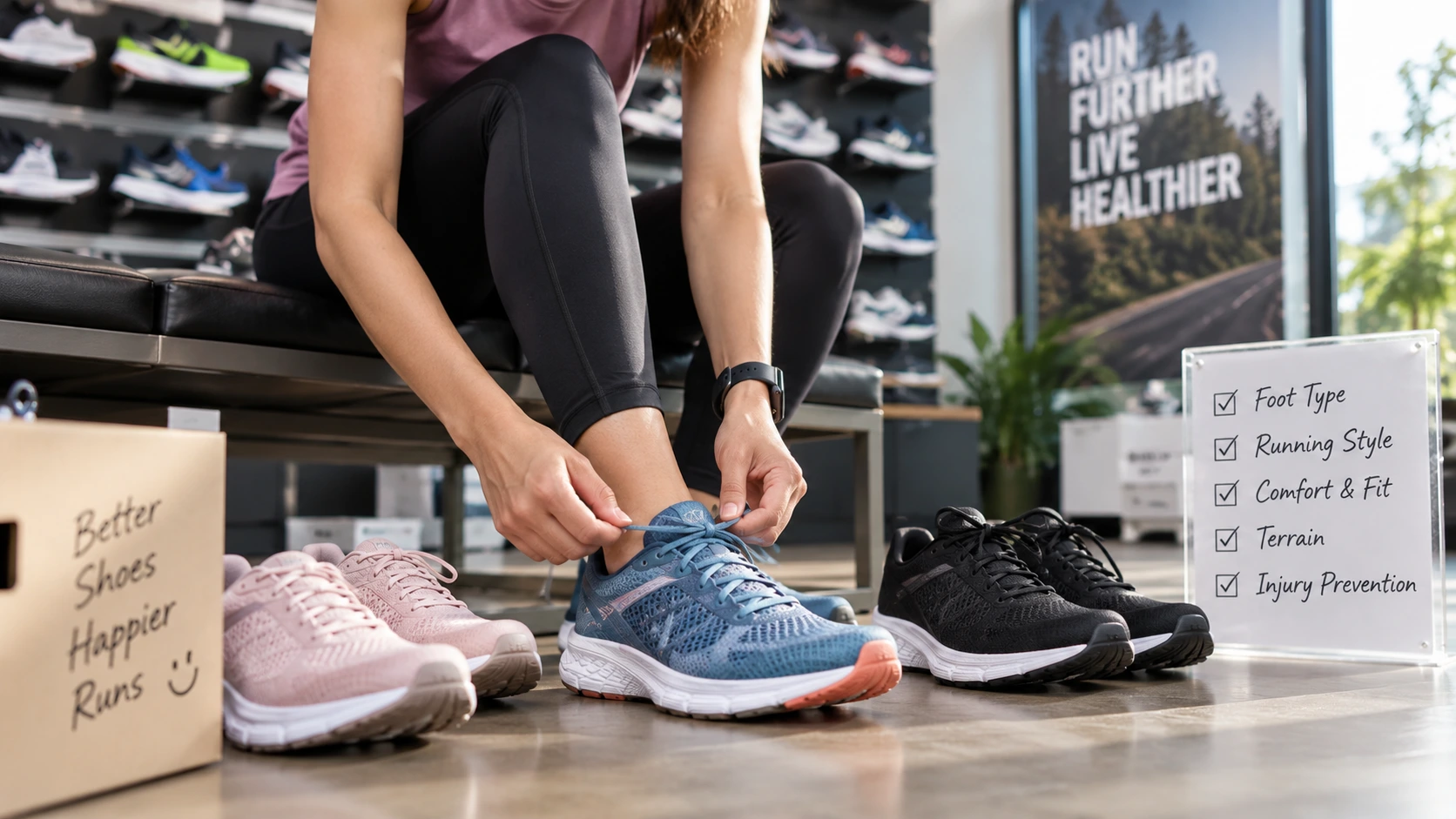
Before buying a new pair, take a few minutes to consider the following factors. They can help you narrow down your choices and find a pair that feels comfortable from the first run.
1. Your Foot Shape and Arch Type
Everyone’s feet are different. Some runners have low arches, while others have medium or high arches. Feet can also vary in width, with some people needing a narrow fit and others requiring a wider toe box.
Rather than choosing a shoe solely because it is marketed for a particular arch type, pay attention to how it actually feels on your feet. Your toes should have enough room to move, your heel should feel secure, and there shouldn’t be uncomfortable pressure points.
2. Your Running Style and Foot Strike
Runners land differently when they run. Some naturally make initial contact with their heel, while others land more toward the middle or front of the foot.
Your foot strike can be useful information when choosing a shoe, but it shouldn’t be the only factor. Modern running shoes come with different levels of cushioning, flexibility, stability, and heel-to-toe drop. The most important consideration is whether the shoe feels comfortable and works well with your natural running style.
3. Your Weight and the Amount of Cushioning You Prefer
Runners come in different body sizes, and shoe manufacturers offer models with different cushioning and construction. A runner who prefers a soft, cushioned feel may enjoy a different shoe from someone who prefers a firmer and more responsive ride.
Your weight doesn’t automatically determine which shoe you should buy. Instead, focus on comfort, support, durability, and how the shoe feels during your typical runs.
4. Your Running Experience
If you’re new to running, a comfortable, well-cushioned road-running shoe is often a sensible starting point. You don’t necessarily need an advanced racing shoe or a highly specialized model.
More experienced runners may have specific preferences based on their training. For example, someone who regularly runs long distances may prioritize cushioning and comfort, while a runner focusing on speed workouts may prefer a lighter and more responsive shoe.
5. Where You Usually Run
The surface you run on should also influence your choice.
- Road running: Road shoes are generally designed for paved surfaces such as roads, sidewalks, and running paths.
- Trail running: Trail shoes usually have more aggressive outsoles to provide traction on uneven or loose terrain.
- Treadmill running: A comfortable road-running shoe can generally work well for treadmill sessions.
If you regularly switch between different surfaces, consider whether you need one versatile pair or separate shoes for different types of running.
What Are the Best Running Shoes for Flat Feet?
If you have flat feet, finding a comfortable running shoe can sometimes require a little extra attention. Flat feet are common, and they don’t automatically mean you need a particular type of running shoe.
Comfort, fit, cushioning, and stability are all worth considering. Some runners with flat feet prefer stability-oriented shoes, while others are perfectly comfortable in neutral shoes. The best option depends on your individual feet and how the shoe feels when you run.
A good shoe should hold your foot securely without squeezing it. Make sure the heel doesn’t slip excessively and that there is enough room around the toes. If you regularly experience foot, ankle, knee, or other persistent pain while running, consider speaking with a qualified healthcare professional or running specialist rather than relying on shoe changes alone.
Choose Running Shoes Based on Your Needs and Preferences
There is no single running shoe that is perfect for everyone. Two runners with similar foot shapes may still prefer completely different shoes because their comfort preferences, running habits, and training goals are different.
When shopping, consider whether your feet are narrow, average, or wide. Look for a shoe that provides enough space in the toe box while keeping the heel comfortably secure.
Don’t choose a pair simply because someone else recommends it. A shoe that feels great for another runner may not feel right for you. Whenever possible, try running shoes on and walk or jog in them before buying. If you’re shopping online, check the manufacturer’s sizing information and return policy.
How Should Running Shoes Fit?
A proper fit is one of the most important parts of choosing running shoes. Your heel should feel secure without being painfully tight, while your toes should have enough room to move naturally.
It’s usually a good idea to try running shoes later in the day or after you’ve been active for a while, because feet can swell slightly throughout the day. Wearing the socks you normally use for running can also give you a more realistic idea of the fit.
Pay attention to any immediate rubbing, pinching, pressure, or slipping. A running shoe shouldn’t need to be painfully “broken in” before it becomes comfortable.
When Should You Replace Your Running Shoes?
Running shoes don’t last forever. How long they remain useful depends on factors such as the shoe’s construction, your running frequency, your body weight, the surfaces you run on, and how well you maintain them.
Instead of replacing shoes based only on a specific mileage number, pay attention to their condition. Excessive outsole wear, compressed cushioning, visible damage, or a noticeable change in comfort can all be signs that it’s time to consider a new pair.
Common Mistakes to Avoid When Buying Running Shoes
- Choosing based only on appearance: A stylish shoe isn’t necessarily the right shoe for your feet.
- Buying the wrong size: Small differences in sizing can become very noticeable during a long run.
- Ignoring width: Length isn’t the only part of a good fit. Your feet also need enough room from side to side.
- Copying another runner’s choice: A shoe that works perfectly for someone else may not suit you.
- Ignoring discomfort: Persistent rubbing, pressure, or pain shouldn’t simply be accepted as part of running.
- Buying without considering your running surface: Road and trail shoes are designed for different conditions.
Frequently Asked Questions About Running Shoes
How do I know which running shoes are right for me?
Start with your running needs, foot shape, preferred cushioning, and the surfaces you normally run on. Most importantly, choose a shoe that fits securely and feels comfortable when you move.
Should running shoes be tight or loose?
Running shoes should feel secure but not tight. Your heel should stay in place, while your toes should have enough room to move without pressing against the front of the shoe.
Are expensive running shoes better?
Not necessarily. Price does not guarantee that a shoe will be comfortable or suitable for your feet. Fit, comfort, durability, and the shoe’s intended use are more important than simply choosing the most expensive model.
What type of running shoes are best for beginners?
Beginners can generally start with a comfortable, well-fitting running shoe designed for the surface they plan to run on. A neutral cushioned road shoe is a common starting point for people who mainly run on paved surfaces.
What running shoes are best for flat feet?
There isn’t one shoe that is best for everyone with flat feet. Some runners prefer stability shoes, while others are comfortable in neutral shoes. Focus on fit, comfort, and how the shoe feels during running. Persistent pain should be discussed with a healthcare professional.
How much space should I have in the toe box?
Your toes should have enough room to move naturally without being squeezed. You should also avoid having your toes repeatedly hit the front of the shoe while running, particularly during longer runs.
Can I use running shoes for other sports?
Running shoes are designed primarily for running and forward movement. They may not provide the lateral support or construction needed for sports that involve frequent side-to-side movements, such as court sports.
Final Thoughts
Finding the right running shoes doesn’t have to be complicated. Start by understanding your feet, consider where you run and what type of training you do, and then prioritize comfort and fit.
Remember that the “best” running shoe is ultimately the one that works well for you. Take your time when trying different options, don’t ignore discomfort, and choose a pair that makes you look forward to your next run.