
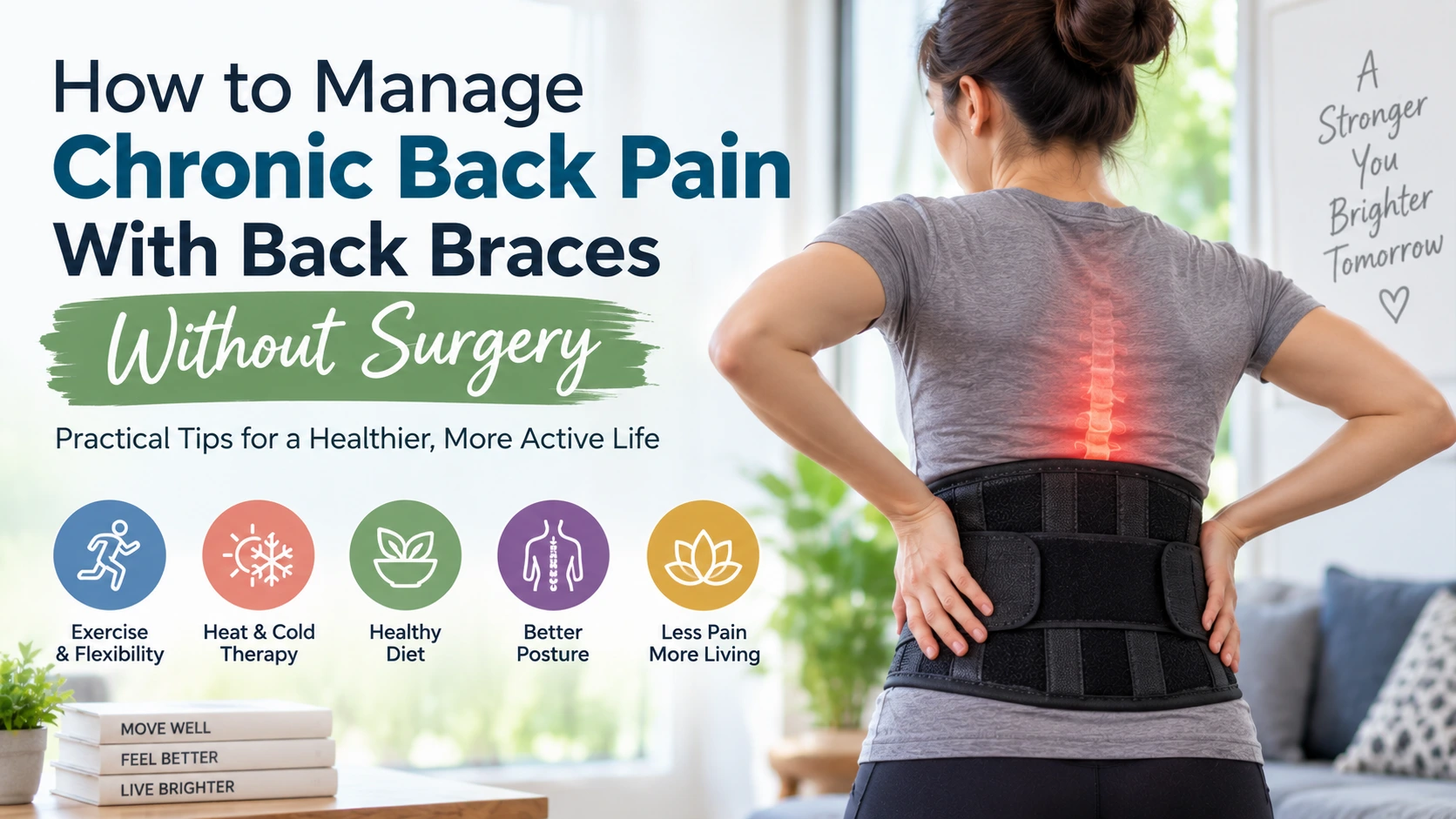
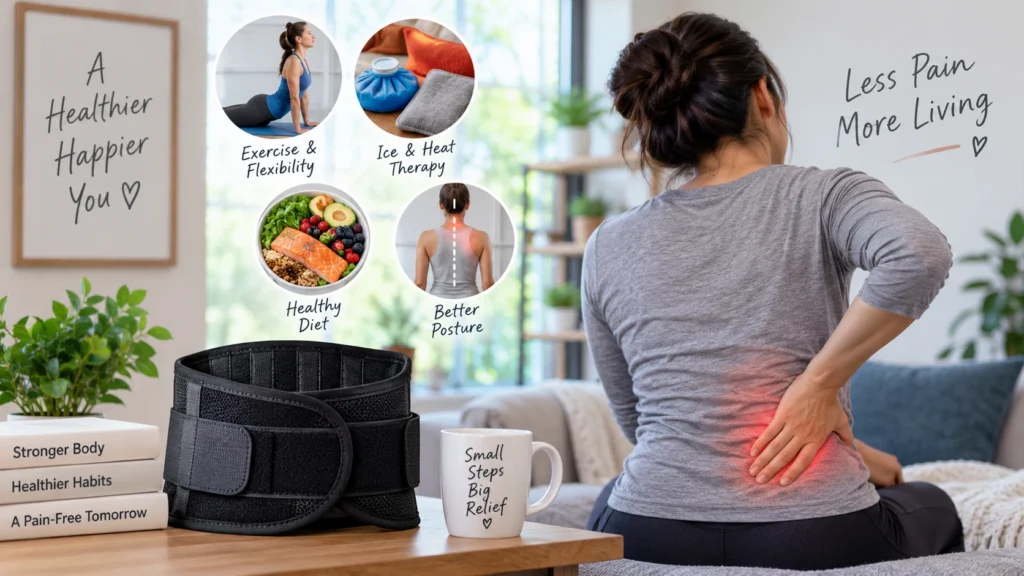
Chronic back pain can affect almost every part of daily life, from work and exercise to sleep and leisure activities. People of different ages may experience lower back pain, neck discomfort, sciatica, or pain that extends into the hips and legs. When pain continues for weeks or keeps returning, finding a safe and practical way to manage it becomes especially important.
Back pain can have many possible causes, including muscle strains, injuries, joint problems, poor posture, and conditions affecting the spine. An accident or injury can also contribute to ongoing discomfort. Fortunately, surgery is not the only approach available for managing many types of back pain. Depending on the cause and severity, nonsurgical options such as physical activity, physical therapy, heat and cold therapy, lifestyle changes, and supportive devices may help.
One option some people consider is a back brace. A properly selected and fitted brace can provide additional support during certain activities and may help some people manage discomfort. However, a back brace should generally be considered part of a broader pain-management approach rather than a replacement for professional diagnosis or treatment.
Exercise and Physical Therapy
Staying physically active is often an important part of managing back pain. Depending on the underlying cause, stretching, strengthening, and low-impact aerobic activities may help improve mobility and support the muscles around the spine. Physical therapists can also teach exercises and movement techniques designed to improve posture, flexibility, balance, and core strength.
Gentle activities such as walking, stretching, and certain forms of yoga may be helpful for some people with back discomfort. However, exercises that increase pain should be stopped, and people with persistent or severe symptoms should seek professional advice before starting a new exercise program. The most appropriate exercises depend on the cause of the pain and an individual’s overall health.
For people who need additional support during certain activities, a back brace may sometimes be used alongside an exercise or physical therapy program. If you are considering a brace, choosing the right type and fit is important because different braces are designed for different support needs.
Ice and Heat Therapy
Heat and cold therapy are commonly used as simple, noninvasive ways to temporarily relieve certain types of back discomfort. Cold packs may help reduce discomfort and swelling after some acute injuries, while heat can help relax tight muscles and ease stiffness.
There is no single heat-and-cold routine that works for everyone. The appropriate approach depends on the type and cause of your symptoms. When using a heating pad or hot pack, avoid excessive heat and protect your skin. Similarly, cold packs should be wrapped in a cloth rather than placed directly against the skin.
Heat therapy can be particularly useful when muscles feel tight or stiff, while cold therapy may be more comfortable following certain recent injuries. These methods can also be incorporated into a broader routine that includes appropriate movement and other conservative treatments.
For people who need additional support while working, driving, exercising, or completing other daily activities, you can also control chronic pain with back braces. A brace may provide stability or support for some individuals, but it is important to use it according to professional guidance and the manufacturer’s instructions.
Follow a Balanced, Anti-Inflammatory Diet
Diet alone cannot usually eliminate chronic back pain, but a balanced eating pattern can support overall health and help maintain a healthy body weight. Excess body weight may place additional stress on the back, while a nutritious diet provides the vitamins, minerals, protein, and other nutrients the body needs to function properly.
A balanced diet can include a variety of fruits and vegetables, whole grains, nuts, seeds, legumes, lean proteins, and healthy sources of fat. Foods such as leafy green vegetables, berries, fish, beans, tofu, and other minimally processed foods can be part of an overall healthy eating pattern.
Calcium and vitamin D are also important for maintaining healthy bones. If you are concerned about your nutrient intake, talk with a healthcare professional or registered dietitian about the foods and supplements that may be appropriate for you.
Pay Attention to Posture and Daily Habits
Everyday habits can influence how your back feels. Sitting for long periods, lifting objects incorrectly, spending extended hours at a desk, or maintaining an awkward posture may contribute to discomfort in some people.
Try to change positions regularly, maintain a comfortable workstation, and use proper lifting techniques. Regular movement throughout the day can also help prevent prolonged periods of inactivity. A back brace may offer additional support during particular tasks, but it should not be relied upon to correct every posture or movement problem.
When Should You See a Healthcare Professional?
Not all back pain should be managed at home. If pain is persistent, severe, worsening, or interfering with normal activities, a healthcare professional can help determine the underlying cause and recommend appropriate treatment.
Seek prompt medical attention if back pain occurs with symptoms such as significant weakness or numbness, loss of bladder or bowel control, numbness around the groin or inner thighs, unexplained weight loss, fever, or following a serious injury. These symptoms can require urgent evaluation.
Can Back Braces Help You Avoid Surgery?
For some conditions, conservative treatments can help people manage symptoms without surgery. Depending on the diagnosis, a treatment plan may include physical therapy, exercise, medication, activity modification, or supportive devices such as back braces.
However, a back brace cannot prevent the need for surgery in every situation. Some spinal conditions or serious injuries may require specialist treatment. The decision about whether surgery is necessary should be made with a qualified healthcare professional after evaluating the individual’s symptoms and diagnosis.
Bottom Line
Managing chronic back pain often requires more than one approach. Regular movement, appropriate exercise, healthy lifestyle habits, proper posture, and heat or cold therapy may help some people reduce discomfort and improve daily function.
Stress management and support from family and friends may also make it easier to cope with ongoing pain. If you are considering hands-on treatment or spinal care, discuss your options with an appropriately qualified healthcare professional.
And where additional support is appropriate, back braces may be useful for certain people and activities. The key is to choose a brace suited to your needs and use it as part of a comprehensive pain-management plan rather than relying on it as a standalone solution.
If you have chronic or recurring back pain, getting an accurate diagnosis is an important first step. Once the underlying cause is understood, you and your healthcare professional can determine which nonsurgical treatments and supportive options are most appropriate for your situation.