

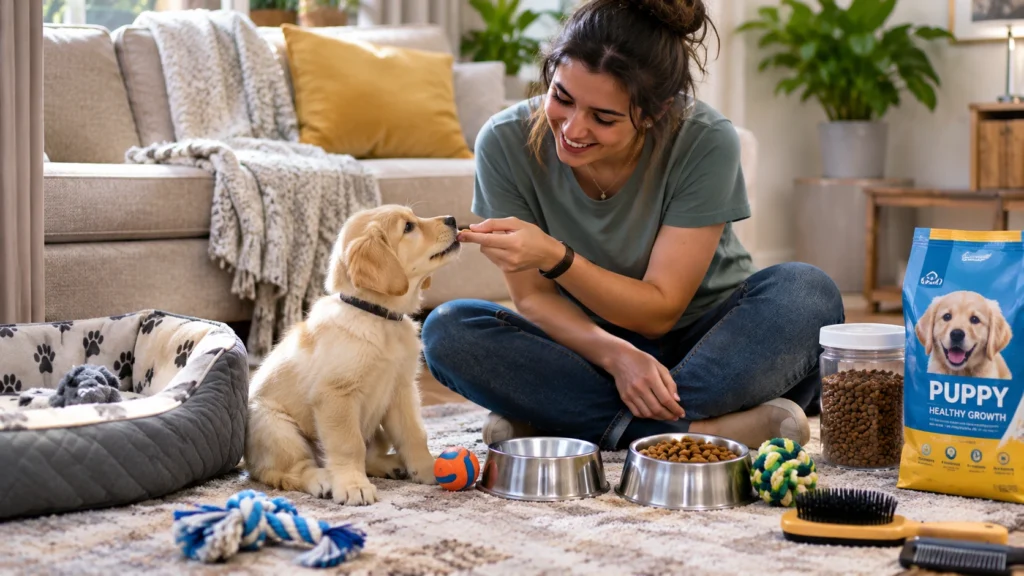
Bringing a new puppy into your home is an exciting experience. Puppies offer companionship, affection, and plenty of joyful moments. However, becoming a dog owner also comes with important responsibilities. Before bringing a puppy home, you need to prepare the right environment, purchase essential supplies, and understand how to provide proper nutrition, healthcare, and daily care.
If you are looking for puppies for sale in NYC, take time to research the breeder, understand the puppy’s background, and make sure you are ready for the long-term commitment. Choosing a puppy should never be an impulsive decision. Every dog needs attention, training, veterinary care, and a safe place to grow.
This guide covers the essential things to do before and after bringing a new puppy home, including choosing suitable dog food, preparing a comfortable sleeping area, purchasing grooming supplies, getting identification, and arranging vaccinations.
A dog can become a wonderful companion and an important member of your family. However, keeping your puppy happy and healthy requires more than providing food and shelter. You must understand its nutritional needs, hygiene requirements, exercise routine, and healthcare needs.
Before your puppy arrives, prepare the essential supplies and make sure your home is safe and comfortable. Here are the most important things to consider.
1. Choose the Right Puppy Food
Proper nutrition is one of the most important factors in your puppy’s growth and development. Young dogs need a balanced diet containing the nutrients required to support healthy bones, muscles, brain development, and immune function.
Choose a complete and balanced puppy food appropriate for your dog’s age, expected adult size, and breed-related nutritional needs. Puppies generally require specially formulated food because their nutritional requirements differ from those of adult dogs.
When selecting puppy food, consider the following factors:
- Age: Choose food specifically formulated for puppies rather than automatically feeding adult dog food.
- Breed and size: Small, medium, and large-breed puppies may have different nutritional requirements.
- Ingredients: Look for complete and balanced nutrition from a reputable pet food manufacturer.
- Feeding instructions: Follow the recommended portions and feeding schedule based on your puppy’s age and weight.
- Fresh water: Always provide access to clean drinking water.
If you are changing your puppy’s existing food, introduce the new diet gradually to reduce the risk of digestive problems. Ask your veterinarian for recommendations if your puppy has allergies, digestive issues, or special nutritional requirements.
Remember that proper feeding is not simply about providing large quantities of food. Giving your puppy the right nutrients in appropriate portions is essential for healthy development.
2. Prepare a Comfortable Dog Bed
Puppies need plenty of rest as they grow and develop. Therefore, preparing a comfortable sleeping area should be one of your priorities before bringing your new dog home.
Choose a soft, appropriately sized dog bed that allows your puppy to stretch out comfortably. Place it in a quiet, warm, and draft-free area where your puppy can rest without constant disturbances.
Here are some useful tips for preparing your puppy’s sleeping area:
- Choose a washable and comfortable dog bed.
- Provide a soft blanket suitable for your puppy.
- Keep the sleeping area clean and dry.
- Avoid placing the bed near cold drafts or excessive heat.
- Choose a location where your puppy feels safe and secure.
Young puppies may take some time to adjust to a new sleeping environment. Establishing a consistent bedtime routine can help them feel more comfortable and secure.
Make sure the sleeping area is appropriate for your puppy’s size and that blankets or bedding do not create chewing, swallowing, or overheating hazards.
3. Purchase Essential Dog Care Supplies
Like other family members, dogs need various everyday items to maintain their comfort, cleanliness, and health. Preparing these supplies before your puppy arrives can make the transition much easier.
Some essential puppy care supplies include:
- Food and water bowls: Choose sturdy, easy-to-clean bowls of an appropriate size.
- Collar and leash: Purchase an adjustable collar and a suitable leash for safe walks.
- Grooming brushes: Select a brush appropriate for your puppy’s coat type.
- Dog shampoo: Use a gentle product specifically formulated for dogs.
- Nail clippers: Keep your puppy’s nails at a comfortable length using suitable grooming tools.
- Dental care products: Introduce puppy-safe toothbrushes and toothpaste to support oral hygiene.
- Cleaning supplies: Prepare pet-safe cleaning products for everyday accidents.
- Toys: Provide appropriate toys that encourage healthy play and chewing habits.
Regular grooming and hygiene are important parts of responsible dog ownership. Brush your puppy’s coat according to its needs, check its ears and paws, and maintain a suitable bathing routine.
Remember that puppies have delicate skin and developing teeth. Always use products designed for dogs and ask a veterinarian or professional groomer if you are unsure which products are appropriate.
4. Get an Identification Tag for Your Puppy
An identification tag is a simple but important accessory for every dog. Even well-trained puppies can sometimes escape or become separated from their owners. Having identification information can make it easier for someone to contact you if your puppy gets lost.
Choose a comfortable identification tag and attach it securely to your puppy’s collar. Include important contact information, such as:
- Your name or family contact name.
- Your current phone number.
- Your dog’s name, if you wish to include it.
Make sure the information is readable and remains up to date. If you change your phone number, replace or update the identification tag as soon as possible.
You can also consider having your puppy microchipped by a veterinarian. A microchip provides an additional form of identification and can help reunite lost pets with their owners when the chip is registered with accurate contact information.
Remember that a microchip is not a GPS tracking device. It stores an identification number that can be scanned by veterinary clinics and animal shelters.
5. Arrange Your Puppy’s Vaccinations
Vaccination is one of the most important steps in protecting your puppy against serious infectious diseases. Young dogs are particularly vulnerable to certain infections, making appropriate veterinary care essential during their early development.
Before purchasing or adopting a puppy, ask the breeder or previous owner for its veterinary records. These documents should include information about previous vaccinations, deworming treatments, and any health checks the puppy has received.
Arrange an appointment with a qualified veterinarian to establish an appropriate vaccination schedule. Depending on your puppy’s age, health, location, and vaccination history, the veterinarian may recommend protection against diseases such as:
- Canine distemper.
- Canine parvovirus.
- Canine adenovirus.
- Rabies, where applicable.
Some vaccines require multiple doses during puppyhood, followed by booster vaccinations. Your veterinarian will determine the appropriate timing and schedule.
You can also read this general guide about getting vaccinated to understand the basic vaccination process.
Vaccination is not the only part of preventive healthcare. Puppies also need regular veterinary examinations, parasite prevention, and appropriate deworming treatments.
Never assume that a puppy is fully protected simply because it has received one vaccination. Follow your veterinarian’s instructions regarding vaccination completion and safe outdoor activities.
6. Make Your Home Safe for a New Puppy
Before bringing your puppy home, take some time to check whether your living environment is safe. Puppies are naturally curious and often explore their surroundings by chewing, sniffing, and investigating unfamiliar objects.
Small household items and everyday objects can become dangerous if a puppy swallows or chews them.
Follow these basic puppy-proofing tips:
- Keep electrical cables and charging wires out of reach.
- Store cleaning products and chemicals in secure cupboards.
- Remove small objects that could be swallowed.
- Keep medicines and potentially toxic foods away from your puppy.
- Secure balconies, gates, fences, and other potential escape areas.
- Keep household rubbish bins properly covered.
- Research common household plants that may be toxic to dogs.
It is also helpful to create a designated area where your puppy can eat, sleep, and play safely. Supervise your puppy while it explores unfamiliar surroundings, especially during the first few weeks.
7. Start Basic Training and Socialization Early
Training is an essential part of raising a well-behaved and confident dog. Puppies begin learning from their surroundings at a young age, so establishing positive habits early can make everyday life easier for both you and your pet.
Start with simple training activities, including:
- Teaching your puppy to respond to its name.
- Introducing basic commands such as sit and stay.
- Establishing a consistent toilet routine.
- Encouraging appropriate chewing and play behavior.
- Practicing gentle handling and grooming.
Positive reinforcement, including praise and appropriate treats, can help puppies understand which behaviors are desirable. Keep training sessions short, consistent, and enjoyable.
Socialization is equally important. Gradually introduce your puppy to different people, sounds, environments, and experiences in a safe and controlled way. Follow your veterinarian’s advice about avoiding unnecessary exposure to infectious diseases before your puppy completes its initial vaccination schedule.
8. Give Your Puppy Love, Attention, and Exercise
Dogs are affectionate animals that can develop strong relationships with their owners. However, building a healthy relationship requires time, patience, and consistent care.
Spend time playing with your puppy, providing gentle attention, and helping it become comfortable with its new surroundings. Puppies also need age-appropriate physical activity and mental stimulation.
Consider providing:
- Short, supervised play sessions.
- Age-appropriate toys and interactive activities.
- Gentle walks when permitted by your veterinarian.
- Basic training and mental enrichment exercises.
- Regular rest periods throughout the day.
Avoid excessive exercise, particularly for very young puppies and large-breed puppies whose bones and joints are still developing. Ask your veterinarian about suitable activities based on your dog’s age, breed, and health.
Most importantly, remember that owning a puppy is a long-term commitment. Your dog will depend on you for food, healthcare, protection, companionship, and attention throughout its life.
Conclusion
Bringing a puppy into your home can be one of the most rewarding experiences, but responsible dog ownership begins before your new companion arrives. Preparing suitable food, a comfortable bed, grooming supplies, identification, and a safe living environment will help your puppy settle into its new home.
Remember to arrange veterinary examinations, follow the recommended vaccination schedule, and introduce basic training and socialization gradually. Providing proper nutrition, regular healthcare, exercise, and affection will also support your puppy’s long-term well-being.
Whether you are purchasing a puppy from a breeder or adopting one from a shelter, take the time to understand its needs. With preparation, patience, and consistent care, you can give your new dog a safe, healthy, and happy life.
Frequently Asked Questions (FAQs)
What should I buy before bringing a puppy home?
Before bringing a puppy home, prepare essential supplies such as puppy food, food and water bowls, a comfortable dog bed, blankets, a collar, a leash, an identification tag, grooming products, cleaning supplies, and appropriate toys.
What is the best food for a new puppy?
The best food for a new puppy is a complete and balanced diet formulated specifically for puppies. Choose food appropriate for your dog’s age, expected adult size, and nutritional requirements. Consult a veterinarian if your puppy has special dietary needs.
When should a new puppy receive its first vaccinations?
Puppies generally begin their initial vaccination series at around six to eight weeks of age. Additional doses are usually required over the following weeks. The exact schedule depends on the puppy’s age, health, vaccination history, and local veterinary recommendations.
Does my puppy need an identification tag?
Yes. An identification tag with your current contact information can help someone contact you if your puppy gets lost. Microchipping provides an additional form of permanent identification.
How can I make my home safe for a new puppy?
Keep electrical cables, cleaning products, medicines, small objects, and potentially toxic foods out of reach. Secure gates and other escape routes, provide a comfortable sleeping area, and supervise your puppy as it explores its new surroundings.
How much exercise does a young puppy need?
Exercise requirements depend on your puppy’s age, breed, size, and health. Young puppies benefit from short, supervised play sessions and mental stimulation, along with plenty of rest. Ask your veterinarian about appropriate activity levels.
How can I help my new puppy adjust to its home?
Give your puppy time to explore its surroundings, establish a consistent feeding and sleeping routine, provide a comfortable resting area, and use positive reinforcement during training. Gentle attention and patience can help your puppy feel safe and secure.
Is it necessary to take a new puppy to the veterinarian?
Yes. A veterinary examination helps assess your puppy’s overall health and establish an appropriate vaccination, deworming, parasite prevention, and preventive healthcare schedule. Arrange an appointment soon after bringing your puppy home.