
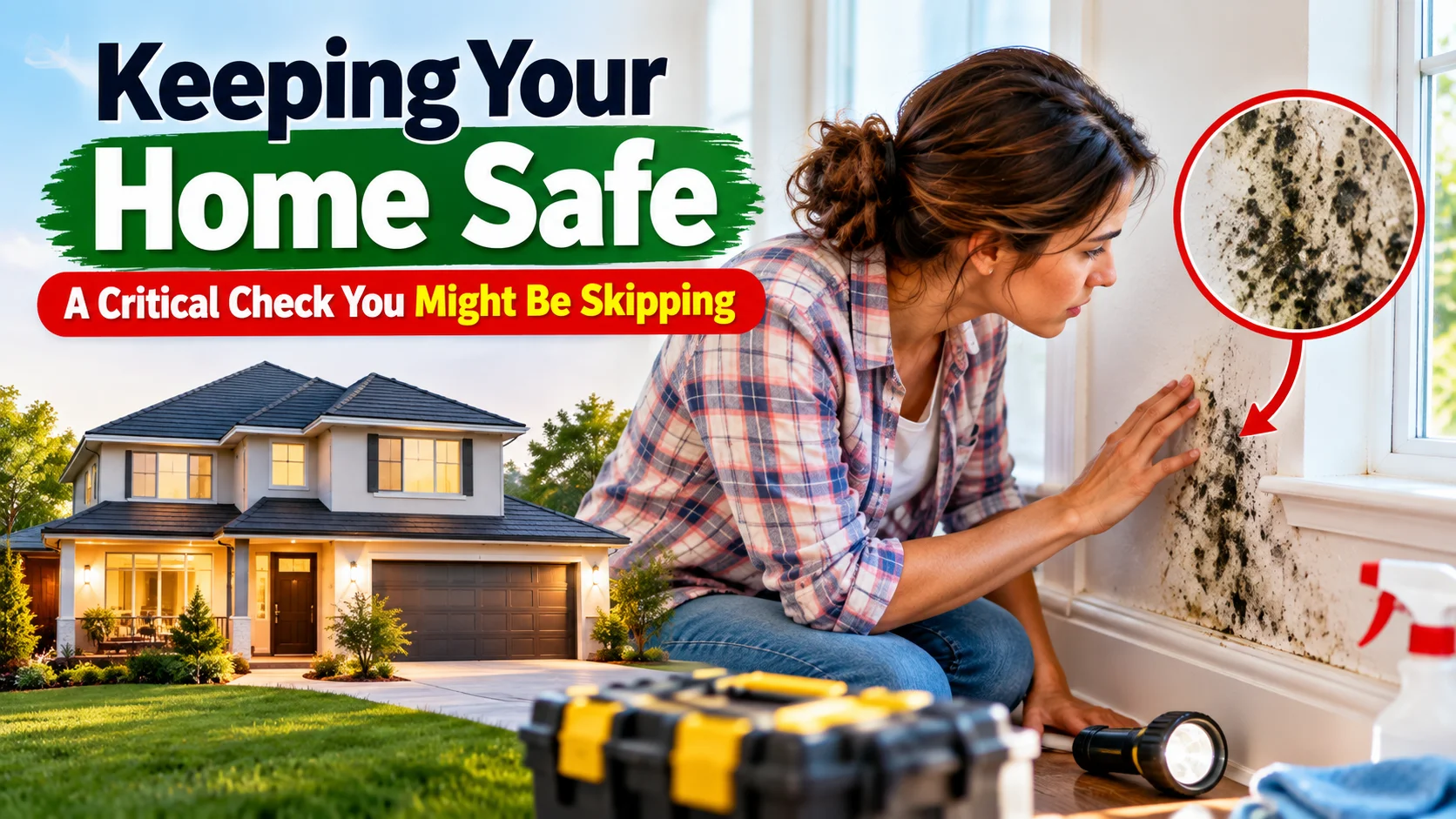
Keeping your home safe involves more than checking doors, windows, smoke alarms, and electrical systems. Moisture problems and mold growth can also affect indoor air quality, damage building materials, and create conditions that may contribute to respiratory or allergic symptoms. Yet mold and moisture are often overlooked until there is a visible problem or a noticeable musty smell.
Mold can grow when moisture is present around leaking pipes, roofs, windows, bathrooms, basements, walls, or other damp areas. According to the CDC, exposure to damp and moldy environments can cause symptoms such as coughing, wheezing, nasal congestion, sore throat, irritated eyes, or skin irritation in some people. People with allergies or asthma may be particularly sensitive to mold exposure.
This guide explains why checking for mold and moisture should be part of a broader home safety routine, what signs to look for, when professional help may be appropriate, and how to prevent mold from returning.
The Commonly Overlooked Home Safety Check
One commonly overlooked aspect of home maintenance is checking for mold and excessive moisture. Mold is a type of fungus that can grow when spores land on damp or wet surfaces. Common problem areas include bathrooms, basements, kitchens, attics, around plumbing fixtures, beneath sinks, near windows, and anywhere a leak or flooding has occurred.
Mold is not always immediately visible. It can develop behind walls, under carpets, around windows, beneath flooring, or in other areas affected by hidden moisture. A persistent musty odor, water stains, peeling paint, condensation, damp materials, or a history of leaks can all indicate that further inspection may be worthwhile.
Mold exposure does not affect everyone in the same way. Some people may experience no symptoms, while others may develop allergic or irritation-related symptoms. The EPA notes that mold can produce allergens and irritants and may aggravate asthma in people who are sensitive to mold.
Do You Really Need a Mold Test?
It is important to distinguish between checking your home for mold and moisture and automatically ordering a mold test. Current CDC guidance does not recommend routine mold testing for homes because there are no established standards for determining what quantity of different molds is acceptable in a home, and testing generally does not change the basic response when visible mold is present.
If you can see or smell mold, the priority is generally to address the mold and, most importantly, identify and correct the moisture source. Cleaning mold without fixing the underlying water problem can allow it to return.
However, professional assessment can still be useful in certain situations, particularly when the source of moisture is difficult to identify, mold may be hidden, there has been significant water damage, or the affected area is extensive. A qualified professional can help assess the building conditions and determine what type of remediation may be appropriate.
Signs Your Home May Have a Mold or Moisture Problem
Regular visual checks can help homeowners identify moisture problems before they become more extensive. Pay particular attention to:
- Musty or earthy odors that persist indoors
- Visible spots or patches of mold on walls, ceilings, floors, or other surfaces
- Water stains or discoloration on ceilings and walls
- Peeling, bubbling, or damaged paint and wallpaper
- Condensation around windows, pipes, or other cold surfaces
- Recurring dampness in bathrooms, basements, crawl spaces, or attics
- Leaking roofs, plumbing fixtures, pipes, or appliances
- Areas that remain wet for long periods after cleaning or water exposure
- Previous flooding or significant water damage
These signs do not necessarily prove that mold is present, but they can indicate that moisture needs attention. Because moisture is the key factor that allows mold to grow, controlling water and humidity is one of the most important parts of mold prevention.
What To Do After Finding Mold
If you discover mold, the first step is to identify and correct the moisture problem. This could mean repairing a leaking pipe, fixing a roof leak, improving bathroom ventilation, addressing condensation, repairing water-damaged materials, or dealing with flooding.
For small areas of mold on appropriate hard surfaces, cleaning with water and detergent and drying the surface thoroughly may be sufficient. The EPA notes that porous materials such as some ceiling tiles, carpets, and other absorbent materials may need to be discarded when they become moldy because mold can be difficult to remove completely from them.
Do not simply paint or caulk over mold. The mold should be cleaned and the moisture problem corrected first. Covering mold without addressing the underlying problem can allow growth to continue.
Be Careful When Cleaning Mold
Mold cleanup can expose you to mold particles and cleaning chemicals, so appropriate precautions are important. The CDC recommends protecting your eyes, skin, and respiratory system when cleaning mold. Depending on the work involved, recommended protective equipment can include gloves, goggles, and at least a NIOSH-approved N95 respirator.
Never mix bleach with ammonia or other cleaning products. Doing so can produce dangerous vapors. If bleach is used, follow the product manufacturer’s instructions and the relevant safety guidance.
People with certain respiratory conditions, significant allergies, weakened immune systems, or other health vulnerabilities may face greater risks from mold exposure and should avoid participating in mold cleanup. Professional assistance may be appropriate in these circumstances.
Preventing Mold and Moisture Problems
Preventing mold is generally easier than dealing with extensive mold growth. Since mold requires moisture to grow, controlling indoor moisture should be a central part of your home maintenance routine.
- Repair plumbing, roof, window, and appliance leaks promptly.
- Use bathroom and kitchen exhaust fans to remove excess moisture.
- Make sure clothes dryers vent properly to the outside.
- Use air conditioning or a dehumidifier when necessary to control humidity.
- Keep areas affected by water damage dry as quickly as possible.
- Inspect damp areas such as basements, crawl spaces, attics, and bathrooms regularly.
- Watch for condensation on windows, pipes, and walls.
- Clean and dry wet materials promptly after spills, leaks, or flooding.
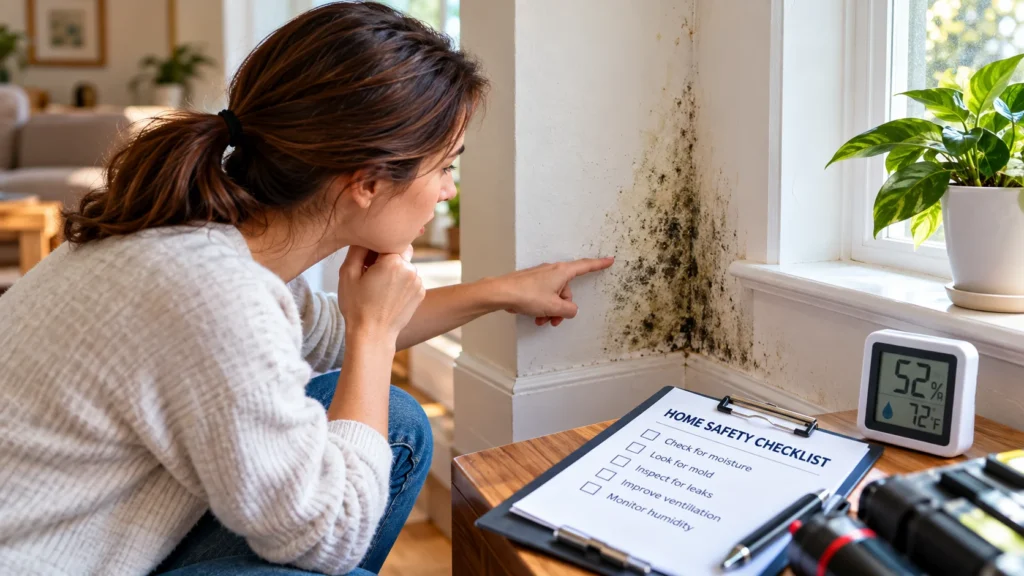
The EPA recommends maintaining indoor relative humidity between 30% and 60% to help reduce mold growth, while the CDC advises keeping humidity as low as possible and no higher than 50% when practical. A simple hygrometer can help you monitor indoor humidity.
Why Quick Action After Water Damage Matters
Water damage should not be ignored. Wet materials can provide the moisture mold needs to grow, particularly when they remain damp for an extended period. EPA guidance recommends drying water-damaged areas and items within 24 to 48 hours when possible to help prevent mold growth.
After a leak, plumbing failure, or flood, inspect affected materials carefully. Drying alone may not be enough if contaminated or heavily damaged materials cannot be adequately cleaned. Significant water damage may require professional restoration, particularly when sewage or contaminated water is involved.
When To Find a Professional Mold Inspection Service
When it comes to finding a professional mold testing service in Salt Lake City or elsewhere, homeowners should look for an experienced and appropriately qualified company that can assess moisture problems and mold conditions.
A professional may be particularly useful when mold appears to be widespread, the source of moisture cannot be identified, mold may be hidden, a building has experienced substantial water damage, or previous cleanup efforts have not resolved the problem.
Before hiring a company, ask about its experience, qualifications, inspection process, scope of work, insurance, and references. It is also sensible to obtain multiple estimates when appropriate and compare exactly what each company includes in its service.
Be cautious of companies that rely on alarming claims about specific types of mold without explaining the actual moisture and building conditions. A useful assessment should focus on identifying the source of moisture, the extent of the problem, and practical steps for correcting it.
Why Mold and Moisture Checks Are Critical for Home Safety
Mold and moisture checks are an important part of responsible home maintenance because they can help identify problems before they lead to more extensive property damage. Mold can grow on materials such as drywall, wood, carpet, insulation, and other building materials when sufficient moisture is present.
Addressing moisture early can also help protect indoor air quality. People who are sensitive to mold may experience allergic or irritation-related symptoms, while people with asthma may experience worsening symptoms after exposure.
Most importantly, homeowners do not need to wait for a laboratory test to begin addressing an obvious moisture or mold problem. If mold is visible or there is a persistent musty odor, investigate the moisture source and take appropriate cleanup or professional remediation steps.
A Simple Home Mold Prevention Checklist
- Check under sinks for leaks or dampness.
- Inspect bathrooms for persistent condensation or water damage.
- Look around windows for moisture and discoloration.
- Inspect ceilings and walls for water stains.
- Check basements, crawl spaces, and attics for damp areas.
- Inspect visible plumbing for leaks.
- Monitor indoor humidity with a hygrometer.
- Use exhaust fans when showering or cooking.
- Repair water leaks as soon as they are discovered.
- Dry wet materials quickly after spills or water damage.
- Investigate persistent musty odors rather than masking them with air fresheners.
- Seek professional help when the affected area is extensive or the source of moisture is difficult to identify.
Frequently Asked Questions About Home Mold Safety
Is mold testing necessary if I can already see mold?
Not necessarily. The CDC does not recommend routine mold testing because testing does not reliably determine whether a home is safe or unsafe based on a specific mold concentration. If mold is visible, the priority is to remove it safely and correct the moisture problem.
What causes mold to grow inside a home?
Mold grows when moisture is present. Common sources include plumbing leaks, roof leaks, flooding, condensation, damp basements, and excessive indoor humidity.
Can mold affect indoor air quality?
Mold and damp indoor environments can contribute to respiratory, allergic, and irritation-related symptoms in some people. The effects vary between individuals, and people with allergies or asthma may be more sensitive.
How quickly should wet materials be dried?
EPA and CDC guidance emphasizes drying water-damaged areas and materials as quickly as possible, with 24 to 48 hours commonly cited as an important window for reducing the opportunity for mold growth.
Should I hire a professional for every mold problem?
Not necessarily. Small areas on appropriate hard surfaces may sometimes be cleaned safely by homeowners. Extensive mold growth, significant water damage, contaminated water, hidden mold, or situations involving people who are particularly vulnerable to mold exposure may require professional assistance.
Conclusion
Keeping your home safe means paying attention to problems that are easy to overlook. Mold and excess moisture are two issues that can affect both your property and indoor environment, particularly when water problems are allowed to continue.
Rather than relying solely on routine mold testing, homeowners should make moisture control, regular inspections, prompt leak repairs, and safe cleanup part of their home maintenance routine. If mold is extensive, hidden, or associated with significant water damage, professional assistance can help determine the appropriate next steps.
A few minutes spent checking damp areas, plumbing, windows, ceilings, bathrooms, and other moisture-prone locations can help you identify problems earlier. By controlling moisture and responding quickly to water damage, you can take practical steps toward maintaining a cleaner, safer, and healthier home environment.