
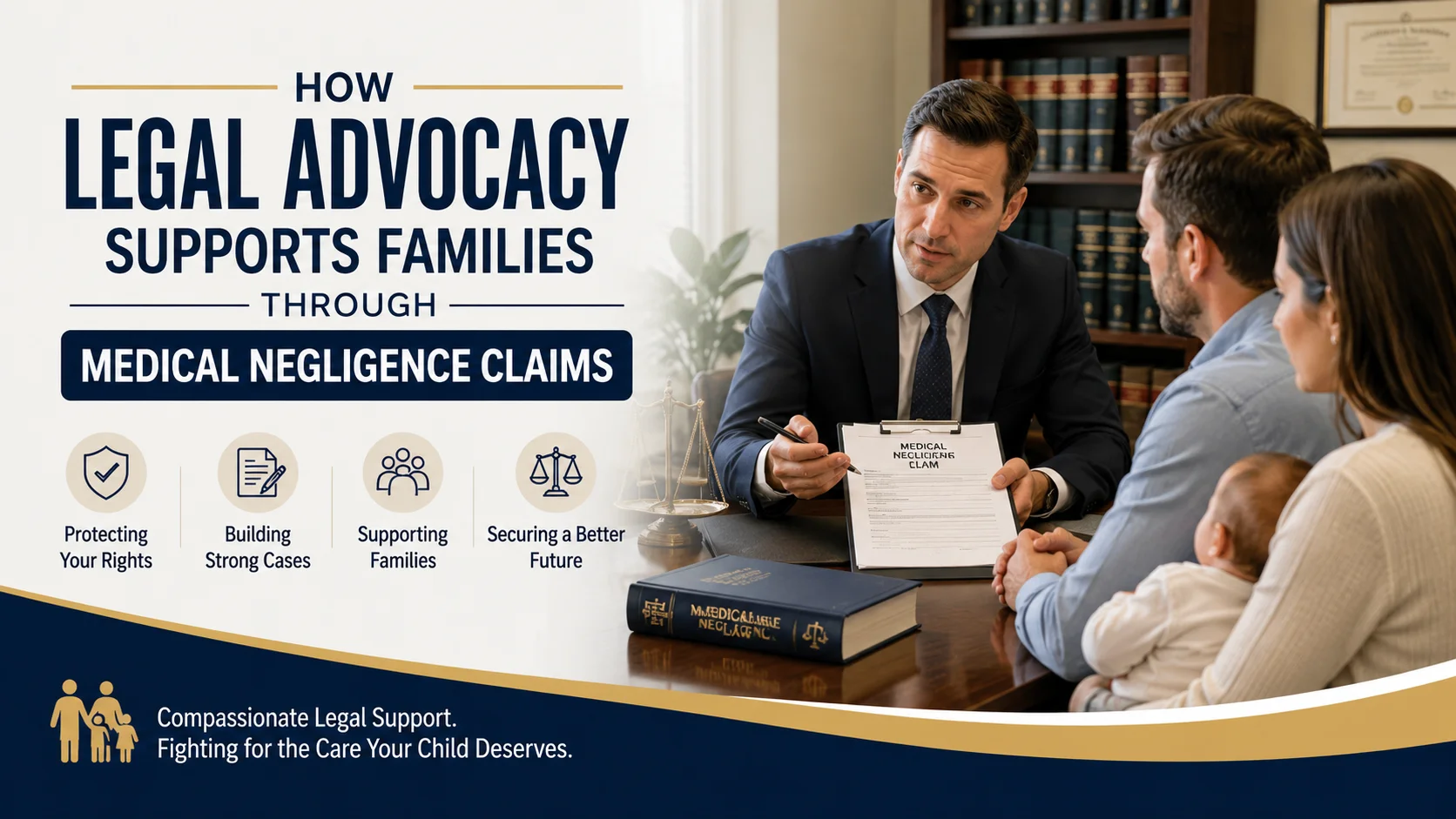

Discovering that a child has suffered a severe injury during birth is one of the most heartbreaking experiences a family can endure. Instead of celebrating a new life, parents are suddenly thrust into a chaotic world of neonatal intensive care units, specialist consultations, and terrifying uncertainties about the future. Recent reporting from the Pennsylvania Patient Safety Authority indicates that birth complications resulting in injury affect approximately 29 out of every 1,000 births statewide. When these injuries result from preventable medical errors, the emotional toll is compounded by profound financial and legal challenges. In these moments of crisis, specialized legal advocacy becomes a lifeline, helping families secure the resources necessary to provide lifelong care for their children while holding negligent healthcare providers accountable.
Navigating Complex State Laws and Deadlines
Medical negligence claims are highly complex and governed by strict, state-specific legal frameworks. Take Pennsylvania as a prime example of this complexity. The state enforces a Minor’s Tolling Statute, which pauses the statute of limitations for a child’s own pain and suffering claim until their eighteenth birthday. This gives the injured individual until age twenty to file a lawsuit. However, parents typically have a strict two-year window from the date of the injury to file a claim for the reimbursement of their child’s medical bills. Furthermore, a statute of repose places a hard seven-year deadline on standard parental medical malpractice claims, regardless of when the injury was actually discovered.
Waiting too long to seek legal counsel can jeopardize a family’s ability to recover massive out-of-pocket costs. Because a recent state legislative study highlighted that the vast majority of hospital births in Pennsylvania now occur in urban county hospitals, specialized legal support is heavily centralized. A family dealing with a complex neonatal injury in a major city will often need to consult a birth malpractice lawyer in Philadelphia to effectively navigate these localized statutes and court systems. Having an expert familiar with local judges, defense firms, and state-specific procedural rules can make a substantial difference in the outcome of a case.
The Lifelong Financial Impact of Neonatal Trauma
The immediate aftermath of a birth injury often requires complex medical interventions, but the long-term financial reality is even more staggering. Recent economic models show that the lifetime cost of care for an individual born with cerebral palsy is approximately 1.6 million dollars when adjusted for inflation. Children suffering from severe neurological injuries face lifetime medical expenses that can be significantly higher than those of individuals without such disabilities. Parents find themselves grappling with specialized equipment costs, ongoing physical therapy bills, and around-the-clock home healthcare expenses.
These figures only account for direct medical expenses. Indirect financial burdens, which include special education costs, essential home modifications, and the lost wages of parents who must become full-time caretakers, routinely exceed hundreds of thousands of dollars. Understanding the root causes of these injuries is critical for proving liability. For example, research from Johns Hopkins Medicine indicates that neonatal brain hypoxia is a major cause of lifetime disability that afflicts three to five children per 1,000 births. Facing statistics like these, families must relentlessly pursue accountability to ensure their child’s lifelong needs are fully funded without plunging the family into bankruptcy.
Crucial Elements of a Medical Negligence Strategy
Building a successful birth injury claim requires a deep understanding of regional patient safety trends and specific legal hurdles. Between 2018 and 2022, the Pennsylvania Patient Safety Authority tracked a noticeable increase in serious event reports related specifically to neonatal medical complications. To hold negligent parties accountable, families and their advocates must carefully manage several critical elements:
- Strict Expert Witness Standards: Many states impose rigid requirements on who can testify in a medical malpractice trial. In Pennsylvania, expert witnesses must possess a valid nationwide medical license and be actively practicing or have retired within five years of testifying.
- State-Managed Liability Funds: Certain states operate specific funds, like the Medical Care Availability and Reduction of Error Fund in Pennsylvania. Participating hospitals and providers must carry a minimum of $500,000 in primary professional liability coverage per claim.
- Complex Settlement Evaluations: For catastrophic injuries, these state-managed funds act as a financial backstop by providing additional secondary coverage. Any proposed settlement over standard limits requires independent evaluation and an official release, making the negotiation process highly intricate.
Selecting the Right Advocate for Your Family
Given the technical medical records, rigid timelines, and complex liability layers involved, finding the right attorney is just as important as filing the claim itself. General practitioners rarely have the specialized knowledge required to challenge massive hospital legal teams or navigate state-managed compensation funds. Medical negligence claims demand attorneys who can seamlessly translate dense clinical definitions into compelling legal arguments that a judge and jury can easily understand. They must also possess the financial resources to hire top-tier medical experts who can authoritatively testify about the standard of care.
When evaluating potential attorneys, parents must prioritize finding a professional with specific experience in birth injury statutes and neonatal trauma cases. Reviewing the key considerations when choosing legal representation can help families identify a lawyer who demonstrates the necessary expertise, transparent communication, and a proven track record in handling highly sensitive medical lawsuits. With the right advocate by their side, families can alleviate the massive burden of legal stress and focus on what truly matters, which is healing and building a supportive environment for their child’s future.