

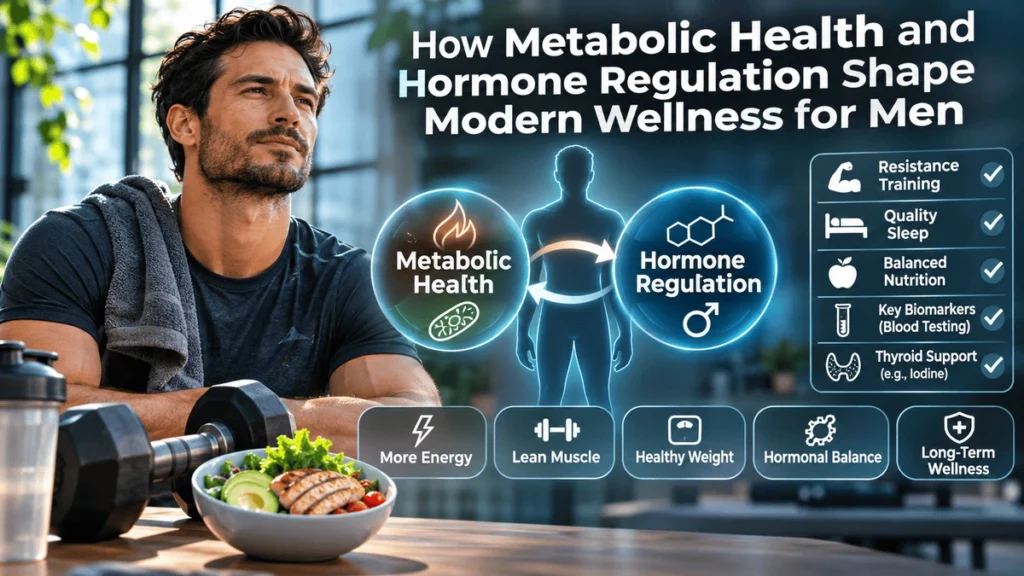
Maintaining good health involves more than following a balanced diet and exercising regularly. Many men focus on improving their fitness, losing weight, and building muscle but still experience persistent fatigue, difficulty managing body weight, reduced motivation, or changes in physical performance. In some cases, these challenges may be connected to metabolic health and hormone regulation.
Metabolic health describes how effectively the body processes and uses energy, regulates blood glucose, manages fats, and responds to insulin. Hormones, meanwhile, act as chemical messengers that influence metabolism, muscle development, appetite, reproductive function, sleep, and overall well-being. These systems are closely connected, meaning changes in one can influence the other.
For men, understanding the relationship between metabolic health and hormones such as testosterone, insulin, thyroid hormones, and cortisol can provide a more complete picture of long-term wellness. Rather than focusing on individual symptoms, a comprehensive approach considers lifestyle habits, underlying health conditions, nutritional needs, and appropriate medical assessments.
Why Insulin Resistance Can Affect Testosterone Levels
Insulin is a hormone produced by the pancreas that helps regulate blood glucose by allowing cells to take up and use glucose for energy. When the body’s cells become less responsive to insulin, a condition known as insulin resistance develops.
As insulin sensitivity decreases, the pancreas may produce more insulin to maintain normal blood glucose levels. Over time, this process can contribute to elevated blood sugar, prediabetes, and type 2 diabetes. Insulin resistance is also associated with excess abdominal fat, abnormal cholesterol levels, and other features of metabolic syndrome.
The relationship between insulin resistance and testosterone is particularly important in men’s health. Research has found associations between obesity, insulin resistance, type 2 diabetes, and lower testosterone levels. However, these relationships are complex and do not mean that insulin resistance automatically causes testosterone deficiency in every man.
Excess visceral fat can influence hormone regulation through several biological pathways. Fat tissue contains aromatase, an enzyme that converts some testosterone into estradiol, a form of estrogen. Changes in body composition and metabolic function can also affect sex hormone-binding globulin (SHBG), which influences how much testosterone circulates in its bound and free forms.
Consequently, men experiencing obesity or metabolic dysfunction may have changes in total testosterone, free testosterone, and other hormone measurements. However, estrogen is not simply an antagonist of thyroid function, and elevated estrogen should not automatically be considered the cause of hypothyroidism.
Insulin resistance can also affect muscle health. Skeletal muscle plays an important role in glucose disposal, making muscle maintenance and regular physical activity valuable parts of metabolic health. When physical activity decreases and excess body fat increases, managing blood glucose and maintaining a healthy body composition can become more challenging.
According to the National Institute of Diabetes and Digestive and Kidney Diseases, insulin resistance is associated with an increased risk of prediabetes and type 2 diabetes. Healthy eating, physical activity, weight management, and adequate sleep can help improve metabolic health.
Andropause and Age-Related Hormonal Changes in Men
Testosterone plays an important role in male reproductive health, muscle development, bone density, red blood cell production, and sexual function. Testosterone levels can gradually change with age, but the rate and extent of these changes differ considerably between individuals.
The term andropause is sometimes used to describe age-associated changes in testosterone and other aspects of male health. However, it is not identical to menopause in women. Not every man experiences a significant decline in testosterone, and symptoms should not automatically be attributed to aging.
Several factors can contribute to lower testosterone levels, including:
- Increasing age and changes in testicular function.
- Obesity and excess abdominal fat.
- Insulin resistance and type 2 diabetes.
- Chronic sleep deprivation and sleep disorders.
- Long-term stress and certain medical conditions.
- Some medications, including opioids and glucocorticoids.
- Inadequate nutrition and excessive physical training without sufficient recovery.
Common symptoms associated with testosterone deficiency may include reduced sexual desire, erectile difficulties, decreased energy, loss of muscle mass, reduced bone density, and changes in mood. However, these symptoms can also occur because of other health conditions, including depression, thyroid disorders, sleep apnea, and cardiovascular disease.
It is therefore important to identify the underlying cause instead of assuming that every symptom requires testosterone treatment. A medical professional can assess symptoms, review medical history, and recommend appropriate laboratory investigations.
The Role of Nutrition and Thyroid Health in Metabolic Function
Nutrition is an essential part of metabolic and hormonal health. The body requires a variety of vitamins, minerals, proteins, carbohydrates, and healthy fats to support normal cellular function and hormone production.
Thyroid hormones are particularly important because they help regulate metabolic activity, energy use, body temperature, and several other physiological processes. The thyroid gland requires iodine to produce thyroxine (T4) and triiodothyronine (T3).
Inadequate iodine intake can interfere with normal thyroid hormone production. However, consuming excessive iodine can also disrupt thyroid function. Supplementation is therefore not automatically beneficial for individuals who already obtain sufficient iodine through their diet.
Men considering iodine supplementation should first assess their nutritional needs with a qualified healthcare professional. If supplementation is appropriate, choosing the Best Iodine supplement should involve checking the iodine content, product quality, and suitability for individual health circumstances.
A balanced nutritional approach should also include protein-rich foods, vegetables, fruits, whole grains, and sources of healthy fats. Adequate protein supports muscle maintenance, while fiber-rich foods can help support blood glucose regulation and digestive health.
Rather than relying on individual supplements to correct complex metabolic problems, men should prioritize a varied diet and address any confirmed nutritional deficiencies through appropriate professional guidance.
Why Generic Weight Loss Advice May Not Work for Every Man
Weight management is often explained through the relationship between calories consumed and calories expended. Although energy balance is fundamental to body weight regulation, it does not explain every factor influencing an individual’s ability to lose fat and maintain muscle.
Hormones, sleep quality, appetite regulation, medications, genetics, stress, and metabolic conditions can all influence weight management. For example, insulin resistance and obesity frequently occur together and may make it more difficult to maintain healthy blood glucose levels and body composition.
Men with excess visceral fat may also experience changes in testosterone and SHBG levels. These changes can influence body composition, although they do not mean that an unfavorable testosterone-to-estrogen ratio makes fat loss impossible.
Successful weight management usually involves a sustainable combination of nutritional improvements, regular physical activity, adequate sleep, and appropriate medical support. Maintaining a balanced lifestyle and addressing underlying metabolic conditions can help support long-term weight management and overall health.
Another important consideration is muscle preservation. Losing weight too quickly or following an overly restrictive diet can contribute to muscle loss. Maintaining sufficient protein intake and including resistance training in a weight management plan can help preserve lean body mass.
Exercise intensity also needs to match an individual’s recovery capacity. Excessive training combined with inadequate sleep, insufficient nutrition, and ongoing stress can contribute to fatigue and reduced exercise performance. A balanced program should allow sufficient recovery between demanding sessions.
Environmental Chemicals and Their Potential Effects on Hormonal Health
Modern environments expose people to numerous chemicals through food packaging, household products, personal care items, and other everyday materials. Some of these substances are classified as endocrine-disrupting chemicals because they can interfere with hormone signaling or other functions of the endocrine system.
Phthalates and bisphenols, including bisphenol A (BPA), are commonly discussed examples. Depending on the substance and exposure level, these chemicals may interact with hormonal pathways involved in reproductive function, metabolism, and development.
Research into endocrine-disrupting chemicals is ongoing. Laboratory studies, animal research, and human observational studies have identified potential health concerns, but the strength of evidence varies between chemicals and health outcomes. It would be inaccurate to claim that these substances are the established primary cause of declining testosterone levels in modern men.
Practical ways to reduce unnecessary exposure include following product safety instructions, avoiding heating food in unsuitable plastic containers, using appropriate food storage materials, and following public health recommendations regarding chemical exposure.
Environmental exposure is only one aspect of hormonal health. Nutrition, sleep, physical activity, body composition, genetics, and underlying medical conditions also play important roles.
When Should Men Consider Hormone Testing?
Persistent symptoms such as low energy, reduced libido, unexplained changes in body composition, and decreased physical performance may justify a medical evaluation. However, these symptoms alone cannot confirm a hormonal disorder.
A healthcare professional may recommend blood tests based on an individual’s symptoms, medical history, physical examination, and risk factors. Depending on the clinical situation, these investigations may include:
- Total testosterone: Measures the overall amount of testosterone circulating in the blood.
- Free testosterone: Estimates the testosterone that is not bound to blood proteins and may be useful in selected clinical situations.
- Sex hormone-binding globulin (SHBG): Helps interpret testosterone measurements, particularly when SHBG levels may be altered.
- Fasting blood glucose and HbA1c: Help assess blood glucose regulation and identify prediabetes or diabetes.
- Lipid profile: Measures cholesterol and triglyceride levels to evaluate cardiovascular and metabolic risk.
- Thyroid function tests: TSH and, when indicated, free T4 help evaluate thyroid function.
- Additional hormone tests: LH, FSH, and prolactin may be recommended when investigating the underlying cause of low testosterone.
Testosterone testing requires particular care because hormone concentrations fluctuate throughout the day and can vary between individual measurements. The Endocrine Society recommends confirming suspected testosterone deficiency with repeat morning fasting measurements and assessing symptoms alongside laboratory results.
Men seeking specialized evaluation may consider consulting a qualified Mens Hormone Clinic. A suitable healthcare provider should assess the complete clinical picture rather than relying on a single testosterone result or automatically recommending hormone treatment.
It is also important to understand that a low testosterone result does not automatically mean testosterone replacement therapy is necessary. Treatment decisions should consider the confirmed diagnosis, underlying causes, potential benefits, risks, fertility plans, and appropriate monitoring.
The Two Essential Lifestyle Habits: Sleep and Resistance Training
Although medical treatment may be necessary for certain hormonal and metabolic conditions, lifestyle habits remain important foundations of men’s health. Two particularly valuable areas are restorative sleep and regular resistance training.
1. Prioritize Consistent, Quality Sleep
Sleep is essential for physical recovery, brain function, metabolic regulation, and hormonal activity. Testosterone production is influenced by sleep patterns, and inadequate sleep can negatively affect several aspects of metabolic and reproductive health.
Consistently sleeping too little may also contribute to changes in appetite regulation, insulin sensitivity, and body weight. Men who regularly experience poor sleep should consider whether their sleep schedule, stress levels, or underlying conditions are affecting their recovery.
Most healthy adults should aim for at least seven hours of sleep per night. Maintaining a consistent bedtime, limiting excessive caffeine intake late in the day, creating a comfortable sleeping environment, and reducing screen exposure before bedtime may help improve sleep quality.
Persistent snoring, breathing interruptions during sleep, and excessive daytime tiredness may indicate obstructive sleep apnea. This condition deserves medical attention because untreated sleep apnea can affect cardiovascular health, daytime functioning, and overall well-being.
2. Include Regular Resistance Training
Resistance training is an effective way to maintain muscle mass, improve strength, and support metabolic health. Activities such as weightlifting, bodyweight exercises, resistance-band training, and compound movements can help strengthen major muscle groups.
Muscle tissue plays an important role in glucose metabolism. Regular physical activity helps muscles use glucose more effectively, improving insulin sensitivity and supporting better blood glucose regulation.
Resistance training can also help men maintain a healthier body composition as they age. Combining strength exercises with regular aerobic activity provides additional benefits for cardiovascular health and metabolic function.
The benefits of strength training extend beyond muscle development. Regular strength-based exercise can support bone health, physical function, balance, and long-term independence.
For general health, adults should aim for at least 150 minutes of moderate-intensity aerobic activity each week, or an equivalent amount of vigorous activity, alongside muscle-strengthening exercises on at least two days per week. Individuals with existing health conditions should adapt their exercise plans with appropriate professional guidance.
It is equally important to allow recovery between challenging workouts. Gradually increasing training intensity, maintaining adequate nutrition, and avoiding excessive exercise can help make a fitness routine more sustainable.
Why a Comprehensive Biomedical Approach Matters
Men experiencing persistent fatigue, difficulty managing weight, reduced strength, or changes in sexual health should not assume that a lack of motivation is the only explanation. These symptoms can have several possible causes, including metabolic disorders, hormonal conditions, sleep problems, nutritional deficiencies, and medication effects.
A comprehensive biomedical approach begins with understanding the individual’s overall health. Rather than focusing exclusively on testosterone, a healthcare professional may consider blood glucose regulation, cholesterol levels, thyroid function, blood pressure, body composition, sleep quality, and relevant hormone measurements.
It is also important to interpret laboratory results in context. For example, total testosterone alone may not provide a complete picture when SHBG levels are abnormal. Similarly, cortisol testing is not routinely required for every man experiencing fatigue or difficulty losing weight. Additional investigations should be guided by clinical findings.
When testosterone deficiency is confirmed, treatment should address the underlying cause whenever possible. Some cases associated with obesity, sleep disorders, medication use, or other health conditions may improve when the contributing problem is appropriately managed.
Testosterone replacement therapy can be appropriate for men with clinically confirmed hypogonadism, but it is not a general treatment for aging, weight loss, or low energy. It can also suppress the body’s natural testosterone production and sperm production, making fertility an important consideration before treatment begins.
Ultimately, an evidence-based approach combines appropriate medical assessment with sustainable lifestyle improvements. This provides a more reliable foundation for improving metabolic function, maintaining hormonal health, and supporting long-term wellness.
Conclusion: Building Better Metabolic and Hormonal Health
Metabolic health and hormone regulation are closely connected aspects of men’s overall wellness. Insulin sensitivity, testosterone levels, thyroid function, body composition, nutrition, physical activity, and sleep all contribute to how the body functions.
Although hormonal changes can influence energy, muscle development, and weight management, not every health challenge is caused by low testosterone. Understanding the underlying factors is essential for choosing an appropriate and effective approach.
By prioritizing balanced nutrition, consistent exercise, quality sleep, and appropriate medical assessments, men can take practical steps toward better metabolic function and long-term health. The goal is not simply to optimize one hormone or achieve a particular number on a blood test, but to support the body’s overall ability to function well throughout life.
Frequently Asked Questions About Metabolic Health and Hormone Regulation in Men
1. What is metabolic health in men?
Metabolic health in men refers to how effectively the body regulates blood glucose, insulin, cholesterol, blood pressure, and energy metabolism. Good metabolic health supports cardiovascular function, healthy body composition, and normal physiological processes.
2. Can insulin resistance affect testosterone levels?
Yes. Insulin resistance is associated with obesity, metabolic syndrome, and lower testosterone levels in some men. Excess visceral fat and changes in SHBG and hormone metabolism may contribute to this relationship. However, insulin resistance does not automatically cause testosterone deficiency.
3. What are the common symptoms of low testosterone in men?
Common symptoms may include reduced sexual desire, erectile difficulties, persistent fatigue, decreased muscle mass, reduced bone density, and changes in mood. These symptoms can have other causes, so proper medical assessment and blood testing are necessary for diagnosis.
4. Does resistance training improve metabolic health?
Yes. Resistance training helps maintain muscle mass, improve strength, and support insulin sensitivity. Combining strength training with aerobic exercise can improve blood glucose regulation, cardiovascular fitness, and overall metabolic health.
5. How many hours of sleep do men need for hormonal health?
Most healthy adults should aim for at least seven hours of sleep per night. Consistent, quality sleep supports metabolic regulation, physical recovery, and normal hormone activity. Individual sleep needs may vary.
6. Can excess body fat contribute to low testosterone?
Yes. Excess body fat, particularly visceral fat around the abdomen, is associated with lower testosterone levels in some men. Obesity can also influence SHBG and hormone metabolism. Healthy weight management, physical activity, and appropriate medical care may help improve metabolic and hormonal health.
7. Which blood tests can help evaluate male hormonal health?
Depending on symptoms and medical history, a healthcare professional may recommend total testosterone, free testosterone, SHBG, LH, FSH, prolactin, TSH, fasting blood glucose, HbA1c, and a lipid profile. Not every man needs every test, and results should be interpreted by a qualified healthcare professional.
8. Can testosterone replacement therapy improve metabolic health?
Testosterone replacement therapy may benefit men with confirmed testosterone deficiency and appropriate clinical indications. However, it is not recommended as a general treatment for obesity, insulin resistance, or blood sugar control. Treatment requires medical supervision and consideration of potential risks and fertility effects.
9. Does iodine supplementation support thyroid and metabolic health?
Iodine is essential for producing thyroid hormones, which help regulate metabolism. However, supplementation is mainly useful when iodine intake is insufficient or a healthcare professional identifies a specific need. Excess iodine can also cause thyroid problems, so high-dose supplements should be avoided without medical guidance.
10. What is the best way to improve metabolic and hormonal health naturally?
A balanced diet, regular resistance and aerobic exercise, adequate sleep, healthy weight management, stress management, and avoiding smoking are important foundations. Men experiencing persistent symptoms should also seek medical evaluation to identify and address any underlying conditions.
Medical Disclaimer
This article is intended for educational and informational purposes only. It does not replace professional medical advice, diagnosis, or treatment. Hormonal disorders, insulin resistance, thyroid conditions, and other metabolic problems require individualized assessment by a qualified healthcare professional. Always consult a healthcare provider before starting hormone therapy or taking iodine and other dietary supplements.
Authoritative Medical References
- Endocrine Society – Testosterone Therapy Clinical Practice Guidelines
- NIDDK – Insulin Resistance and Prediabetes
- NIH Office of Dietary Supplements – Iodine Fact Sheet
- CDC – Physical Activity Guidelines for Adults
- American Academy of Sleep Medicine – Recommended Amount of Sleep for Adults
- National Institute of Environmental Health Sciences – Endocrine Disruptors