
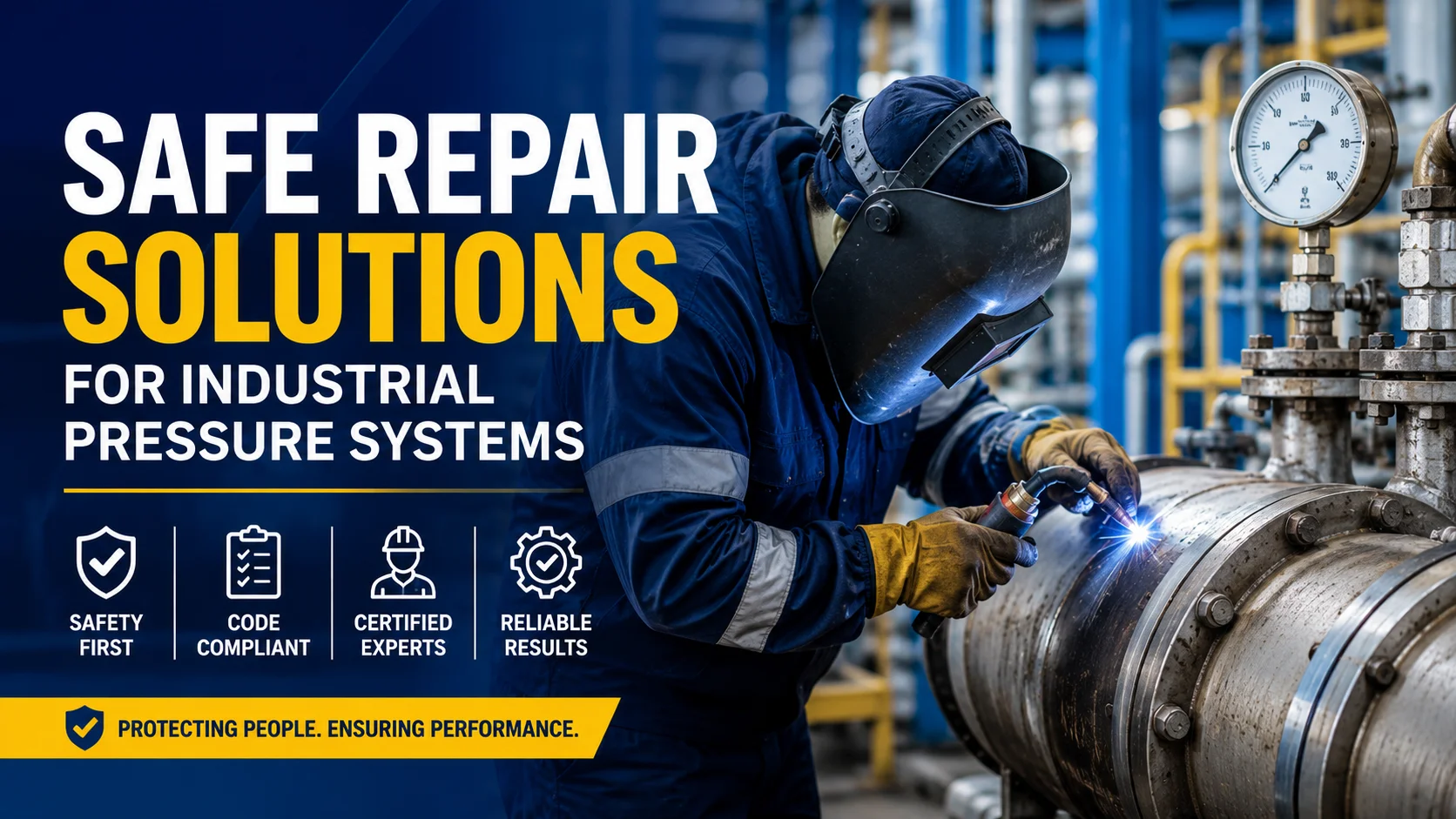
Pressure systems don’t forgive shortcuts. Whether you’re running boilers, pressure vessels, or a network of high pressure piping, the margin for error is thin. You already know this. A small crack or a missed inspection point can turn into a shutdown, a safety incident, or worse. So when it’s time to repair, you need a plan that’s built on proven methods, not guesswork.
That starts with understanding who’s qualified to do the work. You’ll find that r stamp welding is one of the biggest factors here. If your vessel carries the National Board R stamp, any repair has to follow strict code requirements, and the welder needs the right certification to keep that stamp valid. Skipping this step doesn’t just risk a bad weld. It can void your certification entirely and leave you exposed legally and financially.
Start With A Real Inspection
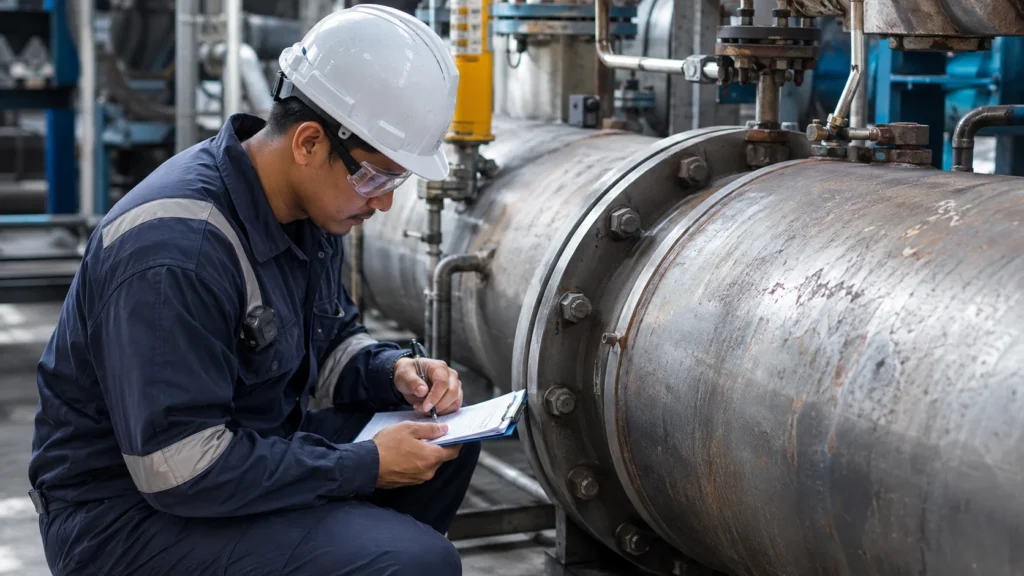
Before you weld anything, you need eyes on the actual problem. That means:
- Visual inspection for corrosion, pitting, or cracking
- Ultrasonic thickness testing to check wall integrity
- Radiographic testing on welds if there’s any doubt
- Pressure testing once repairs are complete
Don’t rush this part. You’re not just looking for the obvious damage. You’re looking for what’s hiding underneath it.
Choose The Right Repair Method
Not every fix requires a full weld repair. Sometimes a bolted clamp or sleeve repair gets the job done faster and just as safely. It depends on the type of damage, the material, and how critical that section is to your system.
For thin-wall corrosion, a weld overlay might restore thickness without removing the component. For cracks near a weld seam, you might need to grind out the defect and reweld following code procedures. Either way, the method should match the failure mode. Guessing here is how small problems become big ones.
Follow The Right Codes
You’re dealing with equipment governed by ASME codes, and that’s not optional paperwork. It’s there to keep people safe. Depending on your system, you’ll likely be working within:
- ASME Section VIII for pressure vessels
- ASME Section I for boilers
- NBIC guidelines for repairs and alterations
These codes dictate everything from filler metal selection to post-weld heat treatment. Ignore them, and you’re not just cutting corners. You’re gambling with lives.
Bring In Qualified Welders
This one seems obvious, but it’s worth saying plainly. Not every welder is qualified for pressure system repair. You need someone with current certification, documented experience on similar systems, and a track record of passing code required testing.
Ask questions. Check credentials. A good contractor won’t be offended by this. They’ll expect it.
Document Everything
Once the repair is done, your work isn’t finished. You need records. Keep track of:
- Weld procedure specifications used
- Welder qualification records
- Inspection and test results
- Any code interpretations applied to the repair
This paperwork protects you during audits, insurance reviews, and future inspections. It also gives the next technician a clear history if problems show up again.
Think Long Term, Not Just Fast
It’s tempting to want the quickest fix, especially when downtime is costing money. But a rushed repair on a pressure system can cost far more later. Take the time to inspect thoroughly, choose the right method, follow the codes, and hire people who know what they’re doing.
Your system will run safer, your team will stay protected, and you’ll avoid the kind of failure that shuts everything down for good.