
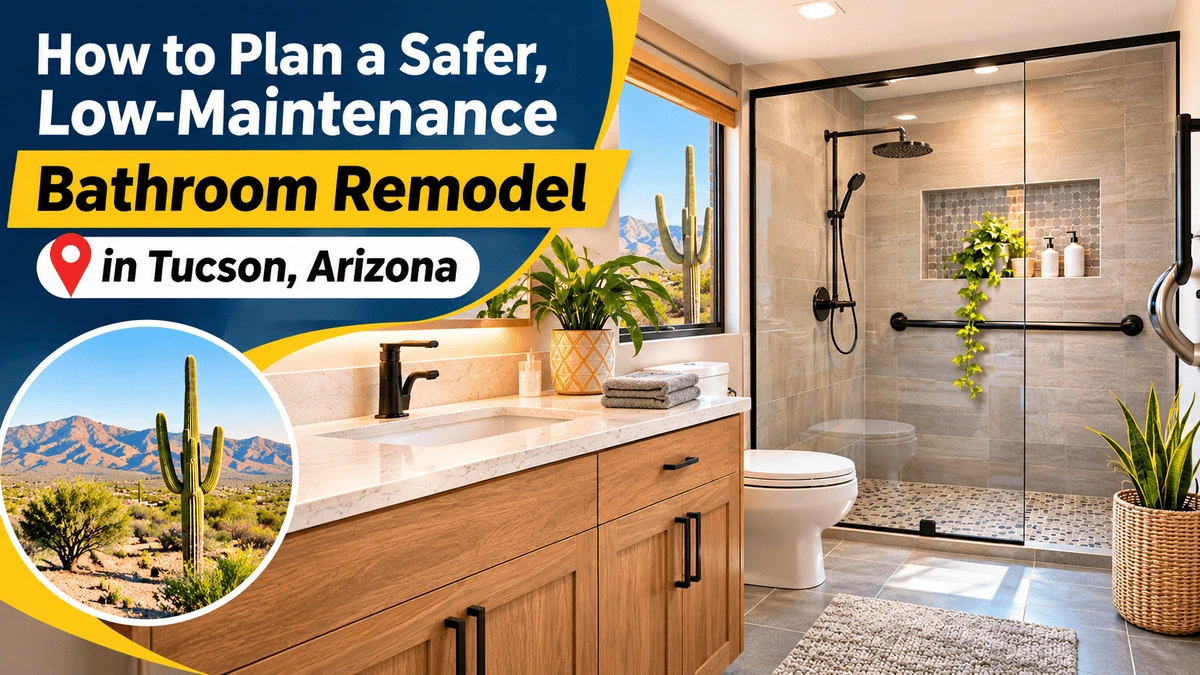
A bathroom remodel in Tucson should do more than refresh an older vanity or replace dated tile. It should make everyday routines easier while addressing the practical demands of a wet room in a desert home. Whether you are updating a guest bath, primary bath, or aging-in-place space, professional shower installation services can be part of a larger plan for safer entry, easier cleaning, and lasting comfort. Tucson households often rely on air conditioning for much of the year, but indoor bathroom moisture still needs careful control. A well-planned remodel considers water at every stage, from the shower threshold and floor slope to ventilation, wall surfaces, storage, and fixture placement. The best choices are usually the ones that solve a daily frustration without making the room feel overly clinical.
Start With a Daily Bathroom Check
Before choosing finishes, spend several days noticing how the room works now. Look for slippery spots near the shower, water that collects on the floor, dim areas at the vanity, narrow walking paths, and products stored where they are hard to reach. Think about everyone who uses the room, including children, guests, older relatives, and someone recovering from an injury.
Bring a short list to your remodeling consultation:
- Where do you step around water, clutter, or an awkward threshold?
- Which items are used every day, and where should they be stored?
- Are the shower controls, towels, and lighting easy to reach?
- Do you notice musty odors, peeling paint, soft flooring, or recurring caulk failures?
Plan Safer Shower Access
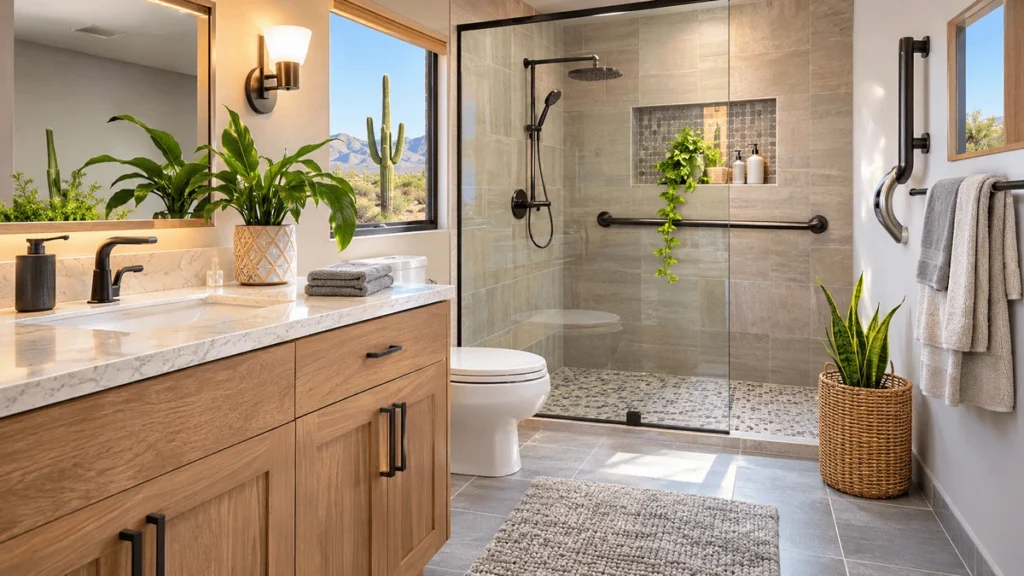
A low-entry or curbless shower can make entering and leaving the bathing area easier, but it must be designed as a complete water-management system. Proper floor slope, dependable waterproofing, correctly placed drainage, and a plan for containing spray all matter. A shower that looks seamless but allows water onto the main bathroom floor can create a cleaning problem and a slip concern. Consider a built-in seat when comfort, shaving, bathing children, or future mobility needs make seating useful. A handheld showerhead can add flexibility for users of different heights and for cleaning the enclosure. If grab bars may be useful, ask for suitable wall blocking or framing before the finished wall goes up. Support bars should be securely anchored, not simply attached to decorative surface material.
Choose Flooring for Wet Conditions
Bathroom flooring should be selected for traction, stable installation, and routine cleaning. Textured tile, matte-finish tile, and bathroom-rated waterproof vinyl are common options. Highly polished surfaces can look dramatic, but they may be slick when wet. Review samples under bathroom lighting and ask how the surface feels to the touch. Also consider grout joints, transitions between rooms, bath mats, and drainage. Smaller tile can create more grout lines, while larger tile often creates a cleaner visual field with fewer joints. Neither option is automatically better. The right choice depends on the layout, desired traction, cleaning preferences, and installation details. Always review the manufacturer’s care instructions before purchasing a flooring material.
Select Materials That Need Less Upkeep
Low-maintenance does not mean maintenance-free. Every shower and bathroom surface needs regular cleaning, caulk inspection, and prompt attention to leaks. Still, material choices can reduce the number of places where soap residue and moisture collect. Large-format tile, solid wall panels, and acrylic surrounds generally have fewer seams than small tile installations.
- Fewer seams: Often mean fewer places for residue to collect.
- Textured finishes: Can improve traction but may need more detailed cleaning.
- Natural stone: May require sealing and product-specific care.
- Glass: Keeps a room visually open but can show water spots.
- Painted surfaces: Need suitable bathroom-rated coatings and should not conceal moisture damage.
Ask how each surface should be cleaned, repaired, sealed, or replaced. A finish that suits your preferred cleaning routine is often a better long-term investment than one chosen only for its first-day appearance.
Improve Lighting and Visibility
One ceiling fixture rarely provides even light throughout a bathroom. A more useful plan layers general lighting for the room, task lighting at the vanity, and focused light near the shower, storage, and toilet area. Good lighting makes grooming easier and helps reveal water on the floor, clutter near a walkway, and missed cleaning areas. Use fixtures appropriate for damp locations where required, especially near bathing areas. Place vanity lighting to reduce shadows on the face, and avoid overly harsh bulbs that create glare on mirrors or glossy surfaces. The goal is a bright room with clear visibility, not a space filled with stark light.
Control Moisture Before It Creates Problems
Steam, plumbing leaks, slow-drying surfaces, and poor airflow can lead to peeling finishes, damaged materials, and recurring cleanup work. An exhaust fan that vents outdoors, a functioning window when conditions allow, and regular drying habits all support a healthier bathroom. The EPA recommends using bathroom fans or opening windows while showering to reduce excess humidity and improve ventilation. Promptly repair dripping fixtures, failed caulk, stained ceilings, soft flooring, and loose tile. If mold keeps returning, a leak is suspected behind a wall, or building materials appear damaged, arrange a professional inspection before covering the issue with new finishes.
Use Storage to Reduce Clutter
Storage is a safety and cleaning feature, not just a convenience. Recessed shower niches, drawers, shelves, towel hooks, and medicine cabinets can keep everyday products off the floor and out of the shower entry. Separate frequently used items from backup supplies so the room stays easier to navigate.
- List the products used each day.
- Measure the space those products require.
- Choose storage that keeps the floor, vanity counter, and shower entry clear.
Plan for Future Needs Without Losing Style
Future-ready design can look polished and personal. Wider clearances, steady flooring, stronger lighting, seating, handheld controls, and well-placed support features can help people of many ages use the room comfortably. These choices may also help during a temporary injury or while caring for a family member. Residential bathrooms do not automatically need to follow every commercial accessibility rule. Still, accessible bathroom design guidance can help homeowners understand the value of clear floor space, shower access, and thoughtfully located support features. Coordinate finishes across bars, faucets, lighting, and hardware so practical additions feel intentional.
Build a Complete Remodeling Budget
The lowest estimate may not show the complete cost of the project. Compare written proposals by scope, included materials, labor, warranty terms, cleanup, payment schedule, and responsibility for permits or inspections. A complete budget should account for demolition, disposal, plumbing, electrical work, ventilation, waterproofing, surface preparation, fixtures, finish materials, and possible repairs. Set aside a contingency for hidden water damage, outdated plumbing, framing adjustments, or subfloor repair. This is especially important when remodeling an older Tucson home where previous repairs may not be visible until work begins.
Questions to Ask Before Work Begins
- Who handles permits and inspections?
- Which fixtures, materials, and installation steps are included?
- How long will the bathroom be unavailable?
- How will nearby floors, walls, and furniture be protected?
- What happens if hidden damage appears?
- Which cleaning products are appropriate for the finished surfaces?
- Who handles follow-up service, and what warranty terms apply?
Common Questions About Bathroom Remodeling
Is a walk-in shower always better than a tub?
Not always. The best choice depends on household bathing habits, available space, the presence of children or guests, resale considerations, and the need for easier access to the shower.
Are low-maintenance surfaces completely maintenance-free?
No. They may reduce cleaning time, especially with fewer seams, but every bathroom still needs routine cleaning and periodic inspection.
How can a bathroom look safer without looking institutional?
Use coordinated finishes, concealed structural preparation, attractive lighting, open movement paths, and storage that keeps daily items organized.
A Simple Planning Sequence
- List the bathroom’s biggest daily problems.
- Measure the room and note fixture locations.
- Set priorities for safety, moisture control, storage, and cleaning.
- Choose a layout that supports easy movement.
- Compare materials by care needs, traction, durability, and cost.
- Request detailed written estimates and confirm the final scope.
Conclusion
A successful Tucson bathroom remodel should make daily routines easier while protecting the room from moisture, unnecessary upkeep, and avoidable repair costs. By treating shower access, flooring, lighting, ventilation, storage, materials, and budget as a single, cohesive plan, homeowners can create a space that balances comfort, safety, and functionality. Choosing moisture-resistant surfaces, reliable fixtures, effective exhaust ventilation, and easy-to-clean materials can also help the bathroom remain in good condition over time. It is equally important to consider how household needs may change, whether that means adding grab bars, improving shower entry, or making storage and controls easier to reach. Before construction begins, review the project scope, compare material options, and account for labor and potential repairs. With thoughtful planning, Tucson homeowners can create a bathroom that feels comfortable today and remains useful, attractive, and manageable to maintain for years to come.