
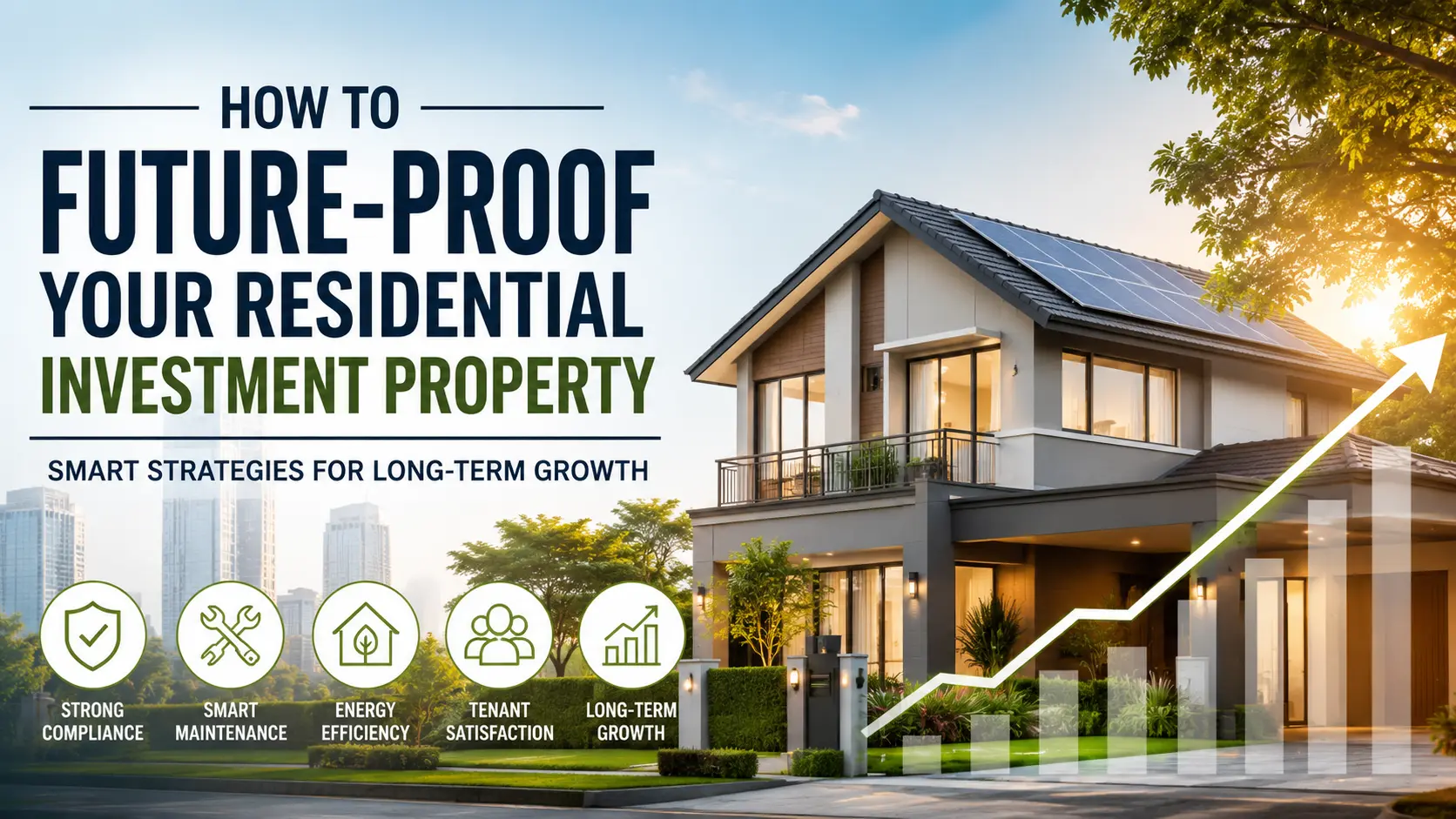

Building a successful property portfolio requires far more than acquiring an asset and hoping for market appreciation. The Australian real estate landscape is shifting rapidly. Extreme rent growth is beginning to slow, and the market is demanding higher quality and better compliance from landlords across the board. Just as those selling a home in today’s market must make strategic repairs and prioritise upkeep to maximise property value, residential investors should implement proactive strategies to protect their long-term physical assets.
Achieving this requires a forward-thinking approach that balances immediate repairs with future capital improvements. To safeguard returns and expertly handle compliance, many savvy investors rely on professional residential property management services to provide reliable oversight and mitigate unnecessary financial risks. By treating your property as a dynamic business rather than a passive holding, you can secure better yields and preserve your capital for decades.
Adapting to New Legislative Standards
Across Australia, rental laws are becoming stricter to ensure better living conditions for tenants. Queensland expanded its mandatory minimum housing standards in late 2024, strictly requiring all properties to be weatherproof, structurally sound, and entirely free from damp or mould. South Australia also implemented sweeping rental reforms recently, introducing prescribed minimum standards and tighter eviction protocols. In Victoria, property owners must meet stringent requirements across 14 distinct categories, including safety, ventilation, and structural stability. These changes reflect a national shift toward prioritising renter welfare.
Navigating this complex web of state-specific legislation exposes self-managed landlords to significant financial penalties if they fall behind. Staying compliant is no longer a simple checklist but an ongoing operational requirement. Engaging experts who understand the nuances of these updated legal frameworks ensures your asset remains legally compliant, shielding you from costly disputes and protecting your reputation as a premium housing provider. Furthermore, proactive compliance often prevents costly tribunal hearings and builds positive relationships with regulatory bodies. Landlords who stay ahead of these legislative shifts find it much easier to attract responsible renters who appreciate a safe, well-maintained, and legally sound living environment.
Strategic Maintenance for Maximum Yield
Neglecting preventative upkeep significantly increases financial risk, as deferred repairs often translate directly into reduced market valuations and extended vacancy periods during tenant changeovers. According to the 2025 Home Maintenance Risk Index, localised environmental factors like extreme heat and coastal weather rapidly accelerate building wear. Industry analysts advise owners to reserve between one and four percent of their dwelling’s value annually for maintenance. This serves as a critical financial safety net against unexpectedly high local construction and repair costs, ensuring that your property does not slowly degrade.
To ensure long-term capital growth and robust rental yields, consider prioritising the following proactive upgrades:
- Climate Control Upgrades: Installing a modern split-system air conditioner, which typically costs around $3,000 to $4,000, can increase weekly rental income by up to $20 while appealing directly to modern comfort expectations.
- Energy Efficiency Improvements: Advocacy groups are heavily pushing for comprehensive minimum energy efficiency standards for Australian rental properties by the end of 2025. Upgrading insulation and sealing drafts now puts you comfortably ahead of the regulatory curve.
- Preventative Structural Checks: Regular property condition reports can drastically reduce long-term capital expenditure. These assessments identify minor issues, such as small roof leaks or plumbing drips, before they escalate into major structural defects.
- Creating a Capital Works Fund: Establishing an accrued maintenance fund prevents you from facing sudden emergency repair outlays that could otherwise disrupt your cash flow.
The Financial Value of Keeping Good Tenants
As of late 2025, Domain Insight reported that the Australian rental market is fragmenting. This data indicates that property upkeep and competitive features are increasingly vital to attract high-quality renters. Furthermore, data from CoreLogic highlights that national residential rental yields stabilised around 3.7 percent in 2024. With yields levelling out across many regions, keeping reliable occupants in place is a highly effective way to maintain profitability and avoid the financial sting of high vacancy rates.
Expert research confirms that focusing on tenant retention drives value for multifamily investors, as reducing turnover avoids costly marketing and vacancy expenses, directly improving a property’s net operating income and overall valuation. When long-term tenants feel comfortable and valued, they are also more likely to treat the home as their own, resulting in less daily wear and tear. A stable tenant base provides predictable cash flow, which is essential for managing mortgage repayments and planning future property acquisitions.
With Australian apartment demand forecast by CBRE to average 75,000 units annually through to 2030, there is undeniably strong long-term demand for well-maintained dwellings. By staying proactive with maintenance, ensuring legislative compliance, and focusing on renter satisfaction, you can successfully future-proof your investment portfolio for decades to come. Property investment is a long-term commitment. The most successful landlords recognise that building wealth through real estate relies on diligent asset protection and a dedication to quality. Taking these strategic steps today will ultimately reward you with lower operational stress, steady income streams, and superior capital growth when it comes time to sell or leverage your portfolio.