
Key Takeaways
- Regular engagement with crossword puzzles can improve memory and cognitive functions.
- Crosswords may delay the onset of cognitive decline in older adults.
- Combining crossword puzzles with physical exercise offers comprehensive benefits for brain health.
The Cognitive Benefits of Crossword Puzzles
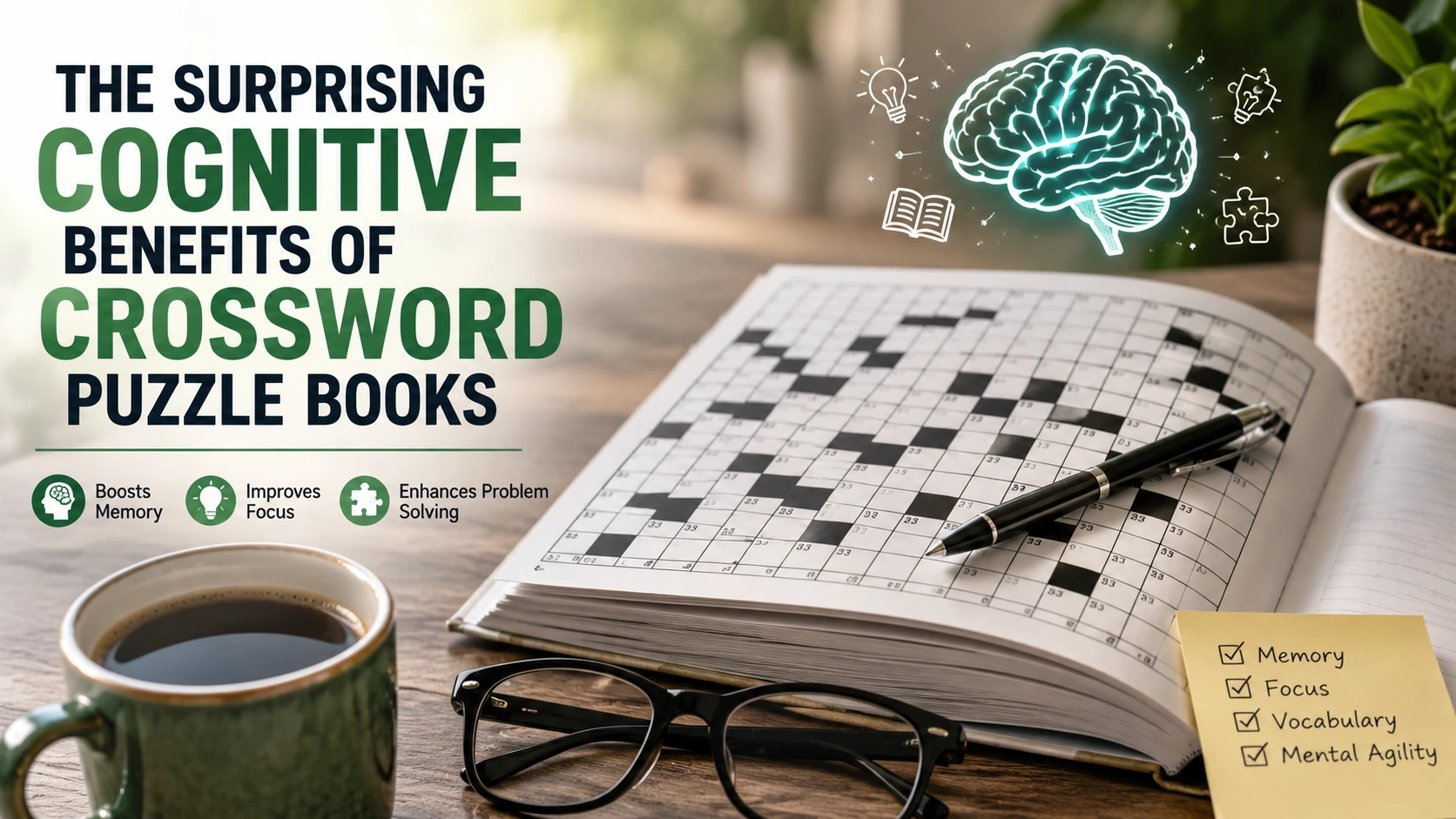
Crossword puzzles are more than just a source of leisurely entertainment; they function as a powerful workout for the mind. As you tackle each clue, your brain is actively engaged in memory recall, logical reasoning, and problem-solving, an intricate mental juggling act. For many enthusiasts, filling in the black-and-white squares of a puzzle offers not only a sense of accomplishment but also measurable mental benefits. In fact, regularly taking on challenges from collections like Crossword Books has been shown to sharpen focus and mental agility.
Studies underscore that frequent puzzling improves both short-term and long-term memory. By retrieving and cross-referencing obscure facts, players exercise neural pathways essential to everyday tasks. According to a Healthline report, engaging in such challenging mental activities is linked to sustaining cognitive sharpness as we age. This makes crossword puzzle books a valuable tool for anyone aiming to preserve and enhance brain function.
Delaying Cognitive Decline
One of the most compelling reasons to pick up a crossword puzzle book is its potential to slow age-related memory decline. For older adults, staying mentally active is crucial for maintaining independence and quality of life. Research from Columbia University highlights that adults over 50 who regularly engage in word puzzles show cognitive functioning on par with peers a decade younger.
The key is in the unique structure of crossword puzzles. Unlike repetitive brain-training exercises, crosswords challenge memory in creative ways, often requiring players to draw on general knowledge, culture, and language. This multifaceted engagement provides a more robust defense against cognitive decline, making it a recommended pastime for older adults.
Crosswords vs. Other Brain Games
With a growing emphasis on brain training in popular culture, options like Sudoku, memory cards, and digital brain games are abundant. However, evidence suggests that crossword puzzles provide distinctive advantages over many alternatives. A study reviewed by Columbia University found that older adults with mild cognitive impairment made greater cognitive gains through crossword puzzles than through video computer games.
This is likely because crossword puzzles involve a richer interplay of skills, such as complex verbal reasoning and cultural knowledge. These demands may explain why puzzles are not only enjoyable but are also uniquely beneficial in supporting cognitive resilience across the lifespan.
Integrating Crosswords into Daily Routine
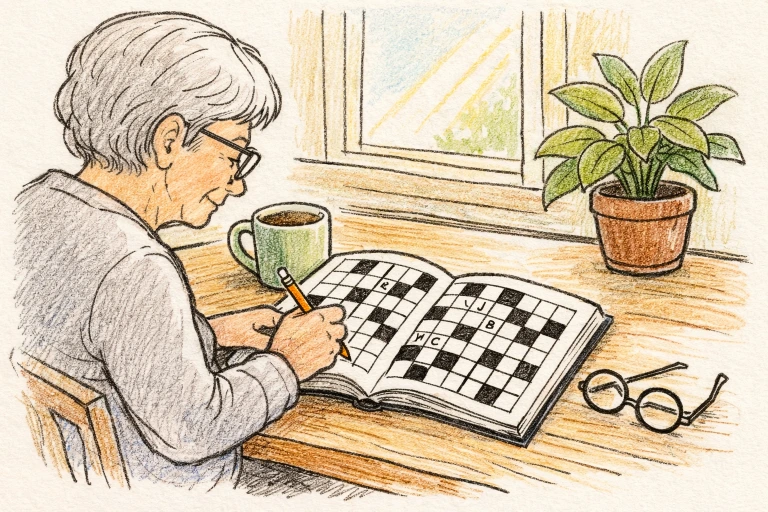
Incorporating crossword puzzles into your daily life is a simple yet effective way to maintain mental agility. Dedicating just 15-20 minutes a day to this activity can pay dividends for your cognitive health over time. Here are some actionable tips for getting started:
- Choose the Right Level: Begin with puzzles that align with your comfort level, and progress to more challenging ones as your confidence grows.
- Consistency Matters: Set a regular time each day, morning, lunch, or evening, to work on a puzzle and make it a rewarding habit.
- Pair with Routine Activities: Combine your crossword session with a daily ritual, such as enjoying a coffee or winding down before bed.
Embedding crossword puzzles into your routine can amplify their mental benefits, especially when coupled with other stimulating hobbies or social activities.
Beyond individual engagement, crosswords can also be turned into a shared family or friends activity, fostering connection and collaborative problem-solving. Organizing a weekly crossword night or participating in local puzzle competitions can add a social dimension, which has also been linked to improved mental health and reduced feelings of loneliness. For educators and caregivers, introducing puzzles into the classroom or group settings can promote teamwork, reinforce vocabulary, and stimulate curiosity.
Even digital versions of crossword puzzles can be beneficial, offering accessibility for those with mobility challenges or those looking for a quick brain boost during daily commutes. There are numerous apps and online platforms dedicated to stimulating crosswords across varying levels of difficulty, making it easier than ever for individuals to access this powerful brain-training tool.
Beyond Puzzles: A Holistic Approach to Brain Health
While crossword puzzles do wonders for mental acuity, optimal brain health is best achieved by addressing multiple facets of well-being. Physical activity, nutritious diet, ongoing education, and frequent social interaction all work in tandem to preserve cognitive vitality. According to Healthline, integrating such activities into your lifestyle alongside regular puzzling creates an ideal environment for maintaining a sharp mind at any age.
Combining mental and physical exercises can maximize protection against cognitive decline and foster overall wellness, making crossword puzzles a natural and integral part of a holistic approach to healthy aging.
Moreover, activities such as learning a new language, playing a musical instrument, or taking up creative arts further complement the cognitive engagement provided by crossword puzzles. These pursuits stimulate different areas of the brain, enriching neural connections and contributing to a more adaptable, resilient mind. Adequate sleep, stress management, and regular health check-ups should not be overlooked, as they support overall cognitive function. By building a lifestyle that values both mental and physical health, you establish a strong foundation for long-term cognitive well-being.
Conclusion
Crossword puzzle books stand out as both a pleasurable pastime and an effective vehicle for cognitive enhancement. Whether you are seeking a mental challenge or a defense against memory loss, integrating these puzzles into daily life and pairing them with other healthy habits can yield enduring benefits for brain health and overall well-being.
The key takeaway is that puzzles like crosswords are accessible, adaptable, and enjoyable for all ages, making them an ideal lifelong companion on the journey of maintaining a vibrant, healthy mind. By making crossword solving a regular part of your everyday routine, you invest not only in enriching your knowledge but also in safeguarding your cognitive future.