
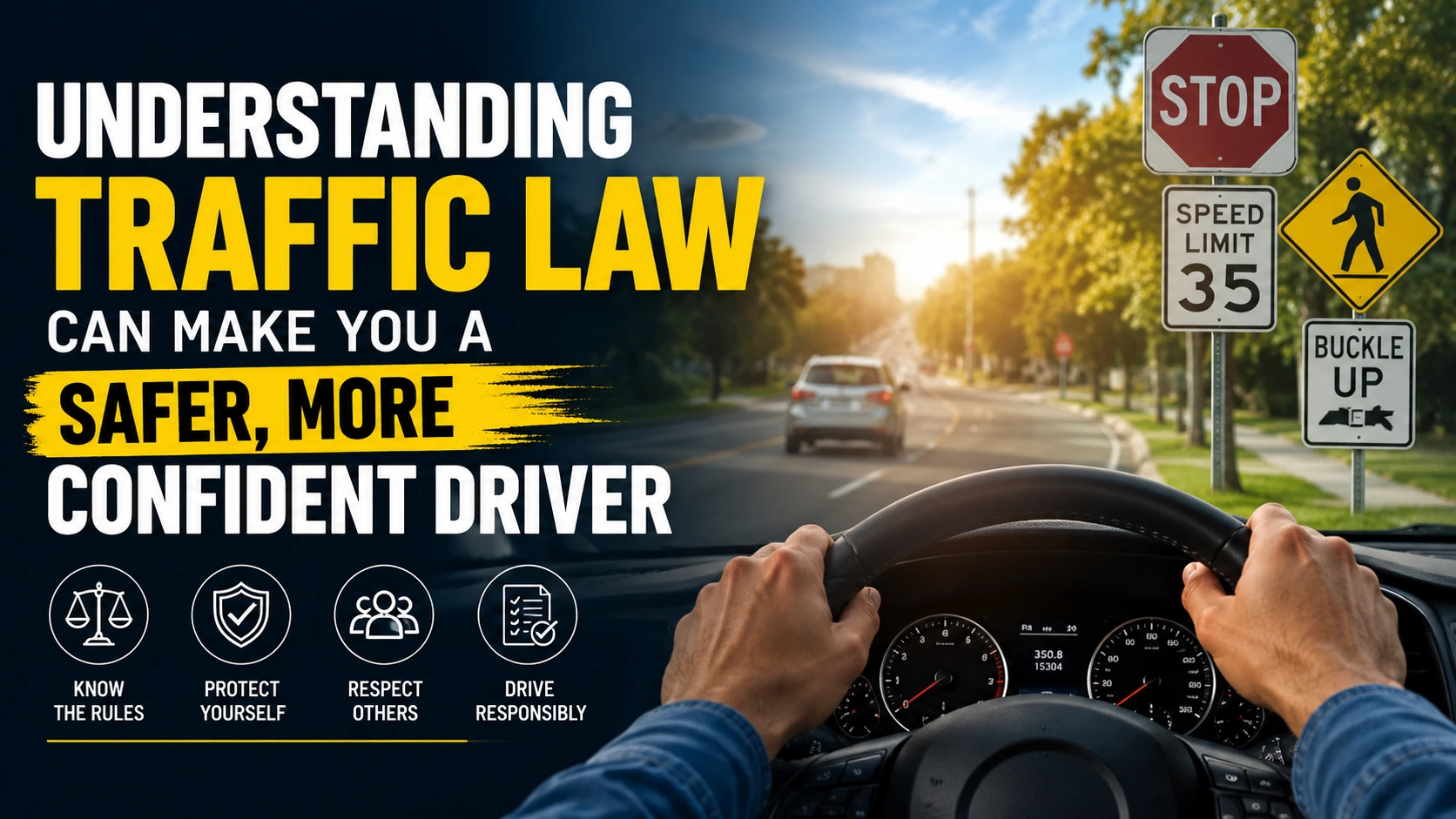
Most drivers think about traffic laws only when they are pulled over or involved in an accident. But developing a genuine understanding of how traffic law works, why certain rules exist, and what your rights are on the road can transform the way you drive every single day. Legal literacy behind the wheel is not just about avoiding fines. It is about making better decisions, reducing stress, and contributing to safer roads for everyone. This article explores how a deeper awareness of traffic law can positively shape your driving habits and your overall relationship with the road.
The Connection Between Legal Knowledge and Safer Driving
There is a meaningful link between understanding traffic regulations and actually following them. When drivers know the reasoning behind a law, they are far more likely to comply with it consistently rather than simply when enforcement is visible. Speed limits near school zones, for example, are not arbitrary numbers. They are calculated based on stopping distances, pedestrian reaction times, and the vulnerability of children. When a driver understands that context, the rule becomes intuitive rather than inconvenient.
Research consistently shows that informed drivers make better split-second decisions. Knowing right-of-way rules at unmarked intersections, understanding how to navigate roundabouts, or being aware of how lane-change laws apply on multi-lane highways all reduce hesitation and confusion. Hesitation and confusion are among the leading contributors to collisions. Legal knowledge, in this sense, is a genuine safety tool.
What Traffic Laws Actually Protect
Traffic laws exist within a framework designed to protect not just individual drivers but entire communities. According to the National Highway Traffic Safety Administration, tens of thousands of people lose their lives on American roads each year, and many of those fatalities are linked to preventable behaviors like speeding, distracted driving, and failure to yield. Understanding that traffic laws are a public health measure, not merely a revenue mechanism, shifts the way many drivers perceive them.
This perspective encourages a more proactive attitude. Instead of looking for loopholes or testing the edges of what is permissible, drivers who understand the protective purpose of traffic law tend to build habits that prioritize safety. They signal earlier, maintain greater following distances, and treat pedestrian crossings with appropriate caution. These behaviors compound over time into a dramatically different driving record and a reduced likelihood of serious incidents.
Knowing Your Rights During a Traffic Stop
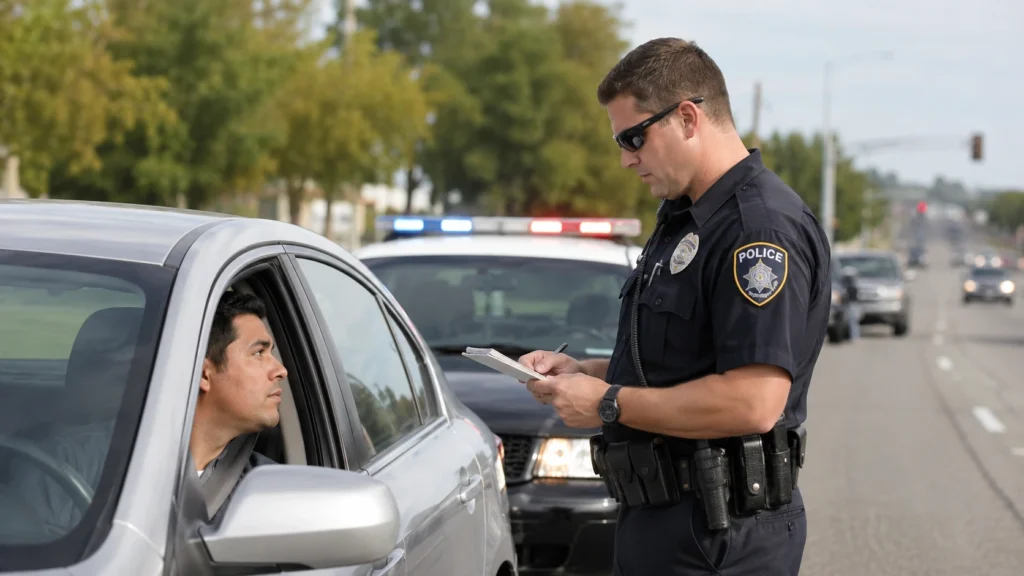
One area where legal awareness makes an especially practical difference is during interactions with law enforcement. Traffic stops can be stressful, and many drivers either say too much or behave in ways that inadvertently complicate their situation. Knowing basic rights, such as the right to remain silent beyond providing identification and documentation, the right to decline a vehicle search without probable cause, and the right to contest a citation in court, can make a significant difference in how a stop unfolds and what happens afterward.
This is also where working with a qualified traffic attorney can be genuinely valuable. Many drivers assume that contesting a ticket is not worth the effort, but in cases involving serious moving violations, license points, or potential insurance consequences, professional legal guidance can protect both your driving record and your financial interests. Understanding that this option exists is part of being a legally literate driver.
The Long-Term Benefits of a Clean Driving Record
A clean driving record is one of the most underappreciated personal assets that most adults carry. Insurance premiums, employment eligibility for certain jobs, and even professional licensing in some fields are all influenced by your driving history. Accumulating points on your license through repeated violations does not just cost money in the short term. It creates a compounding financial and professional burden that can follow a driver for years.
Drivers who understand this long-term picture tend to make different choices in the moment. The decision to slow down, to avoid distracted driving, or to pull over safely rather than rushing through a yellow light is easier to make when you have a clear sense of what is genuinely at stake. Legal awareness transforms abstract rules into concrete personal incentives, which is a far more powerful motivator than simply fearing a ticket.
Building a Culture of Responsible Driving
Individual driving behavior does not exist in isolation. Every choice you make on the road affects other drivers, cyclists, pedestrians, and passengers. When more drivers operate with genuine legal and ethical awareness, the overall driving environment improves. Aggressive driving decreases. Merge conflicts become less common. Intersections function more smoothly. The cumulative effect of many individually responsible drivers is a measurably safer road network.
Parents, in particular, have an opportunity to shape this culture by modeling legally sound driving behavior for their children. Studies in driver education consistently show that young drivers are heavily influenced by the habits of adults they observe before they ever get behind the wheel themselves. Teaching the next generation that traffic laws are meaningful, enforceable, and worth respecting is one of the most lasting contributions any driver can make to road safety.
Traffic law literacy is not a niche interest reserved for lawyers or car enthusiasts. It is a practical life skill that pays dividends in safety, financial stability, and community wellbeing. By taking the time to understand the rules of the road more deeply, to know your rights, and to appreciate the protective purpose behind traffic regulations, you become not just a better driver but a more confident and responsible participant in one of the most complex shared systems in modern daily life. The road is a place where knowledge genuinely saves lives, and that is worth taking seriously.