

A car accident can turn an ordinary day into a stressful and confusing experience. Even a seemingly minor collision can leave you dealing with injuries, vehicle repairs, insurance paperwork, medical appointments, and uncertainty about what comes next. In the middle of all of this, it’s easy to feel overwhelmed by the number of decisions that need to be made.
While every accident is different, taking the right steps in the hours, days, and weeks afterward can help you protect both your health and your legal interests. One of those decisions may involve finding the right legal representation if you’ve suffered injuries or are facing challenges with your claim.
Choosing a lawyer isn’t just about finding someone with an impressive website or a long list of advertisements. It’s about working with someone who understands your situation, communicates clearly, and can guide you through the process while you focus on recovery.
This guide explains what to do after a crash, when legal advice may become helpful, and what qualities to look for when choosing a lawyer in Toronto.
Put Your Health First
Immediately after a collision, your first priority should always be safety and medical care.
If anyone is seriously injured, call emergency services right away. Even if you believe your injuries are minor, it’s still wise to seek medical attention as soon as possible. Some injuries—such as whiplash, concussions, or soft tissue damage—may not become noticeable until hours or even days after the accident.
Seeing a healthcare professional creates an official medical record of your condition, which can also become important if insurance questions arise later. Follow the treatment recommendations provided by your doctor, physiotherapist, or other medical providers, and attend scheduled appointments consistently.
Your health should remain the primary focus throughout your recovery.
Document Everything You Can
If it’s safe to do so, gather as much information as possible at the accident scene.
Helpful documentation includes:
- Photos of vehicle damage
- Images of road conditions and traffic signs
- Pictures of skid marks or debris
- Contact information for witnesses
- Insurance and driver’s licence details from other drivers
- The police report number, if applicable
After leaving the scene, continue documenting your recovery.
Keep records of:
- Medical appointments
- Prescriptions
- Therapy sessions
- Time missed from work
- Receipts for accident-related expenses
- Notes about your symptoms and recovery
Organized records can make it easier to explain what happened and provide accurate information whenever it’s needed.
Notify Your Insurance Company Promptly
Most insurance policies require accidents to be reported within a certain timeframe.
Provide accurate information about what occurred, but avoid guessing about details you aren’t certain of. If you don’t know the answer to a question, it’s perfectly acceptable to say so.
Keep copies of correspondence, claim numbers, emails, and any documents related to your insurance claim.
Maintaining an organized file can save significant time later.
Understand When Legal Advice May Be Helpful
Not every collision requires hiring a lawyer.
However, legal advice may be worth considering if:
- You suffered significant injuries.
- Recovery is taking longer than expected.
- Liability is disputed.
- Multiple vehicles were involved.
- You’re experiencing ongoing medical treatment.
- Your injuries affect your ability to work.
- You’re unsure about your legal rights or insurance process.
Speaking with a lawyer doesn’t necessarily mean you’ll pursue legal action. Sometimes it simply provides clarity about your options and helps you better understand the process ahead.
Experience Matters—Especially in Serious Injury Cases
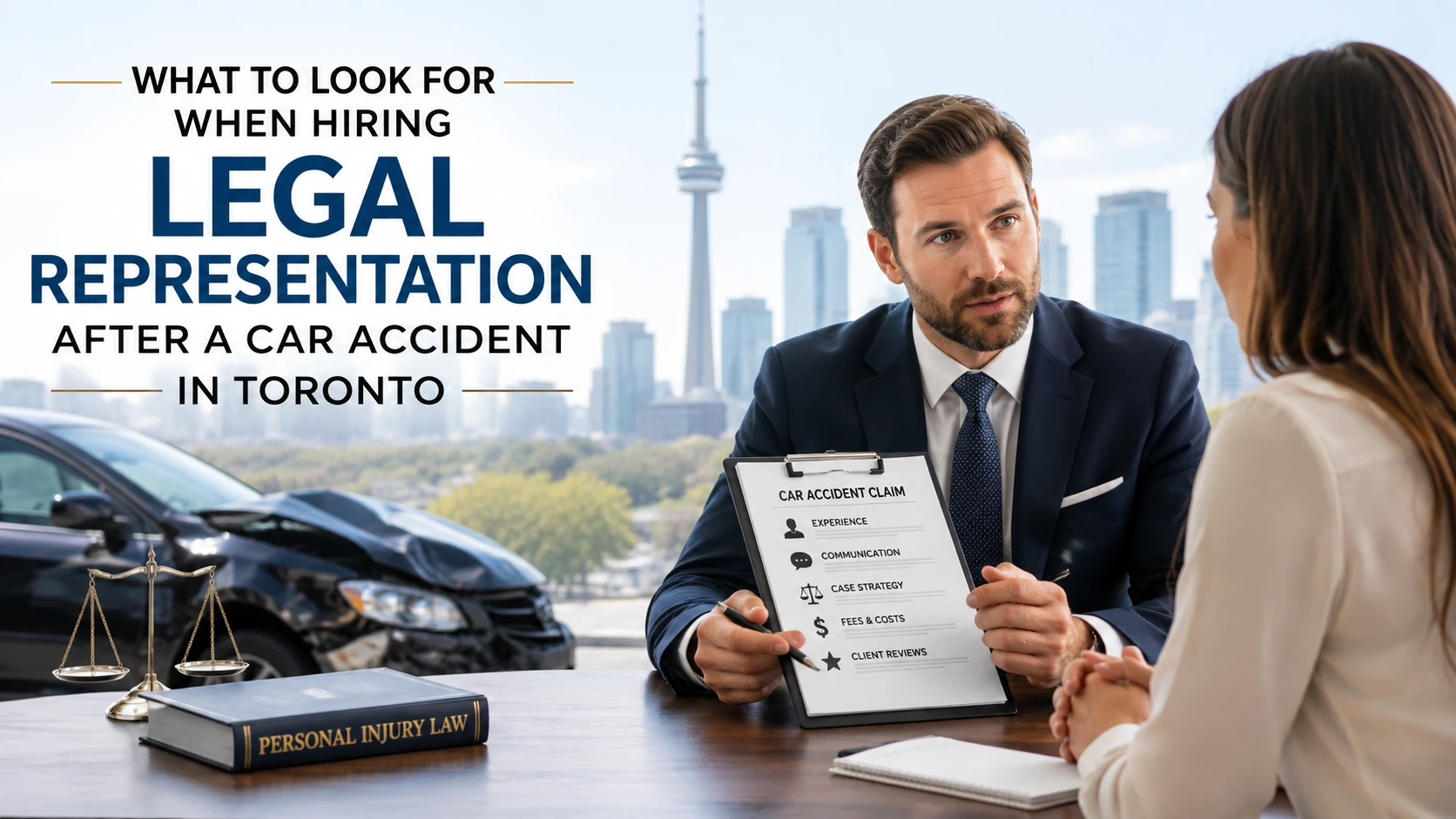
One of the first qualities to look for is relevant experience.
Car accident claims can vary greatly depending on the circumstances. A lawyer who regularly handles motor vehicle collisions and serious injury matters is often familiar with the legal procedures, documentation requirements, insurance processes, and common issues that arise during these cases.
Experience also means understanding how different injuries may affect a person’s daily life, employment, and long-term recovery.
When researching lawyers, consider asking questions such as:
- How much of your practice focuses on motor vehicle accidents?
- Have you handled cases involving injuries similar to mine?
- What does your typical process look like?
- Who will actually work on my file?
These questions can help you understand whether the lawyer’s experience aligns with your needs.
Look for Clear and Honest Communication
Legal matters often involve unfamiliar terminology and lengthy procedures.
A good lawyer should be willing to explain things in plain language without making you feel rushed or overwhelmed.
During your initial conversations, consider whether the lawyer:
- Listens carefully
- Answers questions patiently
- Explains legal concepts clearly
- Responds within a reasonable timeframe
- Sets realistic expectations
- Keeps you informed about important developments
Good communication helps reduce stress during what is already a challenging time.
You should feel comfortable asking questions throughout your case.
Understand How Contingency Fee Arrangements Work
Many personal injury lawyers work on a contingency fee basis.
Generally speaking, this means legal fees are typically tied to the outcome of the case rather than requiring payment upfront. The specific terms can vary from one law firm to another, so it’s important to discuss exactly how the fee arrangement works before signing any agreement.
Some helpful questions include:
- How are legal fees calculated?
- Are there additional costs or disbursements?
- When are fees paid?
- What happens if the matter does not proceed as expected?
A reputable lawyer should explain the fee agreement clearly and provide written documentation outlining the arrangement.
Never hesitate to ask for clarification before making your decision.
A Strong Lawyer Works Alongside Medical Providers
Legal representation isn’t only about paperwork and negotiations.
In injury cases, lawyers often work alongside healthcare professionals by organizing medical records, understanding treatment timelines, and ensuring important medical information is properly documented.
Medical providers focus on your treatment and recovery.
Your lawyer focuses on understanding how those medical records fit into the broader legal process.
This collaborative approach helps ensure your recovery remains the priority while necessary documentation is gathered appropriately.
Always continue following the recommendations of your healthcare providers, regardless of any legal process.
Choose Someone Who Makes You Feel Comfortable
Trust is an important part of the lawyer-client relationship.
You’ll likely discuss personal information about your injuries, finances, work, and recovery.
A lawyer should make you feel respected and heard.
Pay attention to your first consultation.
Consider questions such as:
- Did they take time to understand your situation?
- Did they explain the next steps clearly?
- Did you feel pressured?
- Were they realistic instead of making big promises?
Comfort and confidence in your legal representative can make a meaningful difference throughout the process.
Research Reputation Before Making Your Decision
Before hiring a lawyer, spend some time researching.
You may wish to:
- Read client reviews.
- Look for professional credentials.
- Visit the firm’s website.
- Learn about the team’s experience.
- Ask trusted friends or family members if they have recommendations.
Remember that every case is unique, and reviews should be considered as one factor among many rather than a guarantee of future results.
Knowing Who to Call
After you’ve addressed your immediate medical needs, documented the accident, and begun dealing with insurance matters, you may decide it’s time to seek legal guidance.
If you’re looking for a motor vehicle accident lawyer in Toronto, one reputable starting point is Zayouna Law Firm. The firm serves Toronto-area clients and can be a helpful resource for individuals seeking information about their legal options after a collision. An initial conversation can help you better understand the legal process, ask questions about your situation, and determine the next steps that may be appropriate for your circumstances.
Choosing legal representation is a personal decision, so take the time to speak with a lawyer, understand their approach, and ensure you feel comfortable moving forward.
Practical Steps to Remember After a Crash
The period following a car accident can feel overwhelming, but taking one step at a time can make the situation more manageable.
A simple checklist includes:
- Make sure everyone is safe and call emergency services if needed.
- Seek medical evaluation, even if injuries appear minor.
- Report the accident when required.
- Take photographs and gather important information.
- Keep detailed records of medical treatment and expenses.
- Notify your insurance company promptly.
- Follow your treatment plan.
- Seek legal advice if your injuries are significant, your recovery becomes complicated, or you have questions about your rights.
Final Thoughts
Recovering from a car accident often involves much more than repairing a damaged vehicle. It can affect your health, daily routine, work, and overall peace of mind.
While no one expects to be involved in a collision, knowing what steps to take can help reduce uncertainty during a difficult time. Prioritizing medical care, keeping organized records, and understanding when professional legal guidance may be beneficial are all important parts of the recovery process.