
Ten years ago, the team behind a personal injury case looked very different than it does today. A file would land on a desk, a client would describe what happened, and the attorney would build a case largely from police reports, photographs, and witness statements. That process still happens, but the people doing the early groundwork have changed, and so has the information they work with. Behind every attorney standing in a courtroom today is a growing roster of specialists whose jobs did not exist, at least not in their current form, a decade ago.
The Rise of the Case Manager
One of the clearest shifts in the last ten years has been the expansion of the case manager role. Where a small office once relied on a single paralegal to juggle every open file, larger firms now employ dedicated case managers whose entire job is tracking a claim from intake to settlement. They coordinate medical records requests, monitor treatment timelines, and keep clients informed about where their case stands. This role has become so central that many firms now hire case managers before they hire additional attorneys, recognizing that organized information moves a case faster than legal argument alone. The person answering the phone on a Tuesday afternoon to update a client on their physical therapy records is often doing as much to move a case toward resolution as anyone with a law degree.
Data Specialists Enter the Room
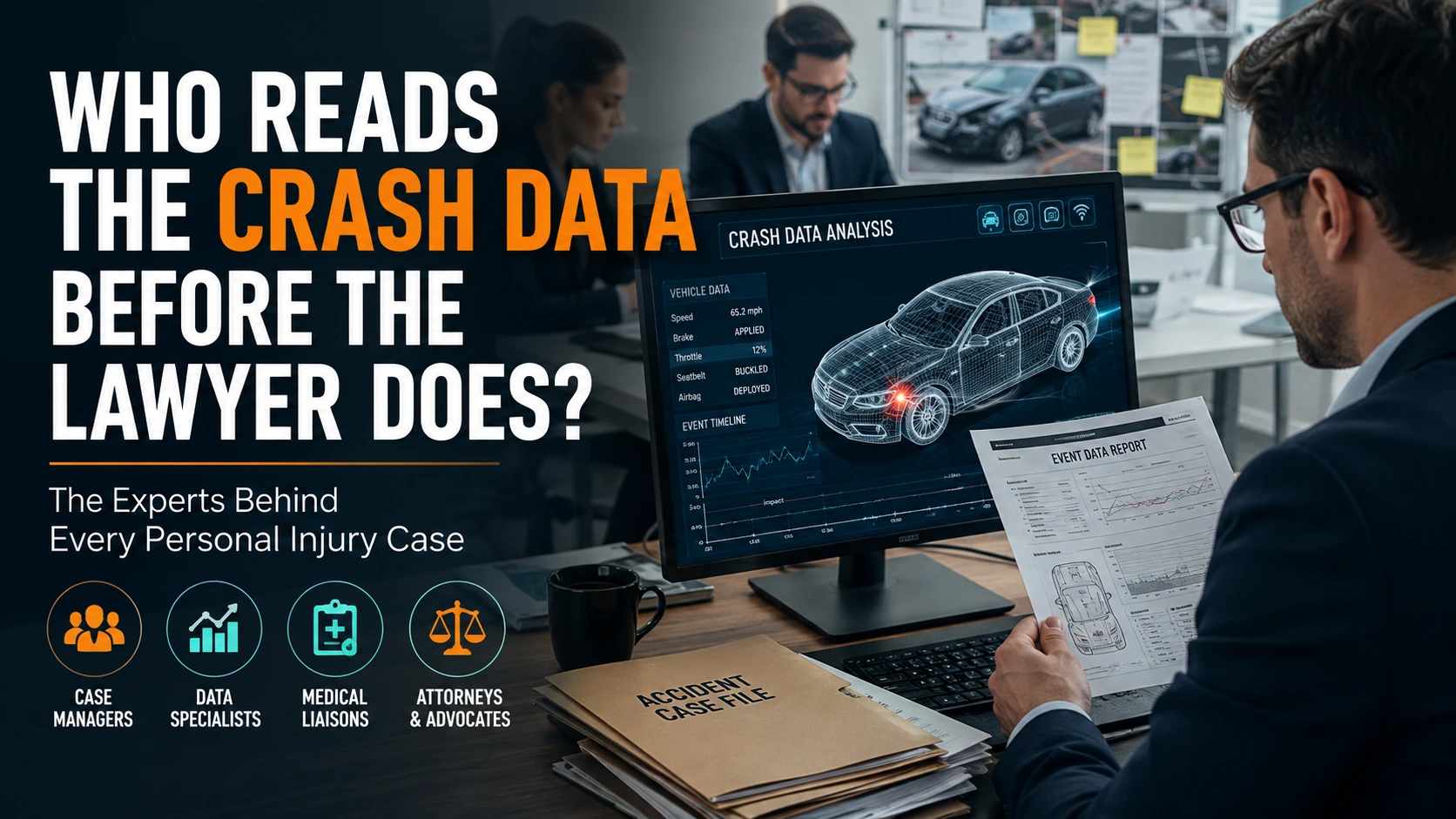
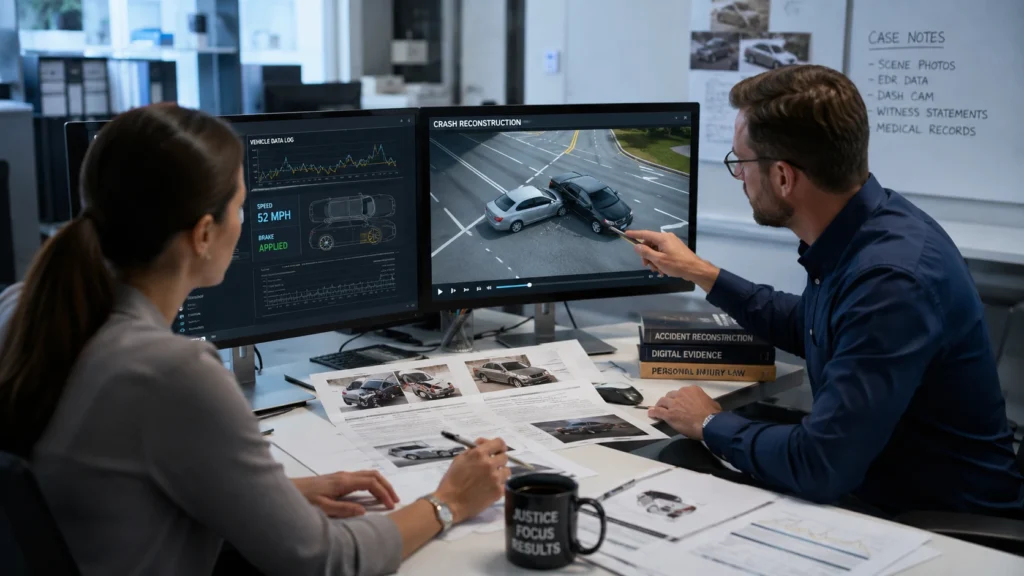
Perhaps the most significant career addition to personal injury practices has been the data specialist, sometimes called an accident reconstruction analyst or telematics consultant. A decade ago, determining fault relied heavily on eyewitness accounts and skid mark measurements. Today, modern vehicles generate enormous amounts of information through event data recorders, and many drivers carry dash cameras or use navigation apps that log speed and location. Someone on the legal team now has to know how to read that data, translate it into something a judge or insurance adjuster can understand, and present it clearly. This has created a genuine career path for people with backgrounds in engineering or computer science who never expected to end up working alongside attorneys. Firms that once relied entirely on outside experts for this work increasingly keep specialists on staff or on retainer, because the volume of digital evidence in modern claims has made it a near-constant need rather than an occasional one.
Medical Liaisons and the Growth of a New Specialty
Another role that has grown substantially is the medical liaison, a position dedicated to bridging the gap between a client’s treatment and the legal narrative of their injury. Ten years ago, this function was often handled informally by whichever paralegal had the most patience for chasing down hospital records. Now it is frequently its own job, filled by people with nursing backgrounds or medical billing experience who understand how to read a chart, spot gaps in treatment, and explain to a jury why a client stopped seeing a specialist for three weeks. The demand for this expertise has grown alongside the complexity of modern medical billing and insurance coordination. The Bureau of Labor Statistics tracks employment trends across paralegal and legal support occupations, and the steady growth in that category reflects how much personal injury work now depends on people who understand both law and medicine well enough to translate between them.
The Attorney’s Role Has Narrowed and Deepened
With all of this specialized support surrounding them, the attorney’s own role has shifted too. A person searching for a car accident attorney today is often meeting someone who spends less time on administrative fact gathering and more time on strategy, negotiation, and courtroom preparation. The heavy lifting of assembling records and interpreting technical data increasingly happens before a case ever reaches the attorney’s desk in finished form. This has allowed lawyers to specialize further within personal injury practice itself, with some focusing almost entirely on catastrophic injury cases, others on complex multi-vehicle collisions, and others on negotiating directly with insurance carriers. The generalist who handled every type of claim personally, from intake through trial, has become less common at firms that have built out these supporting teams. The result is a practice where the attorney functions more like the head of a coordinated group than a solo operator, even in firms that remain modest in size.
What This Means for the People Entering the Field Now
For someone considering a career in personal injury law today, the entry points look different than they did a decade ago. A person might come into the field through a technical background, spend years learning how to interpret vehicle data or medical records, and build an entire career without ever taking a bar exam. Others still follow the traditional path toward becoming an attorney but do so with the expectation that they will spend their early years working closely with these newer specialists rather than handling every task alone. Law schools and paralegal programs have begun adjusting their coursework to reflect this reality, adding modules on digital evidence and medical record analysis that were not standard offerings ten years ago. The career ladder within a personal injury practice now has more rungs, and more of them lead somewhere meaningful.
The transformation of who does what inside a personal injury practice has not changed the fundamental purpose of the work, which remains helping people recover after a serious collision. What has changed is the depth of expertise now required to do that work well, and the range of careers that have opened up as a result. A firm today succeeds not because one person knows everything, but because a team of people, each skilled in a different piece of the puzzle, know how to work together toward the same outcome for a client who needed help and found a group ready to provide it.