

Finding the right apartment takes more than choosing a place that looks good in photos. A rental should fit your budget, location, lifestyle, and everyday needs while also meeting reasonable standards for safety and maintenance. Whether you’re moving for work, looking for a larger space, or simply ready for a change, taking the time to compare your options can help you avoid expensive surprises later.
Many renters begin their search by looking for “apartments near me for rent.” While online listings are a useful starting point, finding the ideal rental requires more than scrolling through photos. You also need to research the neighborhood, inspect the property, understand the lease, and consider the total cost of living there.
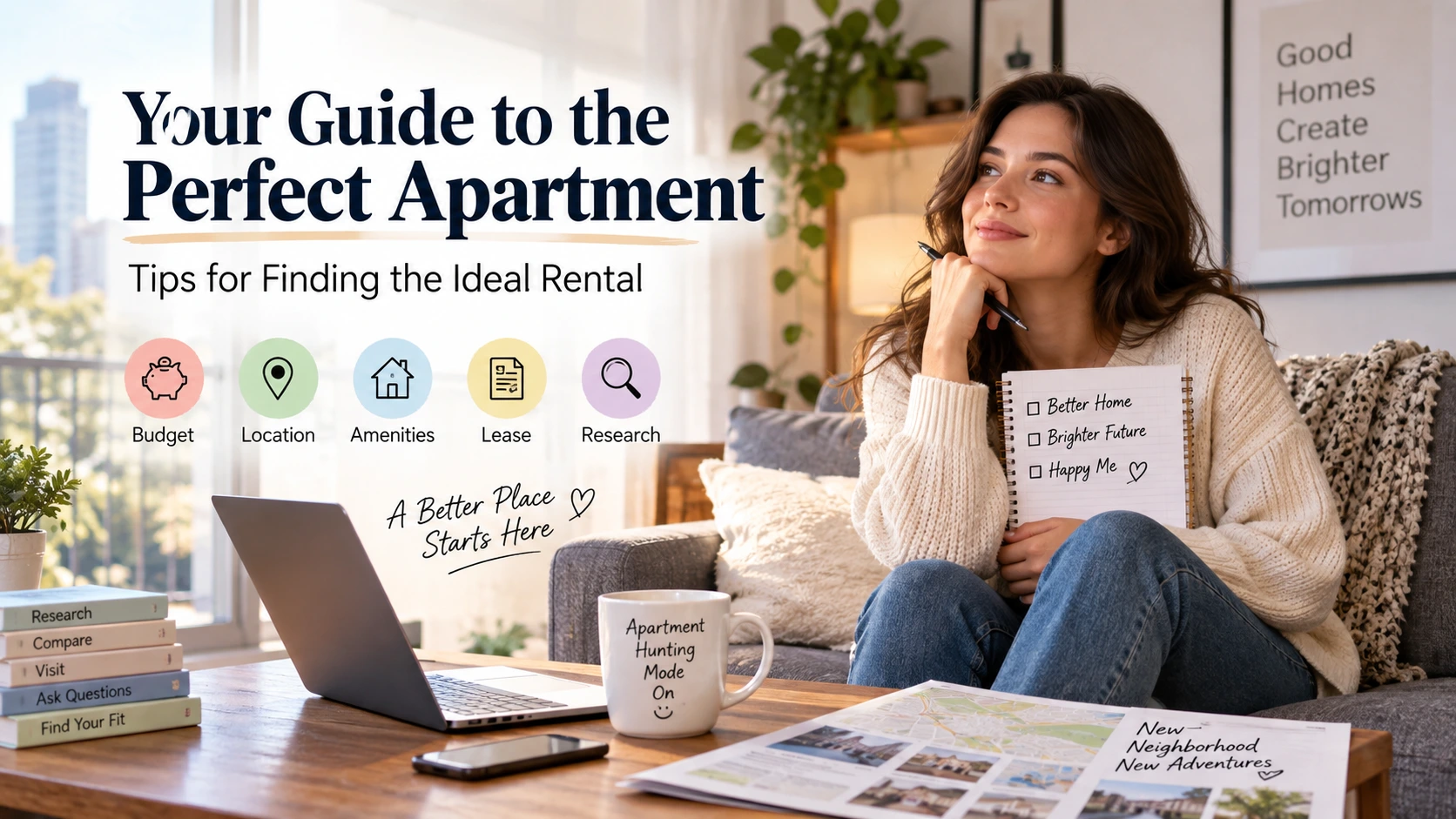
Determine What You Need in an Apartment
Before you start contacting landlords or scheduling apartment tours, make a list of your priorities. Knowing what you actually need can make the search more focused and prevent you from choosing a property simply because it looks attractive.
- Budget: Set a realistic monthly housing budget and consider more than the advertised rent. Factor in utilities, internet, parking, deposits, maintenance responsibilities, and other recurring expenses.
- Size and Layout: Think about how much space you really need. Consider bedrooms, bathrooms, storage, natural light, and whether the layout works with your furniture and daily routine.
- Location: Consider your commute and access to public transportation, grocery stores, schools, healthcare, restaurants, parks, and other places you regularly visit.
- Must-Have Features: Decide which features are essential. These might include parking, laundry facilities, air conditioning, an elevator, outdoor space, pet-friendly policies, or reliable internet access.
- Lifestyle: Think about noise levels, nearby traffic, building rules, pets, guests, and the general atmosphere of the neighborhood.
Quick Tip: Separate Needs From Wants
Before viewing apartments, divide your list into three categories: must-haves, nice-to-haves, and deal-breakers. This makes it easier to compare properties objectively instead of choosing based only on appearance.
Research Apartments and Neighborhoods
Once you know what you’re looking for, start comparing properties and the areas where they’re located. Don’t judge an apartment based solely on its listing. Research can reveal important details that aren’t obvious from photographs or a short property description.
- Online Portals: Rental websites and apartment platforms can help you compare prices, locations, floor plans, amenities, and availability.
- Local Sources: Local newspapers, community boards, and neighborhood groups may sometimes feature rental opportunities that aren’t listed on major platforms.
- Research the Neighborhood: Look beyond the apartment itself. Check commute times, nearby services, transportation options, parking conditions, and the general environment.
- Compare the Total Cost: A cheaper apartment isn’t necessarily the better deal if it has expensive utilities, parking charges, application fees, or other additional costs.
- Visit in Person: Photos can help create a shortlist, but an in-person viewing lets you assess the actual size, condition, noise level, lighting, and overall feel of the property.
Don’t Judge an Apartment by Photos Alone
Photos can make rooms appear larger or brighter than they actually are. During a viewing, pay attention to the property’s real condition, natural light, noise, storage space, and the condition of shared areas.
Watch for Rental Apartment Red Flags
Finding an apartment you like can be exciting, but don’t let that excitement cause you to overlook warning signs. A property that appears attractive online may have problems that only become obvious after closer inspection.
- An Unusually Low Price: If the rent is dramatically lower than similar properties in the same area, find out why. An unusually attractive deal can sometimes come with hidden problems or additional costs.
- Unclear Lease Terms: Important details about rent, deposits, fees, repairs, renewals, restrictions, or termination should not be vague.
- Poor Maintenance: Water stains, damaged fixtures, broken appliances, pests, or neglected common areas can indicate ongoing maintenance problems.
- Pressure to Pay or Sign Immediately: Be cautious if you’re being pushed to make a decision before you’ve had enough time to inspect the property and review the agreement.
- Unresponsive Management: Pay attention to how the landlord or property manager communicates during the search. Poor communication can become even more frustrating when you need repairs later.
Rental Red Flags Checklist
- Rent is far below similar properties without a clear reason
- Important fees aren’t disclosed clearly
- The landlord refuses reasonable questions
- You’re pressured to pay or sign immediately
- The property has obvious unresolved damage
- The lease contains unclear or missing terms
Inspect the Apartment Before Signing
An apartment viewing should be more than a quick walk through the rooms. Take your time and look for problems that could affect your comfort, safety, or future expenses.
- Walls, Ceilings, and Floors: Look for cracks, stains, dampness, water damage, damaged flooring, or signs that repairs may have been poorly completed.
- Plumbing: Test faucets and showers, check water pressure, flush toilets, and look underneath sinks for leaks or signs of water damage.
- Appliances: If appliances are included, check that major items such as the refrigerator, oven, stove, dishwasher, washer, and dryer are working as expected.
- Electrical Systems: Test lights and, where appropriate, electrical outlets. Look for obvious electrical problems such as damaged outlets or flickering lights.
- Heating and Cooling: Find out how the apartment is heated and cooled and test the available systems if possible.
- Windows and Doors: Make sure windows and doors open, close, and lock properly. Check for damaged frames or obvious gaps.
- Safety Features: Check locks, smoke detectors, and other available safety features. Ask about building security when appropriate.
- Amenities: If the building advertises a gym, pool, laundry room, parking area, storage space, or other amenities, check their condition and ask whether additional fees apply.
Apartment Viewing Checklist
- ☐ Check walls, ceilings, and floors
- ☐ Test faucets and water pressure
- ☐ Check toilets for proper flushing
- ☐ Test included appliances
- ☐ Check lights and outlets
- ☐ Test heating and cooling if possible
- ☐ Check windows and door locks
- ☐ Look for signs of pests or water damage
- ☐ Ask about parking and amenities
- ☐ Check noise levels
Document Existing Problems
If you decide to rent the apartment, document its condition before moving your belongings inside. Take clear photographs or videos of existing damage, stains, scratches, broken fixtures, or other issues and keep those records with your lease documents.
If the landlord or property manager provides a move-in inspection or condition report, complete it carefully. Don’t assume that a small problem isn’t worth recording. A small mark or damaged fixture can be easy to forget months later.
Before Moving In
Take dated photos or videos of every existing issue, keep copies of inspection reports, and save important messages with the landlord or property manager. If repairs are promised before move-in, ask for the agreement in writing.
Understand the Lease Agreement
A lease agreement is a binding document that explains important rights and responsibilities for both the tenant and landlord. Read the entire agreement before signing and ask about anything you don’t understand.
- Lease Duration: Check whether the agreement is month-to-month, fixed-term, or another arrangement. Understand what happens when the initial term ends.
- Rent and Deposits: Confirm the monthly rent, due date, security deposit, application fees, late fees, and any other charges.
- Utilities: Determine exactly which utilities are included and which ones you will need to pay separately.
- Maintenance Responsibilities: Understand who is responsible for repairs, routine maintenance, and emergency issues.
- Restrictions: Check policies concerning pets, guests, smoking, alterations, subletting, parking, and other activities.
- Renewal and Ending the Lease: Look for renewal provisions, notice requirements, early termination rules, and any penalties that may apply.
Before You Sign
Don’t sign a lease simply because you are worried someone else will take the apartment. Make sure you understand the rent, deposits, fees, utilities, maintenance responsibilities, restrictions, renewal terms, and move-out requirements first.
Ask Questions Before You Commit
A good apartment viewing is also an opportunity to ask questions. Don’t hesitate to ask the landlord or property manager about anything that could affect your decision.
- How much will the total monthly cost be after utilities and other fees?
- What is included in the rent?
- How are maintenance requests handled?
- Who should be contacted for an emergency repair?
- Is parking included, and is there an additional charge?
- Are pets allowed, and are there additional pet fees or restrictions?
- What are the rules regarding guests?
- How much notice is required before moving out?
- Are there any planned repairs, renovations, or changes to the building?
Questions Worth Asking
If an answer affects your finances, comfort, or ability to live in the apartment, don’t leave it to assumption. Ask directly and, when appropriate, make sure important agreements are included in writing.
Consider Negotiating the Rental Terms
The advertised rental price isn’t necessarily the only part of the agreement that can be discussed. Whether negotiation is possible depends on the landlord, property, local rental market, and circumstances, but it can be worth asking politely.
- Rent: Ask whether there is flexibility in the monthly rent, particularly when you are prepared to sign a longer lease.
- Lease Length: Some landlords may be more flexible about pricing or other terms for a longer commitment.
- Included Services: If the rental price cannot be reduced, ask whether certain utilities, parking, storage, or other features can be included.
- Repairs Before Move-In: If you notice problems during the inspection, ask whether they can be repaired before you move in and get any agreed repairs documented in writing.
Negotiation Tip
If the rent isn’t negotiable, consider asking about other terms that may have value, such as parking, included utilities, storage, move-in timing, or repairs before occupancy.
Compare Your Final Choices Carefully
When you have several promising apartments, compare them using the same criteria instead of relying on memory. Look at total monthly costs, location, size, condition, amenities, lease terms, maintenance, and any compromises you would have to make.
A slightly more expensive apartment may ultimately provide better value if it has lower utility costs, a better location, included parking, stronger maintenance, or features that would otherwise cost extra.
Final Comparison
- Monthly cost: Rent + utilities + additional fees
- Location: Commute + nearby services + transportation
- Condition: Repairs + cleanliness + maintenance
- Features: Parking + storage + appliances + amenities
- Lease: Length + restrictions + renewal + move-out terms
Frequently Asked Questions About Finding an Apartment
What should I look for when viewing an apartment?
Check the property’s overall condition, plumbing, appliances, electrical outlets, heating and cooling, windows, doors, locks, storage, and safety features. Also look for signs of water damage, mold, pests, or poor maintenance.
What questions should I ask before renting an apartment?
Ask about rent, utilities, deposits, additional fees, maintenance, parking, pets, guests, lease length, renewal terms, and the process for ending the lease. If anything in the agreement is unclear, ask for an explanation before signing.
How can I avoid problems after moving into an apartment?
Document the property’s condition before moving in. Take dated photographs or videos of existing damage and keep copies of inspection reports, correspondence, and other important rental documents.
What are common red flags when looking for an apartment?
Common warning signs include unclear lease terms, poor property maintenance, unexplained damage, signs of pests or water problems, unresponsive management, unexpected fees, and pressure to sign or pay before you’ve had enough time to review the rental.
Should I visit an apartment before signing the lease?
Whenever possible, yes. An in-person visit lets you assess the actual condition, layout, noise level, surroundings, and functionality of important features that may not be obvious from online photographs.
Is the cheapest apartment always the best option?
Not necessarily. Compare the total cost of each rental, including utilities, parking, deposits, fees, transportation, and other recurring expenses. A slightly more expensive apartment may provide better overall value if it better matches your needs and has fewer hidden costs.
Final Thoughts
Finding the perfect apartment is less about finding a property that looks impressive and more about finding one that works for your budget, lifestyle, location, and long-term plans. Take your time, compare multiple options, inspect the property carefully, ask questions, and read the lease before signing.
With so many apartments available, it can be tempting to make a quick decision when you find a place you like. However, a careful search can help you avoid unnecessary costs and unpleasant surprises. By knowing your priorities and doing your homework before committing, you’ll be in a much better position to choose a rental that genuinely feels like the right fit.