Goats are known to be curious creatures that will eat just about anything they can get their mouths on. As such, many goat owners may be wondering if their goats can safely consume lettuce. The answer is yes, goats can eat lettuce, but there are some important things to keep in mind.
Firstly, it’s important to note that lettuce should not make up a significant portion of a goat’s diet. While it is safe for them to eat in moderation, lettuce is not particularly nutritious and does not provide all the necessary nutrients that goats need to thrive. Additionally, too much lettuce can cause digestive issues such as diarrhea, so it’s important to feed it in moderation.

Understanding Goat Diets
Goats are herbivores and their diet primarily consists of plant material. As such, it’s important to understand their basic nutritional needs and the common foods they eat.
Basic Nutritional Needs
Goats require a balanced diet that consists of fiber, protein, energy, vitamins, and minerals. They also need access to clean water at all times.
Fiber is an essential component of a goat’s diet as it aids in digestion and prevents digestive problems. Good sources of fiber for goats include hay, grass, and browse.
Protein is necessary for muscle development and growth. Goats can obtain protein from legumes, such as alfalfa, as well as from other plant sources like soybean meal and cottonseed meal.
Energy is important for goats to maintain their body temperature and perform daily activities. Carbohydrates are the primary source of energy for goats and can be found in grains such as corn, oats, and barley.
Vitamins and minerals are also necessary for goats to maintain good health. Goats need vitamins A, D, and E, as well as minerals such as calcium, phosphorus, and selenium. These can be obtained from a balanced diet and/or supplements.
Common Foods Goats Eat
Goats are known for their ability to eat a wide variety of plant material. Some common foods that goats eat include:
- Hay: Goats can eat different types of hay, such as alfalfa, timothy, and clover.
- Grass: Goats can graze on different types of grass, including Bermuda, fescue, and ryegrass.
- Browse: Goats enjoy eating leaves, twigs, and branches from trees and shrubs. Common browse plants include blackberry, raspberry, and willow.
- Grains: Goats can eat grains such as corn, oats, and barley. However, it’s important to feed them in moderation as too much grain can cause digestive problems.
- Vegetables: Goats can eat a variety of vegetables, including lettuce, kale, and carrots. However, some vegetables should be avoided, such as potatoes and tomatoes.
In conclusion, understanding a goat’s basic nutritional needs and the common foods they eat is important for their health and well-being. Providing a balanced diet and access to clean water is essential for keeping goats healthy.
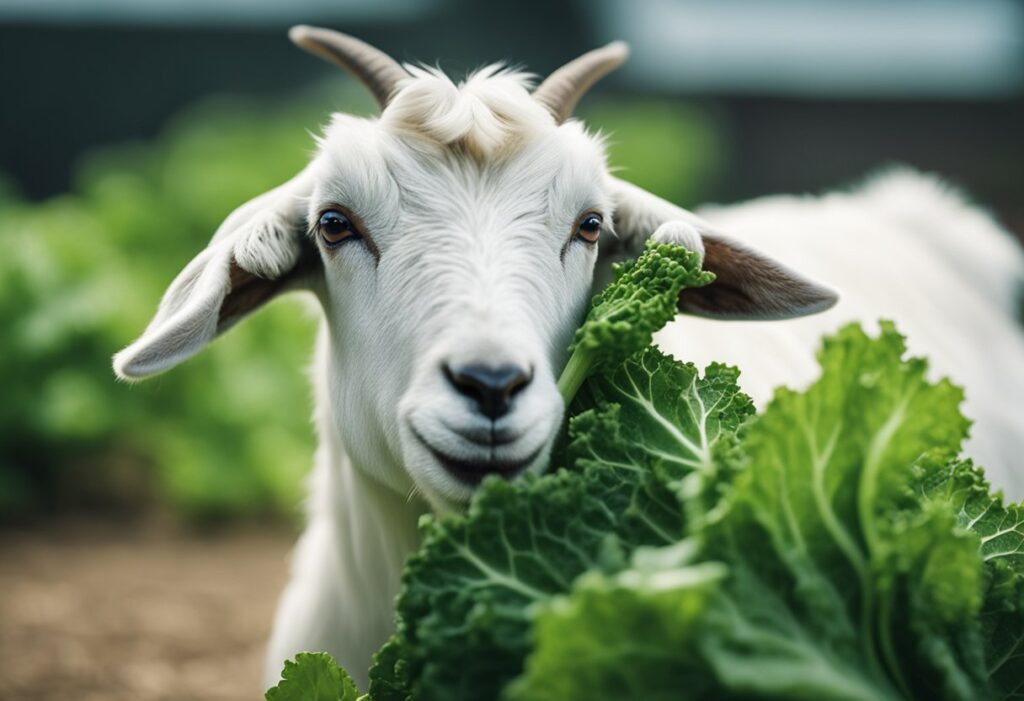
Can Goats Eat Lettuce?
Lettuce is a leafy vegetable that is commonly consumed by humans. However, can goats eat lettuce? The answer is yes, goats can eat lettuce. Lettuce is safe for goats to eat in moderation, as long as it is fresh and free from pesticides.
Lettuce is a good source of vitamins A and C, as well as fiber. It is also low in calories, making it a healthy addition to a goat’s diet. However, it is important to note that lettuce should not be the main source of a goat’s nutrition.
When feeding lettuce to goats, it is important to introduce it slowly and in small amounts. Goats have sensitive digestive systems, and sudden changes in their diet can cause digestive upset. It is also important to wash the lettuce thoroughly to remove any dirt or debris.
In summary, goats can eat lettuce as part of a balanced diet. However, it should not be the main source of their nutrition, and should be introduced slowly and in small amounts to avoid digestive upset.
Benefits of Lettuce for Goats
Lettuce is a nutritious food that can benefit goats in several ways. Here are some of the benefits of feeding lettuce to goats:
- Provides hydration: Lettuce has a high water content, which can help keep goats hydrated. This is especially important during hot weather or if the goats are not drinking enough water.
- Rich in vitamins and minerals: Lettuce is a good source of vitamins A and C, as well as minerals such as calcium and potassium. These nutrients are important for maintaining good health and preventing diseases.
- Helps with digestion: Lettuce contains fiber, which can help regulate digestion and prevent constipation in goats. It can also promote the growth of beneficial gut bacteria.
- Low in calories: Lettuce is a low-calorie food, which can be beneficial for goats that are overweight or prone to obesity. It can be used as a healthy treat or supplement to their regular diet.
Overall, feeding lettuce to goats can be a healthy and nutritious addition to their diet. However, it should be given in moderation and as part of a balanced diet to avoid any negative effects.
Potential Risks of Feeding Lettuce to Goats
Feeding lettuce to goats can be risky in some situations. Although lettuce is not toxic to goats, it can cause some health problems if fed in large quantities or under certain conditions.
One of the main risks of feeding lettuce to goats is the potential for digestive problems. Lettuce contains a high amount of water and fiber, which can cause diarrhea and bloating in goats if consumed in large amounts. Additionally, lettuce can interfere with the absorption of nutrients from other foods, which can lead to malnutrition if fed in excess.
Another risk of feeding lettuce to goats is the potential for contamination. Lettuce can be contaminated with harmful bacteria such as E. coli and Salmonella, which can cause serious health problems in goats if ingested. It is important to thoroughly wash and inspect lettuce before feeding it to goats to reduce the risk of contamination.
In summary, while lettuce is not toxic to goats, it should be fed in moderation and under controlled conditions to avoid potential health problems. It is important to monitor the amount of lettuce consumed by goats and to ensure that it is free from contamination.
How to Properly Feed Lettuce to Goats
When feeding lettuce to goats, it is important to do so in moderation. Lettuce should not make up a large portion of their diet, but can be given as a treat or supplement.
It is important to wash the lettuce thoroughly before feeding it to the goats. This can help remove any dirt or pesticides that may be on the leaves. It is also recommended to chop the lettuce into small pieces to make it easier for the goats to eat.
Goats should not be fed lettuce that is wilted or spoiled. This can cause digestive issues and may make the goats sick. Additionally, lettuce that is high in oxalates, such as romaine lettuce, should be fed in moderation as it can cause kidney damage in large quantities.
Overall, lettuce can be a healthy addition to a goat’s diet when fed in moderation and prepared properly.
Alternatives to Lettuce for Goats
When it comes to feeding goats, it’s important to provide them with a variety of foods to ensure they are getting all the necessary nutrients. While lettuce can be a good addition to their diet, there are also several other options that can be used as alternatives.
One alternative to lettuce is kale. Kale is a nutrient-dense leafy green that is high in vitamins A, C, and K, as well as calcium, iron, and antioxidants. Goats tend to enjoy the taste of kale and it can be fed to them either raw or cooked.
Another option is spinach. Like kale, spinach is a nutrient-dense leafy green that is high in vitamins A, C, and K, as well as iron and antioxidants. Goats also tend to enjoy the taste of spinach and it can be fed to them either raw or cooked.
In addition to leafy greens, goats can also be fed other vegetables such as carrots, beets, and squash. These vegetables are high in vitamins and minerals and can be fed to goats either raw or cooked.
It’s important to note that while these alternatives can be fed to goats, they should still be given in moderation as part of a balanced diet. Too much of any one food can be harmful to a goat’s health.
Conclusion
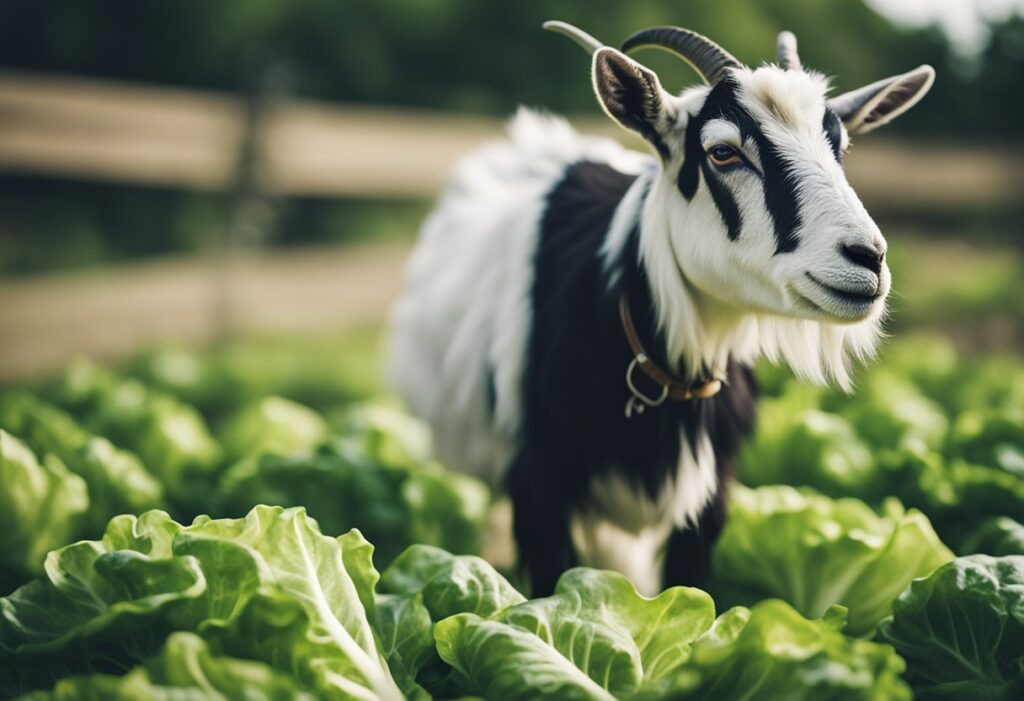
In conclusion, goats can eat lettuce as part of their diet. However, it should not be the main source of food for them. Goats are ruminants and require a diet that is high in fiber, so it is important to provide them with hay or other types of roughage.
While lettuce is not harmful to goats, it should be given in moderation. Goats require a balanced diet that includes a variety of foods, including grains, fruits, vegetables, and minerals. Too much of any one type of food can cause digestive problems and lead to health issues.
It is important to note that not all types of lettuce are safe for goats to eat. Iceberg lettuce, for example, has very little nutritional value and can cause digestive problems for goats. It is best to stick to leafy greens such as romaine lettuce or kale.
Overall, if you want to give your goats lettuce as a treat, it is safe to do so as long as it is given in moderation and as part of a balanced diet. As with any type of food, it is important to monitor your goats’ health and behavior to ensure that they are not experiencing any negative effects from their diet.
Frequently Asked Questions
What can goats eat besides lettuce?
Goats can eat a variety of foods besides lettuce, including hay, grass, grains, and vegetables. It is important to ensure that their diet is balanced and meets their nutritional needs.
Can goats eat celery?
Yes, goats can eat celery. It is a good source of fiber and nutrients for them.
Can goats eat carrots?
Yes, goats can eat carrots. They are a good source of vitamins and minerals.
Can goats eat spinach?
Yes, goats can eat spinach. It is a good source of vitamins and minerals for them.
What kind of greens can goats eat?
Goats can eat a variety of greens, including kale, collard greens, and beet greens. However, it is important to introduce new foods gradually to avoid digestive issues.
What can I not feed my goat?
Goats should not be fed foods that are toxic to them, such as avocado, chocolate, and rhubarb. They should also not be fed moldy or spoiled food, as this can cause health problems.