Seasonal changes often bring more than shifting temperatures and longer days. They also create conditions that encourage pests to move closer to homes and outdoor living spaces. Increased spring moisture, heavy summer humidity, and cooler fall weather can all trigger different types of infestations. Homeowners who ignore these changes may deal with structural damage, contaminated storage areas, and reduced comfort around the property.
Pest problems can also affect how families use their yards during warmer months. Mosquitoes, ticks, and spiders tend to thrive in shaded areas with excess moisture or overgrown vegetation. Regular home maintenance helps reduce these risks before they become serious issues. Simple improvements such as trimming shrubs, repairing cracks, and cleaning gutters can make a major difference throughout the year.
Summer Pest Problems: Spiders, Mosquitoes, and Ticks Around the Yard
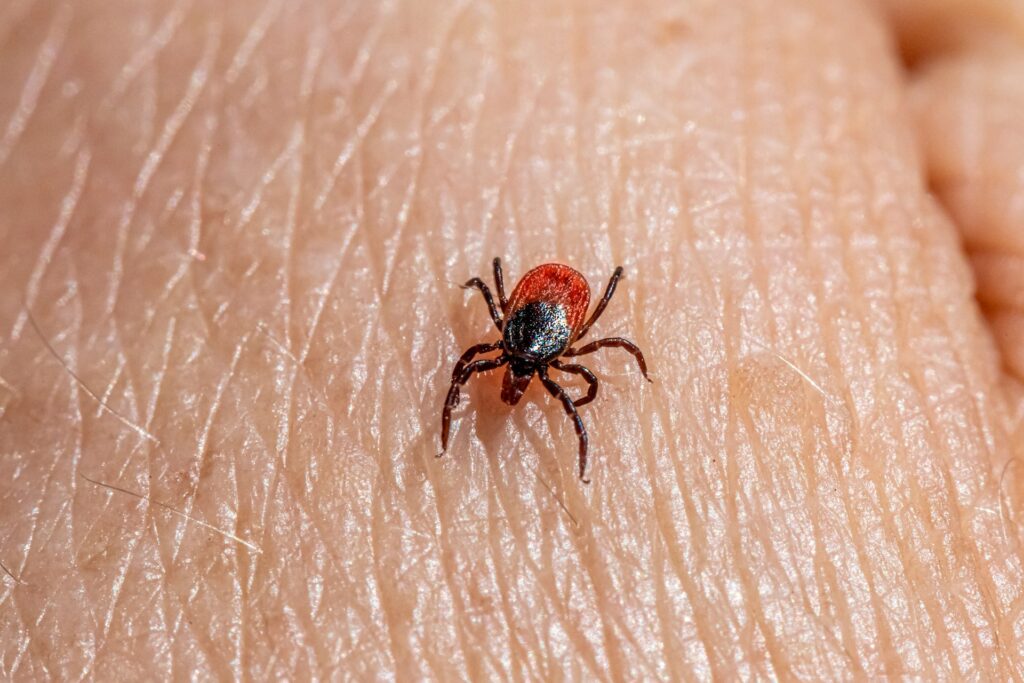
Summer weather often increases pest activity around outdoor living spaces. During periods of extreme heat, brown recluse spiders and wolf spiders become more noticeable around garages, sheds, woodpiles, and storage spaces. At the same time, yards with standing water, shaded corners, and overgrown grass create ideal conditions for mosquitoes and ticks to thrive. These outdoor conditions allow pest activity to spread quickly across heavily used areas of the yard.
Ticks are especially common near dense vegetation, wooded areas, and poorly maintained landscaping where moisture levels remain high. Because tick activity can increase rapidly in these environments, many homeowners seek reliable ways to make their yards safer for children, pets, and everyday outdoor use. If you are looking for a company that offers tick control service, there are plenty of options available. Choosing a professional service can help reduce tick activity in high-risk areas and make outdoor spaces more comfortable throughout the season.
Winter Pest Problems: Hidden Indoor Infestations
Winter weather often drives pests deeper indoors as they search for warmth, food, and protected nesting areas. During colder months, homeowners may notice increased activity in attics, basements, garages, and storage spaces where pests can remain hidden for long periods. Spiders frequently settle in undisturbed corners, while ants may appear near kitchens or moisture-prone areas inside the home. Wildlife can also enter crawl spaces or attic areas through small exterior openings during freezing temperatures.
Homeowners should inspect storage areas regularly and seal cracks around doors, windows, and utility lines to reduce indoor pest activity. Keeping indoor spaces dry, organized, and clutter-free can also help prevent hidden winter infestations from becoming larger problems later in the year.
Spring Pest Problems: Termites and Ants Become Active
Spring rain and rising temperatures create damp conditions that attract termites and ants to homes. Moisture collects around foundations, crawl spaces, decks, and basements, giving pests easy access to wooden structures and hidden entry points. Termites can weaken support beams and flooring over time, while ants often spread quickly through kitchens, bathrooms, and wall cavities in search of food and water.
Homeowners should pay close attention to signs of early activity during spring. Mud tubes near foundations, hollow-sounding wood, and small piles of debris may indicate termite activity. Ant trails around sinks or windows can also indicate an infestation in progress. Reducing standing water, repairing leaks, and keeping mulch away from exterior walls can help lower the risk of seasonal pest activity.
Fall Pest Problems: Wildlife Searching for Shelter
As temperatures begin to drop, wildlife starts looking for warm and protected spaces near homes. Squirrels, raccoons, and other pests often move closer to attics, crawl spaces, sheds, garages, and landscaped areas during the fall season. These pest problems can quickly become disruptive if homeowners do not act early. In many cases, wildlife can damage insulation, wiring, lawns, and stored belongings, and create sanitation concerns around the property and indoors.
Homeowners should watch for scratching noises, damaged insulation, overturned trash bins, and burrows near foundations. Wildlife activity may also leave behind strong odors or visible entry points around the roofline and exterior walls. Securing garbage, trimming branches away from the roof, and inspecting outdoor structures can help reduce the risk of seasonal wildlife problems around the property. Regular attic and crawl space inspections are especially helpful during the colder months when animals are more likely to move indoors.
Landscaping Issues That Attract Seasonal Pests
Poor landscaping maintenance often creates ideal conditions for pests year-round. Overgrown shrubs, tall grass, leaf piles, and excess mulch provide shelter for unwanted pests. Damp areas around the yard can also encourage insects to breed and spread closer to outdoor seating areas, decks, and patios. Properties with dense vegetation near the home may experience higher pest activity because pests can move easily between outdoor and indoor spaces.
Homeowners can reduce pest activity by maintaining a clean, organized yard. Trimming bushes away from the home improves airflow and reduces hiding spaces for pests. Removing debris, properly storing firewood, and improving drainage also make the property less attractive to insects and nuisance wildlife. Seasonal yard cleanup is equally important because neglected outdoor areas can quickly become breeding grounds for pests after storms or heavy rainfall.
Structural Problems That Allow Pests Indoors
Small structural issues often give pests easy access to indoor spaces. Cracks in foundations, damaged screens, loose siding, and gaps around windows or utility lines can allow insects and wildlife to enter unnoticed. Once inside, pests may spread into attics, basements, kitchens, and wall spaces, making them harder to remove.
Routine inspections help homeowners identify these problems before infestations grow. Sealing cracks, replacing worn weather stripping, and repairing damaged vents can significantly reduce entry points around the home. Homeowners should also check door sweeps and window seals regularly, especially after severe weather or seasonal temperature changes that may weaken exterior materials over time.
Protecting Your Home Through Every Season
Seasonal pest problems can affect nearly every part of a home, from outdoor living spaces to hidden structural areas. Changes in temperature, moisture, and landscaping conditions all influence pest activity throughout the year. Homeowners who stay proactive often avoid the larger problems that come with untreated infestations and property damage.
Regular inspections, proper landscaping care, and routine maintenance create a stronger defense against pests throughout the seasons. Addressing small warning signs early can help homeowners protect their property, improve safety, and maintain a more comfortable living environment for their families.