
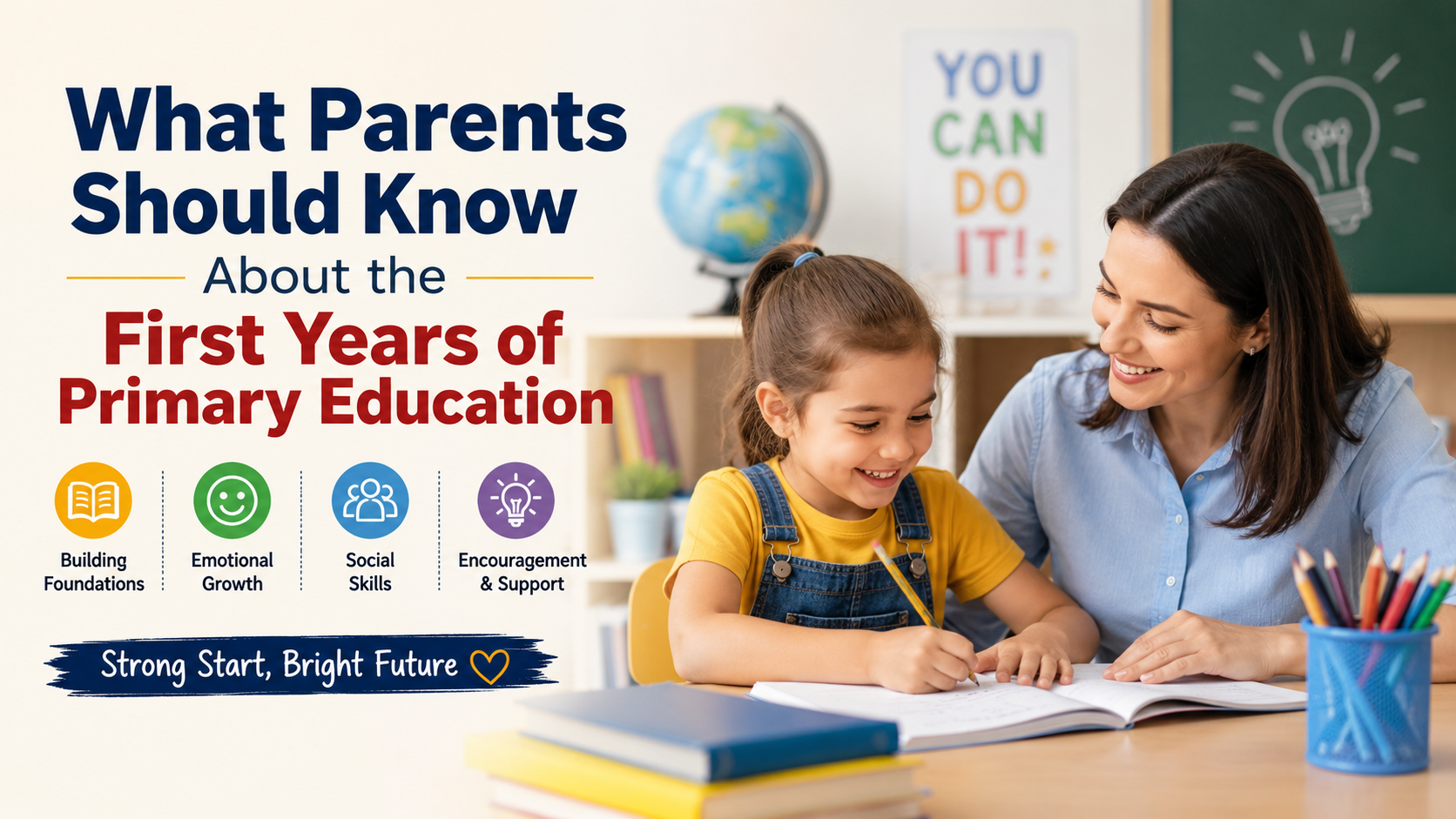
The transition from nursery or kindergarten into formal primary education is a significant milestone for both children and their parents. This period marks the beginning of a structured academic journey, bringing new routines, expectations, and developmental leaps. For parents, understanding what happens during these crucial first years can make all the difference in supporting a child through this exciting transition. Rather than feeling overwhelmed by the changes, families can prepare themselves by learning about the academic frameworks, social developments, and classroom strategies that define early primary education.
Understanding Structured Academic Frameworks
When children enter primary school, they shift from play-based learning to a more structured academic environment. This change introduces them to core subjects like literacy, maths, and science in a formalised way. Parents often wonder what exactly their children are expected to learn and achieve during these formative years.
Familiarising yourself with established educational pathways, such as a Key Stage One Curriculum, helps parents gain insight into the specific developmental goals and subjects their children will tackle. These frameworks ensure that students receive a balanced education while building foundational skills in a supportive, structured manner.
To maintain consistency and high standards across schools globally, educational boards provide strict statutory guidelines. For example, the official UK government documentation regarding the national primary curriculum establishes the standardised framework for early childhood academic development, outlining the core subjects and attainment targets that must be taught in all local-authority-maintained primary schools in England. Knowing these benchmarks gives parents a clear understanding of the robust standards their children are working towards.
In many modern classrooms, subjects are rarely taught in complete isolation. A history or geography topic might naturally involve reading comprehension, basic mathematics, and creative art projects. This cross-curricular approach seamlessly blends different disciplines, keeping young minds engaged and helping them understand how various areas of knowledge connect to one another.
The Shift to Interactive and Collaborative Learning
While academic subjects become more structured, early primary education is far from rigid. Teachers at this level understand that young learners still require high levels of engagement, movement, and social interaction to absorb new information effectively. The focus is heavily placed on collaborative learning, where students are encouraged to work together, communicate their ideas, and solve problems as a team. Learning to share resources, take turns, and actively listen to peers are critical components of a child’s early school experience. These social skills form the bedrock of a positive learning environment.
Cognitive engagement is often sparked through creative teaching methods rather than rote memorisation. As children adjust to formal schooling, educators frequently introduce interactive group activities, such as sharing educational riddles in the classroom, to develop critical thinking and collaborative problem-solving skills. These enjoyable exercises help students practise lateral thinking while keeping the classroom atmosphere light and supportive. By blending structured learning goals with playful delivery, teachers help young students build confidence and develop a genuine love for learning.
Key Milestones in the Early Primary Years
During the first few years of primary school, children undergo rapid intellectual and emotional growth. Parents will notice their children achieving several notable milestones that signify their progress. Keeping an eye on these developments helps families celebrate successes and identify areas where extra support might be beneficial.
Some of the most critical developmental milestones during these early years include:
- Phonics and early reading: Children move from recognising individual letters to blending sounds, allowing them to read simple sentences and short books independently.
- Foundational numeracy: Students learn to count confidently, understand basic addition and subtraction, and recognise simple geometric shapes.
- Improved focus and attention: The ability to sit still and concentrate on a single task for longer periods steadily improves.
- Emotional regulation: Children become better at expressing their feelings with words and navigating minor conflicts with peers without immediate adult intervention.
- Fine motor skills: Handwriting becomes much clearer, and children gain better control over tools like scissors, paintbrushes, and pencils.
Providing Meaningful Support at Home
While teachers lead the way in the classroom, a parent’s role at home remains vital to a child’s early educational success. Creating a supportive home environment reinforces what children learn at school and helps them feel secure as they navigate new challenges.
Establishing a consistent daily routine is one of the most effective ways to support young learners. Ensuring children have a regular bedtime and a calm morning schedule reduces anxiety and sets a positive tone for the school day. Additionally, spending just fifteen minutes reading together each evening can significantly boost a child’s literacy skills and foster a lifelong habit of reading for pleasure.
Encouraging curiosity outside of school hours is another excellent way to supplement formal education. Simple activities, such as pointing out numbers on street signs or discussing the changing weather, help children see the real-world applications of what they learn in class. Furthermore, praising their effort rather than just their achievements fosters a healthy growth mindset, teaching them that making mistakes is a natural part of the learning process.
Finally, keeping an open line of communication with teachers is essential. Attending parent-teacher meetings and reading school updates will keep you informed about your child’s progress. By working as a team with educators, parents can ensure their children thrive both academically and socially during these foundational years of primary education.