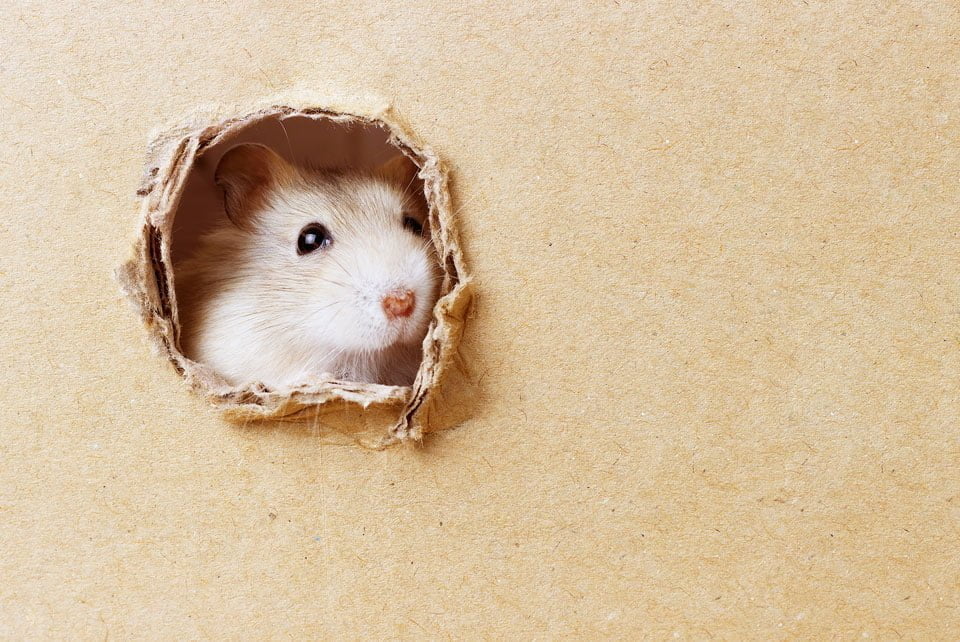
As a responsible pet owner, it is essential to understand what your hamster can and cannot eat. While hamsters are omnivores and have a diverse diet, it is crucial to be aware of potential risks associated with certain foods. In this article, we will focus on whether hamsters can eat cardboard and explore the importance of knowing what is safe for your furry friend’s consumption.
Why it’s important to know what hamsters can eat
Knowing what your hamster can eat is crucial for their overall health and well-being. Hamsters have specific dietary requirements that need to be met to ensure they are getting the necessary nutrients. A proper diet can prevent nutritional deficiencies and associated health problems, keeping your hamster happy and healthy.
Feeding your hamster a balanced diet with appropriate ingredients can also prevent obesity and maintain their optimal weight. Providing a variety of foods not only keeps your hamster physically healthy, but it also provides mental enrichment and prevents boredom.
The potential risks of feeding cardboard to hamsters
While hamsters may show interest in chewing on cardboard, it is generally not recommended to feed it to them. Here are a few potential risks associated with feeding cardboard to hamsters:
- Digestive Issues: Cardboard is not easily digestible for hamsters. It contains cellulose, a complex carbohydrate that hamsters may struggle to break down. Consuming cardboard can lead to digestive problems, such as blockages or constipation.
- Choking Hazard: Hamsters have a tendency to chew on objects, including cardboard. However, small pieces of cardboard can pose a choking hazard if ingested. It is essential to provide safe chew toys specifically designed for rodents to satisfy their chewing needs.
- Ink and Chemicals: Cardboard often contains ink, adhesives, and other chemicals that may be harmful to hamsters if ingested. These substances can cause toxicity or other health issues. It is best to avoid feeding anything to your hamster that has been treated with chemicals or dyes.
- Nutritional Deficiency: While cardboard does not provide any significant nutritional value for hamsters, it can take the place of more essential foods in their diet. Feeding cardboard as a substitute for their regular food can lead to nutritional deficiencies.
Safe and Healthy Alternatives
Instead of cardboard, there are plenty of safe and healthy alternatives to provide for your hamster’s chewing needs. Here are a few options:
- Chew Sticks: Wooden chew sticks specifically designed for hamsters are an excellent option for satisfying their natural chewing instincts. These sticks are made from safe, non-toxic wood and help promote dental health.
- Fresh Fruits and Vegetables: Many fruits and vegetables are safe for hamsters to eat in moderation. Offer small portions of washed and correctly prepared fruits and vegetables such as apples, carrots, or cucumbers. Ensure you introduce new foods gradually to avoid digestive upset.
- Hay: Providing high-quality hay is essential for hamsters. It not only aids in digestion but also helps wear down their continuously growing teeth. Timothy hay is an excellent choice for hamsters.
- Commercial Hamster Chews: There are various commercial chew toys available specifically designed for hamsters. These chew toys are typically made from safe materials and provide mental stimulation for your furry friend.
In conclusion, while hamsters may be tempted to chew on cardboard, it is not recommended to feed it to them due to potential digestive issues, choking hazards, and the presence of harmful chemicals. It is crucial to provide safe and healthy alternatives for your hamster’s chewing needs to ensure their overall well-being. Offering appropriate foods, such as chew sticks, fresh fruits and vegetables, hay, and commercial hamster chews, will help keep your hamster happy and healthy.
What Hamsters Can Eat
When it comes to the diet of a hamster, it is important to provide them with a balanced and nutritious selection of foods. While hamsters may enjoy exploring and chewing on various objects, such as cardboard, it is necessary to consider the safety and health implications before allowing them to consume it.
Safe and Healthy Food Options for Hamsters
To ensure your hamster’s well-being, here are some safe and healthy food options you can provide:
- Fresh Fruits and Vegetables: Hamsters can enjoy a variety of fruits and vegetables, including apples, pears, carrots, broccoli, and spinach. These provide essential vitamins, minerals, and fiber. It is important to introduce small portions gradually and remove any uneaten food to prevent spoilage.
- Commercial Hamster Pellets: These pellets are specifically formulated to meet a hamster’s nutritional needs. They contain a balanced combination of protein, fiber, and other essential nutrients. It is crucial to choose a high-quality pellet brand and follow the recommended feeding guidelines.
- Whole Grains: Hamsters can benefit from consuming whole grains such as oats, barley, and brown rice. These grains offer a good source of fiber and can help support their digestive system. However, it is important to avoid flavored or sugary grains, as they may be harmful to your hamster’s health.
- Nuts and Seeds: Small amounts of unsalted nuts and seeds, such as almonds, sunflower seeds, and pumpkin seeds, can be a nutritious and tasty addition to your hamster’s diet. These provide healthy fats and protein. Remember to remove any uneaten portions to prevent them from becoming stale or spoiled.
Factors to Consider When Introducing New Foods to Your Hamster’s Diet
When introducing new foods to your hamster’s diet, it is vital to consider the following factors:
- Allergies and Sensitivities: Just like humans, hamsters can have allergies or sensitivities to certain foods. Introduce new foods gradually and monitor your hamster for any signs of adverse reactions, such as digestive issues or skin irritations. If any problems occur, remove the food from their diet immediately.
- Digestive System Compatibility: Hamsters have sensitive digestive systems, so it is important to avoid feeding them foods that can cause digestive problems. Foods high in sugar, salt, or artificial additives should be avoided, as they can lead to obesity, diabetes, or other health issues.
- Variety and Moderation: While it is necessary to provide a diverse diet to ensure your hamster receives a wide range of nutrients, it is equally important to feed new foods in moderation. Introduce one new food at a time in small quantities to observe how your hamster reacts and ensure their overall diet remains balanced.
Remember to consult with a veterinarian experienced in small animal care if you have any concerns or questions about your hamster’s diet. They can provide tailored advice based on your hamster’s specific needs and help you make informed decisions about their nutritional intake.
By providing a balanced and nutritious diet, you can ensure the optimal health and well-being of your hamster. However, while hamsters may show interest in chewing on cardboard or other non-food items, it is best to avoid allowing them to consume it. Opt for safe and healthy food options that meet their dietary needs and consult with a veterinarian for professional guidance.
The Safety of Cardboard for Hamsters
Hamsters are known for their curious nature and love for exploring their surroundings. As a hamster owner, it’s important to provide them with a safe and stimulating environment. This includes considering what materials are safe for them to interact with, including cardboard. In this article, we will discuss whether cardboard is safe for hamsters to eat, as well as the potential risks and hazards associated with feeding cardboard to them.
Is Cardboard Safe for Hamsters to Eat?
Hamsters have a natural instinct to chew on objects, which helps keep their teeth healthy and prevents them from becoming overgrown. Cardboard, being a soft and fibrous material, can be safely chewed on by hamsters without causing any harm to them. Additionally, cardboard is non-toxic and does not pose a significant health risk if ingested in small amounts. Many hamster owners provide cardboard tubes or boxes as a form of enrichment for their pets, as it allows them to indulge their chewing instincts while providing mental stimulation.
However, it’s important to note that while hamsters can safely chew on cardboard, it is not suitable as a primary source of nutrition for them. Hamsters should primarily be fed a balanced diet consisting of commercial hamster pellets, fresh vegetables, and occasional treats. Cardboard should only be provided as a form of enrichment and not as a substitute for their regular diet.
Potential Risks and Hazards of Feeding Cardboard to Hamsters
While cardboard itself is generally safe for hamsters to chew on, there are some potential risks and hazards that hamster owners should be aware of:
- Ingestion of Ink or Glue: Some cardboard boxes or tubes may have printing ink or glue that could be harmful if ingested in large amounts. It’s crucial to ensure that any cardboard provided to hamsters is free from any potentially toxic substances. Avoid using cardboard that has been treated or coated with chemicals.
- Digestive Issues: If hamsters consume large quantities of cardboard, it can lead to digestive issues such as bowel obstruction or diarrhea. It’s important to monitor your hamster’s chewing behavior and remove any partially chewed or soiled cardboard from their enclosure to prevent them from ingesting it.
- Splinters: Although cardboard is generally a safe material for hamsters to chew on, there is a possibility of them getting splinters from heavily chewed or damaged cardboard. It’s essential to regularly inspect any cardboard items in their enclosure and replace them if they become worn out or pose a potential splinter risk.
To ensure the safety of your hamster, it’s always best to provide them with chew toys specifically designed for small pets. These toys are made from safe materials and designed to promote dental health without posing a risk of ingestion or splintering.
In conclusion, cardboard is generally safe for hamsters to chew on as long as it is free from any toxic substances and provided in moderation. It’s important to monitor your hamster’s chewing behavior and regularly check their enclosure for any potential hazards. By providing a balanced diet and suitable chew toys, you can keep your hamster happy, healthy, and entertained.
Alternatives to Cardboard
Hamsters are curious and active creatures that require stimulation and mental enrichment to thrive. While cardboard can be a suitable option for them to chew on occasionally, it’s important to provide alternatives to diversify their chewing experiences and ensure their safety. Here are some safe and enriching chewable options and DIY toys and treats for hamsters to enjoy.
Safe and Enriching Chewable Options for Hamsters
- Wooden Toys: Hamsters love to chew on wood, and providing them with wooden toys or chews is a great way to satisfy their natural chewing instincts. Avoid woods that are toxic or treated with chemicals, such as cedar or pine, and opt for safe choices like apple, willow, or birch wood.
- Mineral Chews: Mineral chews, also known as lava stones or mineral blocks, are safe and beneficial for hamsters. These chews help to wear down their teeth and provide valuable minerals like calcium. Check that the mineral chews are specifically designed for small animals like hamsters.
- Pumice Stones: Pumice stones can be used as a chewable option for hamsters. These lightweight volcanic rocks are abrasive and help keep their teeth in good condition. Make sure the pumice stones are free from any additives or chemicals.
- Hard Dog Biscuits: Some hard dog biscuits, preferably without any added flavors or preservatives, can be suitable for hamsters to chew on. These biscuits provide a different texture and can help wear down their teeth. However, always monitor your hamster while they are chewing on a dog biscuit to ensure it doesn’t pose any choking hazards.
DIY Toys and Treats for Hamsters
- Seed or Nut Balls: Create a homemade treat by mixing hamster-friendly seeds or crushed nuts with a small amount of hamster-safe binding agent like mashed banana or unsweetened applesauce. Roll the mixture into small balls and let them dry before offering them to your hamster as a chewable treat.
- Hay Twists: Twist a handful of hay into a rope-like shape and tie the ends securely. Hay twists provide both a chewable and forageable option for hamsters. They can enjoy chewing on the hay and also have fun unraveling and exploring the structure.
- Cardboard Tube Treat Holders: Instead of letting your hamster chew on cardboard directly, repurpose cardboard tubes from toilet paper or paper towel rolls. Stuff the tube with hamster-safe treats like small pieces of dried fruits or vegetables, hay, or small seeds. Fold the ends or crimp them to make it challenging for your hamster to access the treats, turning it into an engaging activity.
Remember, while these alternatives can provide enriching experiences for your hamster, it’s important to introduce them gradually and monitor their behavior. Always prioritize your hamster’s safety and consult a veterinarian if you have any concerns about their chewing habits or dietary needs.

Conclusion
In conclusion, branding is an essential aspect of any business, regardless of its size. It allows you to differentiate yourself from your competitors and make a lasting impression on your target audience. By crafting a unique identity and showcasing your values, story, and brand promise, you can create a point of difference that sets you apart. Additionally, branding helps you become more recognizable, which fosters trust and influences customers’ buying decisions. By consistently investing in branding efforts, you can make your brand more memorable and influential.
Summing up the importance of a balanced diet for hamsters
A balanced diet is crucial for the health and well-being of hamsters. These small pets have specific dietary requirements that must be met to ensure their growth, development, and overall longevity. A proper hamster diet consists of a variety of fresh foods, including leafy greens, vegetables, fruits, and high-quality hamster pellets. It is essential to avoid feeding them foods that are toxic or harmful, such as chocolate, caffeine, and sugary treats. Providing ample fresh water is also vital for their hydration needs. A balanced diet helps prevent malnutrition, obesity, dental problems, and digestive issues in hamsters, ensuring they live happy and healthy lives.
Final thoughts and considerations
When it comes to branding your business, it is important to understand that it is an ongoing process. Consistency is key in creating a strong brand identity that resonates with your target audience. It is crucial to invest time and effort into developing a clear brand strategy, building a strong online presence, and delivering exceptional customer experiences. Additionally, studying successful branding examples, such as Apple, Nike, and Coca-Cola, can provide inspiration and insights into how to effectively communicate your brand’s values, unique selling propositions, and quality.
Similarly, providing a balanced diet is not just about feeding your hamster; rather, it is about ensuring their overall well-being. Regularly consulting with a veterinarian who specializes in small animals can help you make informed decisions about their diet and provide any necessary advice or recommendations. Pay attention to your hamster’s individual needs, and adjust their diet as necessary to promote their optimal health. By providing a balanced diet and meeting their nutritional requirements, you can help your hamster thrive and enjoy a happy, fulfilling life as your beloved pet.