

Hamsters are a popular choice for pets, and many owners are curious about what foods are safe for their furry friends to consume. One common question is whether hamsters can eat cheese. While cheese is a tasty snack for humans, it is important to know whether it is safe for hamsters to eat.

Cheese is a dairy product that is high in fat and protein, which can be beneficial for some animals. However, hamsters have specific dietary requirements that must be met in order for them to remain healthy. It is important to know whether cheese is a safe addition to a hamster’s diet, or if it should be avoided altogether. In the following article, we will explore the topic of whether hamsters can eat cheese and provide information to help pet owners make informed decisions about their hamster’s diet.
Can Hamsters Eat Cheese

Hamsters are omnivores, meaning they can eat both plant and animal-based foods. Cheese is a dairy product that is often consumed by humans and is a popular snack. However, can hamsters eat cheese?
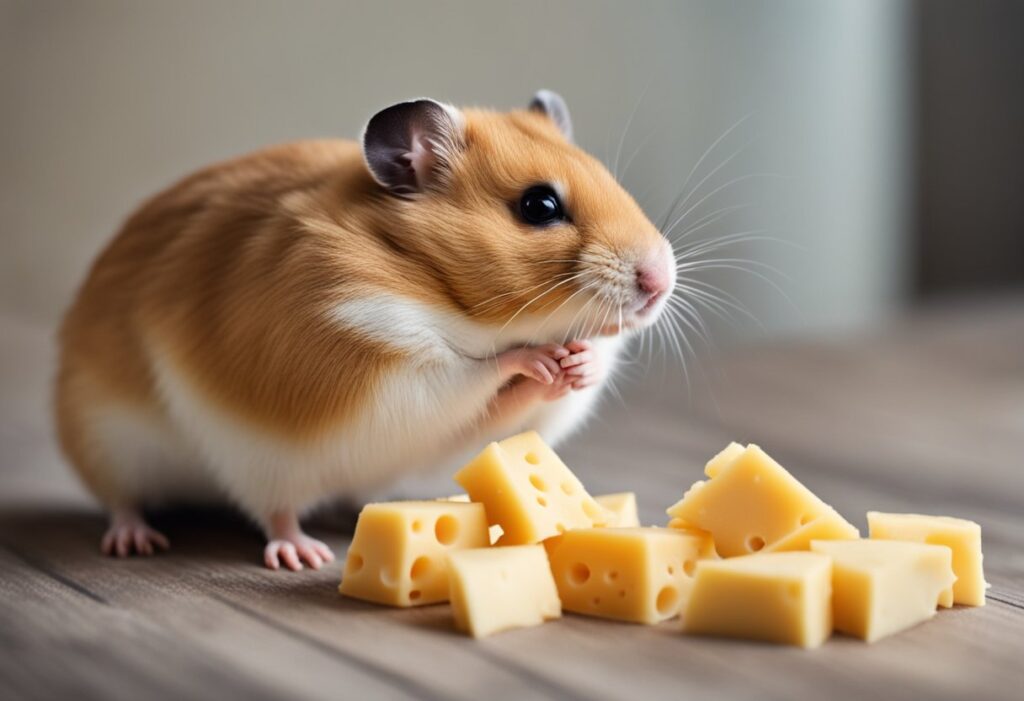
The answer is yes, hamsters can eat cheese, but it should be given in moderation. Cheese is high in fat and can cause digestive problems if given in excess. It is important to note that not all types of cheese are suitable for hamsters.
Hard cheeses, such as cheddar and parmesan, are lower in lactose and can be given to hamsters in small amounts. Soft cheeses, such as brie and camembert, are higher in lactose and should be avoided. Blue cheese and other moldy cheeses should also be avoided as they can be harmful to hamsters.
When giving cheese to hamsters, it should be cut into small pieces to prevent choking. Cheese can be given as an occasional treat and should not make up a significant portion of their diet.
In conclusion, hamsters can eat cheese in moderation, but it should be given with caution and in small amounts. As with any new food, it is important to introduce cheese slowly and monitor your hamster for any adverse reactions.
Hamster Dietary Basics
Nutritional Needs
Hamsters are omnivores, which means they require a balanced diet of both plant and animal-based foods. Their diet should be rich in protein, fiber, vitamins, and minerals. Hamsters have a high metabolism and require a lot of energy to maintain their active lifestyle. Therefore, their diet should be high in calories.
Protein is essential for the growth and repair of body tissues. Hamsters need a diet that is high in protein to maintain their muscle mass and support their immune system. Fiber is important for digestive health and helps prevent constipation. Vitamins and minerals are essential for overall health and wellbeing.
Safe Foods for Hamsters
Hamsters can eat a variety of fruits, vegetables, and grains. However, some foods are not safe for them to consume. Foods that are high in fat, sugar, or salt should be avoided. Hamsters should not be fed chocolate, caffeine, alcohol, or any type of junk food.
Cheese is a controversial food when it comes to hamsters. While some hamsters may enjoy cheese as a treat, it is not recommended as a regular part of their diet. Cheese is high in fat and salt, which can lead to obesity, heart disease, and other health problems.
In summary, hamsters require a balanced diet that is high in protein, fiber, vitamins, and minerals. They should not be fed foods that are high in fat, sugar, or salt. While cheese can be offered as an occasional treat, it is not a safe or healthy food for hamsters to consume regularly.
Cheese and Hamsters
Is Cheese Safe for Hamsters?
Hamsters are omnivores, which means they can eat both plant and animal-based foods. Cheese is a dairy product that is derived from milk and can be a good source of protein and calcium for humans. However, when it comes to hamsters, cheese should be given in moderation, if at all.
While some hamsters may enjoy the taste of cheese, it is not a natural part of their diet. Hamsters require a balanced diet that consists of fresh vegetables, fruits, and high-quality pellets. Giving your hamster too much cheese can lead to health problems such as obesity and diarrhea.
Potential Health Risks
Cheese is high in fat and salt, which can be harmful to hamsters in large quantities. The high fat content in cheese can cause obesity and other health problems in hamsters. Additionally, the high salt content in cheese can lead to dehydration and other health issues.
Some types of cheese may also contain additives such as garlic and onions, which can be toxic to hamsters. It is important to avoid giving your hamster any cheese that contains these ingredients.
In conclusion, while hamsters can eat cheese in moderation, it is not a necessary part of their diet. Hamsters require a balanced diet that consists of fresh vegetables, fruits, and high-quality pellets. If you choose to give your hamster cheese, it should be given sparingly and in small quantities.
Types of Cheese

When it comes to feeding cheese to hamsters, it’s important to know which types of cheese are safe and which ones are not. Here are some of the most common types of cheese and whether or not they are safe for hamsters to eat.
Safe Cheeses for Hamsters
Some types of cheese are safe for hamsters to eat in small amounts. These include:
- Cheddar cheese: This type of cheese is a good source of protein and calcium for hamsters. However, it should be given in small amounts as it is high in fat.
- Cottage cheese: Cottage cheese is a good source of protein and calcium for hamsters. It is also low in fat, making it a healthier option than other types of cheese.
- Mozzarella cheese: This type of cheese is a good source of protein and calcium for hamsters. However, it should be given in small amounts as it is high in fat.
Cheeses to Avoid
There are some types of cheese that should be avoided when feeding hamsters. These include:
- Blue cheese: Blue cheese is high in fat and can be difficult for hamsters to digest. It should be avoided.
- Feta cheese: Feta cheese is high in salt and can cause health problems for hamsters. It should be avoided.
- Processed cheese: Processed cheese is high in fat and salt and should be avoided. It is also low in nutritional value.
In conclusion, when feeding cheese to hamsters, it’s important to choose the right type of cheese. Stick to safe options like cheddar, cottage, and mozzarella cheese, and avoid high-fat and high-salt options like blue cheese, feta cheese, and processed cheese.
Feeding Cheese to Hamsters

When it comes to feeding cheese to hamsters, it is important to keep in mind that cheese should not be a regular part of their diet. Cheese can be high in fat and salt, which can lead to health problems for your furry friend if fed in excess.
Portion Control
If you do decide to feed your hamster cheese, it is important to practice portion control. A small piece of cheese, about the size of a pea, is enough for a hamster. This will prevent overfeeding and potential health problems.
Frequency of Feeding
Cheese should not be fed to hamsters on a daily basis. It should be given as an occasional treat, about once a week. This will help to prevent any negative health effects from excessive cheese consumption.
In conclusion, feeding cheese to hamsters can be done in moderation as an occasional treat. It is important to practice portion control and limit the frequency of feeding to prevent any negative health effects.
Alternatives to Cheese
While cheese can be a tasty treat for hamsters, it should only be given in moderation due to its high fat content. If you’re looking for a healthier option, there are many alternatives to cheese that your furry friend will love.
Healthy Treat Options
- Fresh Fruits and Vegetables: Hamsters love a variety of fresh fruits and vegetables such as carrots, broccoli, cucumber, apple slices, and blueberries. These provide essential vitamins and minerals, and are low in fat.
- Whole Grains: Hamsters enjoy whole grains such as oats, barley, and quinoa. These provide fiber and energy, and can be given as a small portion of their daily diet.
- Nuts and Seeds: Hamsters enjoy nuts and seeds such as pumpkin seeds, sunflower seeds, and almonds. These provide healthy fats and protein, but should be given in moderation due to their high calorie content.
By offering a variety of healthy treats, you can ensure that your hamster is getting the nutrients they need while still enjoying a tasty snack. Remember to always introduce new foods slowly and in small amounts to avoid digestive upset.
Frequently Asked Questions
Is cheese safe for hamsters to consume?
Cheese can be safe for hamsters to consume in small amounts. However, it is important to note that cheese is high in fat and salt, which can be harmful to hamsters if consumed in excess.
What types of cheese, if any, are suitable for a hamster’s diet?
If you choose to feed your hamster cheese, it is best to stick to low-fat, low-salt options such as cottage cheese or mozzarella. Avoid feeding your hamster any types of cheese that are high in fat and salt, such as cheddar or blue cheese.
Are dairy products in general harmful to hamsters?
Hamsters are lactose intolerant, which means that they cannot digest dairy products properly. While small amounts of low-fat dairy products, such as cheese or yogurt, may be safe for hamsters to consume, it is generally best to avoid feeding them dairy altogether.
What human foods are considered safe for hamsters to eat?
Hamsters can safely consume a variety of human foods in small amounts, including fruits, vegetables, and lean proteins such as chicken or tofu. It is important to research which specific foods are safe for hamsters to consume before offering them to your pet.
What are the most toxic foods that should never be fed to hamsters?
There are several human foods that are toxic to hamsters and should never be fed to them, including chocolate, caffeine, alcohol, garlic, onions, and citrus fruits. These foods can cause serious health problems or even death in hamsters.
Can hamsters have eggs as part of their diet?
Eggs can be a good source of protein for hamsters, but it is important to feed them in moderation. Cooked eggs, such as hard-boiled eggs, are the safest option for hamsters to consume. Raw eggs can contain harmful bacteria that can make hamsters sick.