Leopard geckos are fascinating creatures that have become increasingly popular pets in recent years. As with any pet, proper nutrition is essential to ensure their health and well-being. While it’s common knowledge that leopard geckos are primarily insectivores, some owners may wonder if they can supplement their diet with vegetables. In this article, we will discuss whether or not leopard geckos can eat veggies and what impact, if any, it may have on their health.
Leopard geckos are native to the arid regions of Asia and are accustomed to a diet of insects, particularly crickets and mealworms. However, some owners may be interested in adding vegetables to their pet’s diet for a variety of reasons, such as providing additional nutrients or variety. While it’s true that some reptiles can consume a limited amount of plant matter, it’s important to consider whether or not it’s appropriate for leopard geckos. In the following paragraphs, we will explore the nutritional requirements of leopard geckos and whether or not veggies can meet those needs.
Dietary Basics of Leopard Geckos
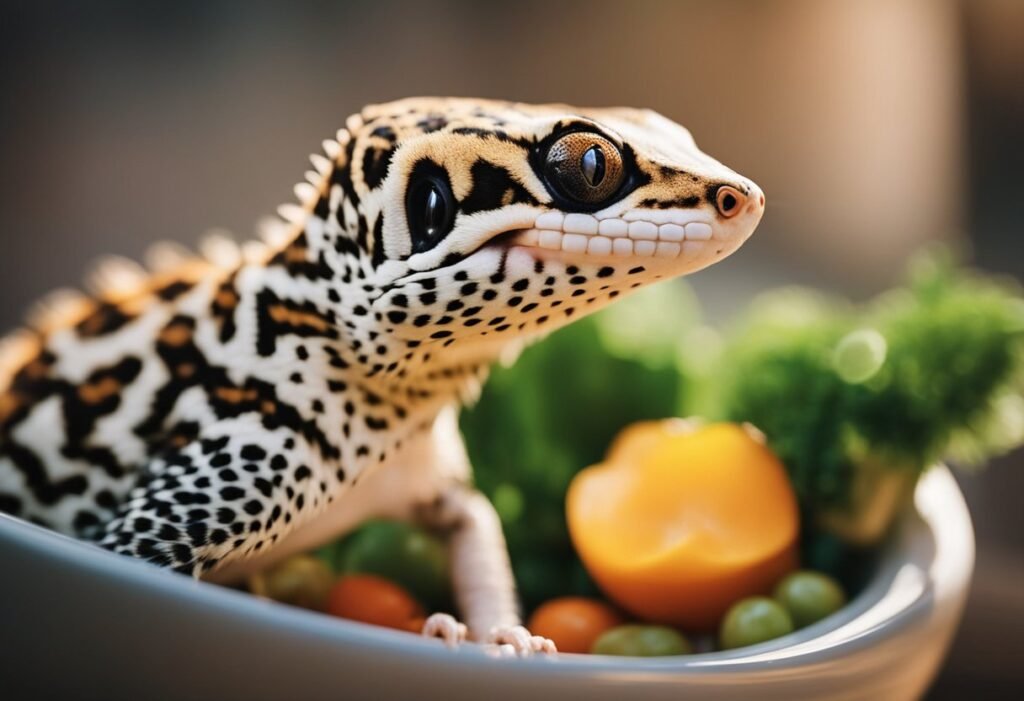
Leopard geckos are known for their unique dietary requirements. As a responsible pet owner, it is important to understand the nutritional needs of your leopard gecko. In this section, we will discuss the nutritional requirements and natural diet of leopard geckos.
Nutritional Requirements
Leopard geckos are insectivores, which means they require a diet primarily composed of insects. Insects provide the necessary protein and other essential nutrients for leopard geckos to thrive. However, it is important to ensure that the insects are appropriately sized and gut-loaded before feeding them to your leopard gecko.
In addition to insects, leopard geckos also require calcium and vitamin D3 for proper bone development. Calcium can be provided through calcium supplements, while vitamin D3 can be obtained through exposure to UVB lighting.
Natural Diet in the Wild
In the wild, leopard geckos primarily feed on insects such as crickets, mealworms, and waxworms. They may also consume small rodents, lizards, and other small animals. However, it is important to note that captive leopard geckos should not be fed these types of prey as they may contain harmful parasites or diseases.
Leopard geckos do not typically consume vegetables in the wild, as they are not a natural part of their diet. While some leopard geckos may show interest in vegetables, they should not be relied upon as a significant source of nutrition. Instead, focus on providing a varied diet of appropriately sized and gut-loaded insects to ensure your leopard gecko receives the necessary nutrients for optimal health.
Can Leopard Geckos Eat Veggies?
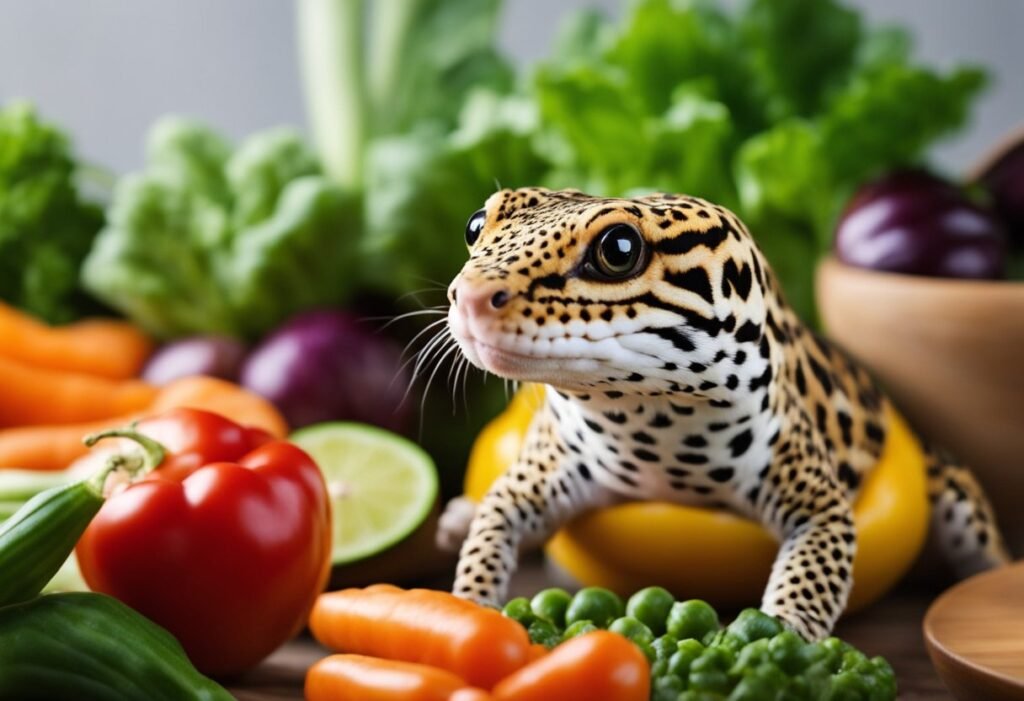
Leopard geckos are known for their carnivorous diet, which mainly consists of insects such as crickets, mealworms, and waxworms. However, some owners may wonder if their leopard geckos can eat vegetables as well. In this section, we will explore the pros and cons of including vegetables in a leopard gecko’s diet and address common misconceptions.
Pros and Cons of Vegetables in Diet
Vegetables can provide some nutritional benefits to leopard geckos, such as vitamins and minerals. However, it is important to note that leopard geckos are not designed to digest plant matter as efficiently as they digest animal protein. Therefore, too much vegetable matter in their diet can lead to digestive issues and even malnutrition.
If you decide to include vegetables in your leopard gecko’s diet, it is important to do so in moderation. We recommend offering small amounts of vegetables once or twice a week as a supplement to their regular insect diet. Some suitable vegetables to offer include leafy greens such as kale, collard greens, and dandelion greens, as well as squash, carrots, and sweet potatoes.
Common Misconceptions
There are some common misconceptions about leopard geckos and vegetables. One of the most common is that leopard geckos require vegetables in their diet to stay healthy. This is not true, as leopard geckos can thrive on a diet of insects alone.
Another misconception is that all vegetables are safe for leopard geckos to eat. This is also not true, as some vegetables can be harmful to leopard geckos. For example, spinach and other vegetables high in oxalates can bind to calcium and prevent its absorption, leading to metabolic bone disease.
In conclusion, while leopard geckos can eat vegetables in moderation, it is important to be aware of the potential risks and limitations. As always, it is best to consult with a veterinarian or reptile specialist to ensure that your leopard gecko’s diet is balanced and appropriate for their specific needs.
Suitable Vegetables for Leopard Geckos
As omnivores, leopard geckos can eat a variety of foods, including vegetables. However, not all vegetables are safe for them to consume. In this section, we will discuss some suitable vegetables for leopard geckos and how to prepare them.
Safe Vegetables List
Here is a list of some safe vegetables that you can feed to your leopard gecko:
- Carrots
- Squash
- Bell peppers
- Green beans
- Peas
- Asparagus
- Collard greens
- Mustard greens
- Kale
- Spinach
It’s important to note that these vegetables should be fed to leopard geckos in moderation and should not make up the majority of their diet. Additionally, it’s best to offer a variety of vegetables to ensure that your gecko is getting a balanced diet.
How to Prepare Vegetables
When preparing vegetables for your leopard gecko, it’s important to make sure that they are chopped into small, bite-sized pieces. This will make it easier for your gecko to eat and digest the vegetables.
You can also try mixing the vegetables with some of your gecko’s favorite insects, such as crickets or mealworms, to encourage them to try the vegetables.
It’s also important to make sure that the vegetables are clean and free of any pesticides or other harmful chemicals. If possible, try to purchase organic vegetables or wash them thoroughly before feeding them to your gecko.
In conclusion, while leopard geckos can eat vegetables, it’s important to choose the right ones and prepare them properly. By following the guidelines outlined in this section, you can ensure that your gecko is getting a healthy and balanced diet.
Feeding Frequency and Portion Size

Vegetable Feeding Guidelines
When it comes to feeding leopard geckos vegetables, it is important to remember that they are primarily insectivores. Therefore, vegetables should only make up a small portion of their diet. We recommend feeding vegetables to leopard geckos no more than once or twice a week, and only in small amounts.
To ensure that your leopard gecko is getting the proper nutrition from their vegetables, we suggest offering a variety of options. Some good choices include leafy greens such as collard greens, kale, and mustard greens, as well as squash, carrots, and bell peppers. It is important to avoid feeding your leopard gecko vegetables that are high in oxalates, such as spinach and beet greens, as these can interfere with calcium absorption.
When offering vegetables to your leopard gecko, it is important to chop them up into small pieces so they are easy to eat. We recommend offering vegetables in a shallow dish to prevent them from getting buried in the substrate and going uneaten.
Age-Related Dietary Adjustments
As leopard geckos age, their dietary needs may change. Younger geckos require more protein and fat, while older geckos may benefit from a diet that is higher in fiber. Therefore, it is important to adjust the frequency and portion size of vegetable feedings based on your gecko’s age.
For younger geckos, we suggest feeding vegetables no more than once a week, and only in small amounts. As they grow older, you can gradually increase the frequency and portion size of vegetable feedings. However, it is important to monitor your gecko’s weight and overall health to ensure that they are getting the proper balance of nutrients.
In conclusion, while leopard geckos can eat vegetables, they should only make up a small portion of their diet. By following our guidelines for feeding frequency and portion size, as well as offering a variety of vegetable options, you can ensure that your gecko is getting the proper nutrition they need to thrive.
Health Considerations
Risks of Improper Diet
It is important to ensure that leopard geckos have a balanced and nutritious diet to maintain their health. A diet that lacks essential nutrients can lead to various health problems, including metabolic bone disease, obesity, and digestive issues.
Leopard geckos are primarily insectivores, and their diet should consist mainly of insects such as crickets, mealworms, and waxworms. While vegetables and fruits can be offered as occasional treats, they should not be a significant part of their diet. Feeding too many vegetables and fruits can lead to digestive problems and nutrient imbalances.
Signs of Nutritional Deficiencies
Leopard geckos that are not receiving a balanced diet may display signs of nutritional deficiencies. Some of the signs to look out for include:
- Weight loss
- Lethargy
- Weakness
- Decreased appetite
- Abnormal shedding
- Deformities in the limbs or spine
If you notice any of these signs, it is essential to consult a veterinarian who specializes in reptiles. They can help diagnose the problem and recommend a proper diet and treatment plan.
In conclusion, while leopard geckos can eat vegetables, they should not be a significant part of their diet. It is essential to ensure that they are receiving a balanced and nutritious diet to maintain their health and prevent any potential health problems.
Alternative Food Options
While leopard geckos are primarily insectivores, they can also benefit from a variety of alternative food options. Here are a few options to consider:
Insect-Based Diet Importance
Before exploring alternative food options, it’s important to note that insects should still make up the majority of a leopard gecko’s diet. Insects provide essential nutrients such as protein, calcium, and vitamins. However, incorporating alternative food options can add variety to their diet and provide additional nutrients.
Supplements and Vitamins
Leopard geckos require specific vitamins and minerals to maintain their health. While insects provide some of these nutrients, supplements and vitamins can help ensure they are getting everything they need. Calcium is especially important for leopard geckos, as they require it for proper bone growth and health. Dusting insects with calcium powder can help ensure they are getting enough of this essential mineral.
Vegetable Options
While leopard geckos are not known for their love of vegetables, there are a few options that can be incorporated into their diet. Dark leafy greens such as kale and collard greens can provide vitamins A and C. Squash and sweet potato can provide additional vitamins and minerals. It’s important to note that vegetables should not make up the majority of a leopard gecko’s diet and should be offered sparingly.
Incorporating alternative food options can provide variety and additional nutrients to a leopard gecko’s diet. However, it’s important to remember that insects should still make up the majority of their diet and that supplements and vitamins may be necessary to ensure they are getting everything they need.
Frequently Asked Questions

What alternative foods are safe for leopard geckos besides insects?
While insects are the primary food source for leopard geckos, there are a few alternative foods that can be safely incorporated into their diet. These include pinkie mice, small amounts of fruit, and commercially available reptile food.
Are there specific fruits that are safe for leopard geckos to consume?
Yes, there are a few fruits that are safe for leopard geckos to consume in small amounts. These include papaya, mango, and figs. However, it’s important to note that fruits should not make up a significant portion of their diet.
Is it safe for leopard geckos to eat any type of vegetables?
While vegetables can provide some nutritional benefits, leopard geckos are primarily insectivores and do not require vegetables in their diet. If you do choose to offer vegetables, make sure they are finely chopped and offered in small amounts. Safe options include carrots, squash, and sweet potato.
Can leopard geckos have earthworms as part of their diet?
Yes, earthworms can be a safe and nutritious addition to a leopard gecko’s diet. However, it’s important to avoid feeding wild-caught earthworms as they may have been exposed to pesticides or other harmful substances.
Are mealworms and hornworms suitable food options for leopard geckos?
Mealworms and hornworms can be suitable food options for leopard geckos, but they should not make up the entirety of their diet. It’s important to offer a variety of insects to ensure they are receiving a balanced diet.
Is it appropriate to feed leopard geckos with common human foods?
No, it’s not appropriate to feed leopard geckos with common human foods. Many human foods can be toxic to leopard geckos and should be avoided. Stick to offering them a variety of safe and nutritious insects and other appropriate foods.